*By Christian Smith*
Young American soccer fans feeling left out of the World Cup excitement this year have a new ambition, as FIFA voted Wednesday to hold the 2026 tournament in the United States, Mexico, and Canada.
"Now the 12-year-old to the 25-year-old has the opportunity to know that if they play at the highest level and make their National Team, they'll have an opportunity to actually play in a World Cup on their home soil," the former U.S. forward and three-time World Cup veteran Brian McBride said in an interview with Cheddar. "There's no better experience than walking out on that field with your badge, the crest on you, and know you're representing your country."
The prospect of contending for soccer's quadrennial championship on home soil in eight years provides some consolation for missing out on the 2018 tournament in Russia, and it may signal the start of U.S. Soccer's international comeback.
The last time the World Cup was played in the United States, in 1994, it catapulted the national team's success and the popularity of the sport. The success of that tournament helped launch Major League Soccer, the country's professional soccer league.
The opportunity to host another World Cup, this time with neighbors Mexico and Canada, represents a rare chance for U.S. Soccer to grow the sport for the second time in a generation.
"I think the real key day in all of this is the day after the 2026 World Cup, what does our industry look like," said Dan Flynn, CEO of the U.S. Soccer Federation. He added that the World Cup creates new revenue opportunities for all three federations, and that money can be invested in developing better, more competitive players.
American soccer isn't the only thing growing. The 2026 World Cup will be the first to feature 48 teams, up from 32. They will play a total of 80 games, with 60 of them scheduled for the United States. As part of their bid, the three North American nations pledged the tournament would generate $11 billion in revenue. The three federations could make as much as $50 million each, based on estimates.
Diplomatic disputes ー including President Trump' executive order barring most visitors from several Muslim-majority countries ー raised concerns among some countries about the North American bid, but Flynn said it was never a real issue.
"People want to talk about that and bring it into play, but the reality was this was about our sport," Flynn said. "I think it's a really good example of where our sport is really a sport that can bring people together."
For the full interview, [click here](https://cheddar.com/videos/u-s-wins-joint-bid-to-host-world-cup-in-2026).
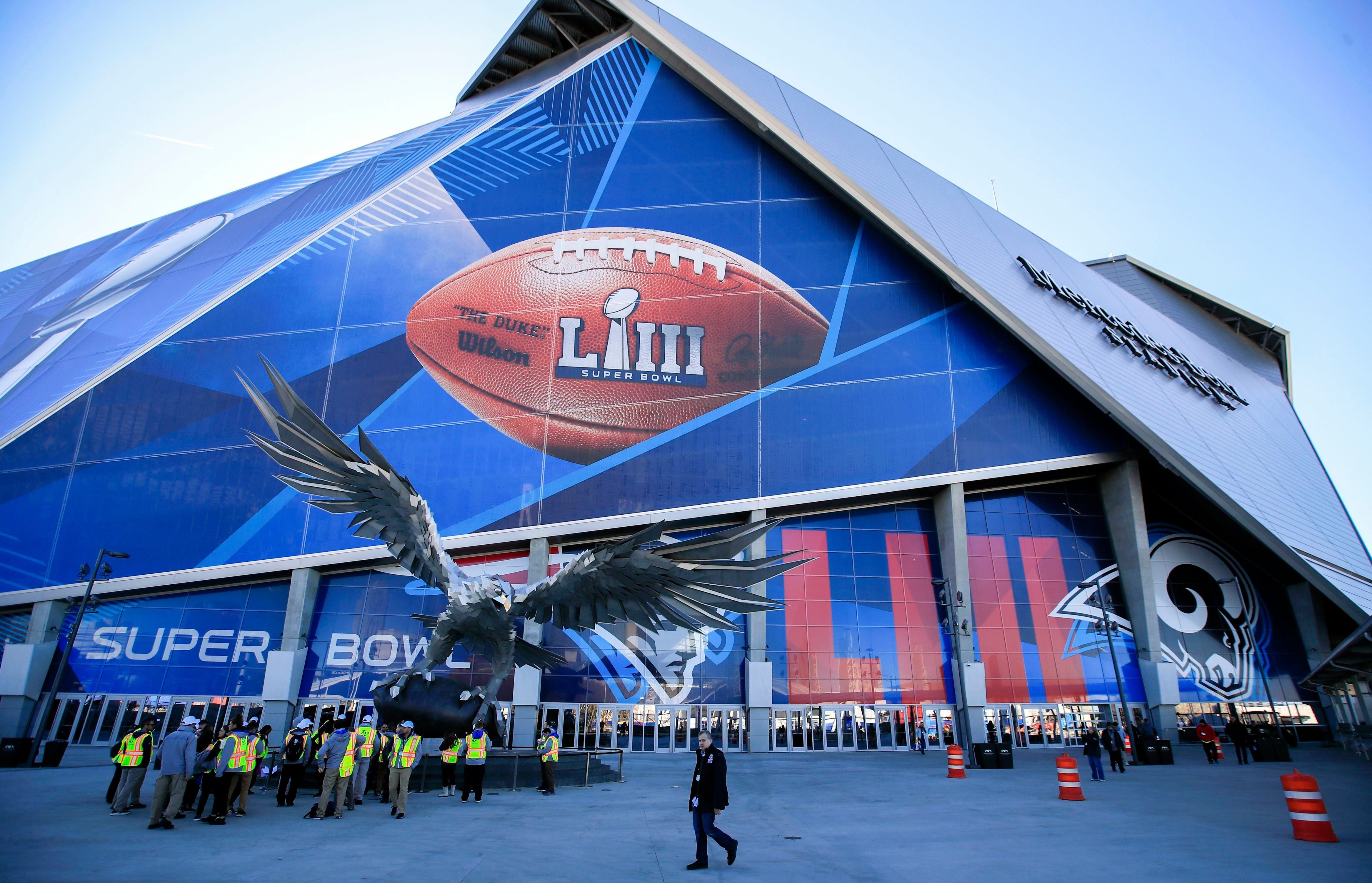
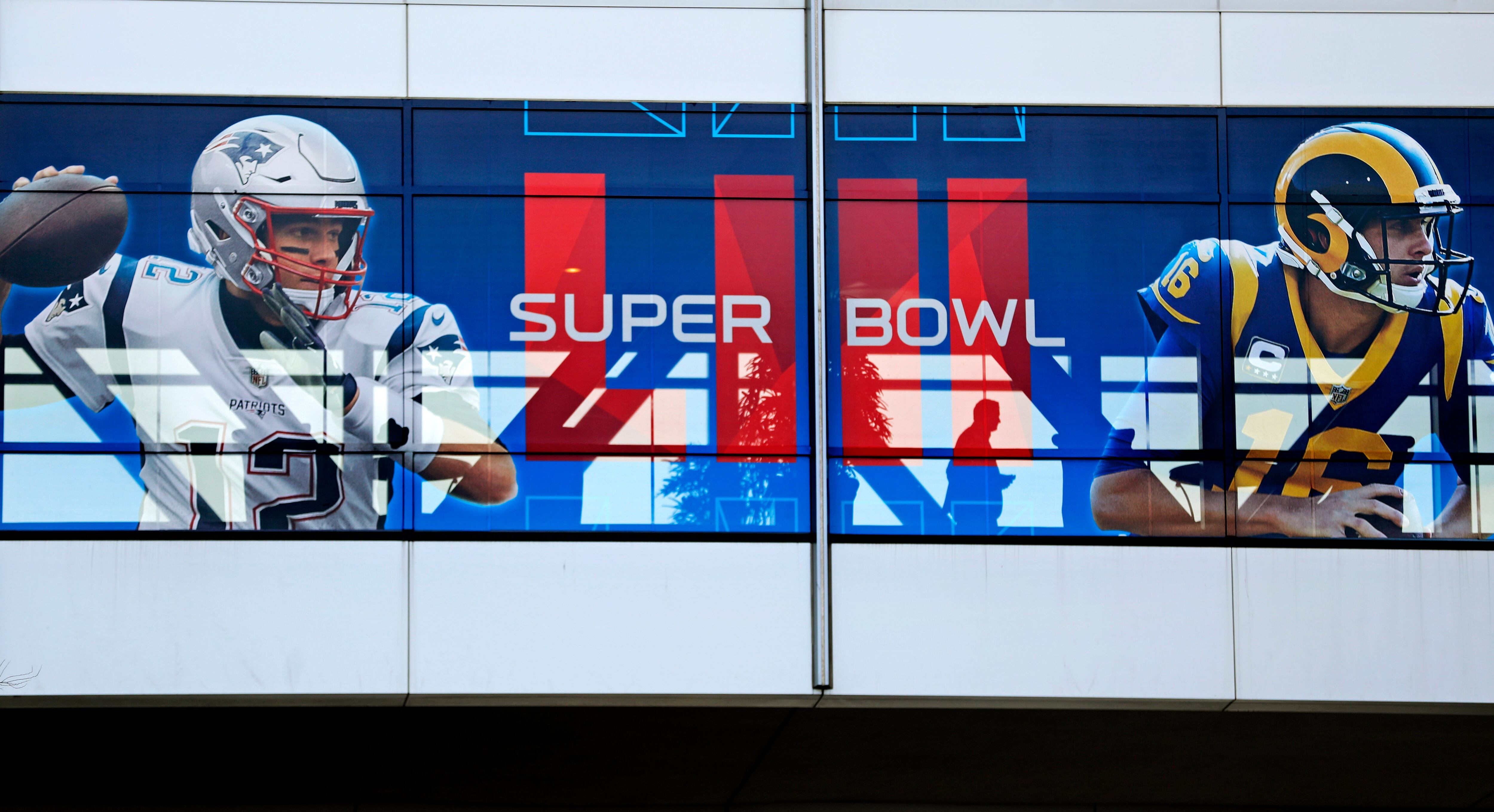
While the New England Patriots and Los Angeles Rams face off for the Super Bowl title, advertisers will be waging their own battles during Twitter's Brand Bowl 53. Ryan Oliver, senior director of brand strategy for the U.S. and Canada at Twitter ($TWTR), said the Brand Bowl is a celebration of the advertisers that are being talked about on Twitter.
Wine manufacturer Yellow Tail can’t buy a national ad during the Super Bowl ー but that won't stop the company from getting its “Tastes like Happy” campaign out to the public in spectacular fashion. To skirt the category exclusivity hold that Anheuser-Busch InBev ($BUD) has on the Big Game, Yellow Tail bought 81 local ads ー which cover about 90 percent of the nation.
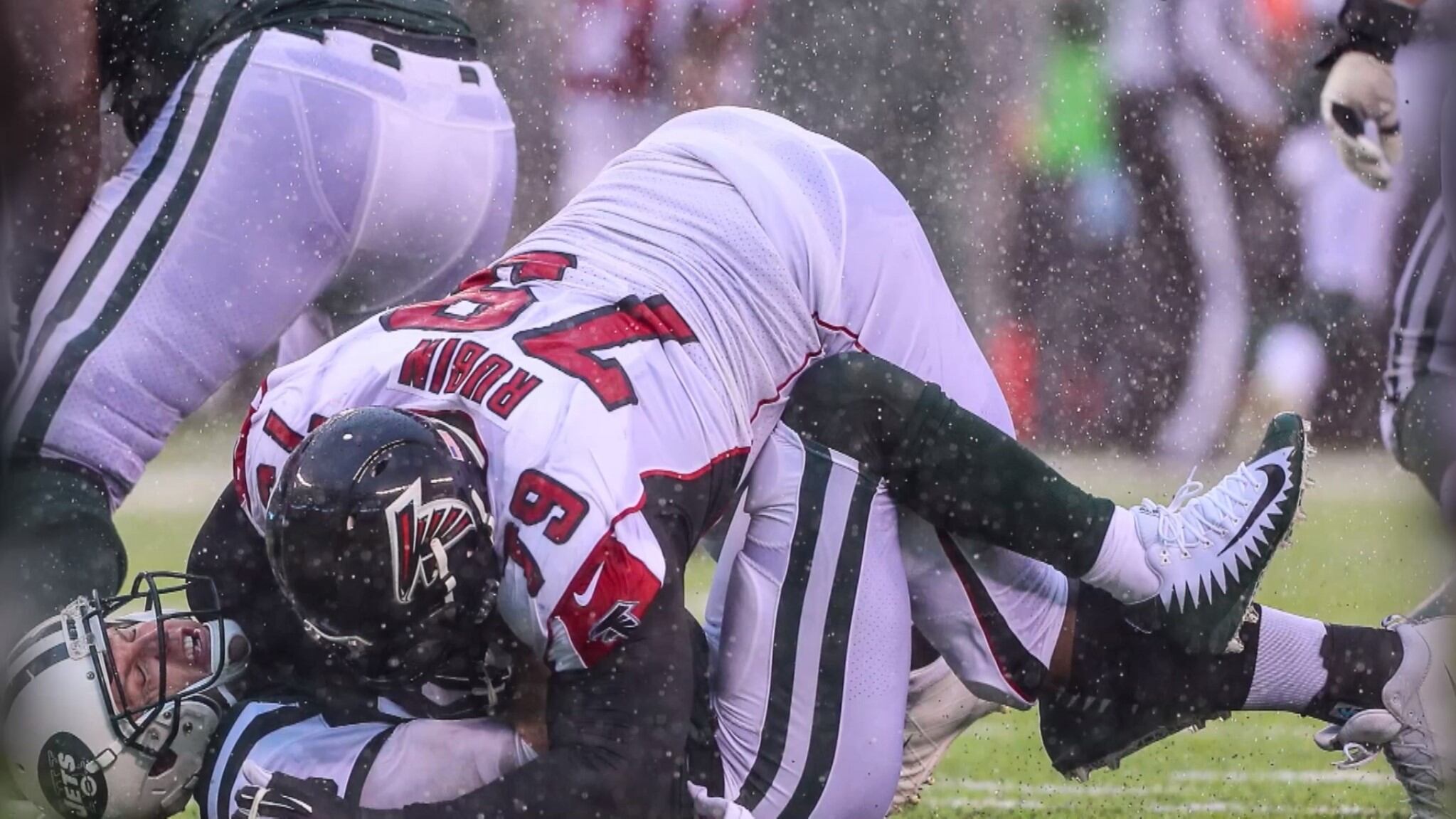
Millions of people around the world are getting ready for the Super Bowl on Sunday. And while the day is all fun and games, there's still a serious discussion happening about player safety. Now, two leading sports brands have teamed up to design new, state-of-the-art equipment using 3D printing. Joe DeSimone, co-founder and CEO of Carbon, stopped by Cheddar with more on how technology is making football more safe, head to toe.
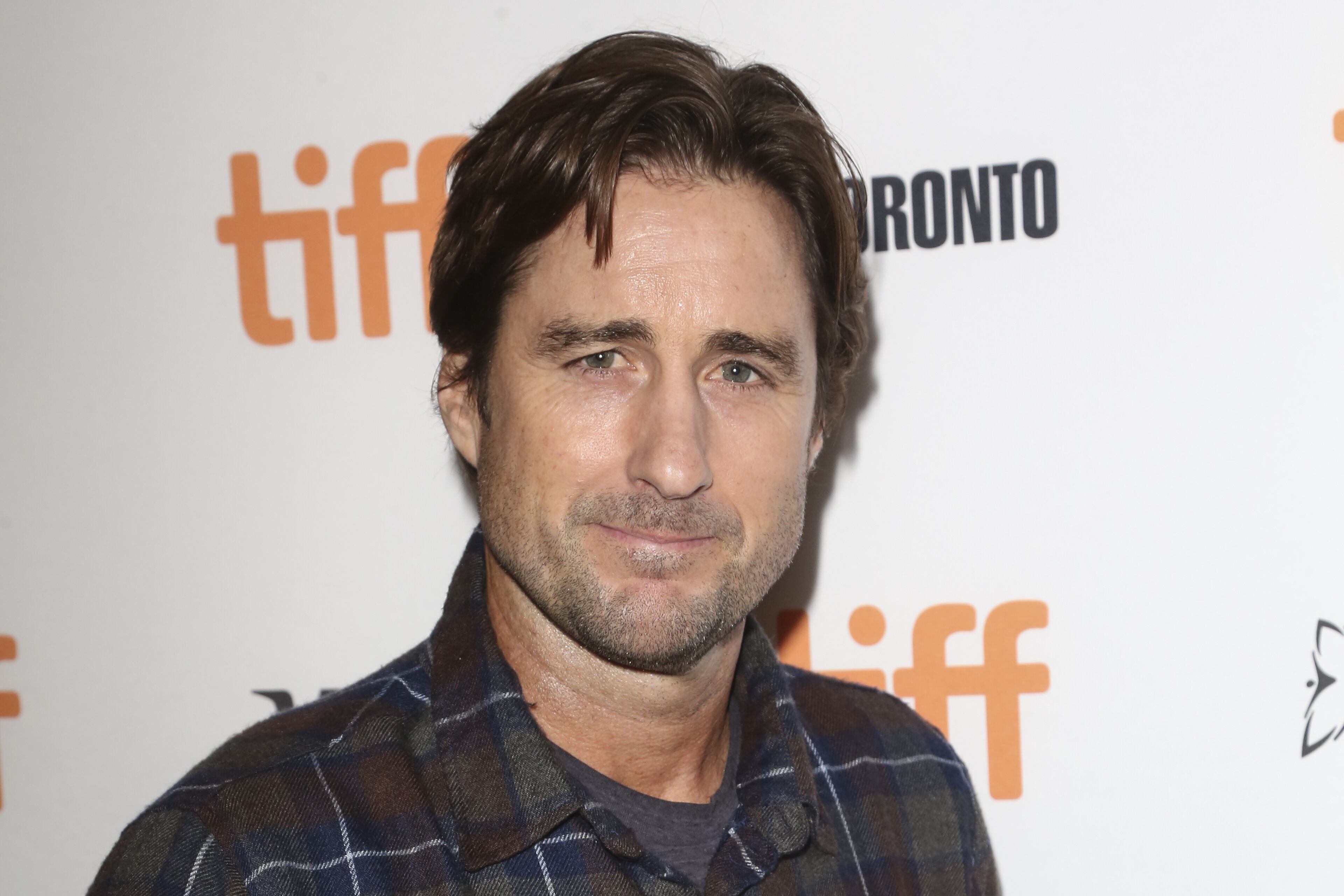
Luke Wilson is taking a short break from Hollywood. A commercial break. The "Rushmore" and "Old School" actor is starring in his first Super Bowl commercial, and he says the 30-second Colgate spot will probably get more views than any of his movies. "I think more people will see this than any movie I've ever been in for sure," Wilson told Cheddar on Friday.
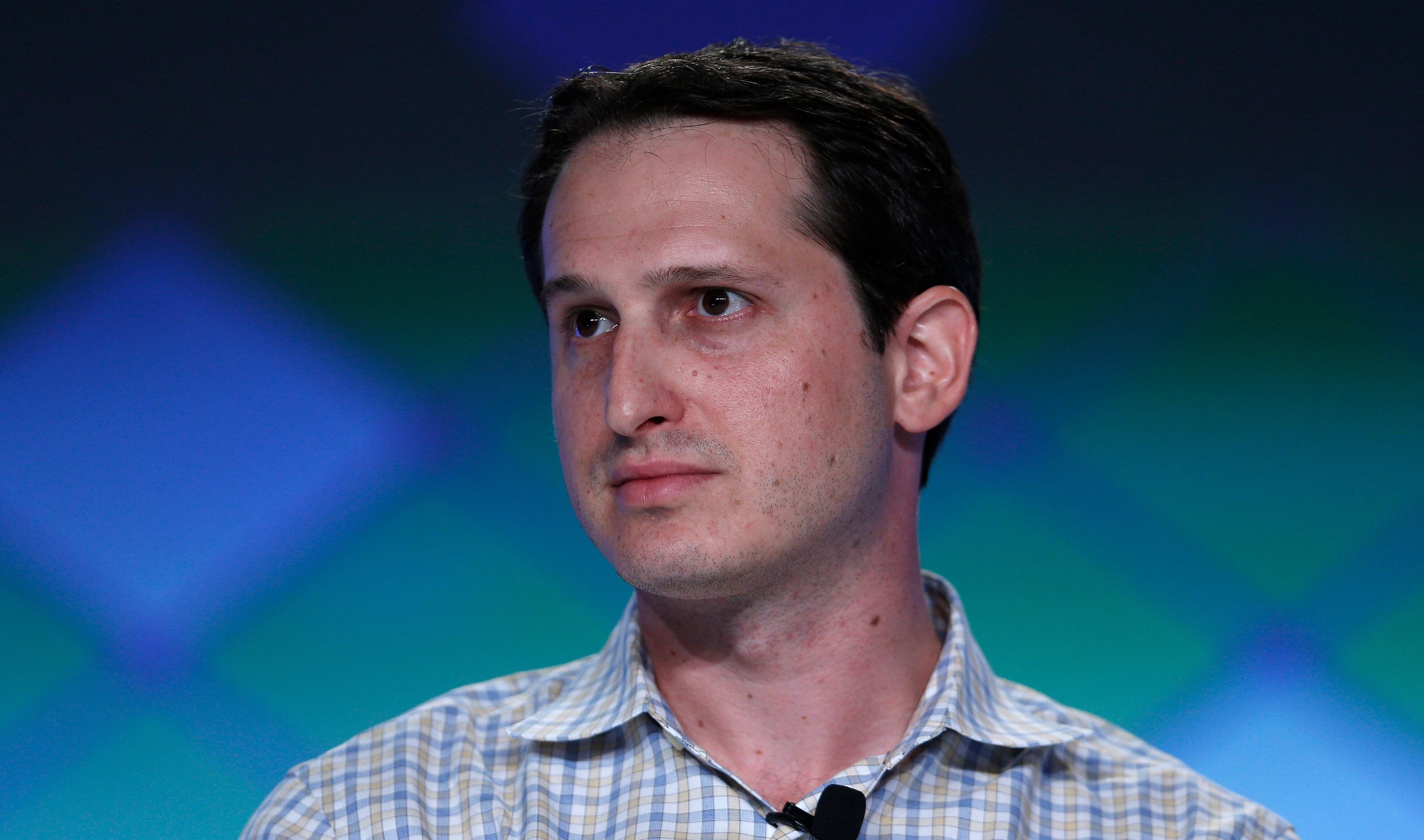
Draftkings CEO Jason Robins told Cheddar that New Jersey residents alone could wager as much as $100 million on the Super Bowl, the first time sports betting will be legal there for the big game.
Although it has 3 million customers, home security company SimpliSafe isn’t a household name yet. It’s hoping that will change on Sunday after its first Super Bowl ad airs.“In a market where people are trying to lock you in a contract or harvest your data, we’re trying to keep you safe,” brand creative director Wade Devers told Cheddar. “There aren’t really a lot of places you can reach the number of people you can reach like the Super Bowl.”
These are the headlines you Need 2 Know for Friday, Feb. 1, 2019.
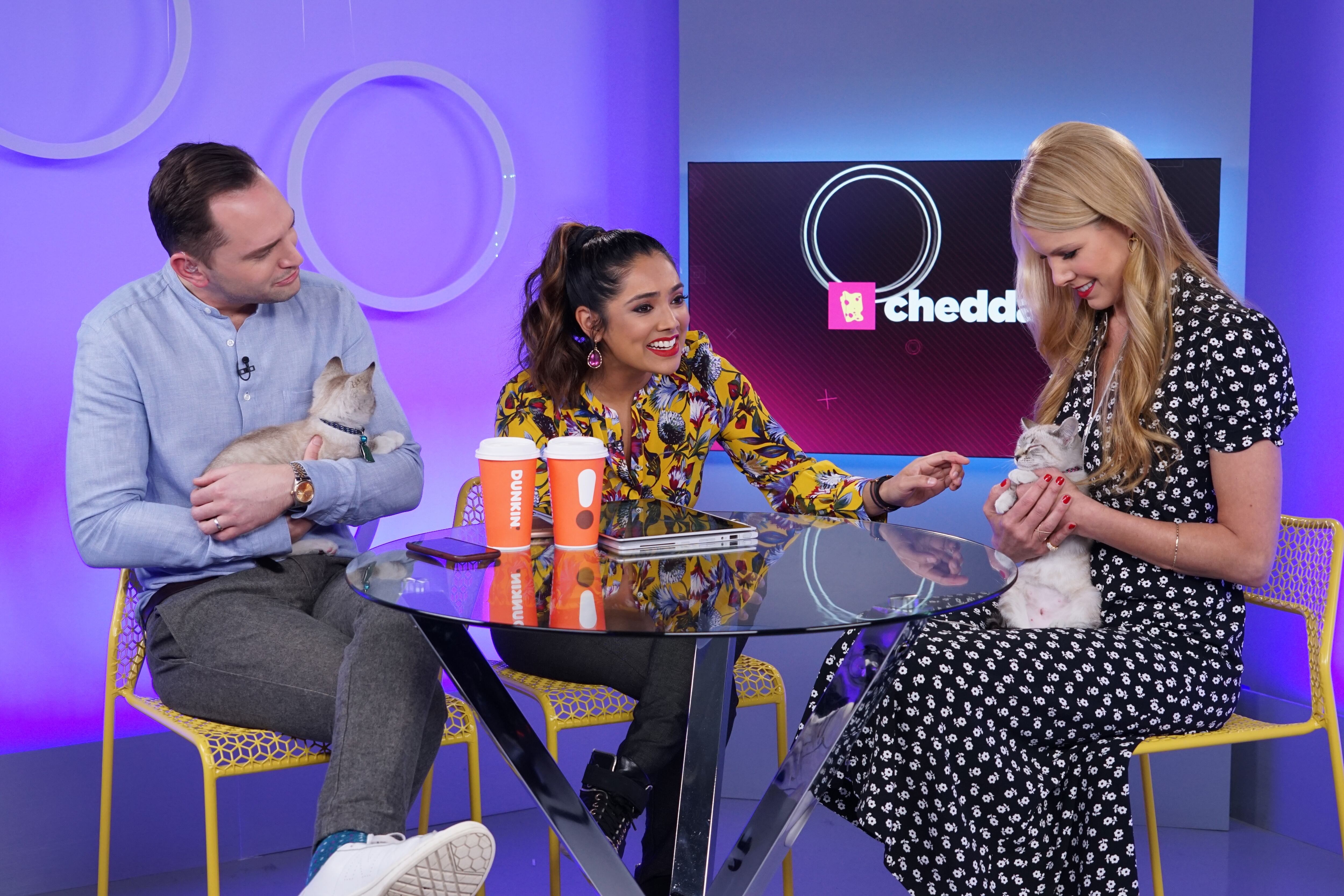
On Super Bowl Sunday, the Hallmark Channel will be home to the sixth annual Kitten Bowl, the annual matchup of cat-letes held to benefit the North Shore Animal League. Beth Stern, host of the Kitten Bowl and spokesperson for North Shore (and wife to Howard), brought a pair of 12-week Siamese kittens to Cheddar Thursday to help promote a new event this year: the first-ever Cat Bowl.
These are the headlines you Need 2 Know for Wednesday, Jan. 30, 2019.
Super Bowl Sunday is the ー well ー Super Bowl of building brand awareness, particularly for food and beverage companies. This year, Pepsi and Frito-Lay, both units of PepsiCO ($PEP), are once again among the snack giants planning to use the 100 million-plus members of the expected television audience to launch new products and elevate brands in their respective portfolios. Frito-Lay CMO Jen Saenz spoke to Cheddar Tuesday alongside Greg Lyons, the CMO for Pepsi, which is known for its Super Bowl ads and social media engagement tied to the Big Game.