A closed shopping mall is seen in Lima, Ohio on March 24, 2020 amidst the coronavirus pandemic. (Photo by Megan JELINGER/Anadolu Agency via Getty Images)
By Christopher Rugaber
A record-long streak of U.S. job growth ended suddenly in March after nearly a decade as employers cut 701,000 jobs because of the viral outbreak that's all but shut down the U.S. economy. The unemployment rate jumped to 4.4% from a 50-year low of 3.5%.
Last month's actual job loss was likely even larger because the government surveyed employers before the heaviest layoffs hit in the past two week. Nearly 10 million Americans applied for unemployment benefits in the last two weeks of March, far exceeding the figure for any corresponding period on record.
Virus-induced shutdowns have forced widespread layoffs throughout the economy, from hotels, restaurants and movie theaters to auto factories, department stores and administrative offices.
One sign of how painfully deep the job losses will likely prove to be: During its nearly decade-long hiring streak, the U.S. economy added 22.8 million jobs. Economists expect the April jobs report being released in early May to show that all those jobs will have been lost.
Alexander Reed, CFA and CIO for Envisage Wealth, breaks down why he thinks rates could stay higher for longer and why real estate, utilities, and regional banks are sectors to avoid.
Big brands that have relied on TikTok videos to reach younger consumers do not appear to be panicking as they wait to see what happens. But they have started planning.
It's been 15 years since the last fatal crash of a U.S. airliner, but you wouldn't know that from a torrent of flight problems that made news in the last three months.
Abortion opponents want the high court to ratify a ruling from a conservative federal appeals court that would limit access to a medication called mifepristone, which was used in nearly two-thirds of abortions last year.
Annie Chechitelli, chief product officer at Turnitin, breaks down how students and teachers alike can learn from artificial intelligence – while still maintaining academic integrity.
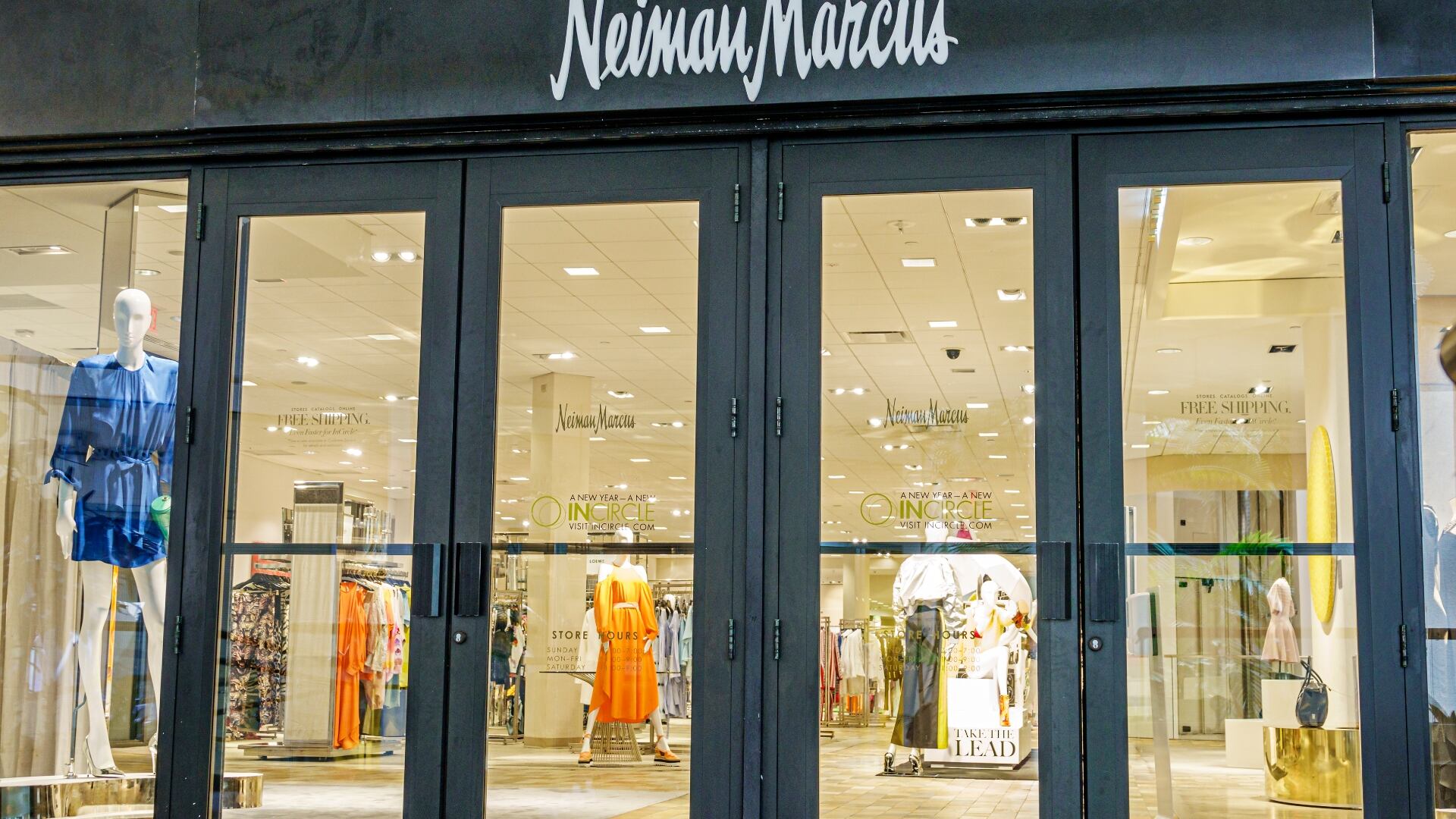
Neiman Marcus Group CEO Geoffroy van Raemdonck talks luxury shopping and TikTok, why the company prefers to be private for now, and the benefits of flexible work arrangements.
Rebecca Walser, founder and CEO of Walser Wealth Management, discusses how geopolitical conditions, the bifurcated economy, and other volatility could weigh on markets.