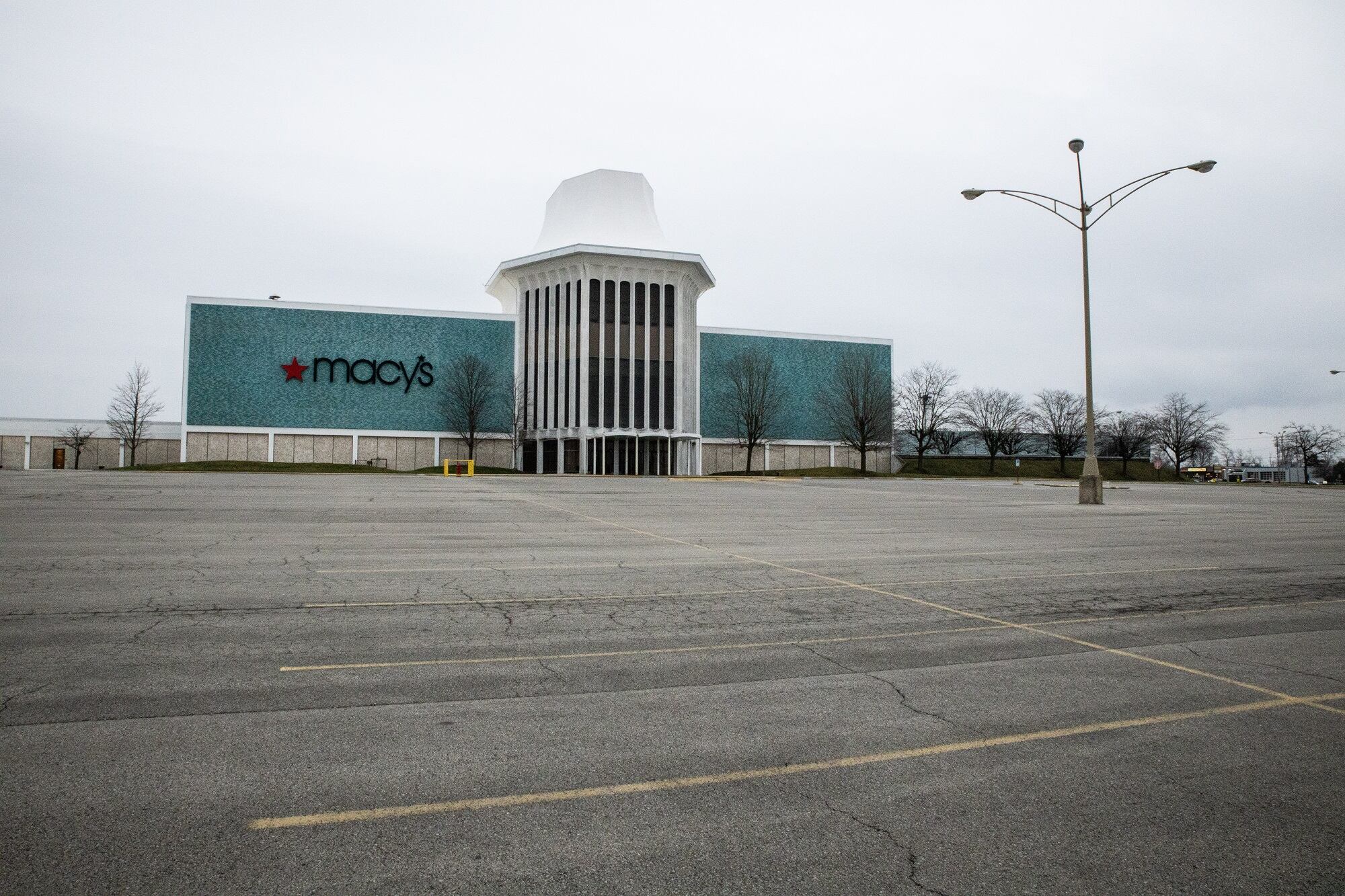
A closed shopping mall is seen in Lima, Ohio on March 24, 2020 amidst the coronavirus pandemic. (Photo by Megan JELINGER/Anadolu Agency via Getty Images)
By Christopher Rugaber
A record-long streak of U.S. job growth ended suddenly in March after nearly a decade as employers cut 701,000 jobs because of the viral outbreak that's all but shut down the U.S. economy. The unemployment rate jumped to 4.4% from a 50-year low of 3.5%.
Last month's actual job loss was likely even larger because the government surveyed employers before the heaviest layoffs hit in the past two week. Nearly 10 million Americans applied for unemployment benefits in the last two weeks of March, far exceeding the figure for any corresponding period on record.
Virus-induced shutdowns have forced widespread layoffs throughout the economy, from hotels, restaurants and movie theaters to auto factories, department stores and administrative offices.
One sign of how painfully deep the job losses will likely prove to be: During its nearly decade-long hiring streak, the U.S. economy added 22.8 million jobs. Economists expect the April jobs report being released in early May to show that all those jobs will have been lost.
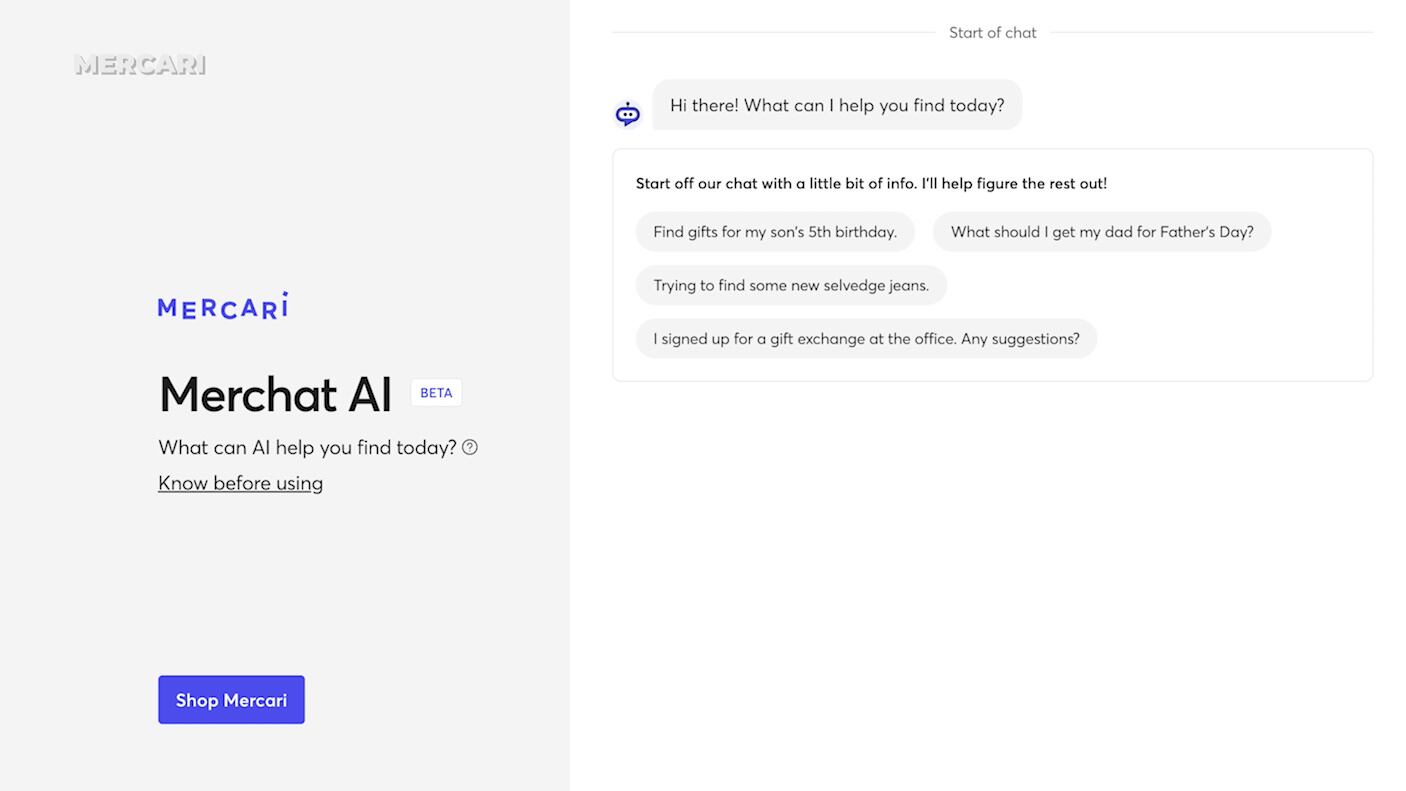
Resale platforms do big business – and Mercari just became the first in the U.S. to eliminate all fees for sellers and completely changed how returns work on its platform.
e.l.f.’s affordable price point and makeup and skincare options made it a social media darling – and the company’s CEO says the company even gets product ideas from its audience.
Nearly 40% of Americans choose travel over financial stability, funding trips on credit and sacrificing other budget line items to take a vacation — because live fast or die trying.
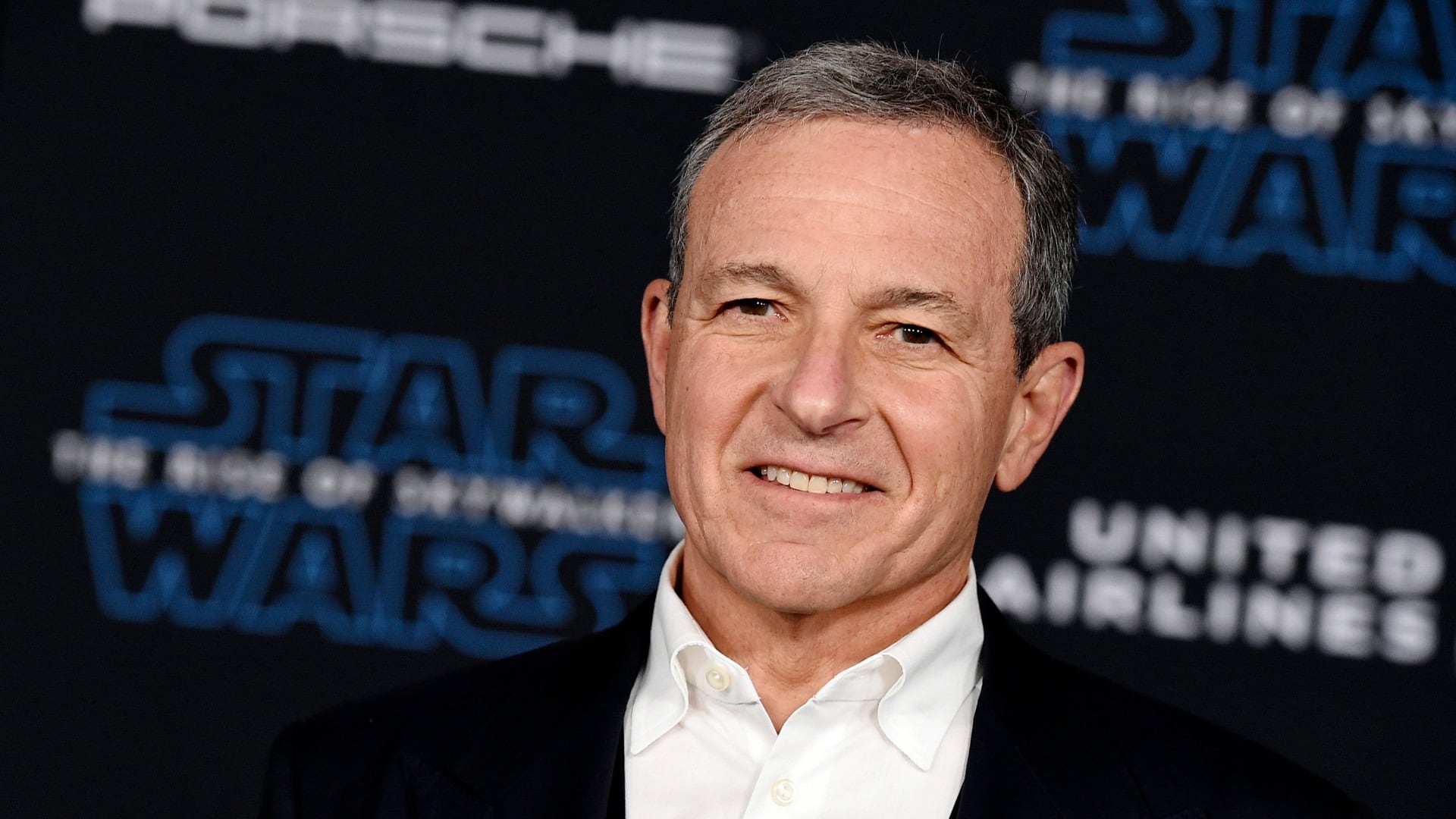
Disney shareholders have rallied behind longtime CEO Robert Iger. They voted Wednesday to rebuff activist investor Nelson Peltz and his ally, former Disney chief financial officer Jay Rasulo.
Student loan borrowers have the ability to earn retirement funds pegged to their payments – and the company Summer might be bringing it to your workplace.
It might not be what investors want to hear… but bringing down inflation could mean interest rates stay higher for (even) longer. But it's not all downside.