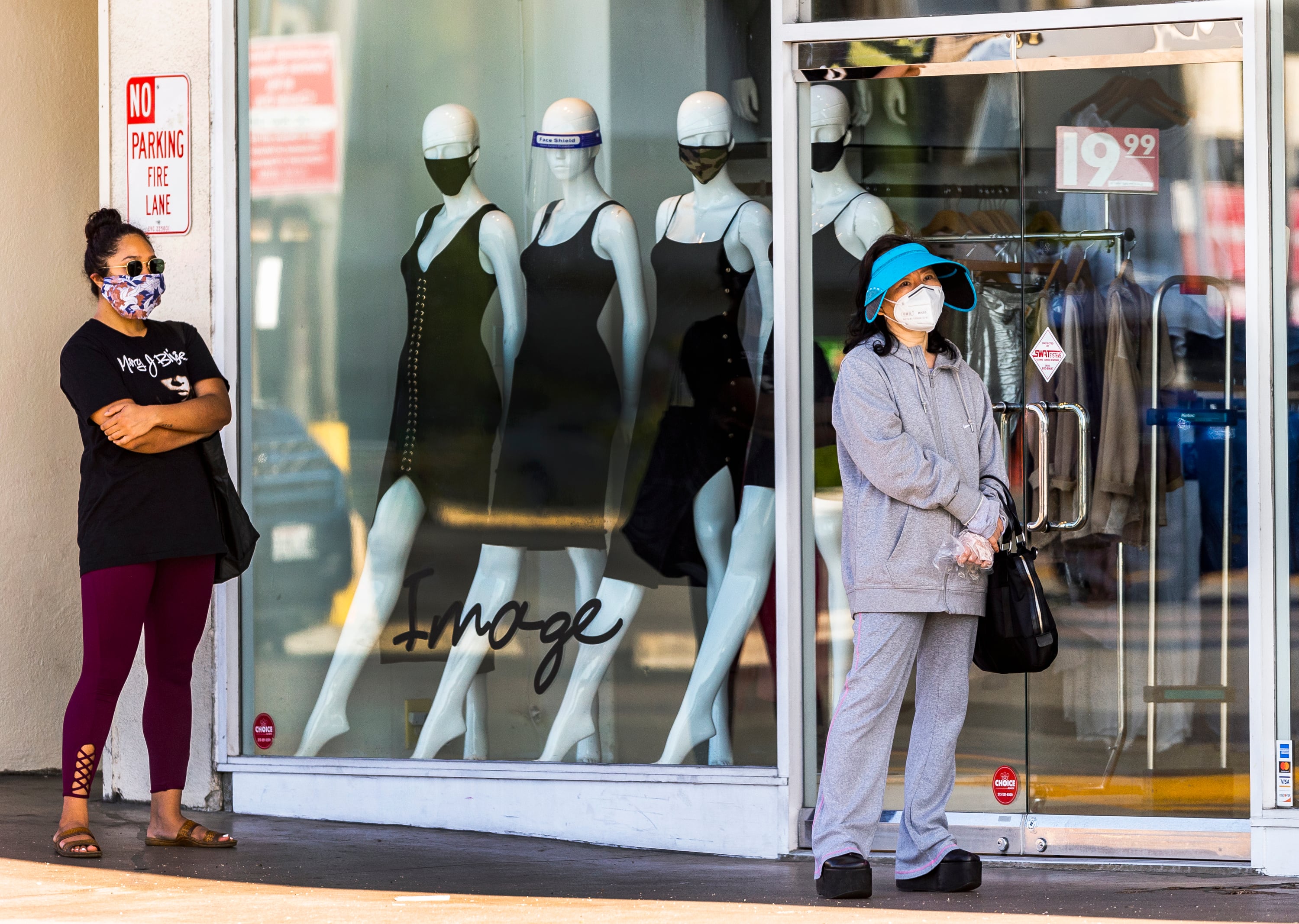
Patrons stand on line next to a fashion store, as they wait their turn to shop at Whole Foods Market in Los Angeles ib Thursday, May 14, 2020. Leaving home in Los Angeles now requires bringing a face covering, part of the price for reopening more businesses and activities in America's second-largest city. Mayor Eric Garcetti said everyone must carry the coverings when they go outdoors and wear them when they are around people from outside their households. (AP Photo/Damian Dovarganes)
By Josh Boak
U.S. retail sales tumbled by a record 16.4% from March to April as business shutdowns caused by the coronavirus kept shoppers away, threatened stores across the country and weighed down a sinking economy.
The Commerce Department’s report Friday on retail purchases showed a sector that has collapsed so quickly that sales over the past 12 months are down a crippling 21.6%.
The sharpest drops from March to April were at clothiers, electronics stores, furniture stores and restaurants. A long-standing migration of consumers toward online purchases is accelerating, with that segment posting an 8.4% monthly gain. Measured year over year, online sales surged 21.6%.
For a retail sector already reeling from the migration of consumers to online shopping and to app-based delivery services, a back-to-back free-fall in spending poses a grave risk. Department stores like Neiman Marcus and J.Crew have filed for bankruptcy protection. Hotels, restaurants and auto dealerships are in danger.
An April analysis by a group of academic economists found that a one-month closure could wipe out 31% of non-grocer retailers. A four-month closure could force 65% to close.
The plunge in retail spending is a key reason why the U.S. economy is contracting. Purchases at retailers are a major component of overall consumer spending, which fuels about 70% of economic growth.
Other than online, not a single retail category was spared in April. Auto dealers suffered a monthly drop of 13%. Furniture stores absorbed a 59% plunge. Electronics and appliance stores were down more than 60%.
Retailers that sell building materials posted a drop of more than 3%. After panic buying in March, grocery sales fell 13%.
Clothing-store sales tumbled 79%, department stores 29%. Restaurants, some of which are already starting to close permanently, endured a nearly 30% decline despite shifting aggressively to takeout and delivery orders.
With few Americans shopping, traveling, eating out or otherwise spending normally, economists are projecting that the gross domestic product — the broadest gauge of economic activity — is shrinking in the April-June quarter at a roughly 40% annual rate. That would be the deepest quarterly drop on record.
Spending tracked by Opportunity Insights suggests that consumer spending might have bottomed out around mid-April before beginning to tick up slightly, at least in the clothing and general merchandise categories. But spending on transportation, restaurants, hotels and arts and entertainment remains severely depressed.
Credit card purchases tracked by JPMorgan Chase found that spending on such necessities as groceries, fuel, phone service and auto repair declined 20% on a year-over-year basis. By contrast, spending on “non-essentials,” such as meals out, airfare and personal services like salons or yoga classes, plummeted by a much worse 50%.
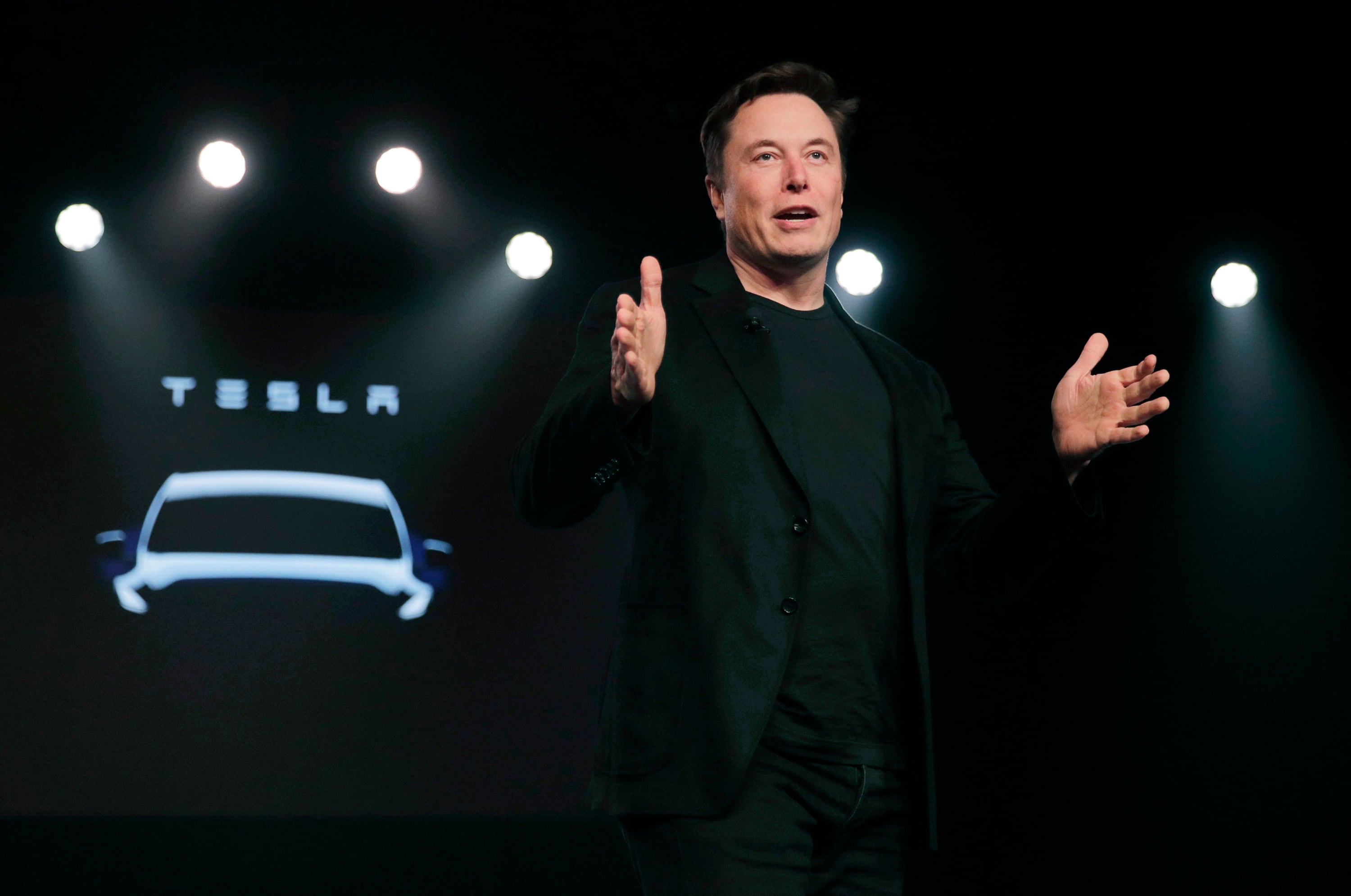
The State Department had been in talks with Elon Musk’s Tesla company to buy armored electric vehicles, but the plans have been put on hold by the Trump administration after reports emerged about a potential $400 million purchase. A State Department spokesperson said the electric car company owned by Musk was the only one that expressed interest back in May 2024. The deal with Tesla was only in its planning phases but it was forecast to be the largest contract of the year. It shows how some of his wealth has come and was still expected to come from taxpayers.
At 100 years old, the Goodyear Blimp is an ageless star in the sky. The 246-foot-long airship will be in the background of the Daytona 500 — flying roughly 1,500 feet above Daytona International Speedway, actually — to celebrate its greatest anniversary tour. Even though remote camera technologies are improving regularly and changing the landscape of aerial footage, the blimp continues to carve out a niche. At Daytona, with the usual 40-car field racing around a 2½-mile superspeedway, views from the blimp aptly provide the scope of the event.
You'll just have to wait for interest rates (and prices) to go down. Plus, this deal's a steel, the big carmaker wedding is off, and bribery is back, baby!
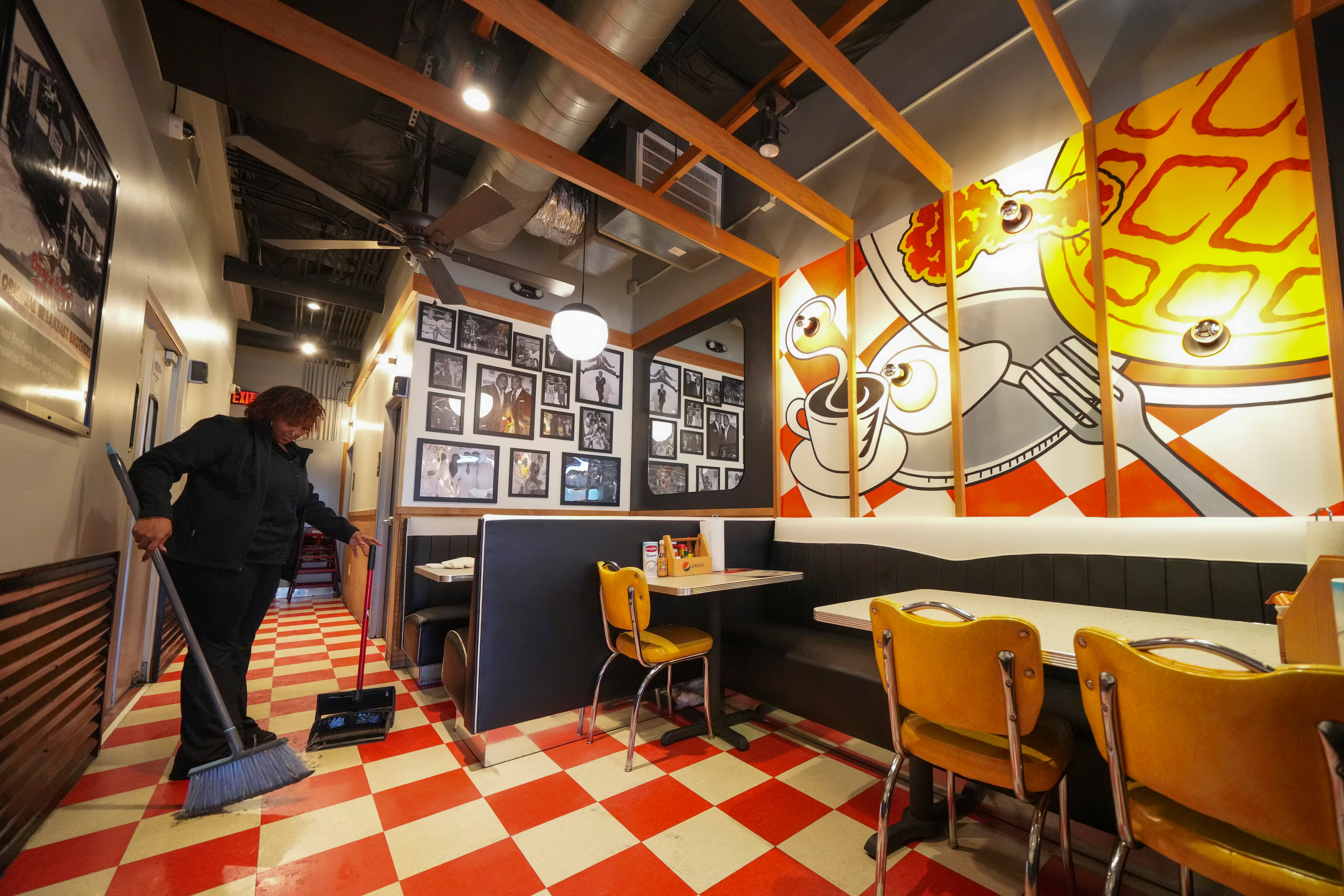
It’s a chicken-and-egg problem: Restaurants are struggling with record-high U.S. egg prices, but their omelets, scrambles and huevos rancheros may be part of the problem. Breakfast is booming at U.S. eateries. First Watch, a restaurant chain that serves breakfast, brunch and lunch, nearly quadrupled its locations over the past decade to 570. Fast-food chains like Starbucks and Wendy's added more egg-filled breakfast items. In normal times, egg producers could meet the demand. But a bird flu outbreak that has forced them to slaughter their flocks is making supplies scarcer and pushing up prices. Some restaurants like Waffle House have added a surcharge to offset their costs.
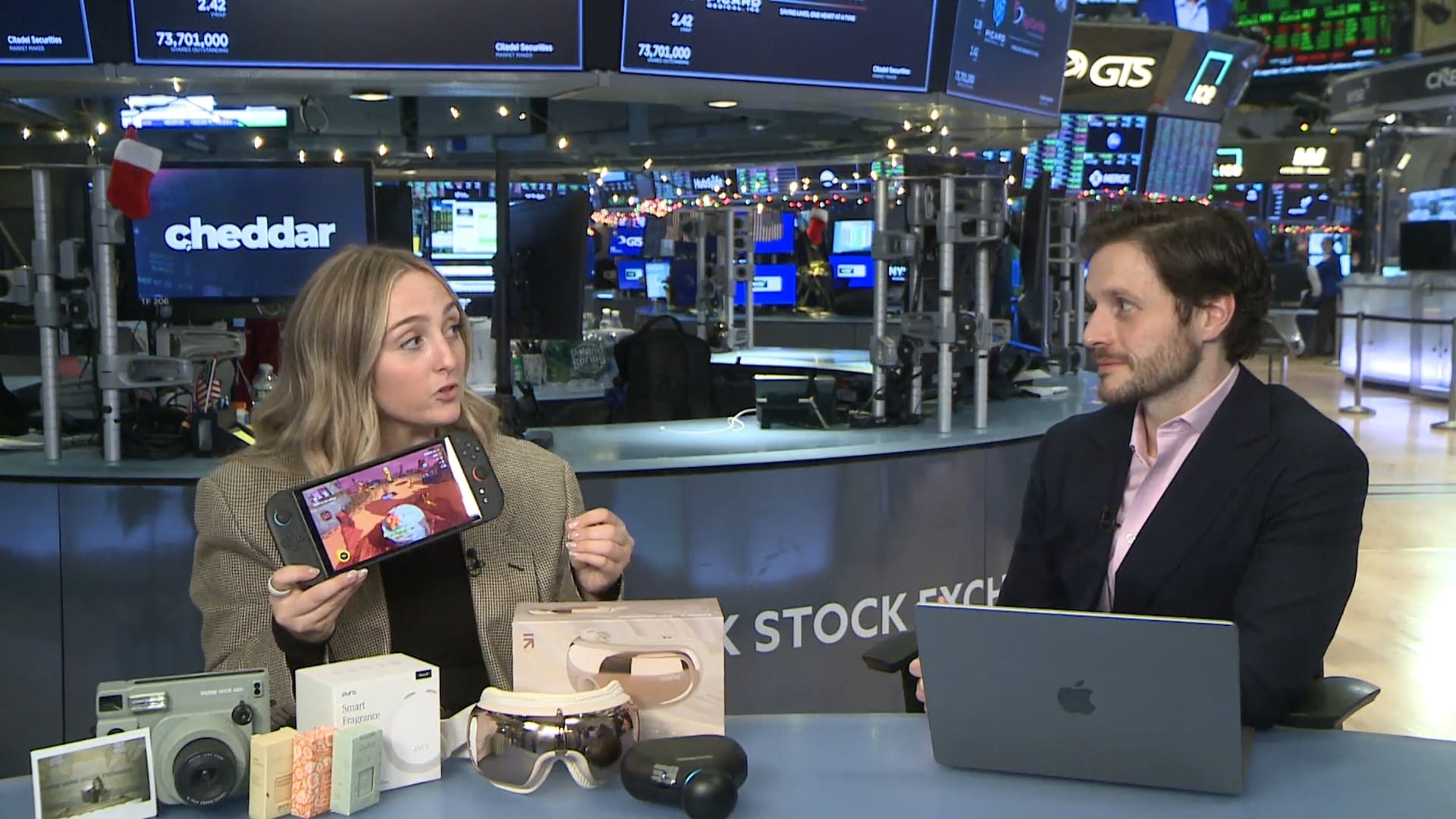
William Falcon, CEO and Founder of Lightning AI, discusses the ongoing feud between Elon Musk and Sam Altman, and how everyday people can use AI in their lives.
U.S. tariffs on steel and aluminum “will not go unanswered,” European Union chief Ursula von der Leyen vowed on Tuesday, adding that they will trigger toug
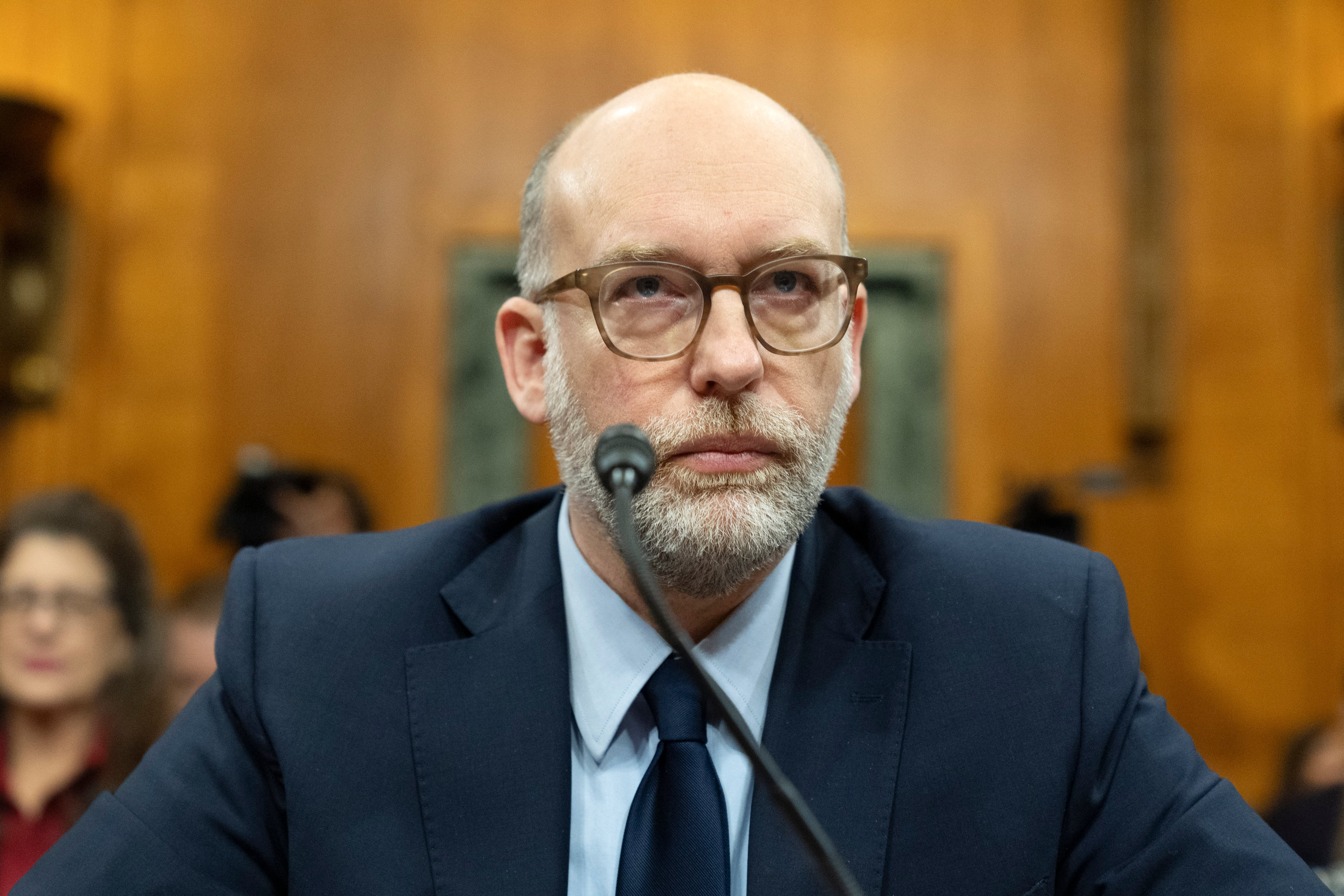
The Trump administration has ordered the Consumer Financial Protection Bureau to stop nearly all its work, effectively shutting down the agency that was created to protect consumers after the 2008 financial crisis and subprime mortgage-lending scandal. Russell Vought is the newly installed director of the Office of Management and Budget. Vought directed the CFPB in a Saturday night email to stop work on proposed rules, to suspend the effective dates on any rules that were finalized but not yet effective, and to stop investigative work and not begin any new investigations. The agency has been a target of conservatives since President Barack Obama created it following the 2007-2008 financial crisis.