By Josh Boak
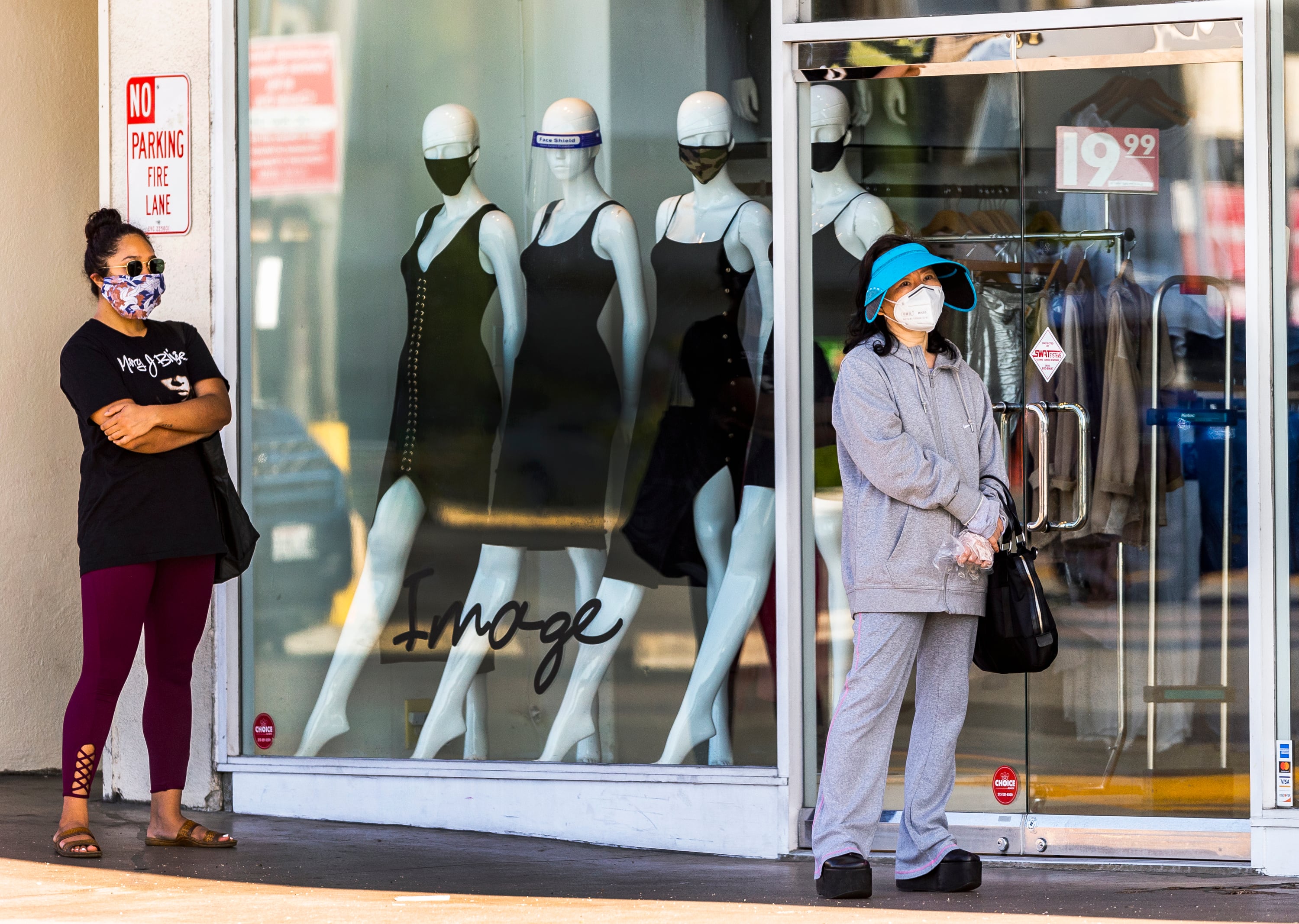
U.S. retail sales tumbled by a record 16.4% from March to April as business shutdowns caused by the coronavirus kept shoppers away, threatened stores across the country and weighed down a sinking economy.
The Commerce Department’s report Friday on retail purchases showed a sector that has collapsed so quickly that sales over the past 12 months are down a crippling 21.6%.
The sharpest drops from March to April were at clothiers, electronics stores, furniture stores and restaurants. A long-standing migration of consumers toward online purchases is accelerating, with that segment posting an 8.4% monthly gain. Measured year over year, online sales surged 21.6%.
For a retail sector already reeling from the migration of consumers to online shopping and to app-based delivery services, a back-to-back free-fall in spending poses a grave risk. Department stores like Neiman Marcus and J.Crew have filed for bankruptcy protection. Hotels, restaurants and auto dealerships are in danger.
An April analysis by a group of academic economists found that a one-month closure could wipe out 31% of non-grocer retailers. A four-month closure could force 65% to close.
The plunge in retail spending is a key reason why the U.S. economy is contracting. Purchases at retailers are a major component of overall consumer spending, which fuels about 70% of economic growth.
Other than online, not a single retail category was spared in April. Auto dealers suffered a monthly drop of 13%. Furniture stores absorbed a 59% plunge. Electronics and appliance stores were down more than 60%.
Retailers that sell building materials posted a drop of more than 3%. After panic buying in March, grocery sales fell 13%.
Clothing-store sales tumbled 79%, department stores 29%. Restaurants, some of which are already starting to close permanently, endured a nearly 30% decline despite shifting aggressively to takeout and delivery orders.
With few Americans shopping, traveling, eating out or otherwise spending normally, economists are projecting that the gross domestic product — the broadest gauge of economic activity — is shrinking in the April-June quarter at a roughly 40% annual rate. That would be the deepest quarterly drop on record.
Spending tracked by Opportunity Insights suggests that consumer spending might have bottomed out around mid-April before beginning to tick up slightly, at least in the clothing and general merchandise categories. But spending on transportation, restaurants, hotels and arts and entertainment remains severely depressed.
Credit card purchases tracked by JPMorgan Chase found that spending on such necessities as groceries, fuel, phone service and auto repair declined 20% on a year-over-year basis. By contrast, spending on “non-essentials,” such as meals out, airfare and personal services like salons or yoga classes, plummeted by a much worse 50%.
Ford is recalling more than 355,000 of its pickup trucks across the U.S. because of an instrument panel display failure that’s resulted in critical information, like warning lights and vehicle speed, not showing up on the dashboard.
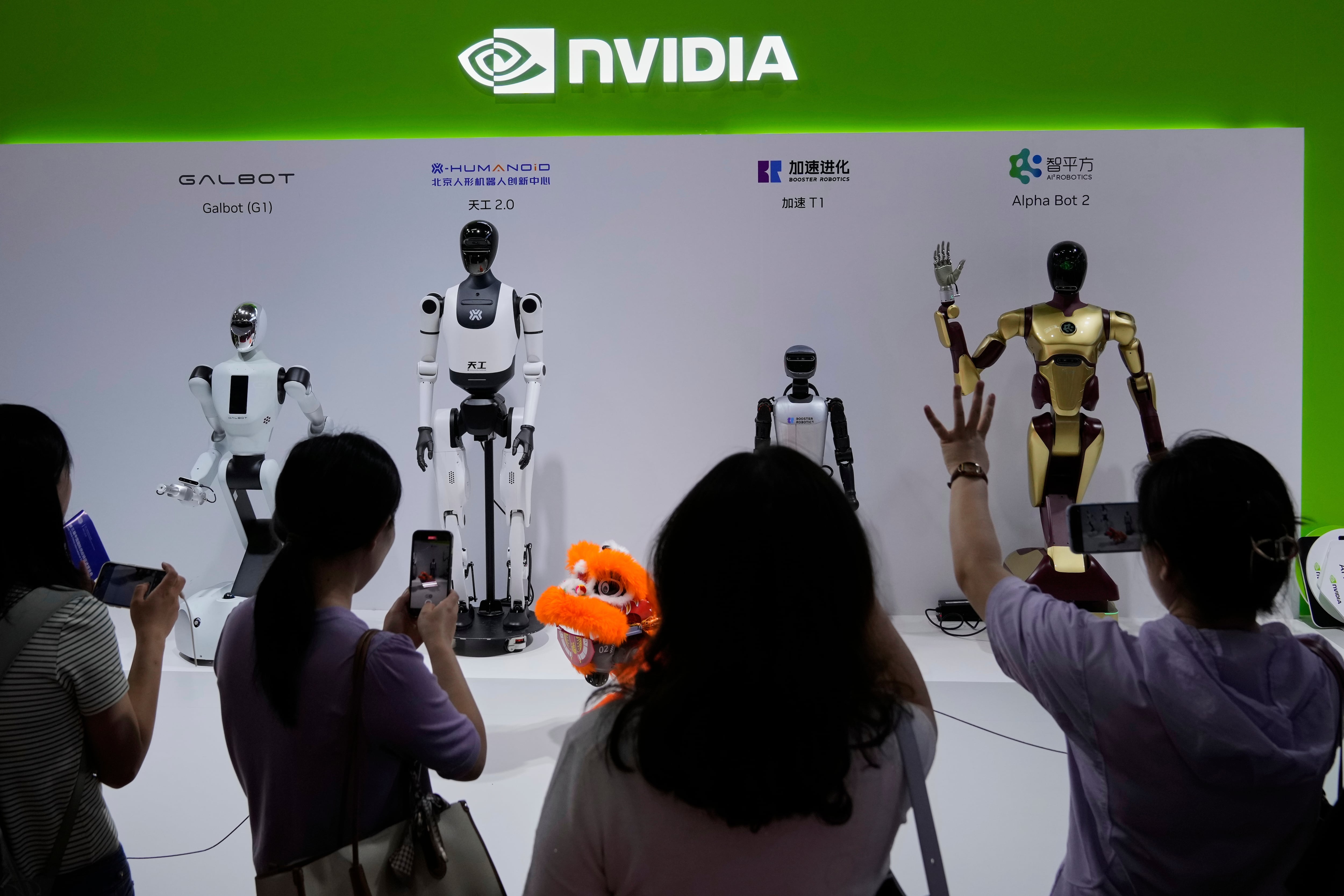
Nvidia reported a 56% increase in second-quarter revenue and a 59% rise in net income compared to a year ago.
The Rev. Al Sharpton is set to lead a protest march on Wall Street to urge corporate America to resist the Trump administration’s campaign to roll back diversity, equity and inclusion initiatives. The New York civil rights leader will join clergy, labor and community leaders Thursday in a demonstration through Manhattan’s Financial District that’s timed with the anniversary of the Civil Rights-era March on Washington in 1963. Sharpton called DEI the “civil rights fight of our generation." He and other Black leaders have called for boycotting American retailers that scaled backed policies and programs aimed at bolstering diversity and reducing discrimination in their ranks.
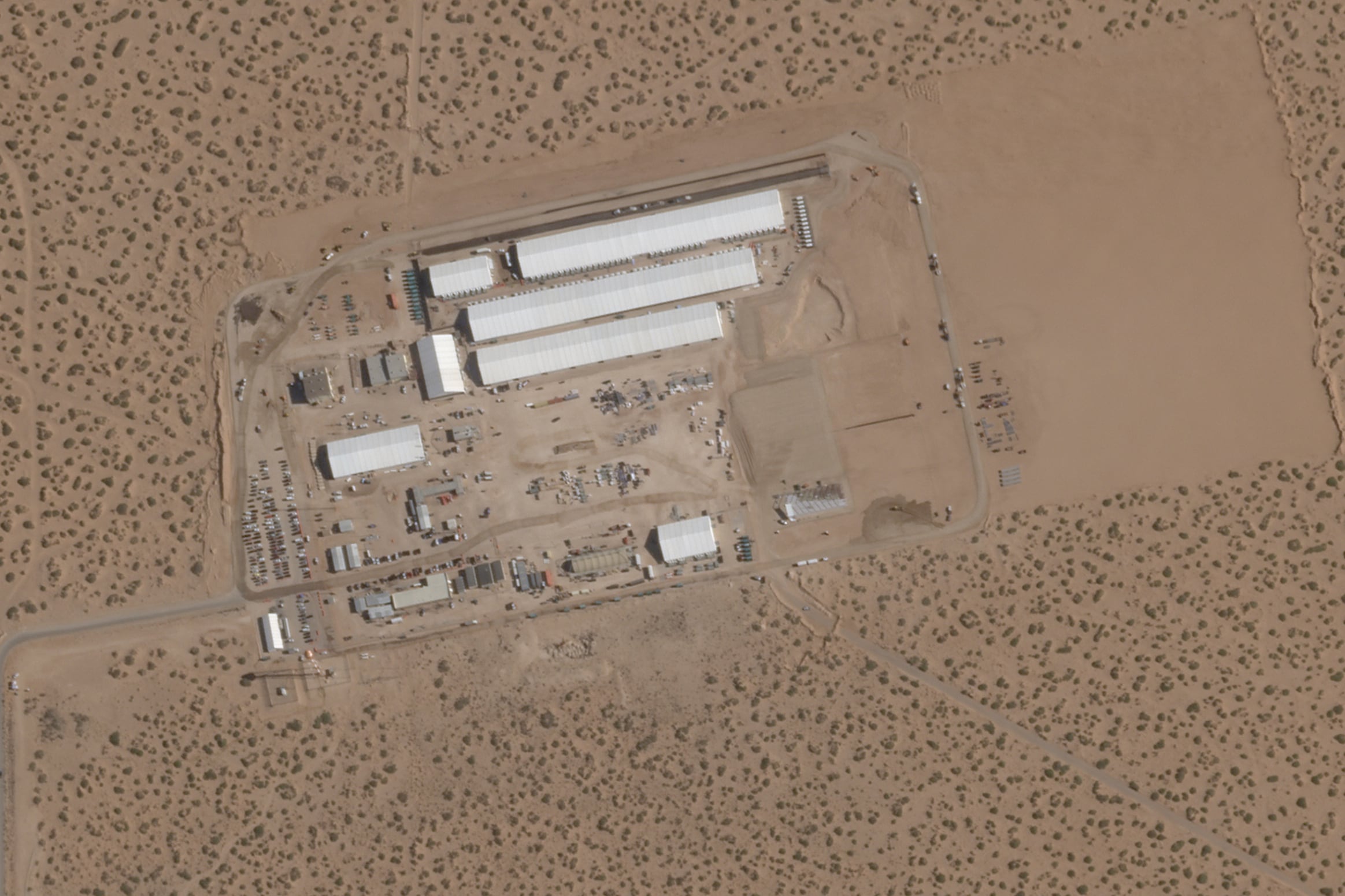
President Donald Trump's administration last month awarded a $1.2 billion contract to build and operate what's expected to become the nation’s largest immigration detention complex to a tiny Virginia firm with no experience running correction facilities.
Netflix CEO Ted Sarandos claims audiences don't want to watch Netflix movies in theaters, but that seems not to be the case recently.
Chipmaker Nvidia is poised to release a quarterly report that could provide a better sense of whether the stock market has been riding an overhyped artificial intelligence bubble or is being propelled by a technological boom that’s still gathering momentum.
Cracker Barrel said late Tuesday it’s returning to its old logo after critics — including President Donald Trump — protested the company’s plan to modernize.
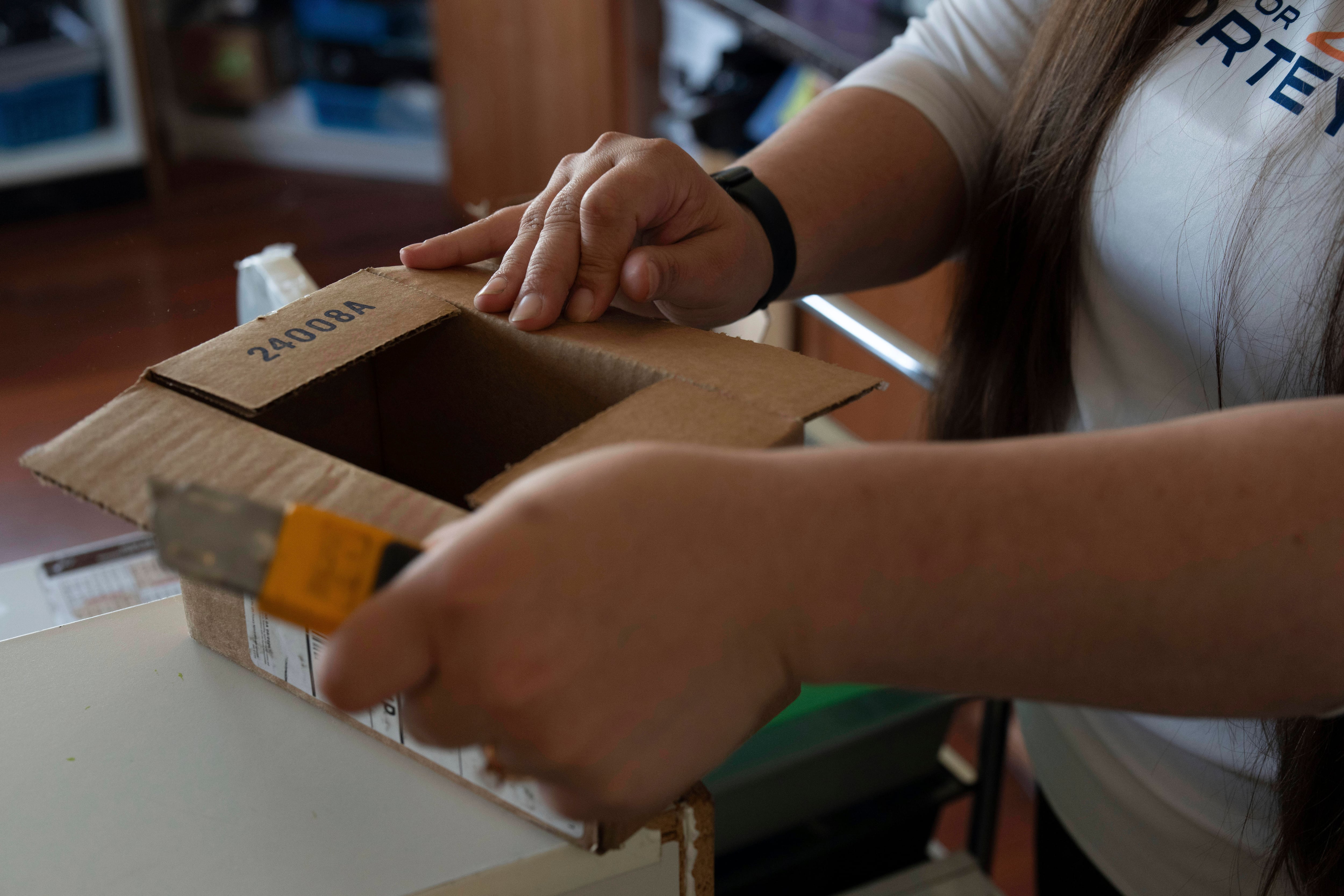
Low-value imports are losing their duty-free status in the U.S. this week as part of President Donald Trump's agenda for making the nation less dependent on foreign goods. A widely used customs exemption for international shipments worth $800 or less is set to end starting on Friday. Trump already ended the “de minimis” rule for inexpensive items sent from China and Hong Kong, but having to pay import taxes on small parcels from everywhere else likely will be a big change for some small businesses and online shoppers. Purchases that previously entered the U.S. without needing to clear customs will be subject to the origin country’s tariff rate, which can range from 10% to 50%.
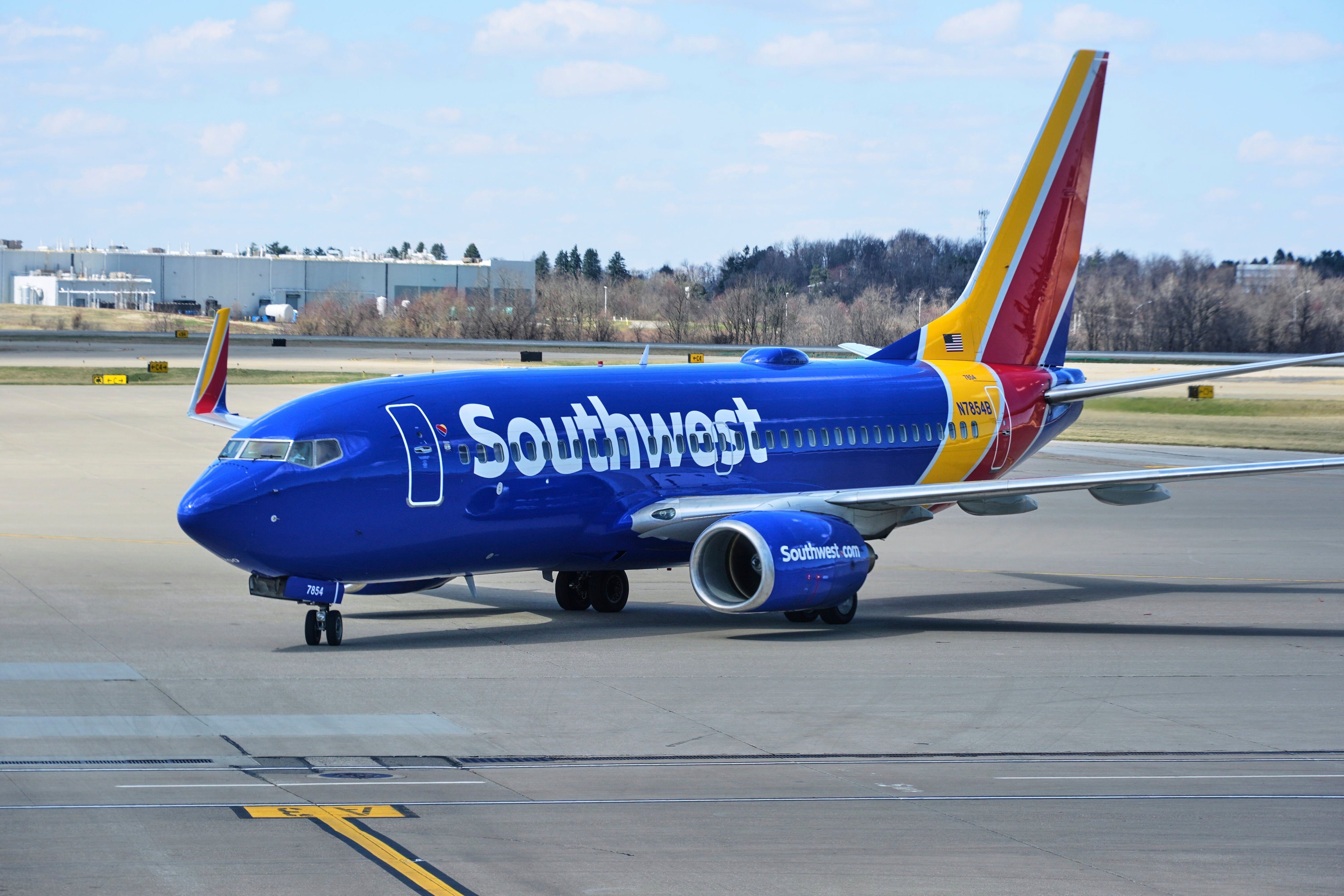
Southwest Airlines will soon require plus-size travelers to pay for an extra seat in advance if they can't fit within the armrests of one seat. This change is part of several updates the airline is making. The new rule starts on Jan. 27, the same day Southwest begins assigning seats. Currently, plus-size passengers can pay for an extra seat in advance and later get a refund, or request a free extra seat at the airport. Under the new policy, refunds are still possible but not guaranteed. Southwest said in a statement it is updating policies to prepare for assigned seating next year.
Cracker Barrel is sticking with its new logo. For now. But the chain is also apologizing to fans who were angered when the change was announced last week.