Tylenol maker rebounds a day after unfounded claims about its safety
By Michelle Chapman
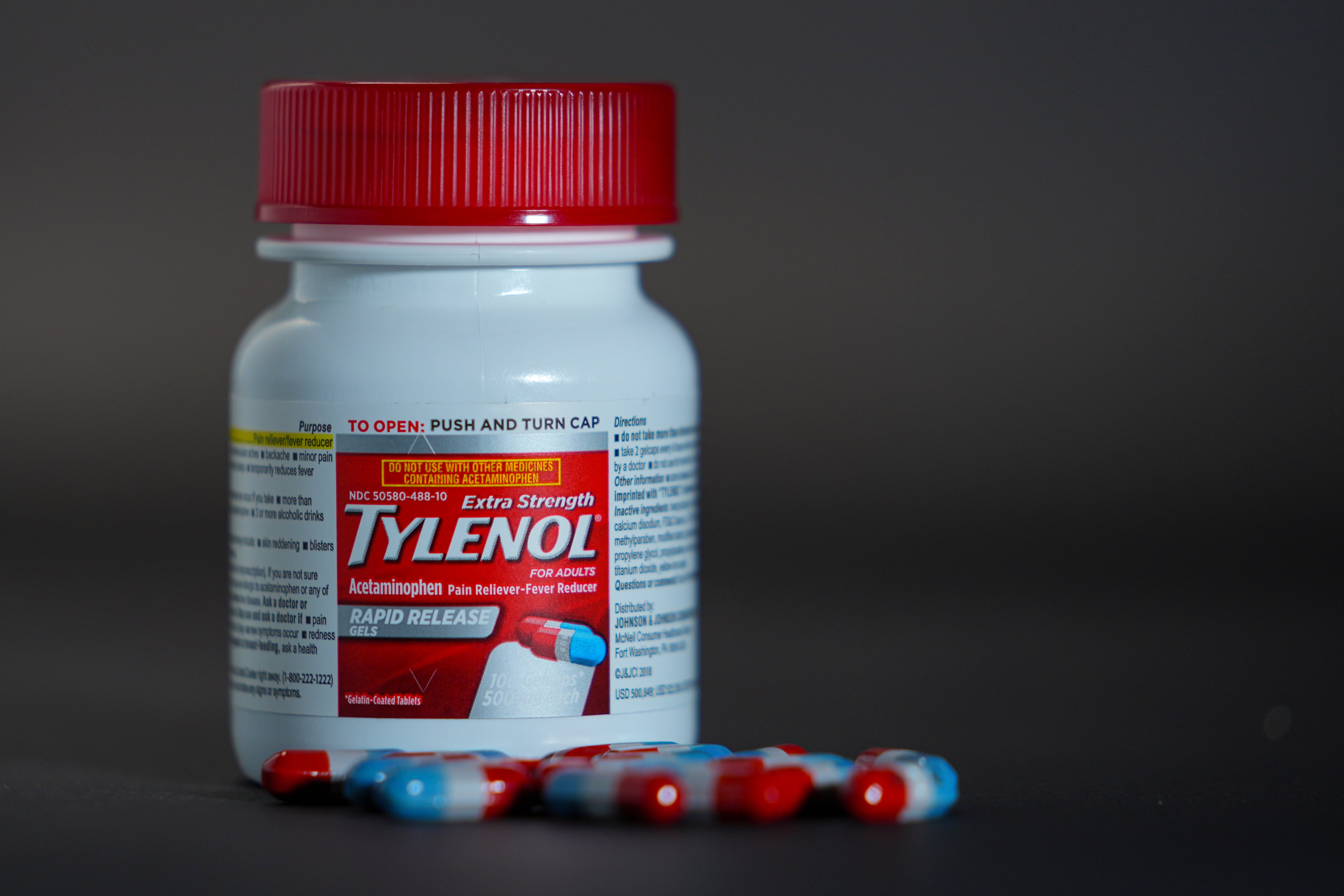
Extra Strength Tylenol is shown in Carmel, Ind., Tuesday, Sept. 23, 2025. (AP Photo/Michael Conroy)
Shares of Tylenol maker Kenvue bounced back sharply at the opening bell Tuesday, a day after President Donald Trump promoted unproven and in some cases discredited ties between Tylenol, vaccines and autism.
“Don’t take Tylenol,” Trump instructed pregnant women around a dozen times during the White House news conference Monday, also urging mothers not to give their infants the drug, known by the generic name acetaminophen in the U.S. or paracetamol in most other countries.
Shares of the New Jersey consumer brands company tumbled 7.5% Monday. At the open of trading, shares bounced back by more than 6%.
The announcement, which appeared to rely on existing studies rather than significant new research, arrives as Health and Human Services Secretary Robert F. Kennedy Jr., a vaccine skeptic, advances the Make America Healthy Again movement that has focused on what it sees as potential causes of autism.
Kenvue disputed any link between the drug and autism this week and warned that if pregnant mothers don’t use Tylenol when in need, they could face a dangerous choice between suffering fevers or using riskier alternatives.
Kenvue was spun off from Johnson & Johnson’s pharmaceutical and medical device divisions in 2023 because it was thought that the companies could function more efficiently if they were independent from each other. Aside from Tylenol, the consumer health company makes Band-Aids, Listerine and other household brand names.
Citi Investment Research analyst Filippo Falorni wrote that he sees a limited risk of new lawsuits after Trump’s announcement, but thinks “there could be risk to Tylenol consumption given the negative headlines.”
Falorni anticipates a positive reaction for Kenvue’s stock at the opening bell on Tuesday given the lack of new scientific evidence.
The company has fought hundreds of lawsuits related to the product and its alleged ties to autism, but most have been dismissed.
Tylenol made headlines in the 1980s when seven people in the Chicago area were killed after taking the over-the-counter painkiller laced with cyanide. The incident triggered a nationwide panic and led to an overhaul in the safety of over-the-counter medication packaging. No one was ever charged in the deaths.
Wealthfront’s CFO Alan Iberman talks the $2.05B IPO and the major moment for robo banking as the company bets on AI, automation, and “self-driving money."
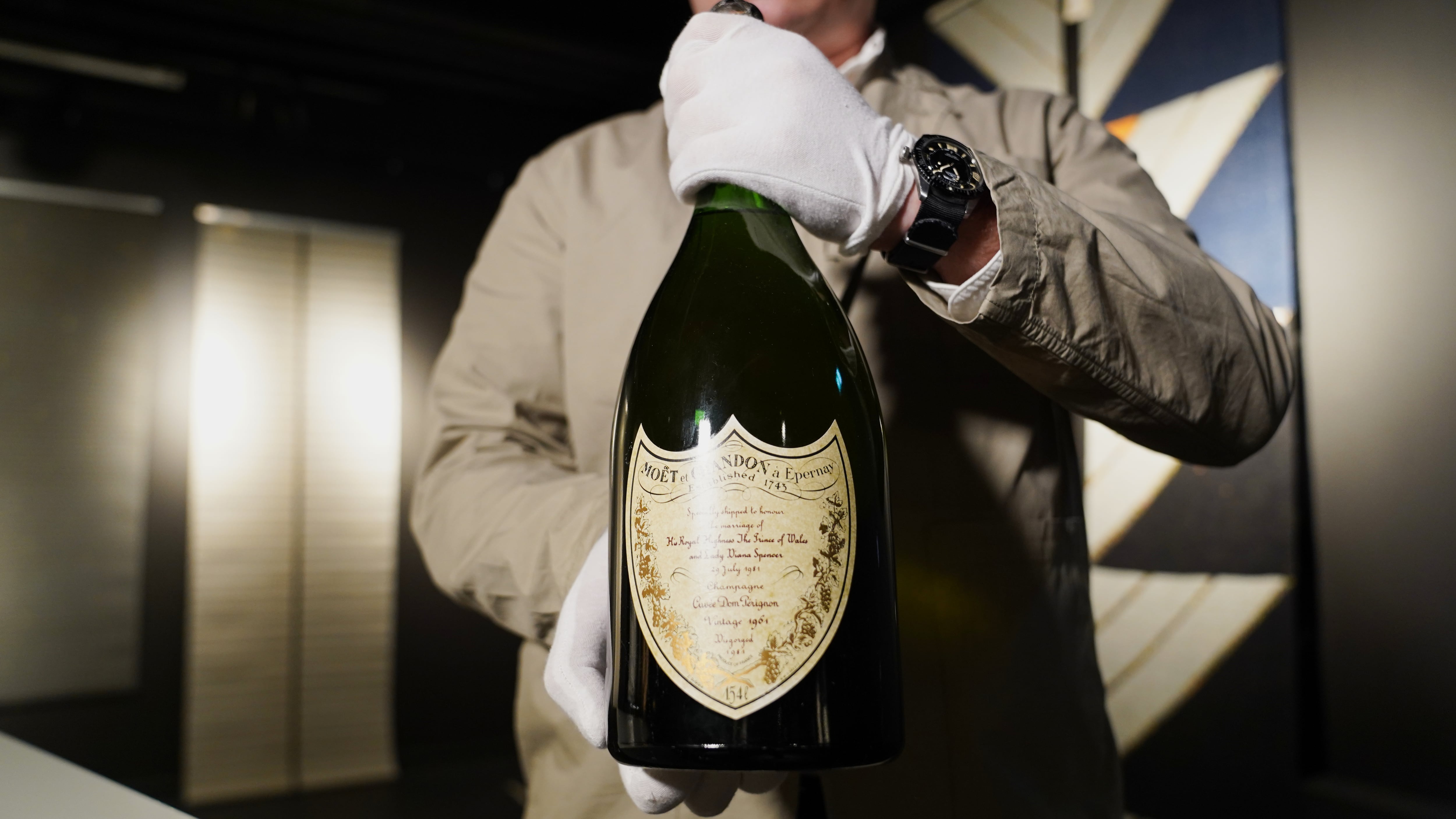
A rare magnum of Dom Pérignon Vintage 1961 champagne that was specially produced for the 1981 wedding of Prince Charles and Lady Diana has failed to sell during an auction. Danish auction house Bruun Rasmussen handled the bidding Thursday. The auction's house website lists the bottle as not sold. It was expected to fetch up to around $93,000. It is one of 12 bottles made to celebrate the royal wedding. Little was revealed about the seller. The auction house says the bids did not receive the desired minimum price.
The New York Times and President Donald Trump are fighting again. The news outlet said Wednesday it won't be deterred by Trump's “false and inflammatory language” from writing about the 79-year-old president's health. The Times has done a handful of stories on that topic recently, including an opinion column that said Trump is “starting to give President Joe Biden vibes.” In a Truth Social post, Trump said it might be treasonous for outlets like the Times to do “FAKE” reports about his health and "we should do something about it.” The Republican president already has a pending lawsuit against the newspaper for its past reports on his finances.
OpenAI has appointed Slack CEO Denise Dresser as its first chief of revenue. Dresser will oversee global revenue strategy and help businesses integrate AI into daily operations. OpenAI CEO Sam Altman recently emphasized improving ChatGPT, which now has over 800 million weekly users. Despite its success, OpenAI faces competition from companies like Google and concerns about profitability. The company earns money from premium ChatGPT subscriptions but hasn't ventured into advertising. Altman had recently announced delays in developing new products like AI agents and a personal assistant.
President Donald Trump says he will allow Nvidia to sell its H200 computer chip used in the development of artificial intelligence to “approved customers” in China. Trump said Monday on his social media site that he had informed China’s leader Xi Jinping and “President Xi responded positively!” There had been concerns about allowing advanced computer chips into China as it could help them to compete against the U.S. in building out AI capabilities. But there has also been a desire to develop the AI ecosystem with American companies such as chipmaker Nvidia.