*By Madison Alworth*
With its latest emissions policy, the Trump administration has effectively overhauled President Obama's environmental legacy, said Earther reporter Brian Kahn.
"You couple this also with the international view of dropping out of the Paris Agreement ー or at least announcing our intent to do thatーas well as what we're seeing with the Department of Interior and its attempt to lease more oil and gas drilling sites on federal land," Kahn said Tuesday in an interview on Cheddar. "Taken as a whole, these policies really signal a rapid and major change."
The administration [introduced](https://www.epa.gov/newsreleases/epa-proposes-affordable-clean-energy-ace-rule) a new rule, "Affordable Clean Energy," on Tuesday, which will roll back many of the restrictions on coal emissions that President Obama put in place.
The new plan allows individual states to regulate their coal plants' pollution rather than adhering to a federal standard.
"The Clean Power Plan was going to reduce them by about 35 percent them by 2030, and this will lead to a 1 percent decrease over that time period," Kahn said.
The new plan is largely perceived as a means to prop up the coal industry. But in a statement released Tuesday, the EPA said the rule “empowers states, promotes energy independence, and facilitates economic growth and job creation.”
"We are putting our great coal miners back to work," President Trump said during a rally in West Virginia on Tuesday night.
If the plan is enacted, Kahn said the results may be disastrous.
"So, we are going to see more carbon emissions. More importantly than that, we'll also see a lot of pollution," he said. "That will have very adverse impacts on the American public."
The administration's plan will move to an open, public comment period before it will need final approval from the president.
For full interview [click here] (https://cheddar.com/videos/trump-administration-announces-new-emission-policy).
As we prepare to ring in the new year, COVID cases are hitting an all-time high. Dr. Anthony Fauci has said the safest way to celebrate would be a small gathering with vaccinated family members only... far from the large, flashy parties from a few years ago. Dr. Christina Johns, senior medical advisor at PM Pediatrics, joins Cheddar News to discuss how to celebrate safely.
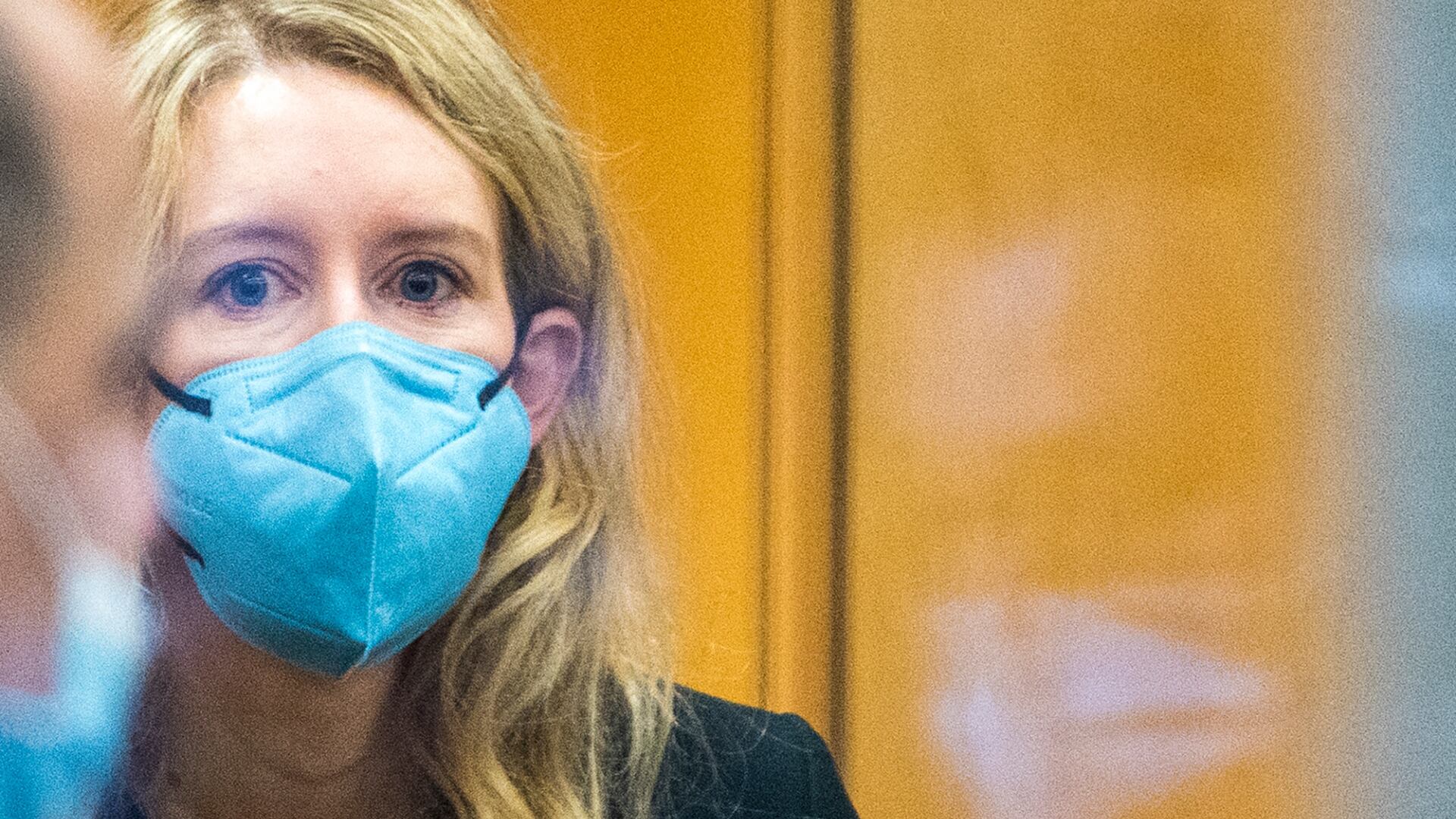
Jurors in the trial against Theranos CEO Elizabeth Holmes have entered day six of deliberations. Holmes is accused of lying to investors about the functionality of a newly developed blood-testing technology. Andrew George, partner at Baker Botts, joined Cheddar to break down key points in the case and what the jury might be considering during their deliberations. He also noted that the rest of Silicon Valley, including Holmes' business partner, Ramesh "Sunny" Balwani, who is facing identical charges, is closely watching the outcome of deliberations — as it could set the tone for future regulations and Balwani's own trial.
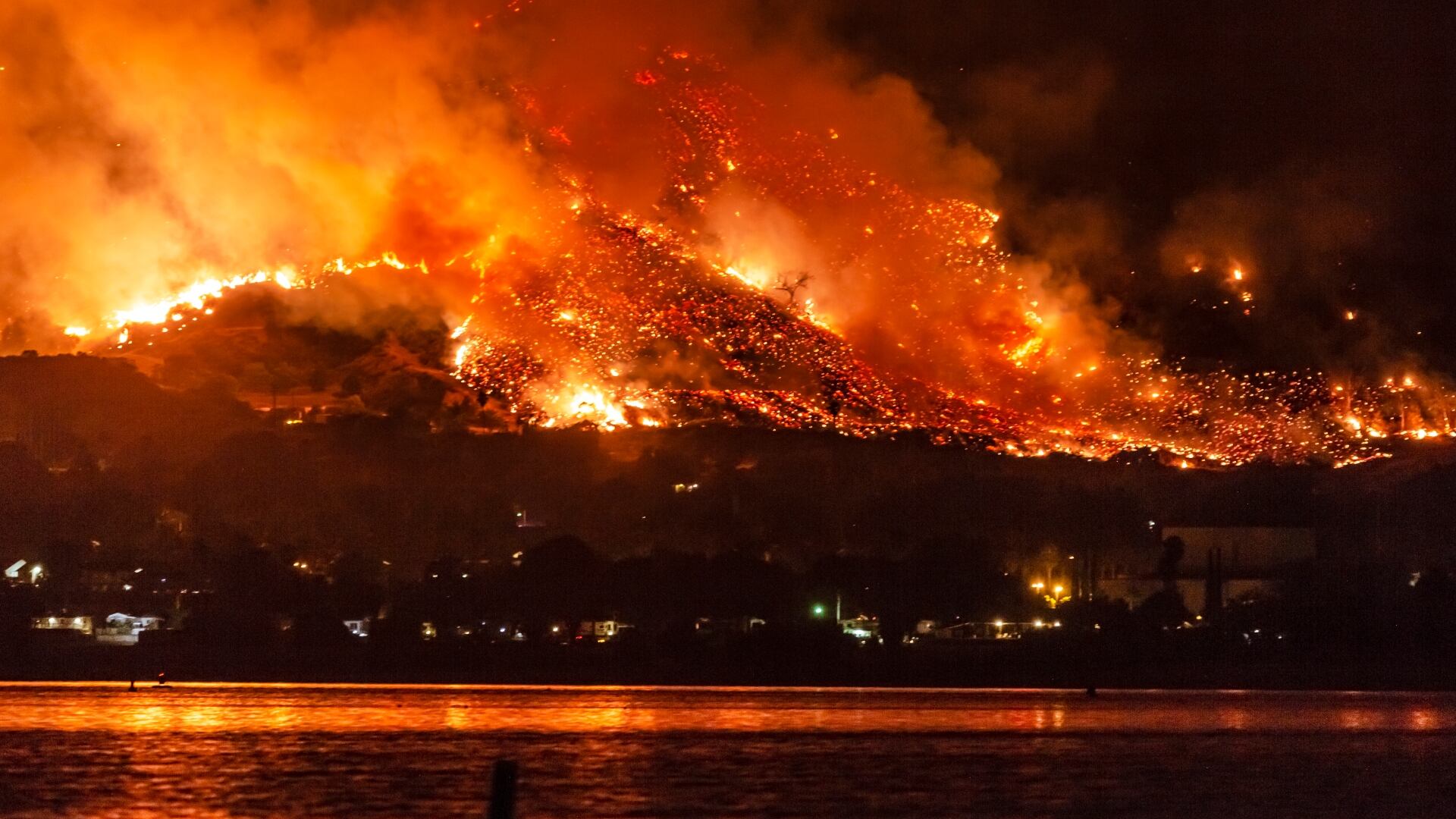
According to researchers, the state of California's cap-and-trade program is currently being undermined by forest fires caused primarily by climate change. Over the past few years, trees that were set aside for the program have been releasing carbon as they continue to burn in fires. Climate Researcher and Policy Director at CarbonPlan Danny Cullenward, joined Cheddar to discuss more.
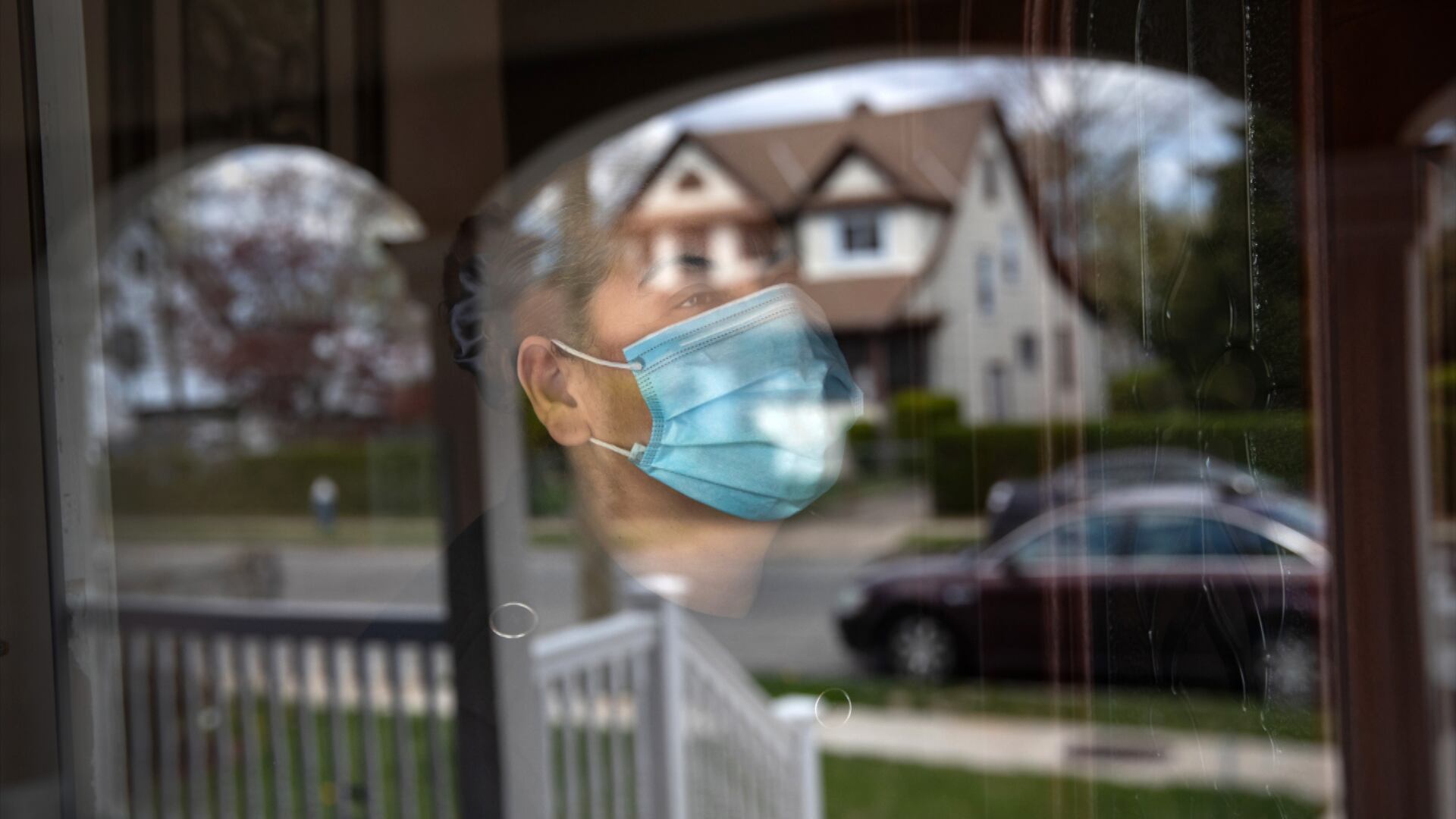
The CDC's latest update to its COVID-19 quarantine guidelines reduces the isolation period from ten days to just five for people who test positive but are asymptomatic. Dr. Bayo Curry-Winchell, regional clinical director at Carbon Health, spoke to Cheddar's Baker Machado about the new guidance. She noted that while the reduced quarantine time "makes sense," the CDC should also require that a person test negative after their quarantine and before interacting with the public. "There is science behind it. We know that the majority of illness happens, or transmission, one to two days before the onset of symptoms and then two to three days as you have symptoms. So there is science behind the reducement of the actual five days," she said.
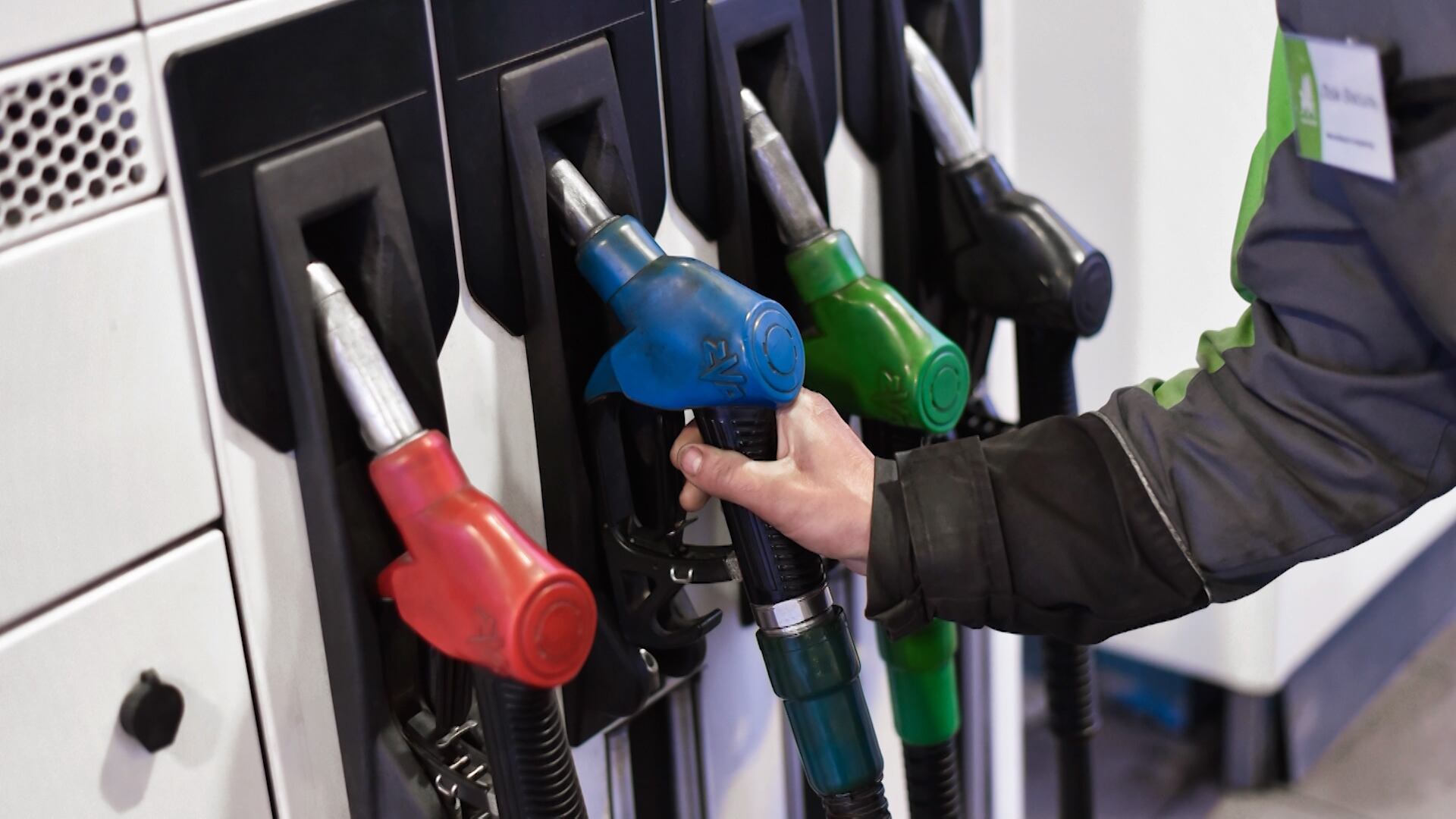
Prices at the pump this year reached a seven-year high, and a new forecast from GasBuddy shared with CNN predicts that gas prices will only continue to rise in 2022 and that the national average could even reach $4.00 a gallon; however, analysts at GasBuddy say anything could happen when it comes to gas prices in the future, as the pandemic has made it difficult to make any predictions about the economy. Consumer Energy Alliance federal policy advisor Michael Zehr joins Cheddar News' Closing Bell to discuss.
As the Omicron variant is fueling a surge in COVID-19 cases, parents and schools are faced with tough choices between absences and outbreaks. Matt Barnum, a national reporter at Chalkbeat, joins Cheddar News to discuss.
Ron Gutman, Co-CEO of Intrivo, joins Cheddar News to discuss how the company is creating a test and tech solution for Covid testing called 2Gather, and how it's using data-driven digital diagnostics to make these tests widely available and affordable.