Trump approves sale of more advanced Nvidia computer chips used in AI to China
By Josh Boak
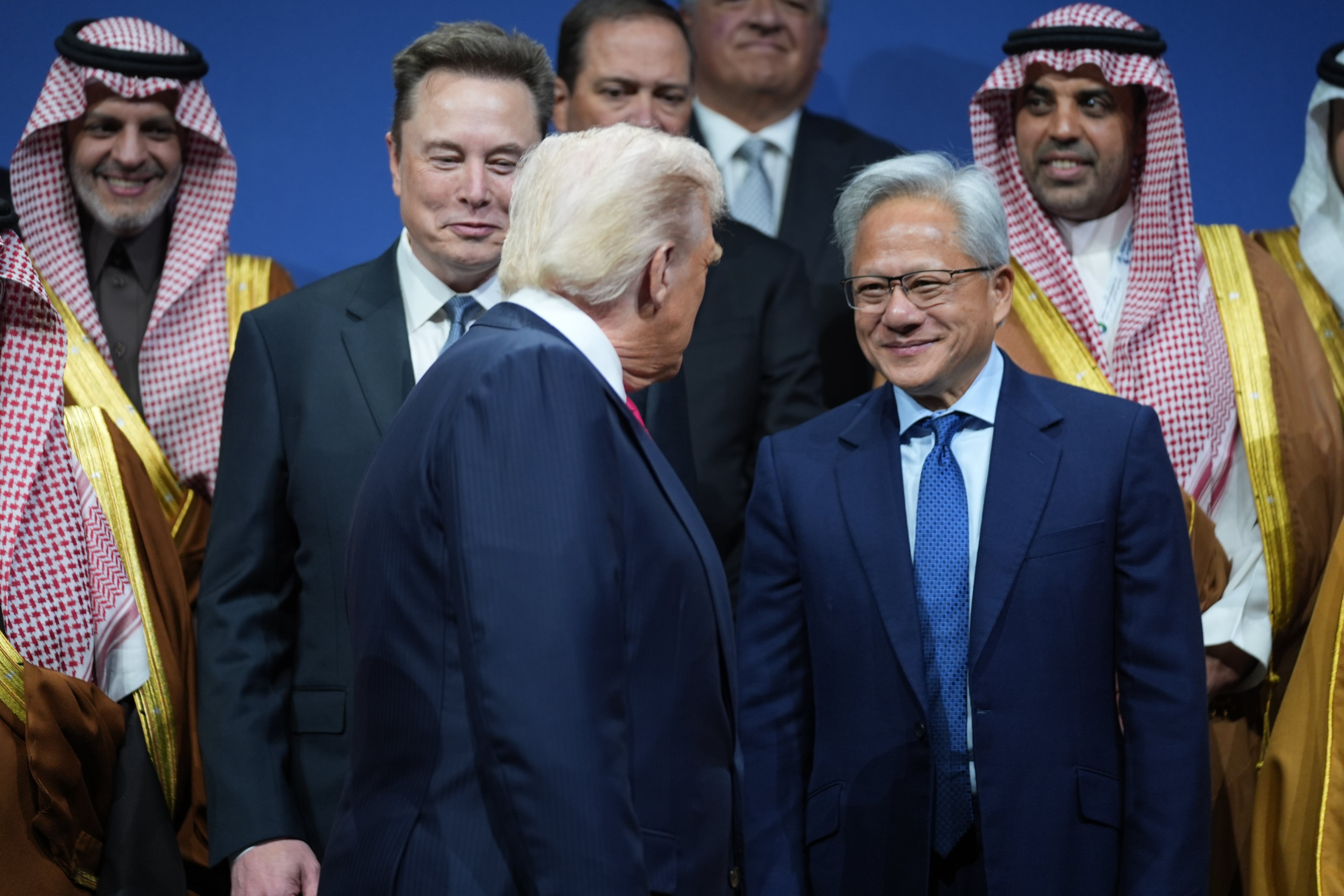
President Donald Trump speaks with Elon Musk and Nvidia CEO Jensen Huang, during the Saudi Investment Forum at the Kennedy Center, Wednesday, Nov. 19, 2025, in Washington. (AP Photo/Evan Vucci)
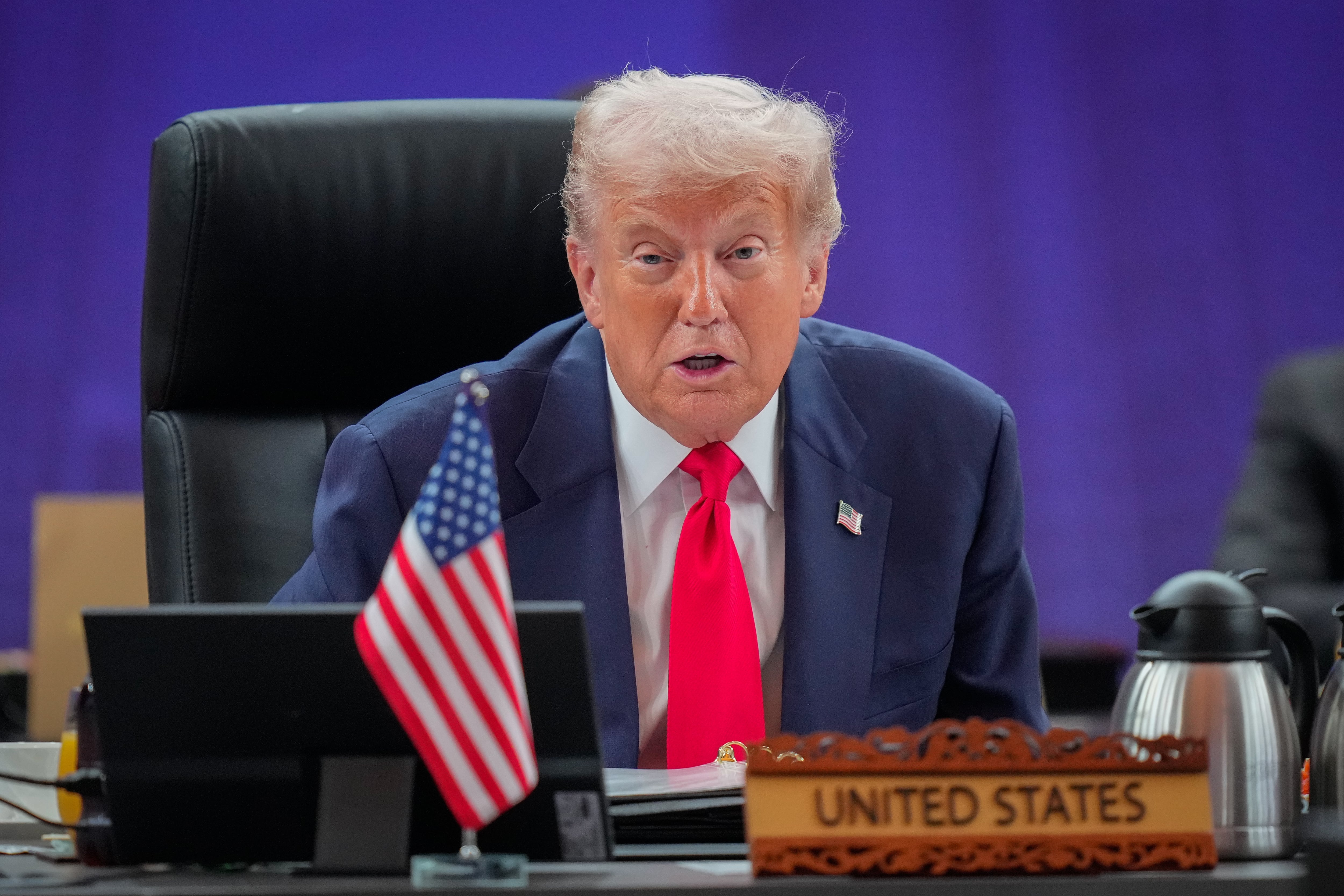
WASHINGTON (AP) — President Donald Trump said Monday that he would allow Nvidia to sell an advanced type of computer chip used in the development of artificial intelligence to “approved customers” in China.
There have been concerns about allowing advanced computer chips to be sold to China as it could help the country better compete against the U.S. in building out AI capabilities, but there has also been a desire to develop the AI ecosystem with American companies such as chipmaker Nvidia.
The chip, known as the H200, is not Nvidia’s most advanced product. Those chips, called Blackwell and the upcoming Rubin, were not part of what Trump approved.
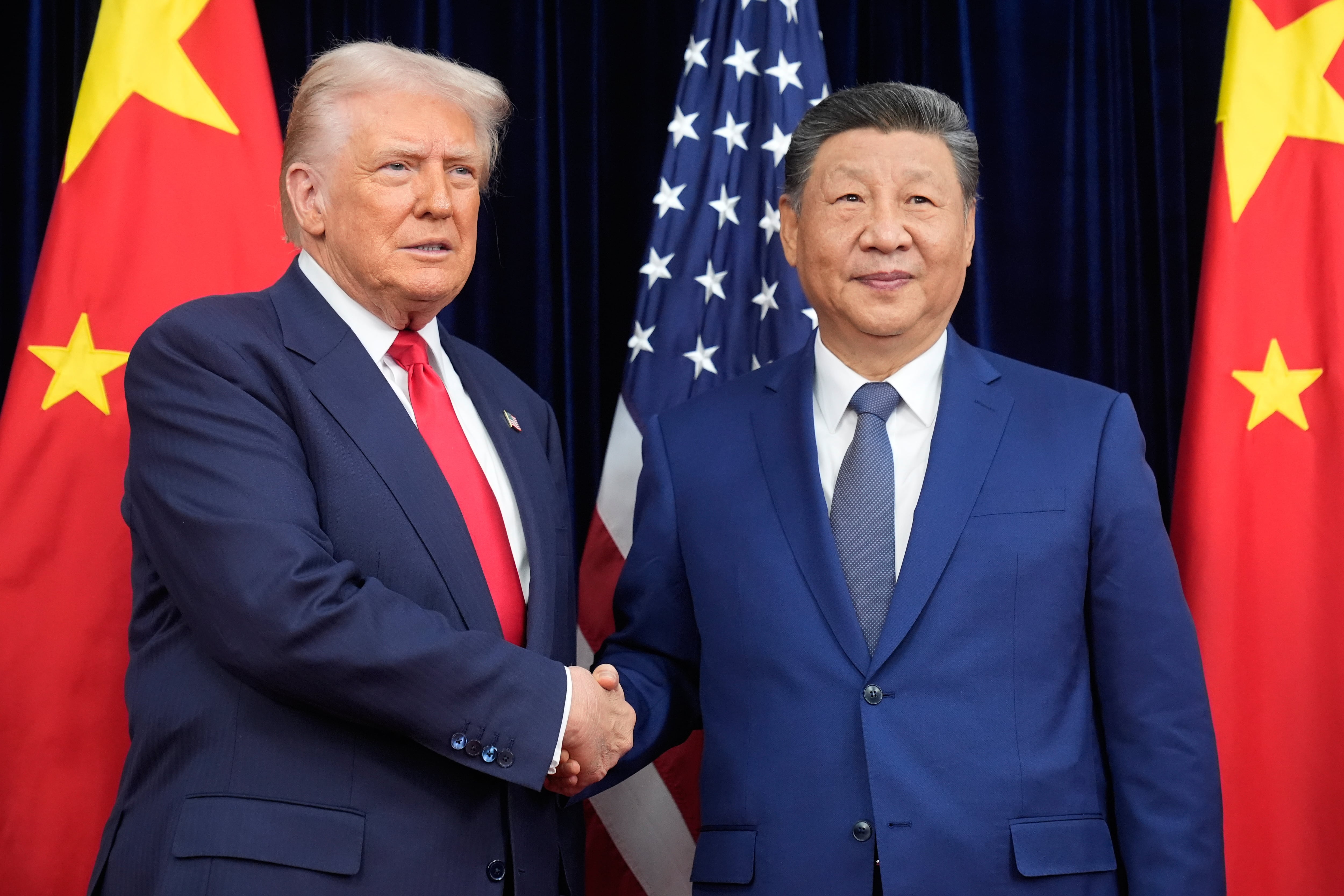
Trump said on social media that he had informed China’s leader Xi Jinping about his decision and “President Xi responded positively!”
“This policy will support American Jobs, strengthen U.S. Manufacturing, and benefit American Taxpayers,” Trump said in his post.
Nvidia said in a statement that it applauded Trump’s decision, saying the choice would support domestic manufacturing and that by allowing the Commerce Department to vet commercial customers it would “strike a thoughtful balance” on economic and national security priorities.
But a group of Democratic senators objected to the chip sales.
“Access to these chips would give China’s military transformational technology to make its weapons more lethal, carry out more effective cyberattacks against American businesses and critical infrastructure, and strengthen their economic and manufacturing sector,” said the statement.
The group included Sens. Chris Coons of Delaware, Jeanne Shaheen of New Hampshire, Jack Reed of Rhode Island, Elizabeth Warren of Massachusetts, Brian Schatz of Hawaii, Andy Kim of New Jersey, Michael Bennet of Colorado and Elissa Slotkin of Michigan.
The senators noted that Chinese AI company DeepSeek recently said the lack of access to advanced American-designed chip was their biggest challenge in competing with U.S. companies involved in AI, with companies including OpenAI, Google, Microsoft, Anthropic, Perplexity and Palantir making major investments in developing the technology.
Trump said the Commerce Department was “finalizing the details” for other chipmakers such as AMD and Intel to sell their technologies abroad.
The approval of the licenses to sell Nvidia H200 chips reflects the increasing power and close relationship that the company’s founder and CEO, Jensen Huang, enjoys with the president. But there have been concerns that China will find ways to use the chips to develop its own AI products in ways that could pose national security risks for the U.S., a primary concern of the Biden administration that sought to limit exports.
Nvidia has a market cap of $4.5 trillion and Trump’s announcement appeared to drive the stock slightly higher in after hours trading.
A legislative package to end the government shutdown appears on track. A handful of Senate Democrats joined with Republicans to advance the bill after what's become a deepening disruption of federal programs and services. But hurdles remain. Senators are hopeful they can pass the package as soon as Monday and send it to the House. What’s in and out of the bipartisan deal has drawn criticism and leaves few senators fully satisfied. The legislation includes funding for SNAP food aid and other programs while ensuring backpay for furloughed federal workers. But it fails to fund expiring health care subsidies Democrats have been fighting for, pushing that debate off for a vote next month.
Sabrina Siddiqui, National Politics Reporter at The Wall Street Journal, joins to break down the SNAP funding delays and the human cost of the ongoing shutdown.
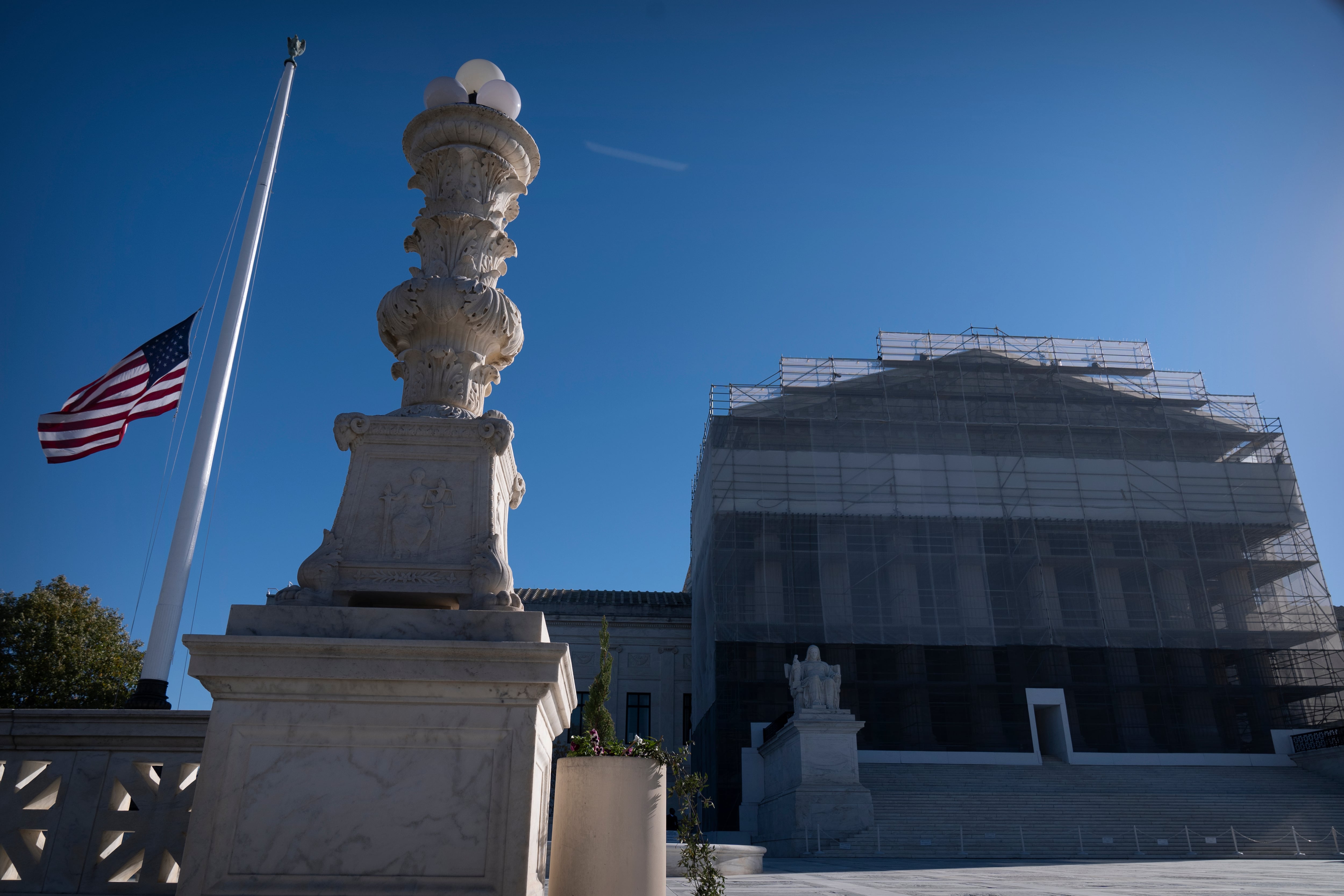
Arguments at the Supreme Court have concluded for the day as the justices consider President Donald Trump's sweeping unilateral tariffs in a trillion-dollar test of executive power.
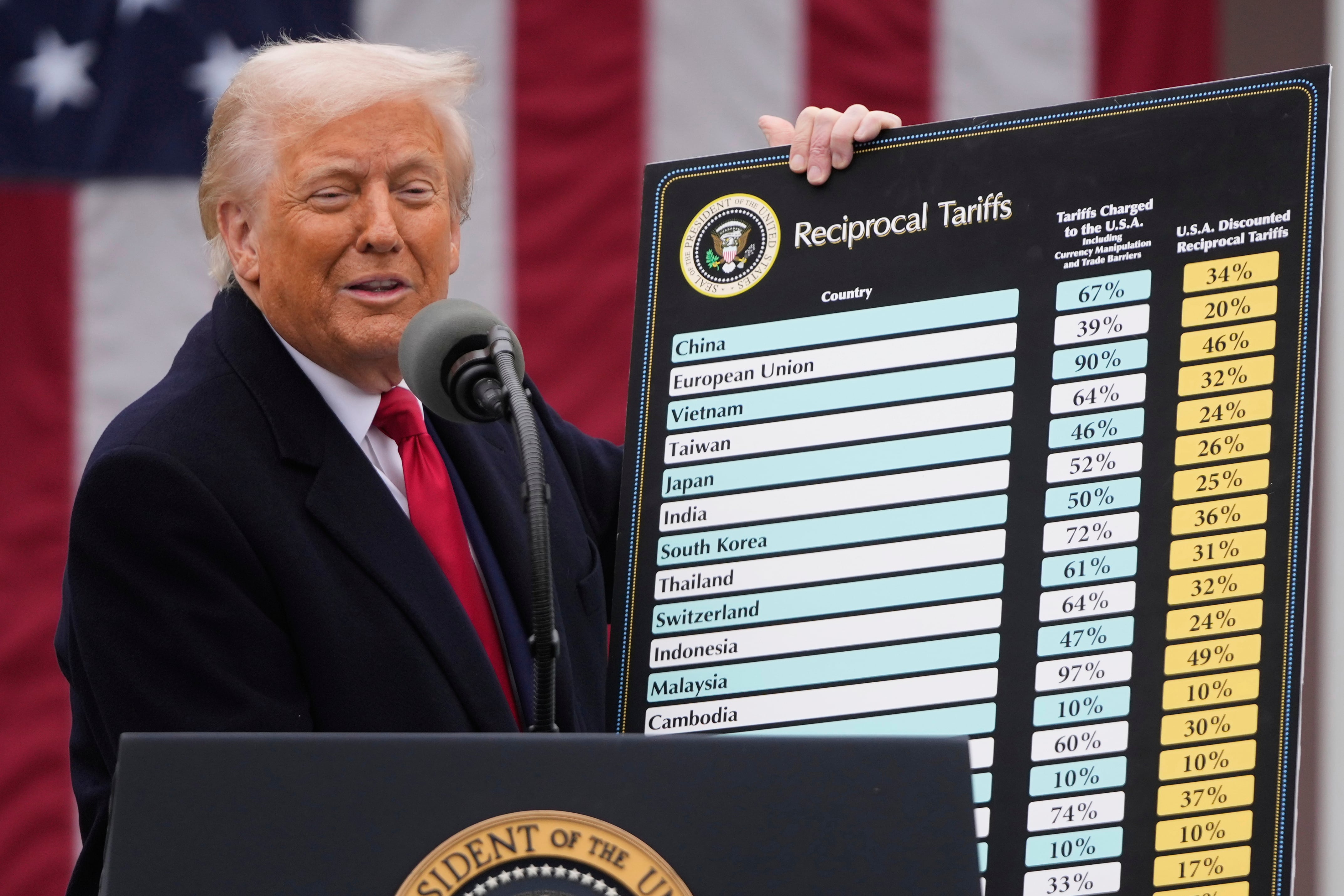
President Donald Trump said he has decided to lower his combined tariff rates on imports of Chinese goods to 47% after talks with Chinese leader Xi Jinping on curbing fentanyl trafficking.
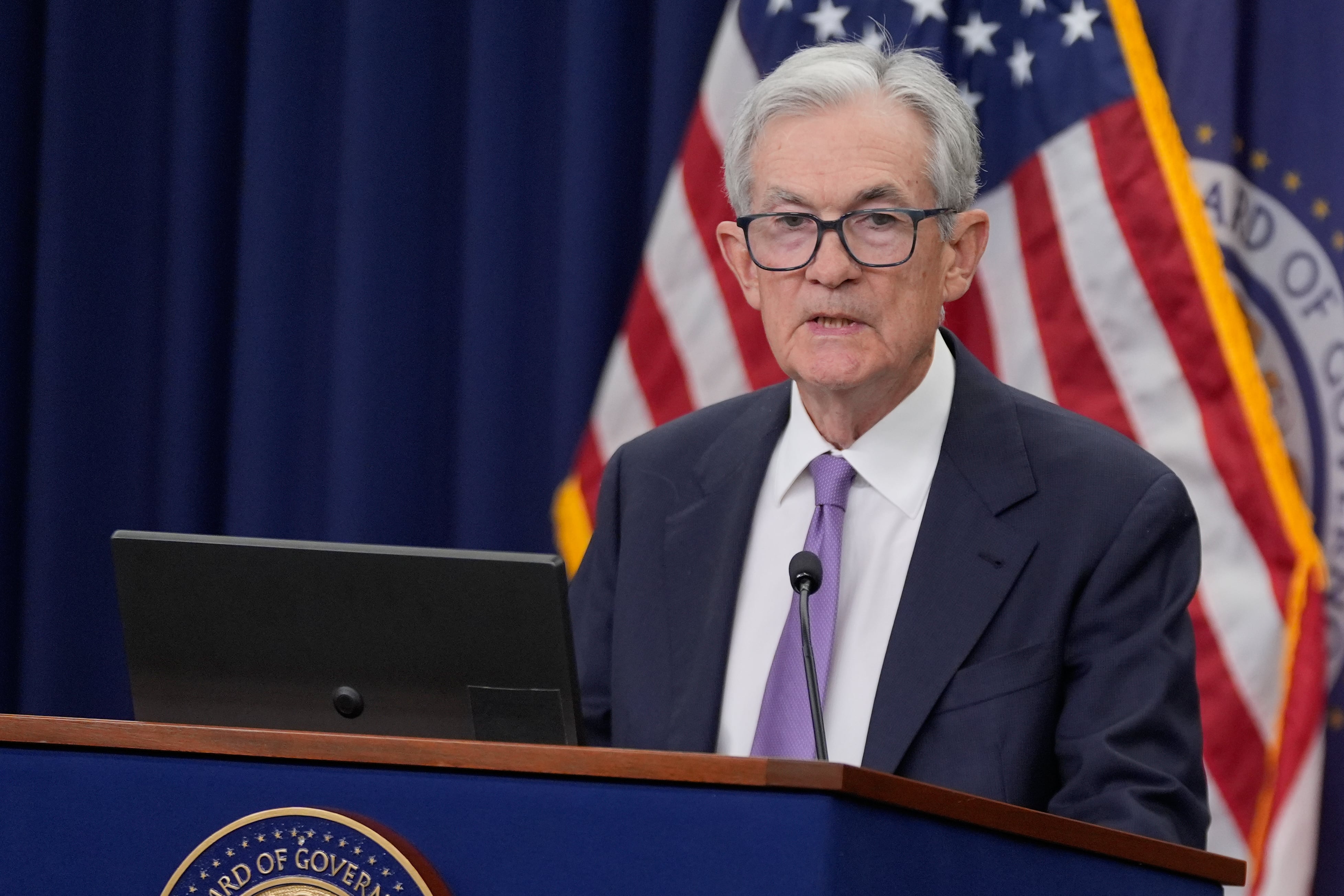
The Federal Reserve cut its key interest rate Wednesday for a second time this year as it seeks to shore up economic growth and hiring even as inflation stays elevated. The move comes amid a fraught time for the central bank, with hiring sluggish and yet inflation stuck above the Fed’s 2% target. Compounding its challenges, the central bank is navigating without much of the economic data it typically relies on from the government. The Fed has signaled it may reduce its key rate again in December but the data drought raises the uncertainty around its next moves. Fed Chair Jerome Powell told reporters that there were “strongly differing views” at the central bank's policy meeting about to proceed going forward.
U.S. and Chinese officials say a trade deal between the world’s two largest economies is drawing closer. The sides have reached an initial consensus for President Donald Trump and Chinese leader Xi Jinping to aim to finalize during their high-stakes meeting Thursday in South Korea. Any agreement would be a relief to international markets. Trump's treasury secretary says discussions with China yielded preliminary agreements to stop the precursor chemicals for fentanyl from coming into the United States. Scott Bessent also says Beijing would make “substantial” purchases of soybean and other agricultural products while putting off export controls on rare earth elements needed for advanced technologies.
The White House budget office says mass firings of federal workers have started in an attempt to exert more pressure on Democratic lawmakers as the government shutdown continues.
President Donald Trump says “there seems to be no reason” to meet with Chinese leader Xi Jinping as part of an upcoming trip to South Korea after China restricted exports of rare earths needed for American industry. The Republican president suggested Friday he was looking at a “massive increase” of import taxes on Chinese products in response to Xi’s moves. Trump says one of the policies the U.S. is calculating is "a massive increase of Tariffs on Chinese products coming into the United States." A monthslong calm on Wall Street was shattered, with U.S. stocks falling on the news. The Chinese Embassy in Washington hasn't responded to an Associated Press request for comment.