Volkswagen's annual shareholder meeting was briefly disrupted Wednesday by protests over the company's factory in China's Xinjiang province, with a shouting, topless activist interrupting the speech by CEO Oliver Blume before she was hustled away by security personnel.
Additionally a cake-like object was thrown during a speech by board chairman Hans-Dieter Poetsch, apparently in the direction of board member Wolfgang Porsche, who represents his family's shareholding in the company, the dpa agency reported.
Photos showed a white, gooey substance resembling pastry stuck to the front of the podium behind which Porsche was sitting.
Volkswagen has said that it has found no evidence of human rights violations at its plant in China's western Xinjiang region. The Chinese government has been accused of human rights abuses against the Muslim Uyghur population in the region, including forced labor in detention camps. The U.S. State Department has described China's actions in the region as genocide.
Police also stopped an attempt by climate protesters to glue themselves to the ground on the square outside the meeting.
The shareholder meeting in Berlin resumed after a brief intermission.
Americans traveled in record numbers over July 4th despite rising costs. Skift's Sarah Kopit explains what it says about consumers, airfares, and summer travel.
The U.S. economy is being held up in part by the AI boom, but that boom could still lead to broader prosperity or inequality, says a Nobel Prize winner.
Foundation Robotics co-founder Michael LeBlanc explains how humanoid robots are moving from the lab to military and industrial missions and what comes next.
Jeff Burnstein, President of the Association for Advancing Automation (A3), discusses humanoid robots, AI, smart manufacturing, and the future of U.S. industry.
Should kids be banned from social media? Nick Lichtenberg of Fortune breaks down the global push to restrict under-16 users and what it means for Big Tech.
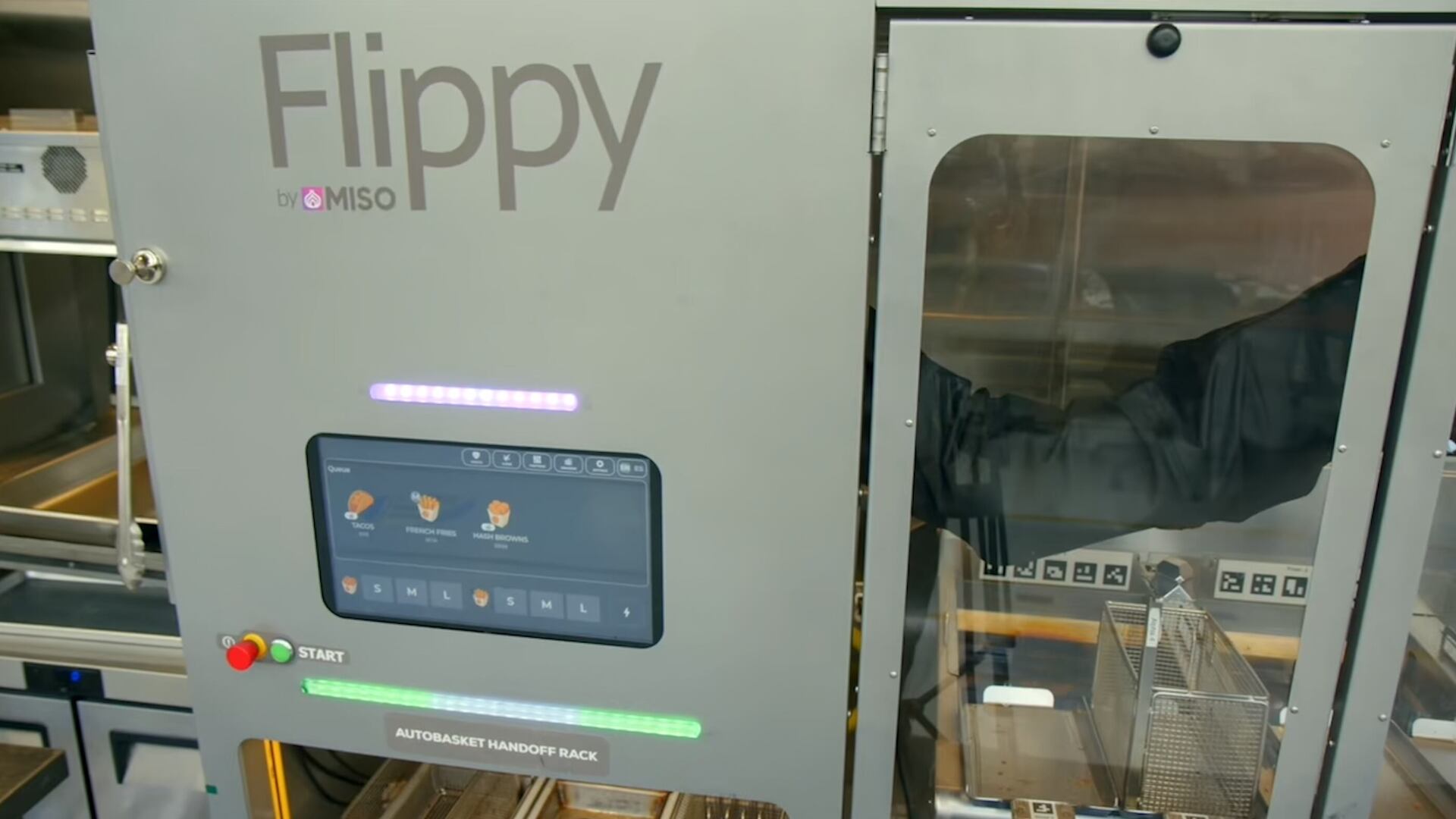
Miso Robotics CEO Rich Hull discusses Flippy Fry Station, the future of AI-powered restaurant automation and how acquiring Zume's IP could reshape food robotics
After two years of AI-fueled spending, Wall Street is asking what's next. Gil Luria breaks down monetization, valuations, winners, losers, and AI's future.