*By Max Godnick*
Any professional athlete faces the pressure to win, but the stakes are higher in the World Cup, where soccer players carry the added burden of an entire nation's expectations. Some crack. The winners rise.
"If you're for yourself, you're not going to play as hard or as well," said Jon Gordon, the author of "The Power of Positive and Leadership" and a team-building adviser to athletes and executives. "If you're playing for your team or your country, you're going to play a lot better."
Gordon has worked with teams (the Los Angeles Dodgers) and companies (Google) on the foundations of successful team building. He advised the 32 national soccer teams hoping to hoist the 2018 World Cup trophy in Russia next month to use the stress of playing for national pride to help them perform better.
"They have to have a shared vision and a greater purpose," he said, encouraging athletes to ask themselves, "Are we playing for ourselves or for our country?"
The same principles apply to all sports, regardless of what type of ball is being kicked, thrown, or shot. But certain disciplines do require more tailored advice. Because of the number of players and its fast-moving style, Gordon said that soccer, like basketball, requires greater trust between players.
"You have to trust that that player is going to get you the ball," he said. "You have to trust that they're going to be where they need to be on defense."
For the full interview, [click here](https://cheddar.com/videos/world-cup-winning-secrets-from-a-team-building-expert).
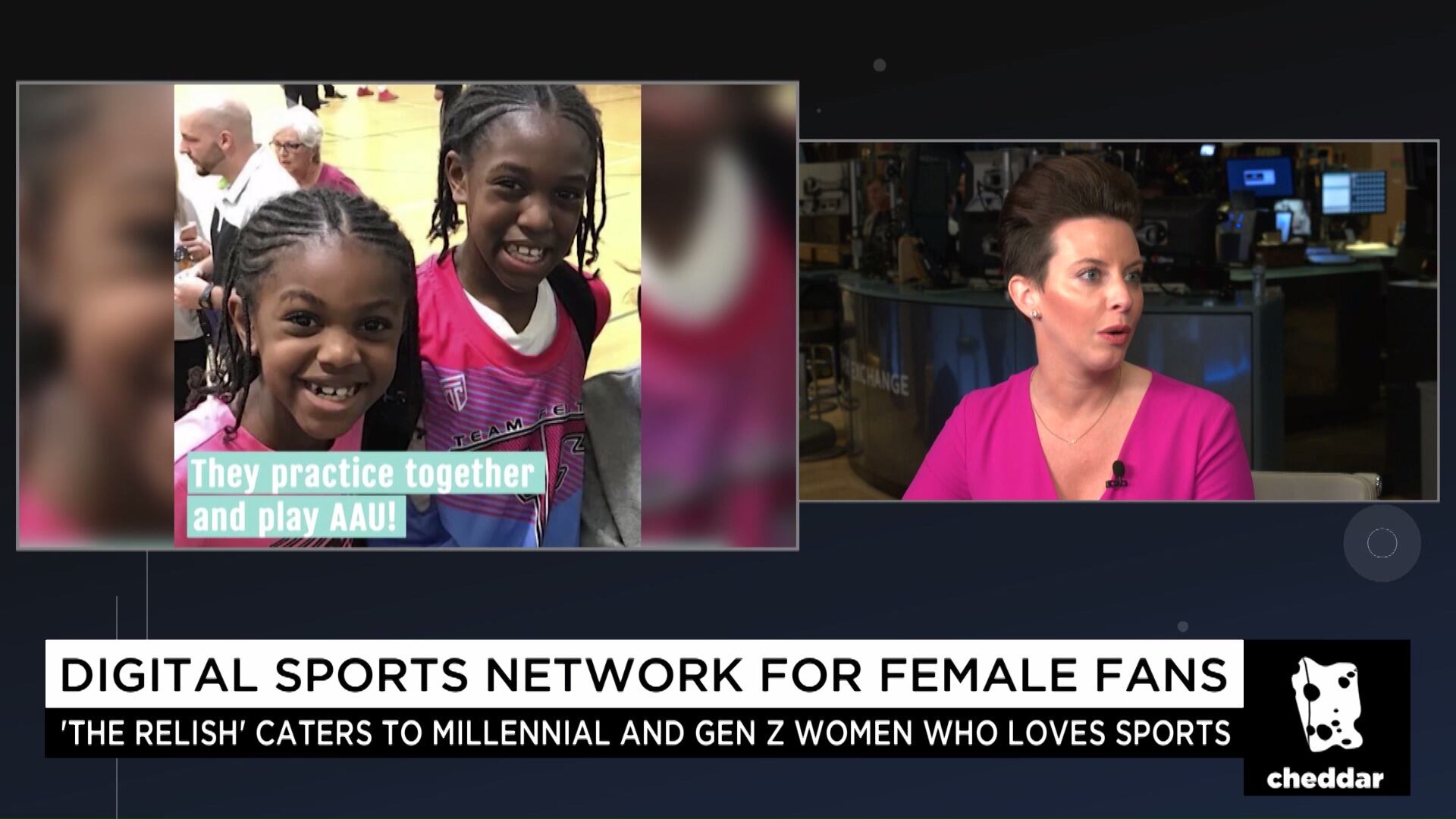
"The Relish" is a digital sports network for women focusing on social content. The network reaches around 10 million millennial women each month.
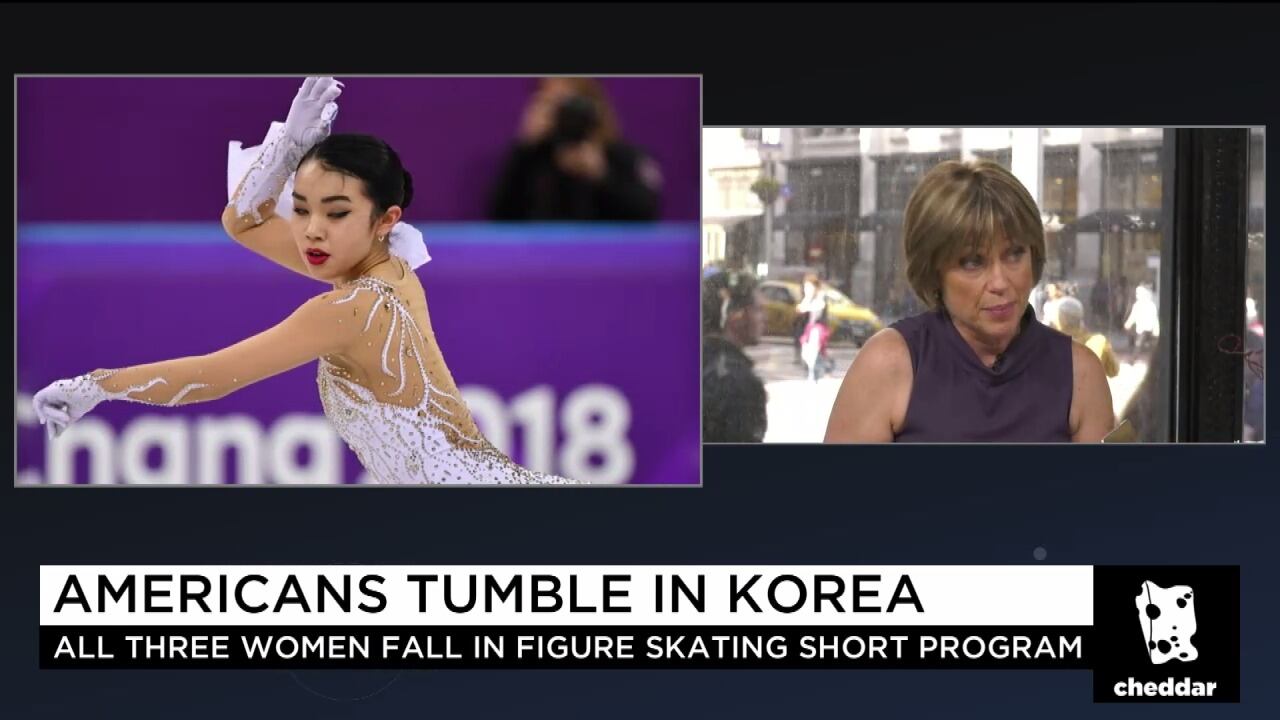
The American women are having a rough Olympics in the figure skating rink. All three American competitors fell in the women's individual short program. It's a sharp turn from the years when American women landed on the podium year after year. Olympic gold medalist Dorothy Hamill explains why things have been more difficult for the Americans this time around.
On Between Bells: Talking to kids about gun violence, Dallas Mavericks under fire, restaurant servers fight tip-pooling laws, and more. With Eater, Parents Magazine, and Popular Science.
If someone told you that asthma would help you win gold at the Olympics, would you believe them? Well according to a new study, athletes with asthma are more likely to win at the Winter Games than those without these breathing problems. Popular Science's Claire Maldarelli explains why.
A new report from S.I. details allegations of sexual harassment against the team's former President and CEO, Terdema Ussery.
Amazon launches health products line, Chipotle adds quinoa to the menu, and Tinder reveals the most-swiped athletes in the Olympic Village.
The athlete, who took home the Olympics' top prize at the 1976 Games, says entering the sport is much more expensive these days, and the physical moves are more demanding.
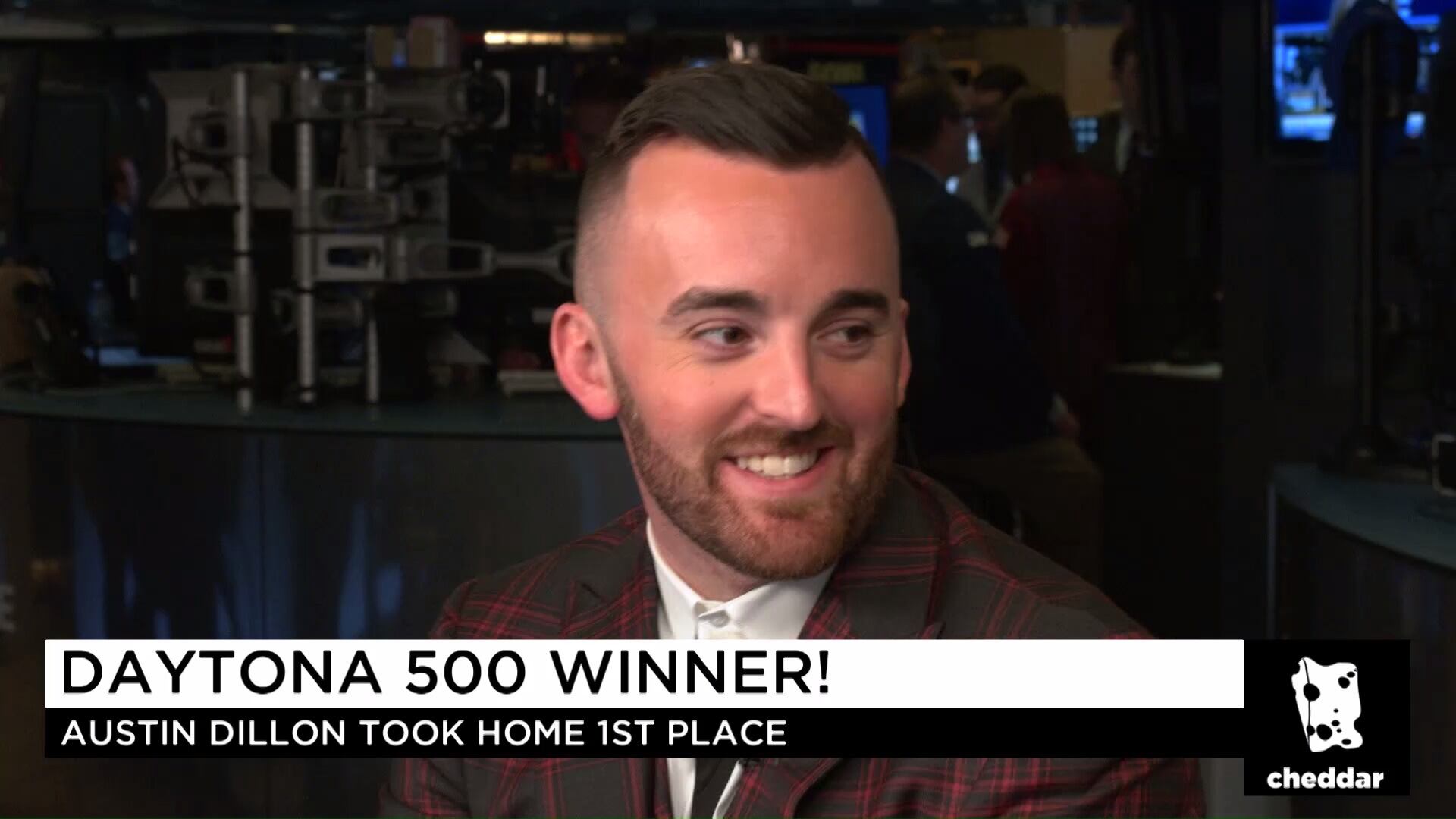
Austin Dillon, who won the Daytona 500 race over the weekend, says this win will add to his grandfather's legacy.
This Sunday the Daytona 500 Race went into an exciting overtime when 27-year-old Austin Dillon finally pulled into first place during the final lap. The Daytona 500 winner joins Cheddar to explain the emotions that came with the big win.
We're a week into the Olympics and by now most viewers have noticed that Ralph Lauren, Nike and Under Armour are the official sponsors of Team USA gear. Joining The Long and The Short to discuss the benefits of outfitting Team USA is Nick Martell and Jack Kramer, Co-Founders & Co-CEOs of MarketSnacks.