By Michelle Chapman
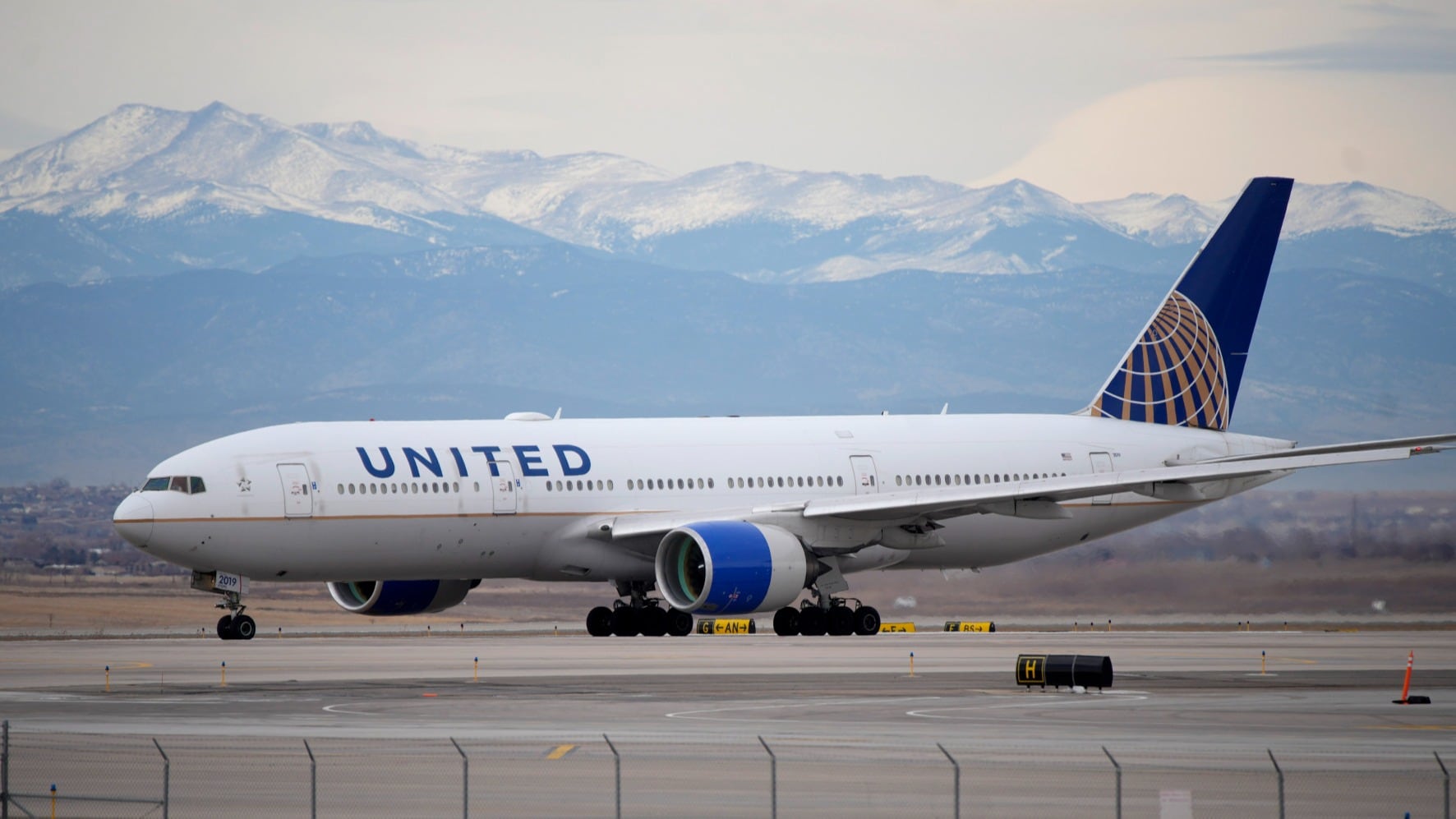
United Airlines says that it will start boarding passengers in economy class with window seats first starting next week, a move that will speed up boarding times for flights.
The airline said in an internal memo that it will implement the plan on Oct. 26. The plan, known as WILMA, for window, middle and aisle, was tested at four domestic locations and one hub. United said that it’s shown to save up to two minutes of boarding time.
The change will begin with passengers in Group 4. Those with window seats will board first, followed by those with middle seats and then those with aisle seats. United said that multiple customers on the same economy reservation, such as families, will be allowed to board their flight together.
The plan will be implemented on domestic flights and some international flights.
Individuals in first class and business class will see no change in their boarding process. There's also no change for the pre-boarding group that includes travelers with disabilities, unaccompanied minors, active-duty military and families traveling with children that are 2 years old or younger.
On Tuesday United reported that it it earned $1.14 billion in the vacation-heavy third quarter, but the airline forecast weaker profit the rest of the year due to surging jet fuel prices and the suspension of flights to Tel Aviv during the Israel-Hamas war.
United said its fourth-quarter adjusted profit would be between $1.50 and $1.80 per share, short of Wall Street's expectations for $2.09 per share.
The high end of the United forecast assumes that the airline will resume Tel Aviv flights next month, while the low end assumes no more flights this year. United and many other airlines halted the flights shortly after Hamas militants attacked Israel on Oct. 7.
Shares of United Airlines Holdings Inc. fell more than 8% Wednesday.