The Cannabis Company That Won't Mix Work With Pleasure
A limited supply of cannabis in the U.S. means those resources have to be divvied up carefully.
For Cronos Group, that means keeping its medical and recreational marijuana operations in completely different verticals, CEO Michael Gorenstein told Cheddar. That ensures patients’ needs are prioritized over those of recreational users.
“If you think about building a town, and you have a limited amount of building supplies, we want to make sure that we’re building a hospital before we’re building the bar,” he said.
Canada-based Cronos Group started trading on the NASDAQ on Tuesday, making it the first marijuana company to list on a major U.S. market.
“It’s a big milestone not just for us but for the entire industry,” said Gorenstein. “[It] just continues to show the acceptance that the cannabis industry is getting.”
And the industry does seem to be growing at break-neck speed. Arcview, a leading researcher of the cannabis market, stated in a [recent report](https://arcviewgroup.com/product/5th-edition/) that the industry brought in $9.7 billion in sales in 2017, and that number could grow to over $25 billion by 2021.
For the full interview, [click here](https://cheddar.com/videos/inside-the-first-cannabis-company-to-list-on-nasdaq).
Jeff Burnstein, President of the Association for Advancing Automation (A3), discusses humanoid robots, AI, smart manufacturing, and the future of U.S. industry.
Should kids be banned from social media? Nick Lichtenberg of Fortune breaks down the global push to restrict under-16 users and what it means for Big Tech.
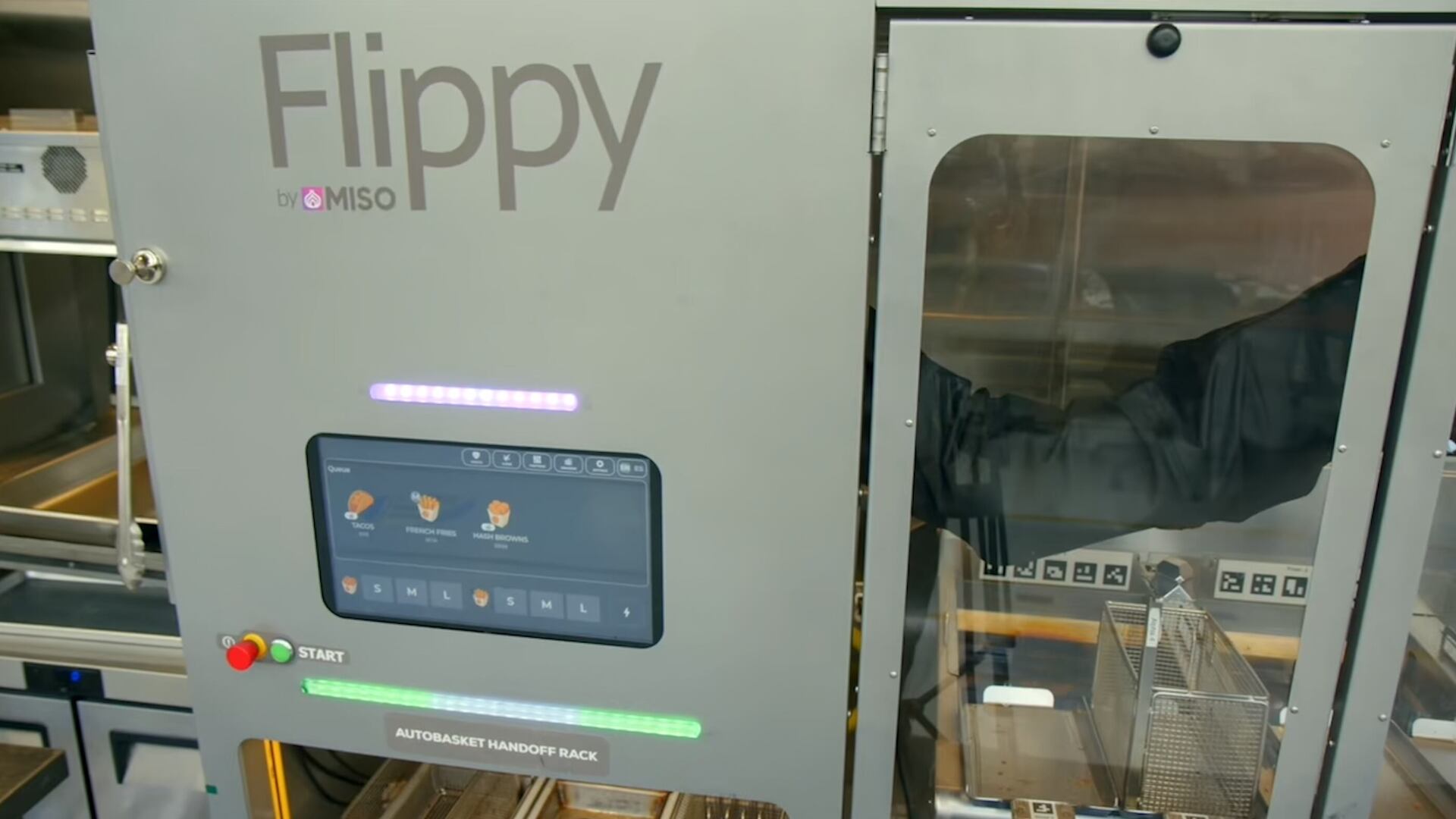
Miso Robotics CEO Rich Hull discusses Flippy Fry Station, the future of AI-powered restaurant automation and how acquiring Zume's IP could reshape food robotics
After two years of AI-fueled spending, Wall Street is asking what's next. Gil Luria breaks down monetization, valuations, winners, losers, and AI's future.
FIFA’s soccer World Cup promises to deliver $11.1 billion in spending and $30.5 billion economic impact for the U.S., but how much is it really helping?