A surprise settlement brought an early end to the high-profile court battle between Uber and Waymo on Friday.
And Quartz’s Alison Griswold says that, after all the drama, there was one person who came out as the winner: Uber’s new chief exec Dara Khosrowshahi.
“He wrote this letter [after the agreement] saying that his job is to set the course for the future of the company,” she said. “He gets to come out looking like the adult in the room and the one who’s cleaning up the mistakes of his predecessor, which is only good for his image of turning Uber around.”
Waymo, the self-driving car unit of Google parent Alphabet, sued Uber a year ago, alleging trade secret theft. At trial this week, lawyers painted a picture of a vast conspiracy by former CEO Travis Kalanick and Anthony Levandowski, a former Waymo engineer whose start-up Otto was acquired by Uber in 2016, to steal technology and get ahead in the autonomous vehicle race.
But before the start of the fourth day of testimony, the companies said they reached a deal. Uber agreed not to use any Waymo technology or components in its cars. The company also handed over a 0.34 percent stake, valued at about $245 million.
In his letter, Khosrowshahi said he regretted the actions that led to the trial and that he agrees “Uber’s acquisition of Otto could and should have been handled differently.”
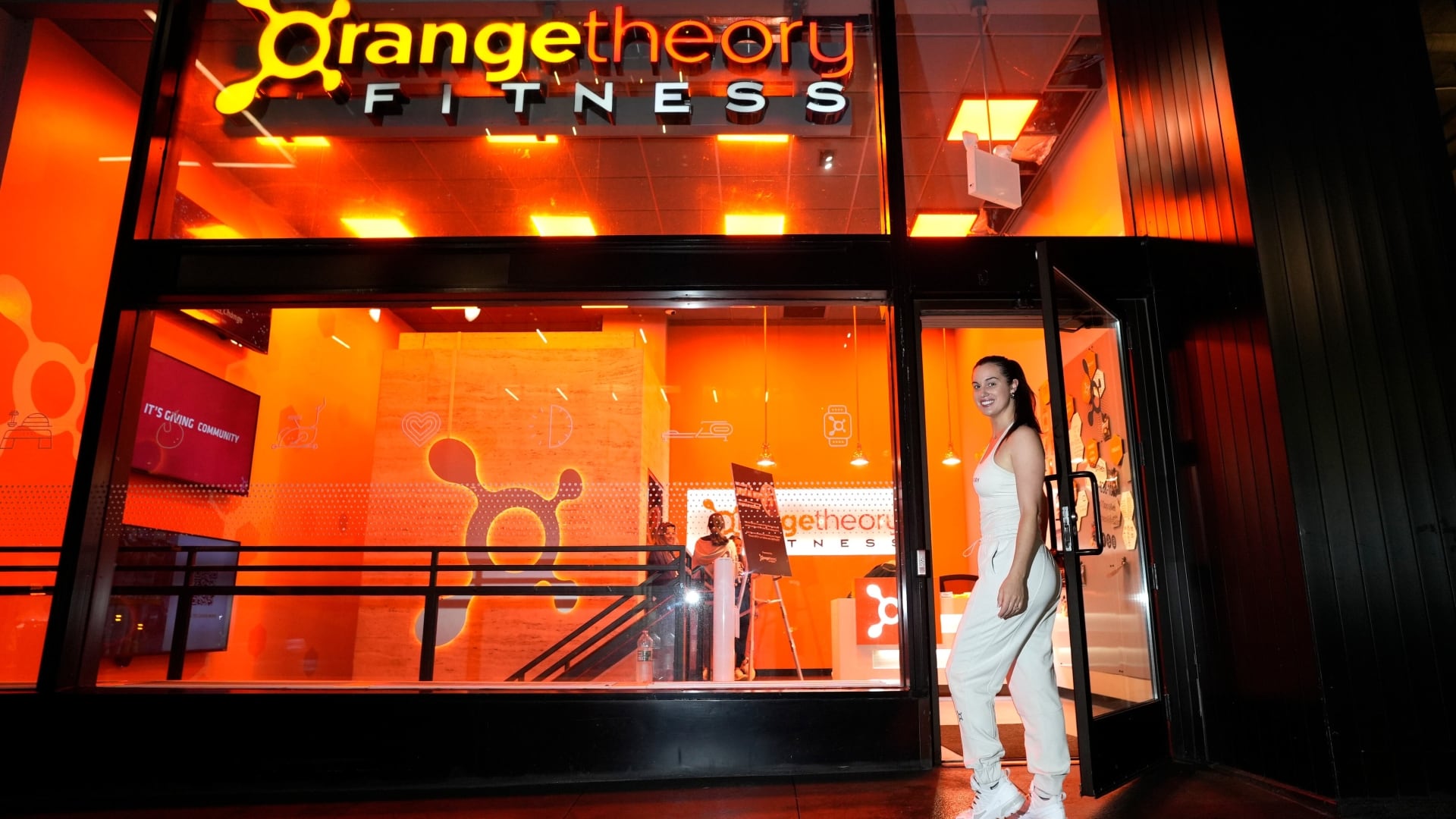
Orangetheory Fitness is redefining the future of workouts with smarter tech, strength-based programming, and community-driven studios built for what’s next.
Wealthfront’s CFO Alan Iberman talks the $2.05B IPO and the major moment for robo banking as the company bets on AI, automation, and “self-driving money."
U.S. sports betting is booming as NFL and college football fuel massive activity. BetMGM CEO Adam Greenblatt breaks down trends, growth, and what’s next.
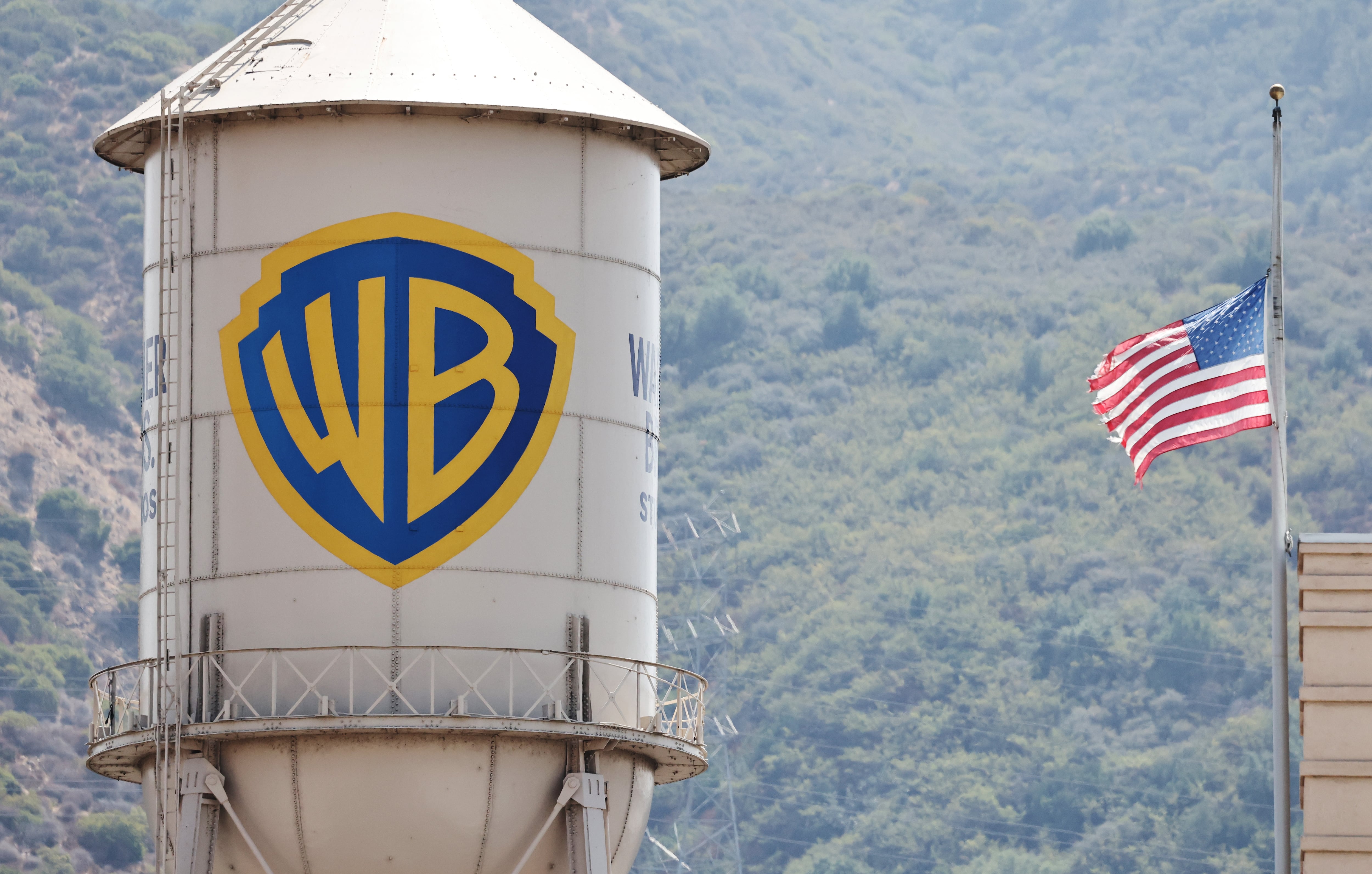
With a merger this big, creators, studios, and theaters all face uncertain futures. Here’s what experts are worried about and what good could come from it.