It took Tesla some time to hit its goal of producing 5,000 Model 3s a week, but Elon Musk's car company is apparently ready to ramp up production in a big way.
In its second quarter earnings report Wednesday, the electric automaker said it expects to manufacture more than 6,000 of the mass-market vehicles a week by the end of the month, and most factories would be able to produce 10,000 cars a week by the end of the year.
That would be a big step toward achieving profitability. Musk has said that sustained production of the Model 3 is essential for increasing cash flow and cutting losses. Though Tesla posted a bigger loss than expected for the quarter ー $3.06 a share versus an estimated $2.92 loss per share ー the company burned through $739.5 million, less than the $1 billion it lost at the start of the year.
In all, the company produced more than 53,000 cars ーModel 3s, Model Ss, and Model Xs ー during the second quarter, and delivered almost 41,000 vehicles. It also took a restructuring charge for cutting its workforce by 9 percent.
Shares of Tesla were up more than 4 percent after the report.
For more on this story, [click here](https://cheddar.com/videos/tesla-stocks-rise-after-earnings-report).
New research shows that exposure to polyfluoroalkyl substances (PFAS), also known as "forever chemicals" can hamper growth and development in children by "altering hormonal and metabolic pathways."
The Centers for Disease Control and Prevention (CDC) on Monday warned that a deadly fungus called Candida auris (C. auris) is spreading at an "alarming rate" in the U.S. healthcare facilities.
Karuna Therapeutics' top-experimental schizophrenia drug significantly reduced symptoms in a late-stage trial but there were concerns that it could cause hypertension in patients.
One of television's most successful writers made a big donation to the Cedars Sinai Medical Center in Los Angeles to help underserved community members gain the skills to become health care professionals.
The UN Intergovernmental Panel on Climate Change (IPCC) has released a new report providing multiple options for how the world can survive and adapt to climate change.
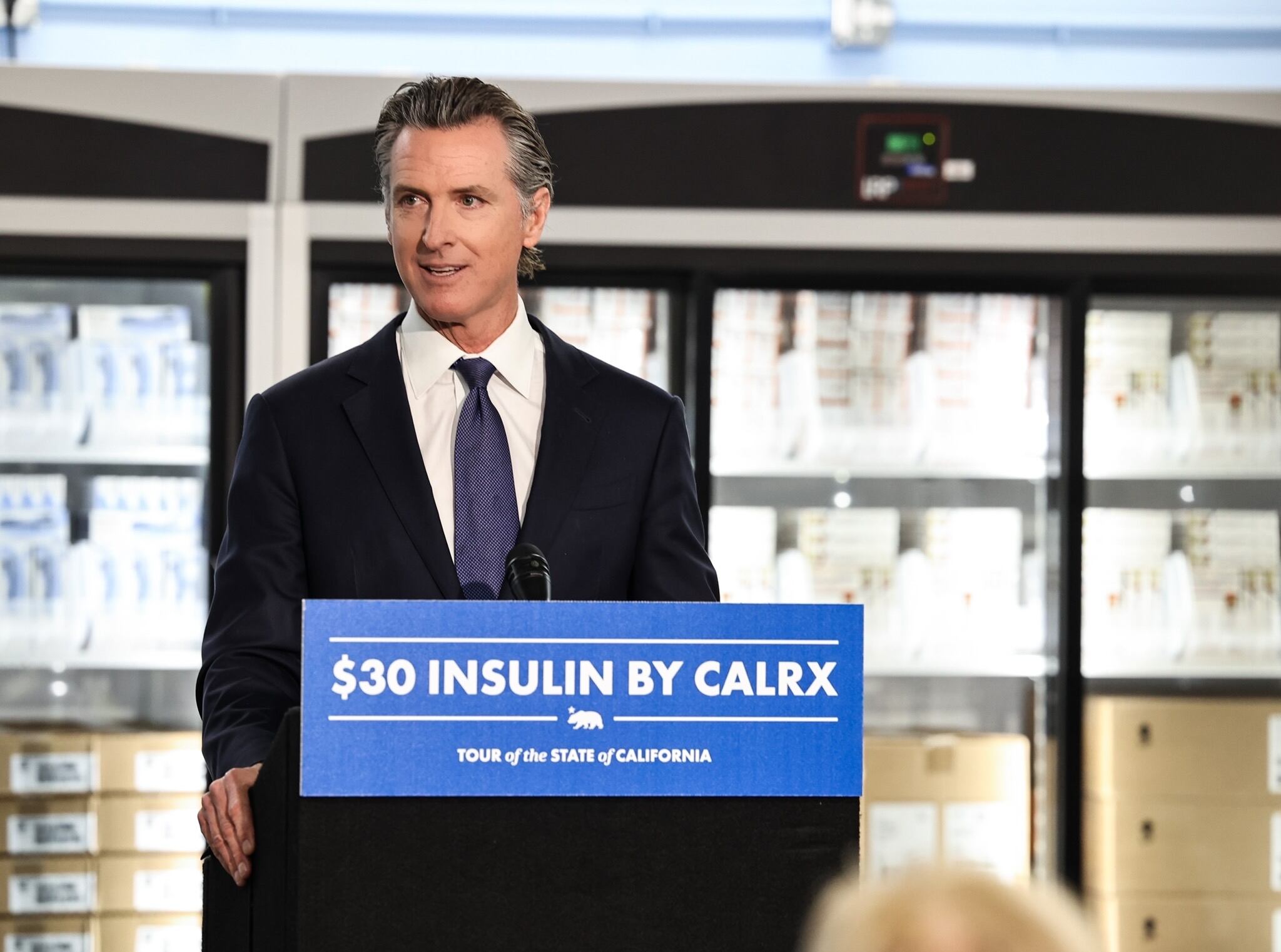
California Gov. Gavin Newsom over the weekend announced that the state has secured a contract with CIVCA to make $30 insulin available to all who need it. He also announced that the state will start manufacturing Naloxone, an emergency medication used to rapidly reverse the effects of an opioid overdose.
The global bottled water industry is booming, and it's coming at a steep environmental cost, according to the United Nations University Institute for Water, Environment and Health.