It took Tesla some time to hit its goal of producing 5,000 Model 3s a week, but Elon Musk's car company is apparently ready to ramp up production in a big way.
In its second quarter earnings report Wednesday, the electric automaker said it expects to manufacture more than 6,000 of the mass-market vehicles a week by the end of the month, and most factories would be able to produce 10,000 cars a week by the end of the year.
That would be a big step toward achieving profitability. Musk has said that sustained production of the Model 3 is essential for increasing cash flow and cutting losses. Though Tesla posted a bigger loss than expected for the quarter ー $3.06 a share versus an estimated $2.92 loss per share ー the company burned through $739.5 million, less than the $1 billion it lost at the start of the year.
In all, the company produced more than 53,000 cars ーModel 3s, Model Ss, and Model Xs ー during the second quarter, and delivered almost 41,000 vehicles. It also took a restructuring charge for cutting its workforce by 9 percent.
Shares of Tesla were up more than 4 percent after the report.
For more on this story, [click here](https://cheddar.com/videos/tesla-stocks-rise-after-earnings-report).
Blame geography for the U.S. getting hit by stronger, costlier, more varied and frequent extreme weather than anywhere on the planet, several experts said. But that's only part of it.
Residents across a wide swath of the U.S. raced Sunday to assess the destruction from fierce storms that spawned possibly dozens of tornadoes from the South and the Midwest into the Northeast.
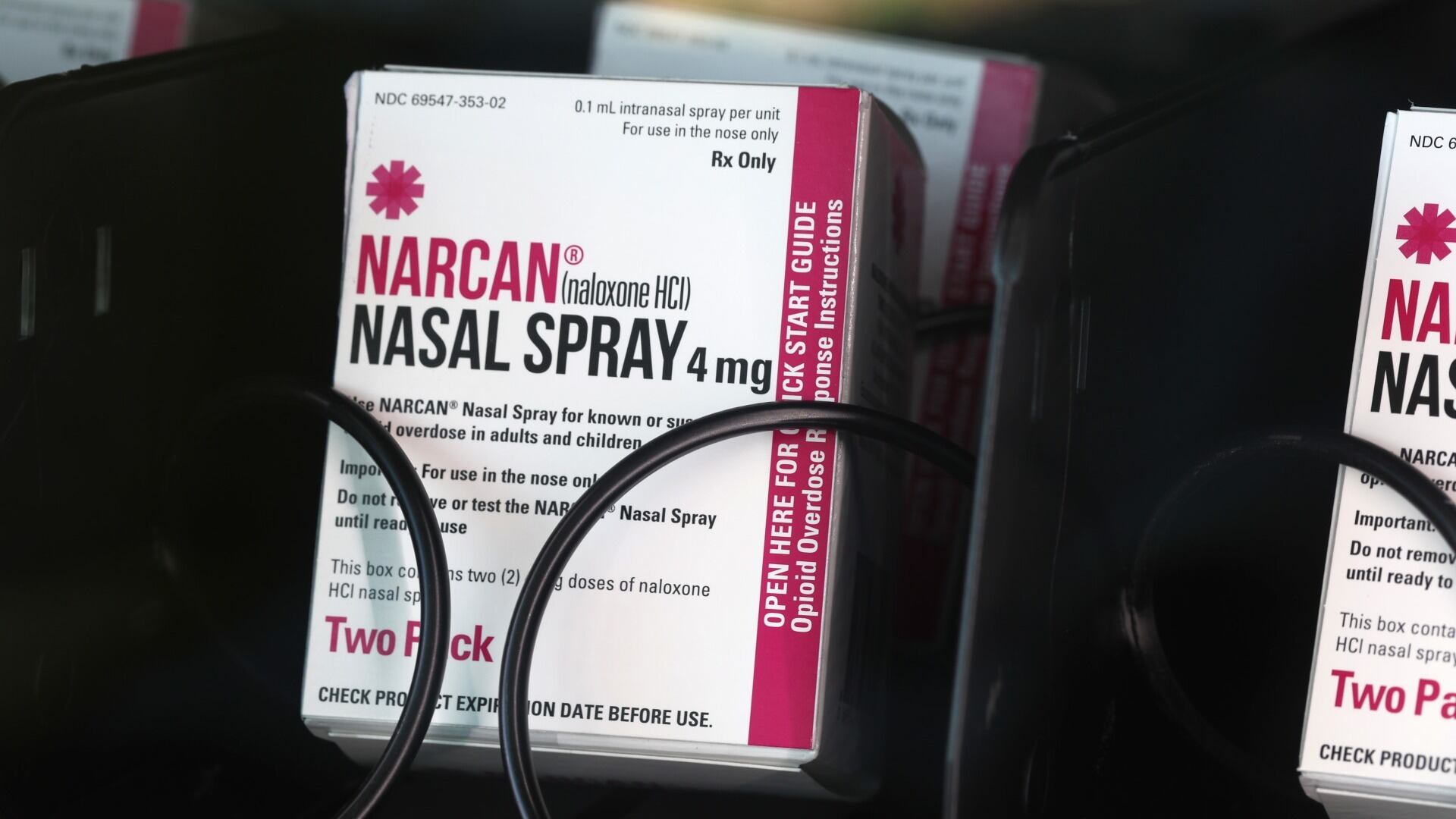
The U.S. Food and Drug Administration has approved selling overdose antidote naloxone over-the-counter, marking the first time a opioid treatment drug will be available without a prescription.
Millions of Americans could lose access to Medicaid on April 1, and Joe Dunn, senior vice president of public policy at the National Association of Community Health Centers, joined Cheddar News' anchor Shannon LaNier to discuss what this means for public health.
One third of Americans don't have access to primary care providers in their communities, according to a study from the National Association of Community Health Centers published last month.
Neuralink, Elon Musk's brain implant venture, is reaching out to major U.S. neurosurgery centers to potentially begin testing its devices on humans, according to a Reuters report.