It took Tesla some time to hit its goal of producing 5,000 Model 3s a week, but Elon Musk's car company is apparently ready to ramp up production in a big way.
In its second quarter earnings report Wednesday, the electric automaker said it expects to manufacture more than 6,000 of the mass-market vehicles a week by the end of the month, and most factories would be able to produce 10,000 cars a week by the end of the year.
That would be a big step toward achieving profitability. Musk has said that sustained production of the Model 3 is essential for increasing cash flow and cutting losses. Though Tesla posted a bigger loss than expected for the quarter ー $3.06 a share versus an estimated $2.92 loss per share ー the company burned through $739.5 million, less than the $1 billion it lost at the start of the year.
In all, the company produced more than 53,000 cars ーModel 3s, Model Ss, and Model Xs ー during the second quarter, and delivered almost 41,000 vehicles. It also took a restructuring charge for cutting its workforce by 9 percent.
Shares of Tesla were up more than 4 percent after the report.
For more on this story, [click here](https://cheddar.com/videos/tesla-stocks-rise-after-earnings-report).
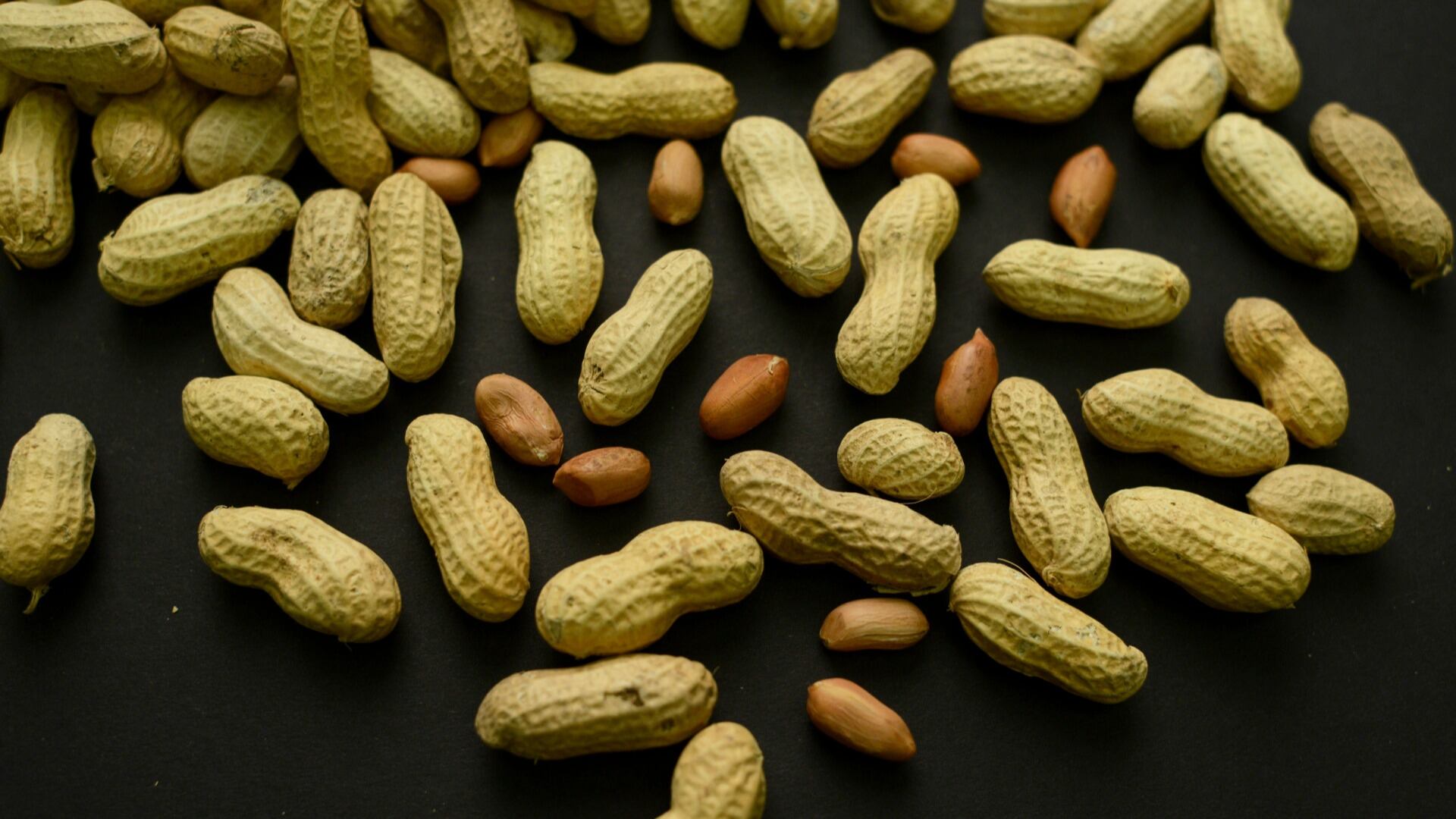
A new study finds an experimental skin patch shows promise to treat toddlers who are highly allergic to peanuts.
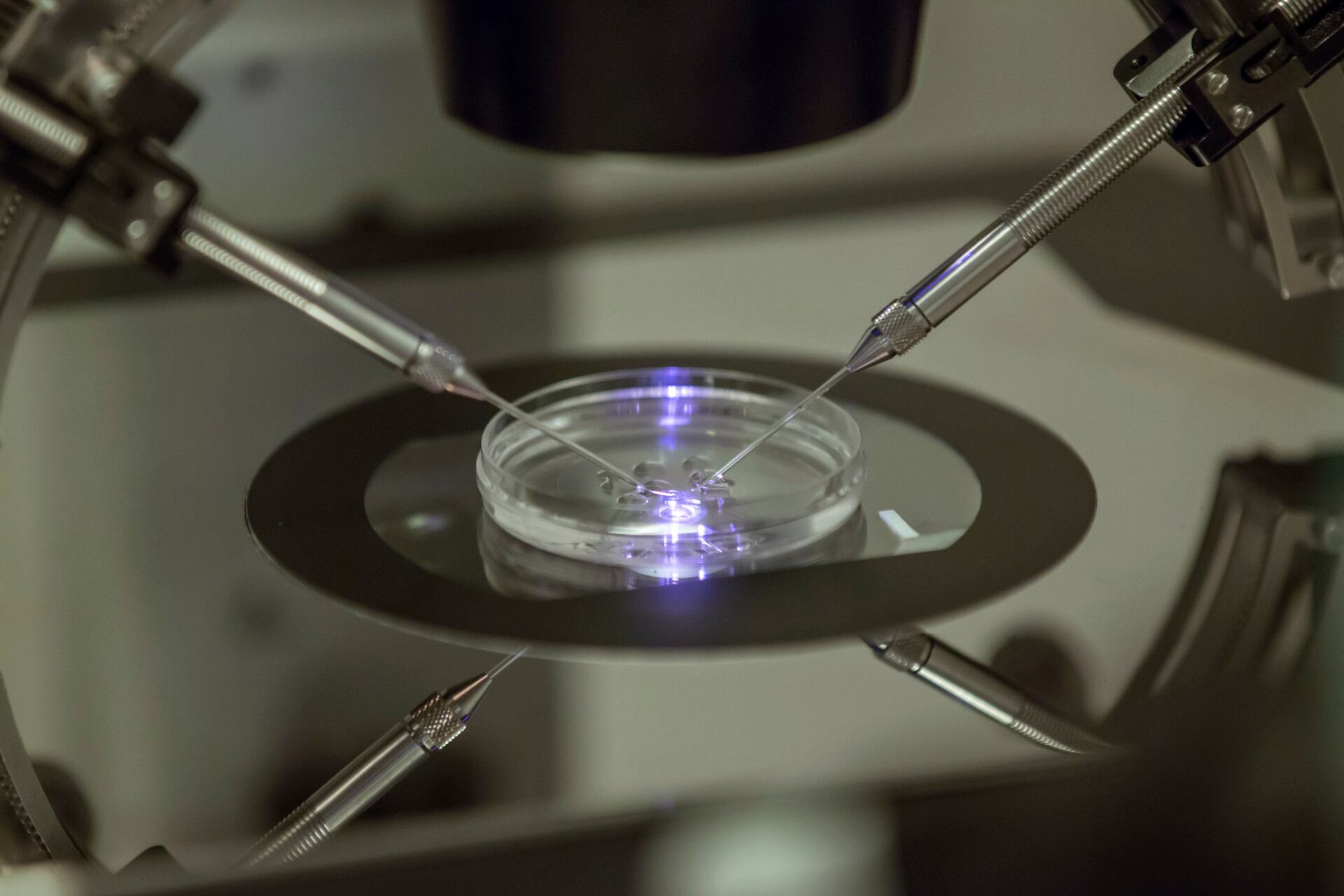
Britain's fertility regulator on Wednesday confirmed the births of the U.K.'s first babies created using an experimental technique combining DNA from three people, an effort to prevent the children from inheriting rare genetic diseases.
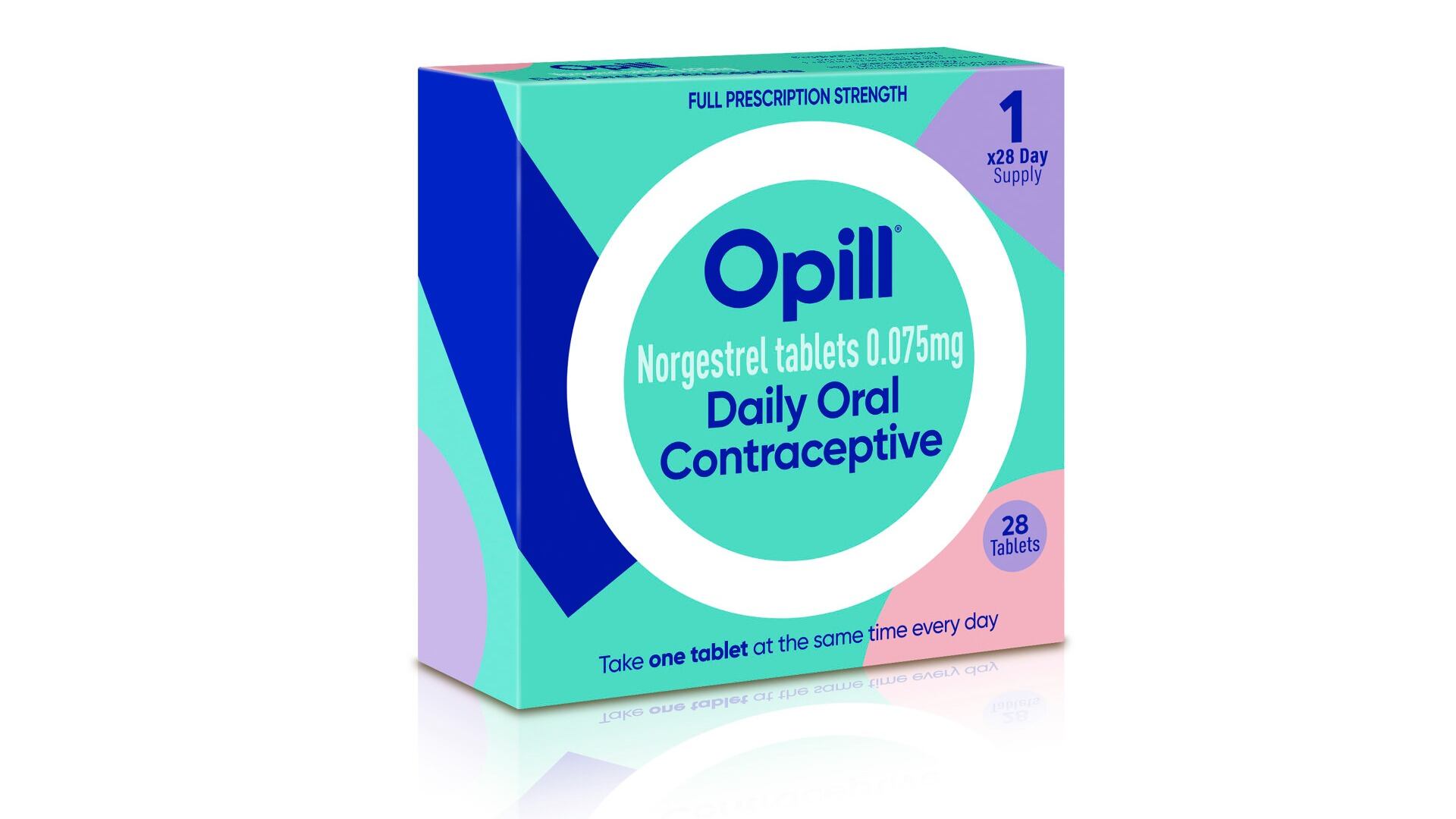
Federal health advisers said Wednesday that a decades-old birth control pill should be sold without a prescription, paving the way for a likely U.S. approval of the first over-the-counter contraceptive medication.
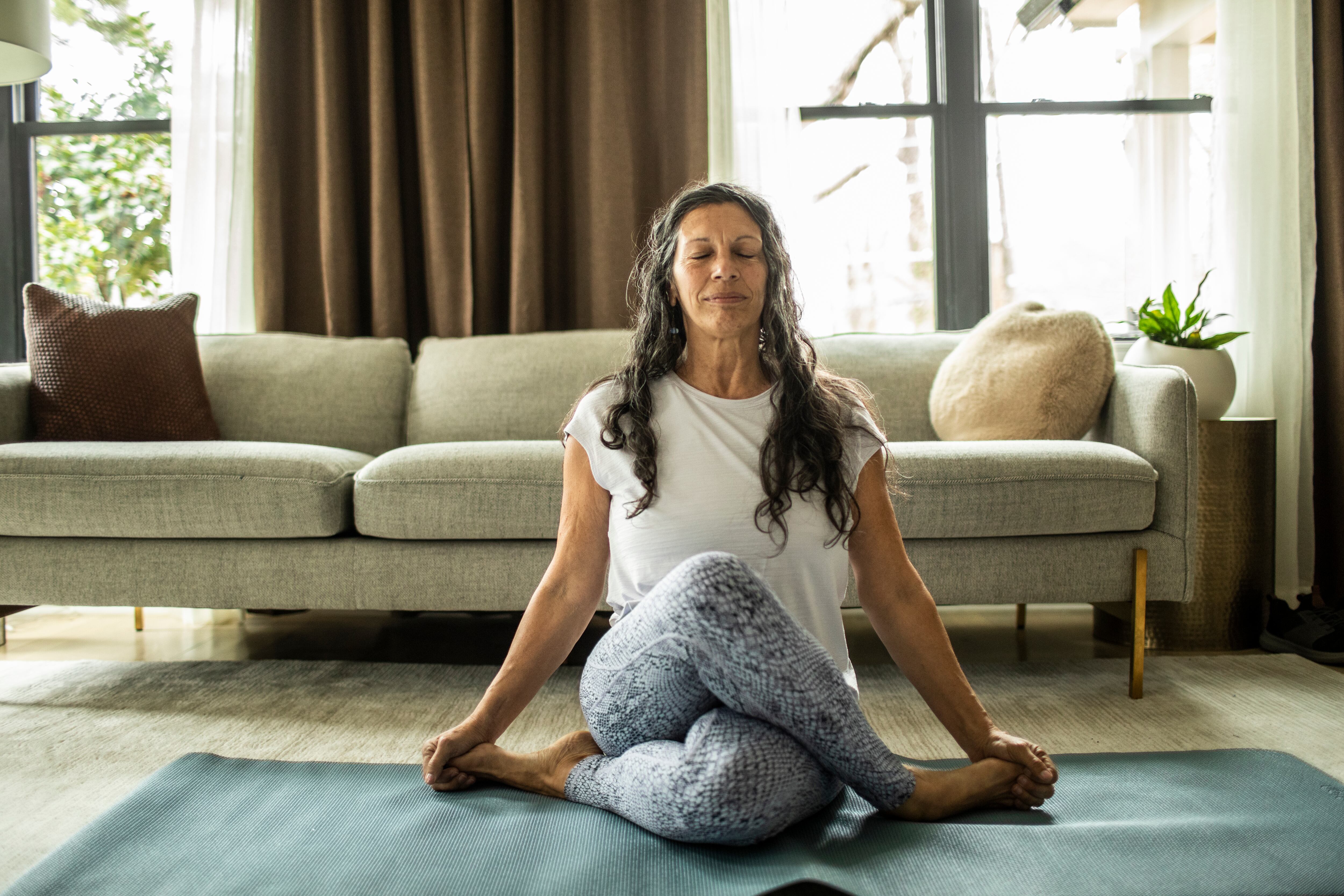
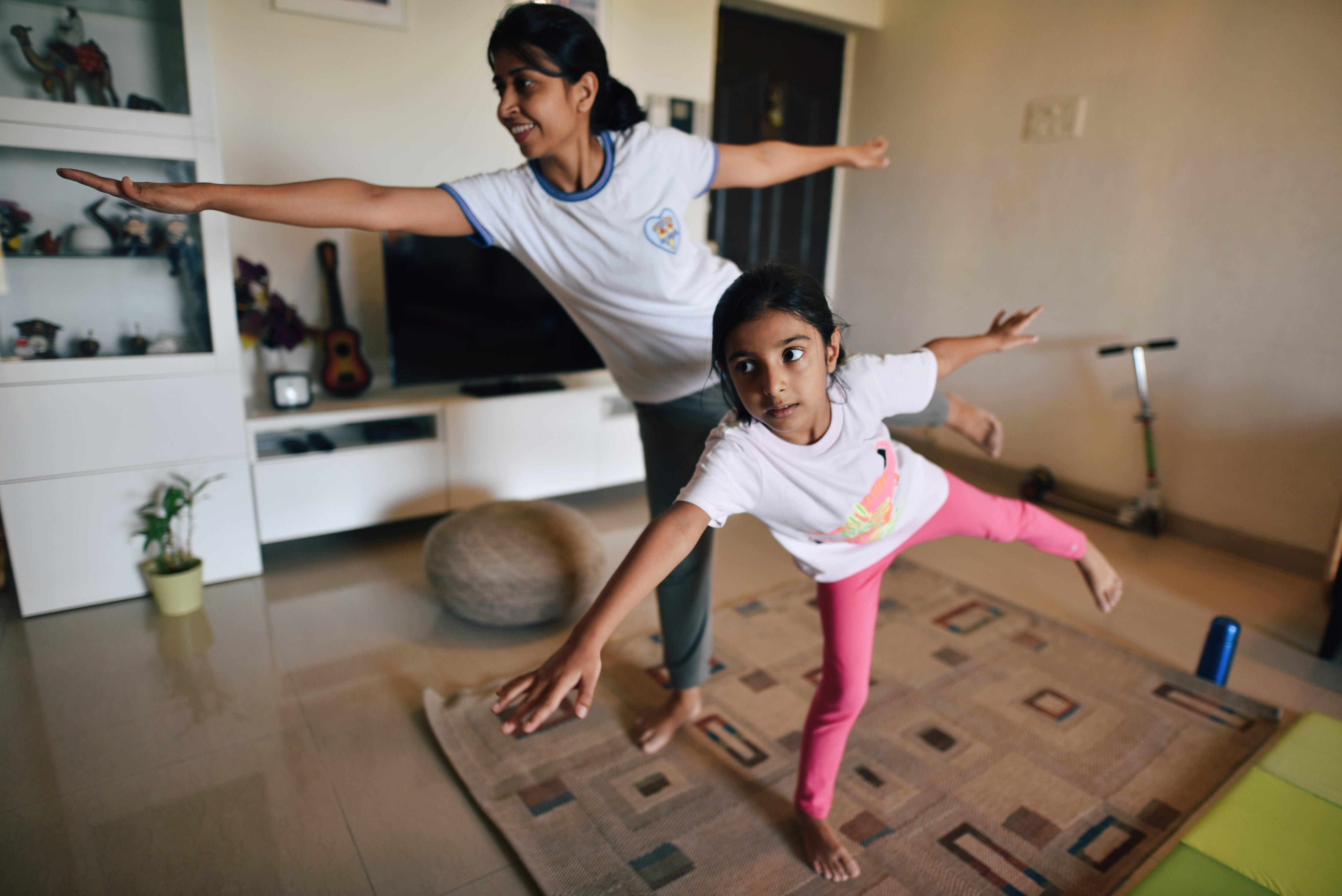
Colette Morales, instructor at Core 95, joined Cheddar News to teach a few basic yoga poses aimed at strengthening multiple areas of the body simultaneously.
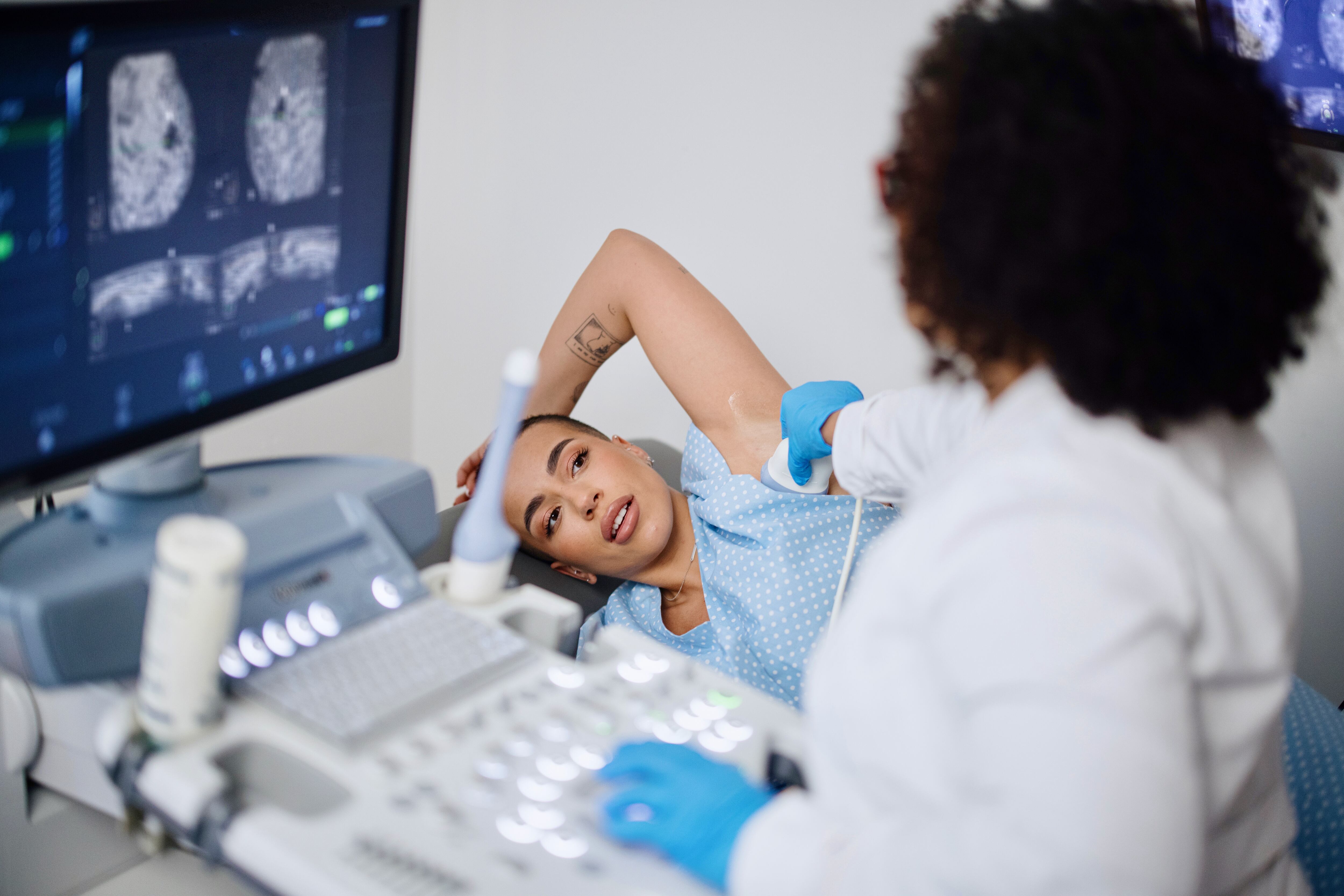
A group of nationally-recognized medical experts are suggesting women start getting breast cancer screening at 40 years old.
The Food and Drug Administration is kicking off a two-day meeting to consider whether to let people get birth control pills without a prescription, with a decision expected by the summer.
Be Well: How Yoga Can Benefit Children
Be Well: Understanding Strokes and How Doctors Work to Reverse Their Effects
Be Well: Destigmatizing Conversations Around Sexual Health and Organs
Be Well: How to Diversify Your Water Consumption