It took Tesla some time to hit its goal of producing 5,000 Model 3s a week, but Elon Musk's car company is apparently ready to ramp up production in a big way.
In its second quarter earnings report Wednesday, the electric automaker said it expects to manufacture more than 6,000 of the mass-market vehicles a week by the end of the month, and most factories would be able to produce 10,000 cars a week by the end of the year.
That would be a big step toward achieving profitability. Musk has said that sustained production of the Model 3 is essential for increasing cash flow and cutting losses. Though Tesla posted a bigger loss than expected for the quarter ー $3.06 a share versus an estimated $2.92 loss per share ー the company burned through $739.5 million, less than the $1 billion it lost at the start of the year.
In all, the company produced more than 53,000 cars ーModel 3s, Model Ss, and Model Xs ー during the second quarter, and delivered almost 41,000 vehicles. It also took a restructuring charge for cutting its workforce by 9 percent.
Shares of Tesla were up more than 4 percent after the report.
For more on this story, [click here](https://cheddar.com/videos/tesla-stocks-rise-after-earnings-report).
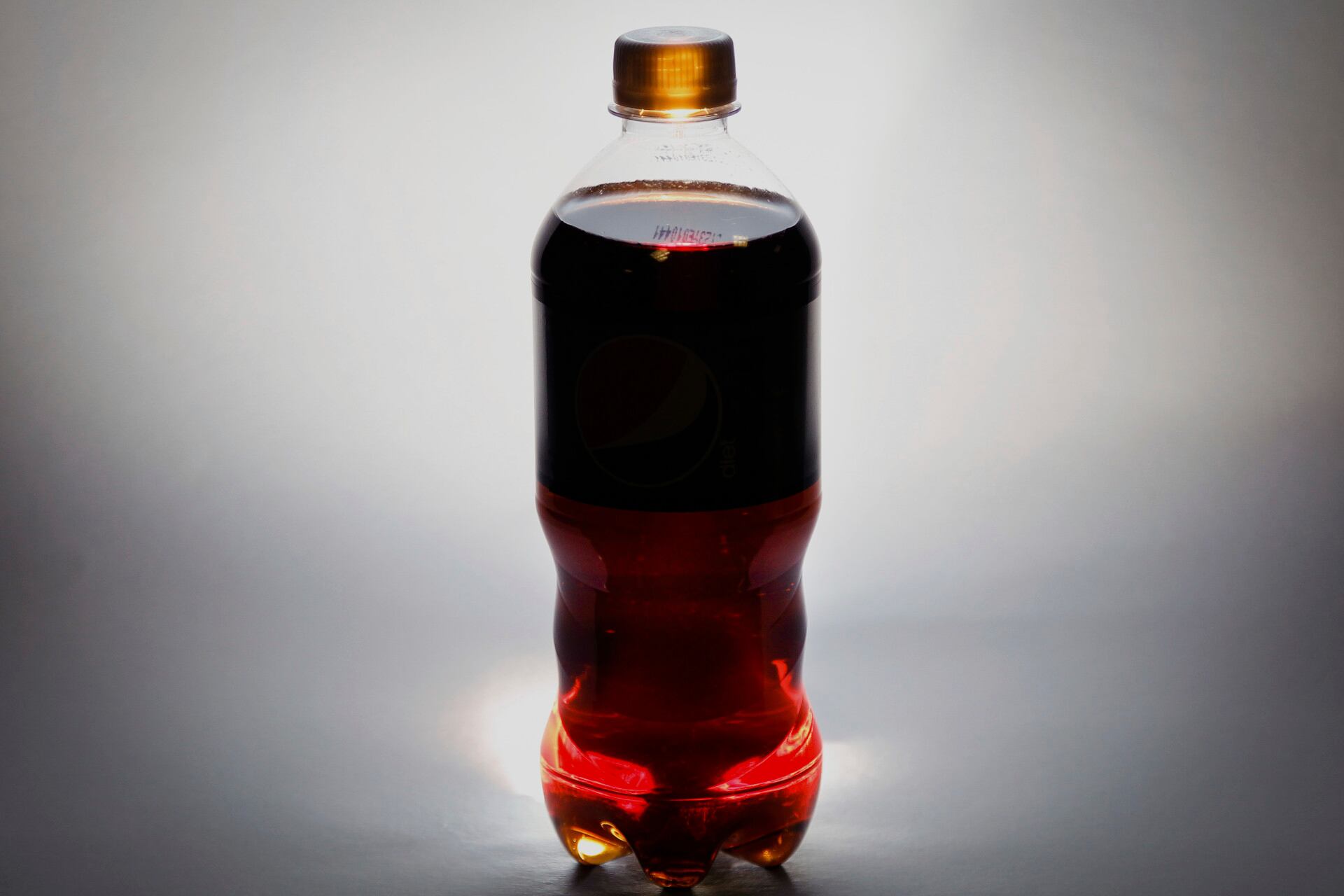
The World Health Organization's cancer agency has deemed the sweetener aspartame — found in diet soda and countless other foods — as a “possible” cause of cancer, while a separate expert group looking at the same evidence said it still considers the sugar substitute safe in limited quantities.
More than a third of Americans were under extreme heat advisories, watches and warnings Thursday as a blistering heat wave that's been baking the nation spread further into California, forcing residents to seek out air conditioning or find other ways to stay cool in triple-digit temperatures.
Tourists in central Athens huddled under mist machines, and zoo animals in Madrid were fed fruit popsicles and chunks of frozen food, as southern Europeans braced for a heat wave Thursday, with a warning of severe conditions coming from the European Union’s space agency.
A new study published in Nature has found that more than 56 percent of the world's oceans have changed color in the past 20 years, and climate change is to blame.
Recently discovered teeth of a two-million-year-old human relative in Africa could give researchers new insight into genetics.
U.S. officials have approved the first over-the-counter birth control pill, which will let American women and girls buy contraceptive medication from the same aisle as aspirin and eyedrops.
The Webb Space Telescope is marking one year of cosmic photographs with one of its best yet: the dramatic close-up of dozens of stars at the moment of birth.