It took Tesla some time to hit its goal of producing 5,000 Model 3s a week, but Elon Musk's car company is apparently ready to ramp up production in a big way.
In its second quarter earnings report Wednesday, the electric automaker said it expects to manufacture more than 6,000 of the mass-market vehicles a week by the end of the month, and most factories would be able to produce 10,000 cars a week by the end of the year.
That would be a big step toward achieving profitability. Musk has said that sustained production of the Model 3 is essential for increasing cash flow and cutting losses. Though Tesla posted a bigger loss than expected for the quarter ー $3.06 a share versus an estimated $2.92 loss per share ー the company burned through $739.5 million, less than the $1 billion it lost at the start of the year.
In all, the company produced more than 53,000 cars ーModel 3s, Model Ss, and Model Xs ー during the second quarter, and delivered almost 41,000 vehicles. It also took a restructuring charge for cutting its workforce by 9 percent.
Shares of Tesla were up more than 4 percent after the report.
For more on this story, [click here](https://cheddar.com/videos/tesla-stocks-rise-after-earnings-report).
Jill and Carlo discuss the pending approval for Pfizer's vaccine for kids, the state of anti-Semitism three years after Tree of Life, potential criminal charges in the 'Rust' prop gun shooting and more.
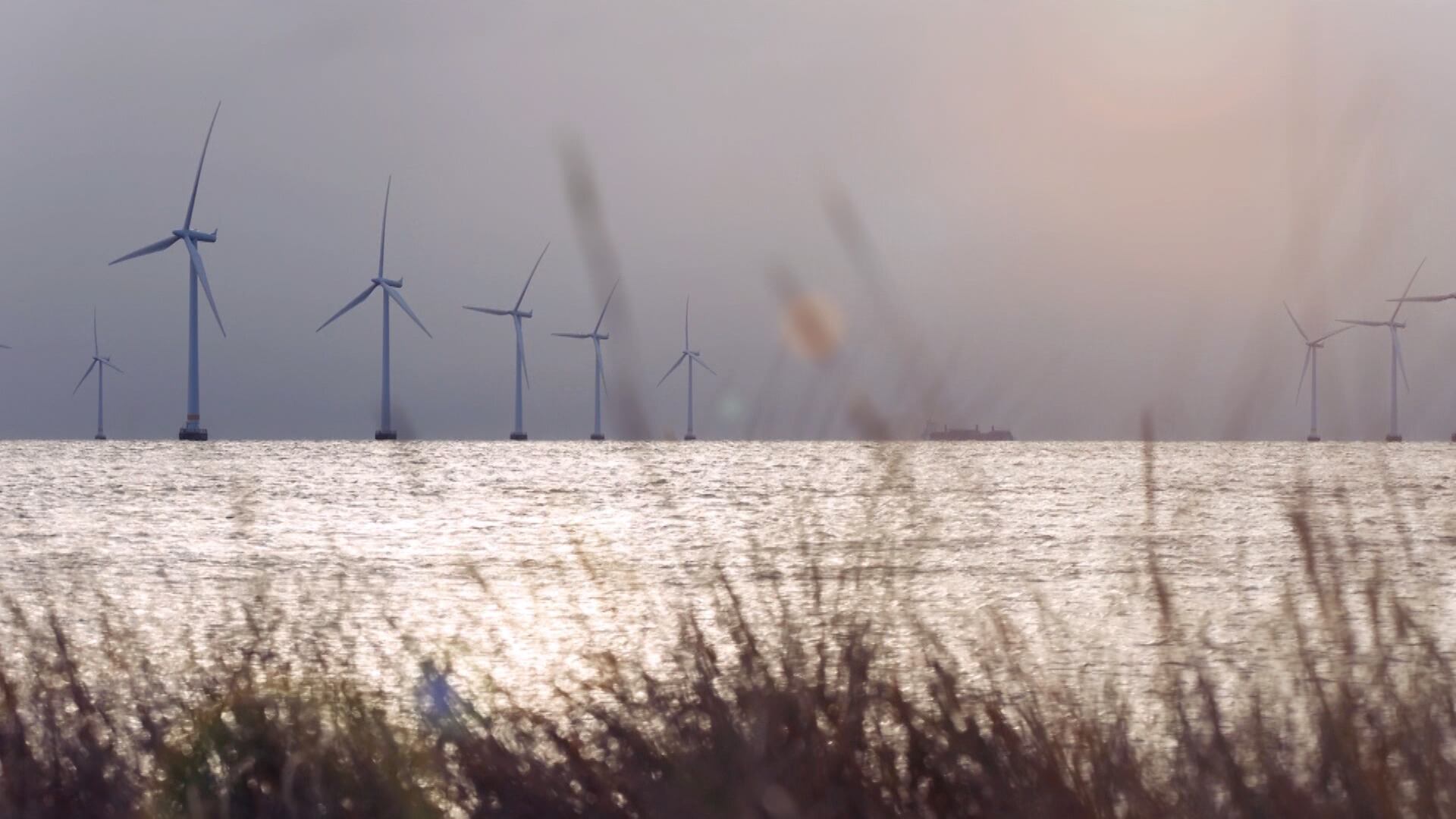
Amalgamated Bank is the first U.S. bank to publish science-based targets to reach net-zero greenhouse gas emissions by 2045. The bank says it will reach this goal through how it engages with customers and how it finances projects. Amalgamated Bank Chief Sustainability Officer Ivan Frishberg joined Cheddar Climate to provide more details about the bank's ambitious climate goals.
COP26 been dealt a blow as Chinese President Xi Jinping and Russian President Vladimir Putin, whose countries are responsible for a third of the world's annual greenhouse gas emissions, will not be in attendance. Bertrand Piccard, Chairman and Founder of the Solar Impulse Foundation, joins Cheddar Climate, where he discusses what he expects to see when the summit commences in Glasgow.
John Nosta, WHO Technology Expert, joins Cheddar News to discuss evolving technology in the healthcare industry and the role 5G is playing in advancing healthcare delivery.
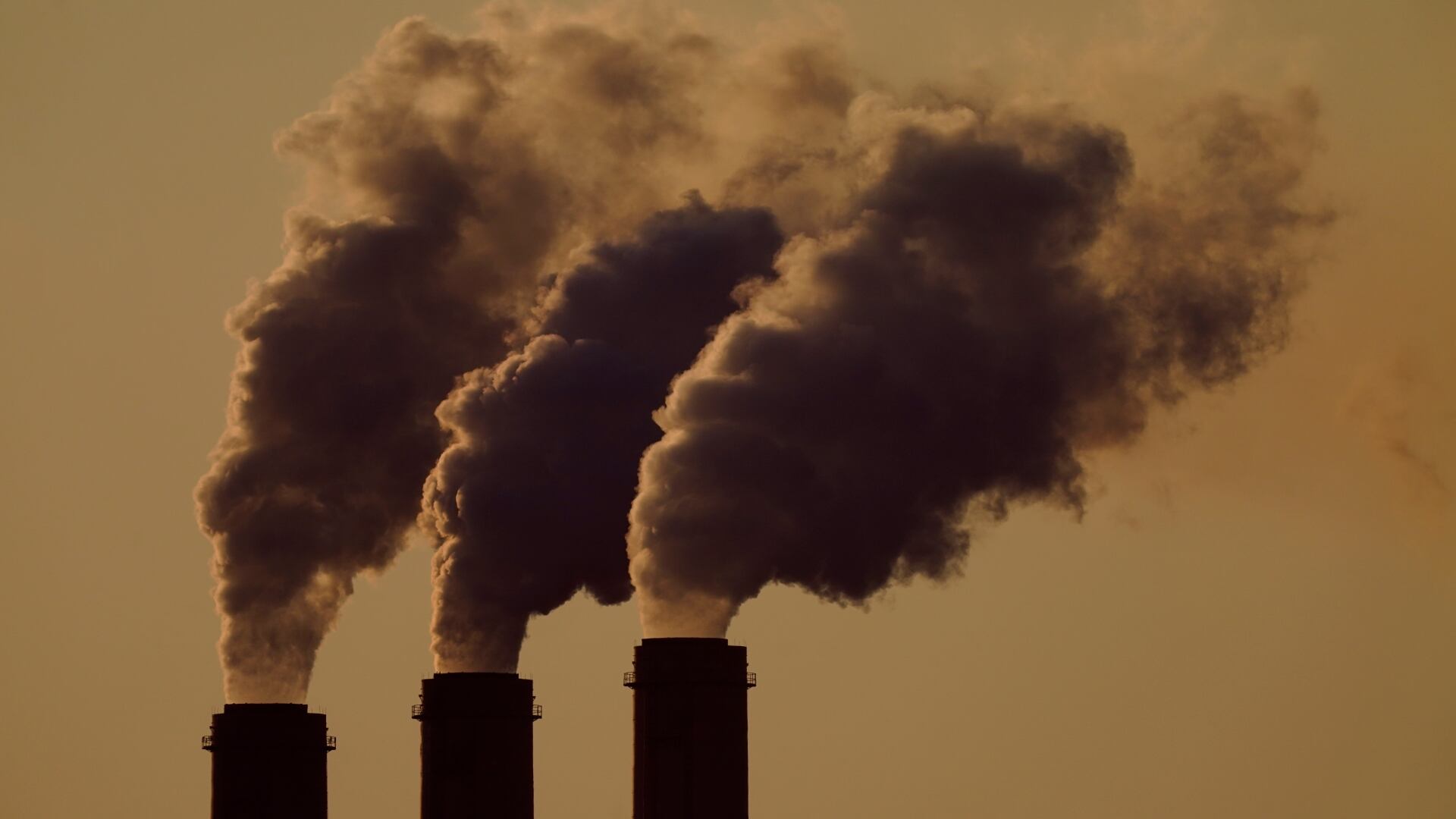
According to the latest report from the UN, several countries around the world are "nowhere near" towards their goal of limiting gas emissions. This report comes ahead of the COP26 which is slated to take place in the month of November in Scotland. Senior Advisor at CDP Paula Diperna, joined Cheddar to discuss what the report highlights and what this tells us about the future plans of the Paris Climate Agreement.
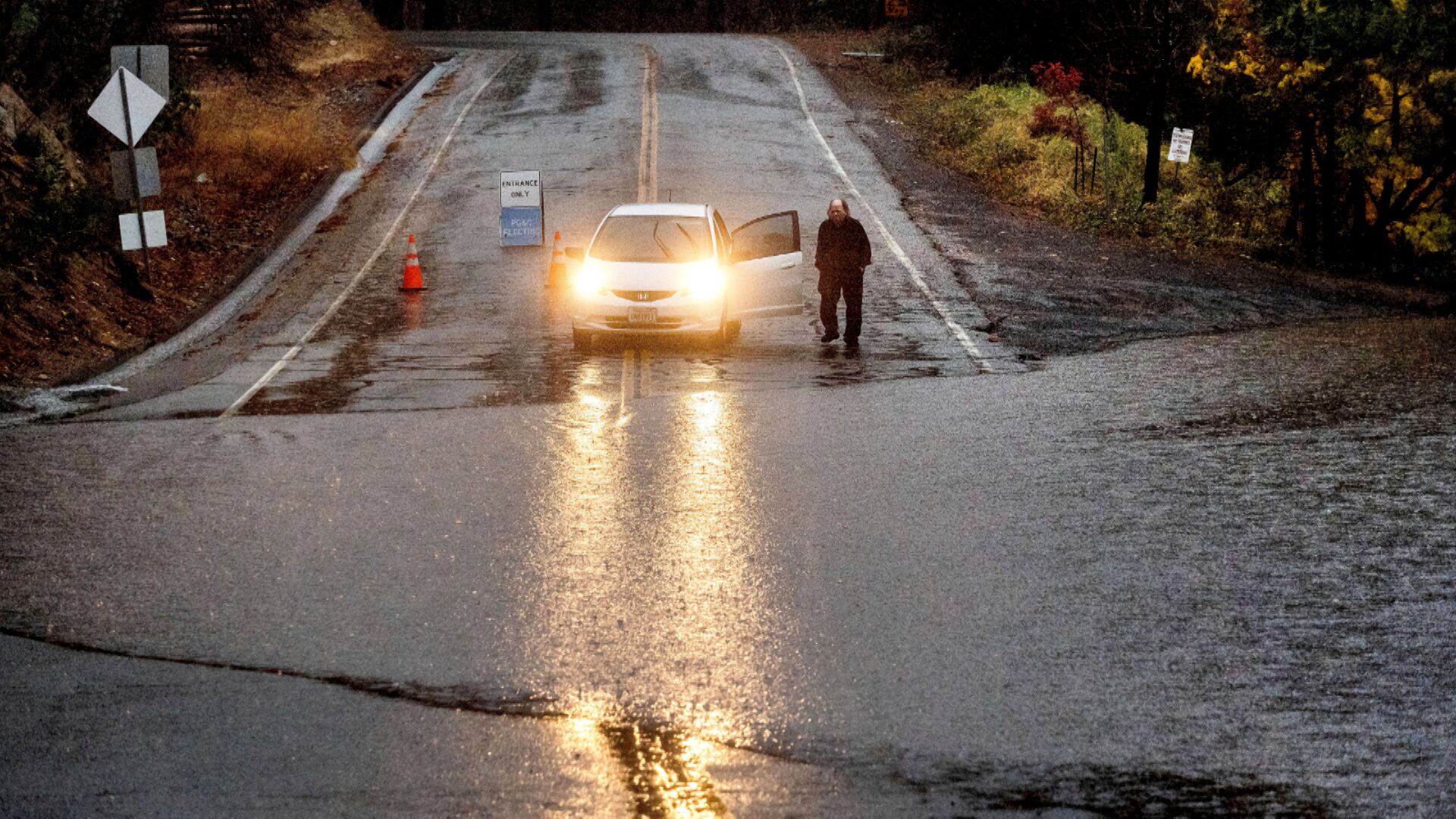
Powerful weather systems over California have caused record amounts of rainfall in the state, including over wildfire-scorched lands since triggering massive landslides.
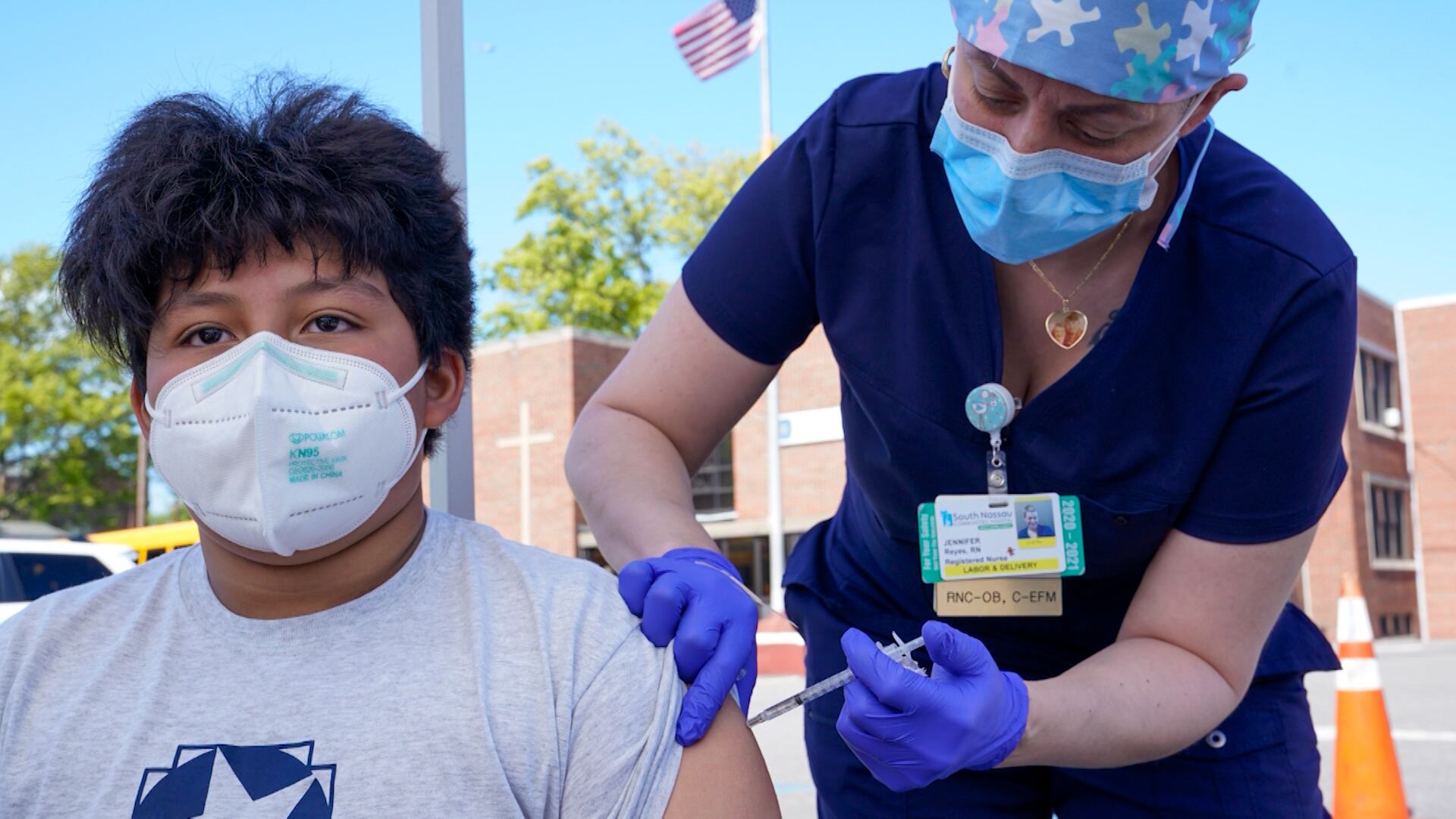
The FDA meets today on whether or not vaccines for children ages 5-11 can potentially become available to the public. Cheddar News was joined by Dr. Richard Besser, President and CEO of the Robert Wood Johnson Foundation and former Acting Director of the CDC to discuss what could come next for these vaccines.
Dan DePodwin, Director of Forecasting Operations at AccuWeather, joined Wake Up With Cheddar to talk about the extreme weather across the country, including damaging rains in the drought-stricken western U.S. and an incoming Nor'easter that's likely to cause flooding and power outages along the Atlantic coast.
Jill and Carlo cover the news out of Facebook's latest earnings, Tesla's monumental day, Dave Chappelle addresses controversy and the tragedy of the climate emergency.
The UN's World Meteorological Organization reported that carbon dioxide in the atmosphere hit record levels in 2020, despite coronavirus-related lockdowns. With the COP26 international meeting on climate change less than a week away, Risk and behavioral scientist Dr. Sweta Chakraborty joined Cheddar to break down the "code red for humanity" the report represents and what actual commitments must be made to prevent significant global temperature increases.