The Economist Intelligence Unit (EIU) has released its list of more livable cities, and for the second year in a row Vienna has taken the top spot. The Austrian city had a near perfect score of 99.1 percent.
The 140 cities were ranked based on stability, health care, culture and environment, education, and infrastructure. Vienna earned nearly perfect scores in all categories. It was followed by Melbourne and Sydney, Australia; Osaka, Japan; and Calgary, Canada. Melbourne previously held the number one spot for seven consecutive years before it was unseated by Vienna in 2018.
The cities that fill out the top 10 remain the same as last year, although some of the positions have changed. EIU notes that medium-sized cities in wealthy countries tend to do well in the rankings.
Honolulu was the highest rated city in the United States, with Atlanta, Pittsburgh, Seattle, Washington, D.C., and Chicago all making it into the top 50.
Major financial hubs did not fare all that well on the list. London came in at 48. New York City is number 58. While New York was ranked highly for culture, it lost points for infrastructure and stability.
The least livable city in the world is Damascus, Syria, followed by Lagos, Nigeria; Dhaka, Bangladesh; Tripoli, Libya; and Karachi, Pakistan.
Twitter, of course, had some priceless reactions to the news.
Catching you up on the entertainment headlines of the day with Justin Timberlake selling his entire musical catalog to IP management firm Hipgnosis, Ellen DeGeneres airing the final episode of her show, Alanis Morissette making a guest appearance on Olivia Rodrigo’s ‘Sour’ tour, and more.
Cheddar recently teamed up with Amazon Bestseller Jamie Hopkins to explore the term 'Rewirement' while highlighting those who didn't let retirement be the end of their journey... Instead, they used it as a new beginning.
Today, Jamie is speaking with Linda Lombri, a former home economist and marketing executive, and Virginia Cornue, a former cultural anthropologist. For them, retirement didn't mean stopping work--it meant re-inventing themselves and living out their dreams of becoming mystery authors, even though neither had written fiction before. Together, Linda and Virginia began an e-book series, the Sandra Troux Mysteries.
Brightseed Co-Founder Sofia Elizondo breaks down what plant bioactives are, and how they're using the latest technology to study human's biological connections with plants.
On this episode of Cheddar Innovates: Brightseed Co-Founder breaks down what plant bioactives are, and how they're using the latest technology to study human's biological connections with plants; Esper Bionics CEO breaks down how they re creating a mind-controlled bionic hand that guest smarter the more you use it; Cheddar gets a look at Curiosity Stream's 'Capturing A Black Hole In Our Milky Way.'
The number of births in the U.S. increased last year for the first time in seven years. According to a new federal report, about 3.6 million babies were born in 2021, only about a 1% increase from 2020. Ted Rossman, a senior industry analyst for creditcards.com, joined Cheddar's Opening Bell to discuss why the pandemic baby boom was more like a baby bust, and how to raise kids while on a tight budget.
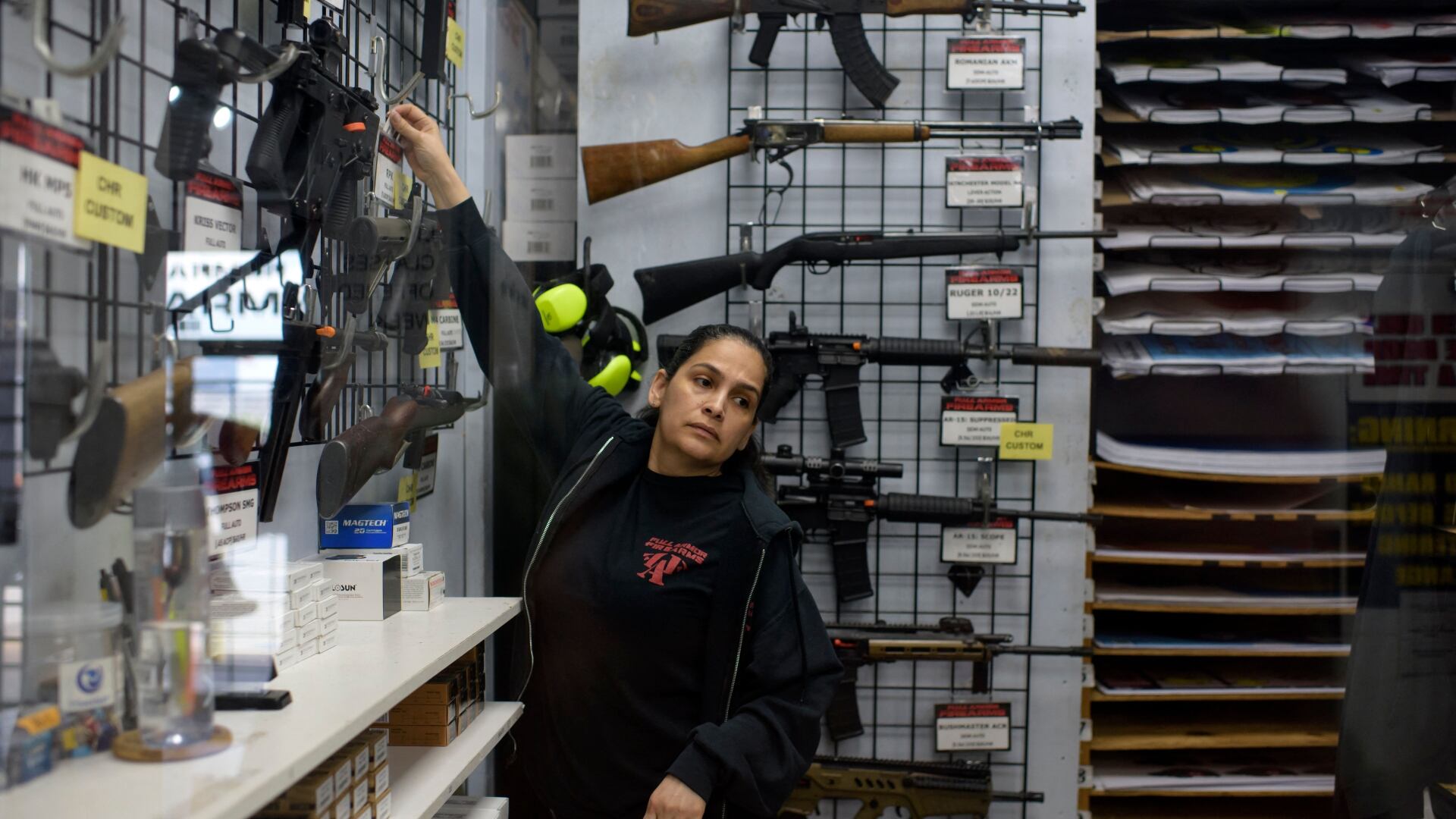
Following the mass shooting at the Robb Elementary School in Uvalde, Texas, that left 19 children and two adults dead, the debate over gun control has been reignited. While studies have shows most Americans agree on some additional regulations, there hasn't been much legislative traction even as gun violence worsens in the country. Brian Lemek, the executive director of Defend The Vote and the former executive director at Brady PAC for gun control, joined Cheddar to discuss reform efforts. "The lawmakers that we have aren't passing these at the federal level," he said. "That's the problem. We have the wrong people in charge."
The crypto industry is still reeling from Terra's recent crash. The company's blockchain was temporarily halted earlier this month after the collapse of its cryptocurrency Luna (LUNA) and its stablecoin TerraUSD (UST), which led to almost $45 billion being wiped from the tokens' market caps within a week. Now, many are left wondering what Terra's struggles mean for the broader crypto market. Reeve Collins, CEO of the NFT platform BLOCKv, joins Cheddar News' Closing Bell from Davos 2022 to discuss.