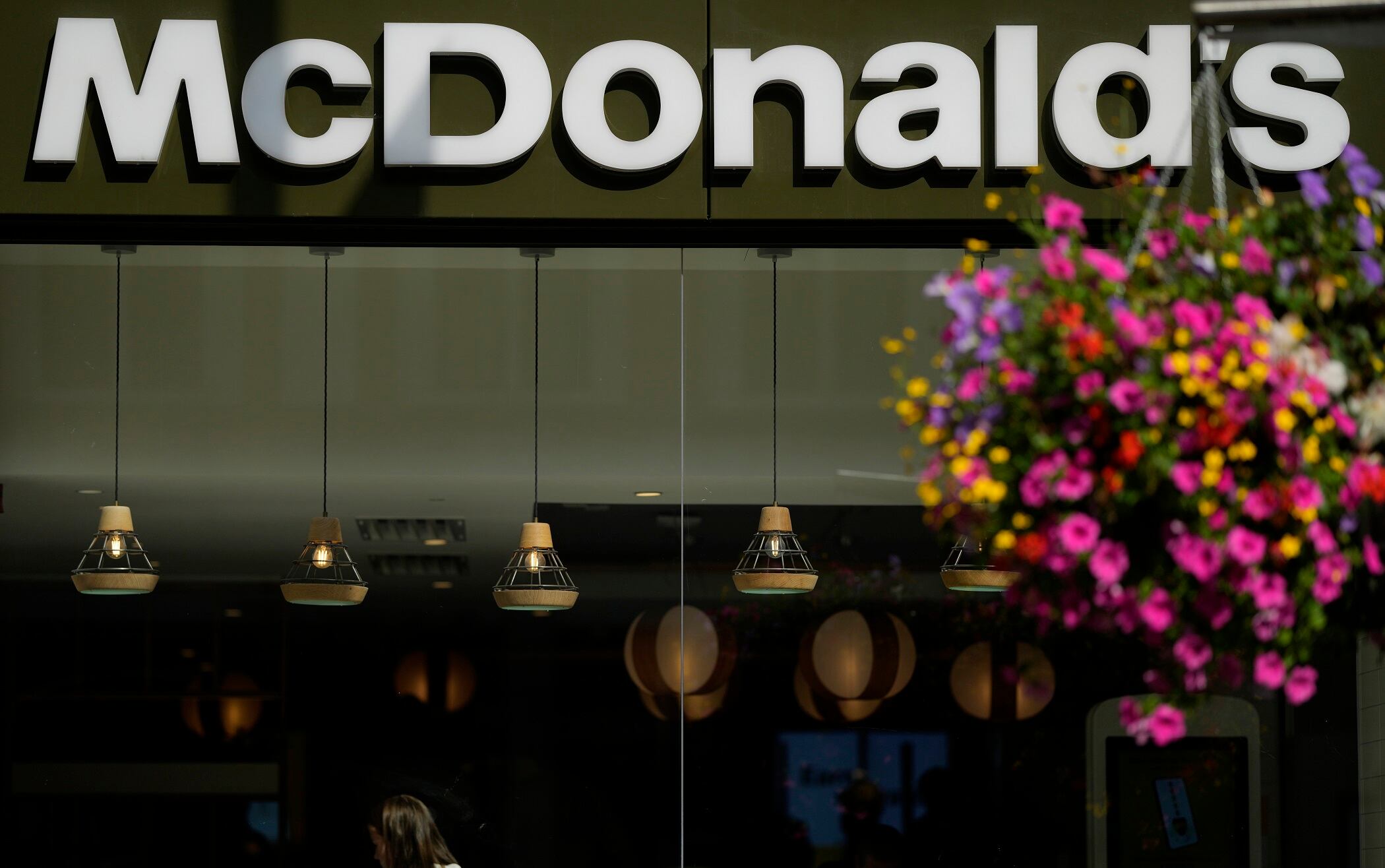
McDonald’s says it has pulled milkshakes from the menu in all 1,250 of its British restaurants because of supply problems stemming from a shortage of truck drivers.
The fast-food chain says it is also experiencing shortages of bottled drinks.
“Like most retailers, we are currently experiencing some supply chain issues, impacting the availability of a small number of products,” McDonald’s said in a statement Tuesday. “Bottled drinks and milkshakes are temporarily unavailable in restaurants across England, Scotland and Wales.”
It said it was “working hard to return these items to the menu.”
It is the latest in a series of shortages to parts and products in Britain blamed on a combination of Brexit and the coronavirus pandemic. Britain’s exit from the European Union at the end of last year has made it harder for the bloc’s citizens to work in the U.K., and businesses have also been hit by large numbers of employees having to self-isolate because of possible exposure to the virus.
Industry body the Road Haulage Association says pandemic restrictions over the past 18 months have delayed many new recruits taking their driving tests. The group says Britain is short about 100,000 drivers, from a pre-pandemic total of 600,000.
Last week, chicken chain Nando’s temporarily shut about 50 outlets because of a shortage of poultry. KFC also warned recently that supply chain issues meant it was unable to stock some menu items.
Supermarkets have also reported problems getting some products onto shelves.
The U.K. government has temporarily eased restrictions on the number of hours drivers can work in an attempt to improve the situation.