By Damian J. Troise
The stock market recovered from an afternoon stumble Thursday and ended with some modest gains, enough to mark more record highs for the S&P 500 and the Nasdaq composite.
Investors had a fresh batch of economic data to weigh as they gauge the economic recovery, but much of the focus will be on a key employment report from the Labor Department on Friday.
Trading remains quiet as the summer holiday season comes to a close and Wall Street heads into a three-day holiday weekend. Activity is expected to pick up next week once traders are back from vacation. Typically September is one of the market’s more volatile months.
The S&P 500 rose 12.86 points, or 0.3%, to 4,536.95, topping a record set on Monday. The Dow Jones Industrial Average rose 131.29 points, or 0.4%, to 35,443.82. The Nasdaq rose 21.80, or 0.1%, to 15,331.18, also setting a record.
Small-company stocks fared better than the rest of the market in a sign that investors are feeling encouraged about the prospects for the economy. The Russell 2000 index rose 16.96 points, or 0.7%, to 2,304.02.
Health care companies made broad gains and energy stocks gained ground on a 2% jump in oil prices. Insurer Anthem rose 3.7% and Exxon Mobil rose 2.4%. Technology and communications stocks slipped.
The number of Americans seeking unemployment benefits fell last week to 340,000, a pandemic low and another sign that the job market is steadily rebounding from the economic collapse caused by the coronavirus pandemic.
It's a preview of what traders are waiting for on Friday, when they will get the August jobs report from the Labor Department. Economists are expecting that U.S. employers created 750,000 jobs last month, pushing the unemployment rate down to 5.2%.
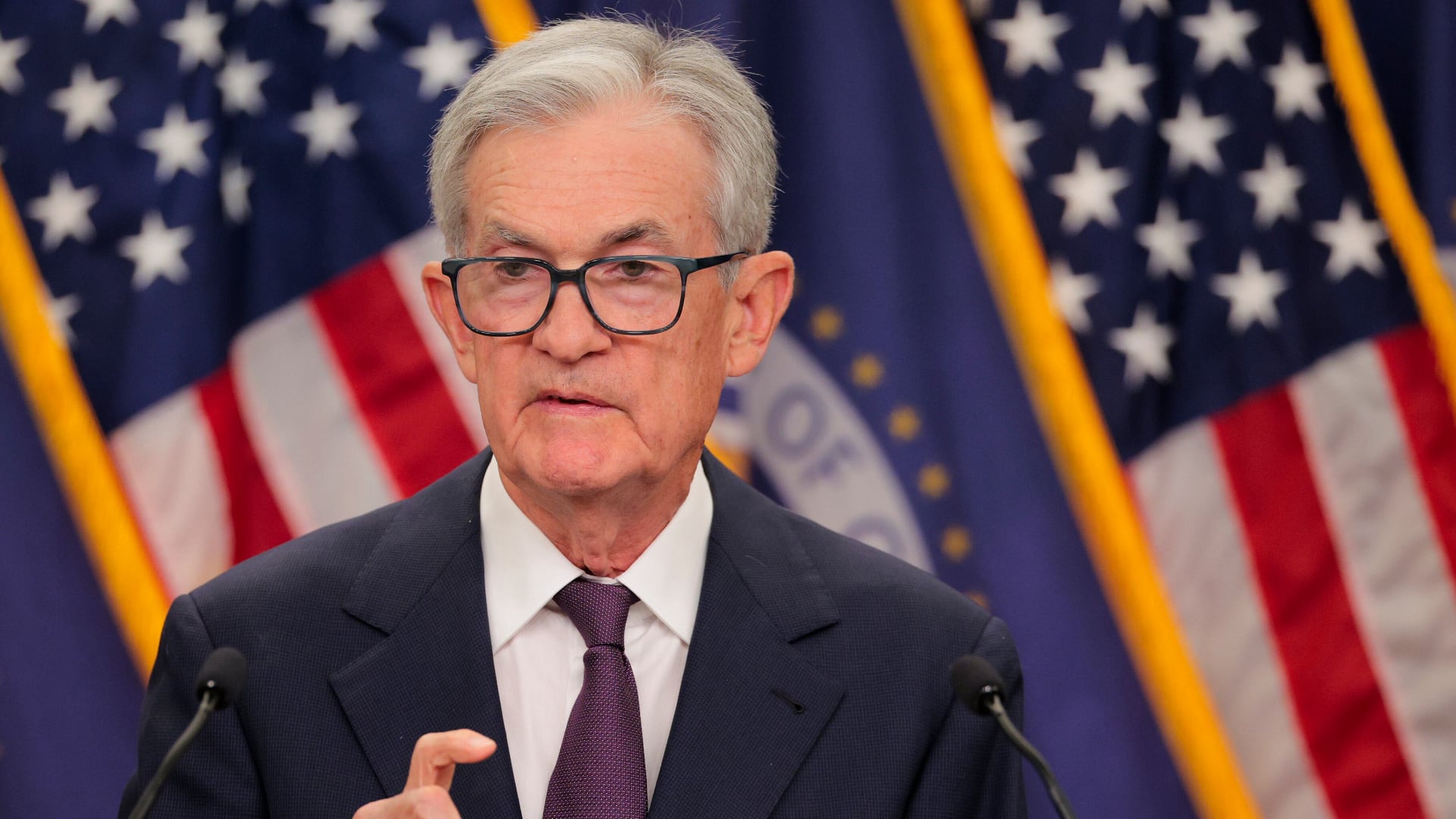
That jobs report will be closely watched by investors for its potential impact on the Federal Reserve's path forward on its support for the economy. The central bank has signaled that it could begin tapering its monthly bond purchases, but will likely keep interest rates low until it's comfortable with a recovery in the employment market. Low interest rates have been a key factor in the broader market's solid gains through the year.
“The market is likely to stay on track because of the Fed, but the risk is on the inflation side,” said Jay Hatfield, CEO of Infrastructure Capital Advisors.
Inflation remains a concern as supply chain issues prompt some companies to raise prices on goods. Those issues have been particularly painful for industries that rely on computer chips, where a shortage is getting worse and forcing big automakers to cut back on production, including General Motors and Ford. The problem is being worsened by the more contagious delta variant of COVID-19, which has hit employees at factories in southeast Asia hard.
The housing market, where rental and home prices have been rising, is also a key measure to monitor, Hatfield said, as it could push inflation higher into 2022 and put a dent in the broader market when the Fed eventually does ease back its support for low interest rates.
Bond yields were steady. The 10-year Treasury note fell to 1.29% from 1.30% from the day before.
Several companies made sharp gains on a mix of earning and deal news. Baxter International rose 4.8% after the medical products company said it is buying Hill-Rom for $10.5 billion in cash. Signet Jewelers rose 5.7% after reporting solid second-quarter financial results.
Virgin Galactic Holdings fell 3% after the Federal Aviation Administration grounded spaceflights after learning that the ship carrying founder Richard Branson and five Virgin Galactic employees veered off course during its descent back to earth in July.
Updated on September 2, 2021, at 5:00 p.m. ET.