By Damian J. Troise and Alex Veiga
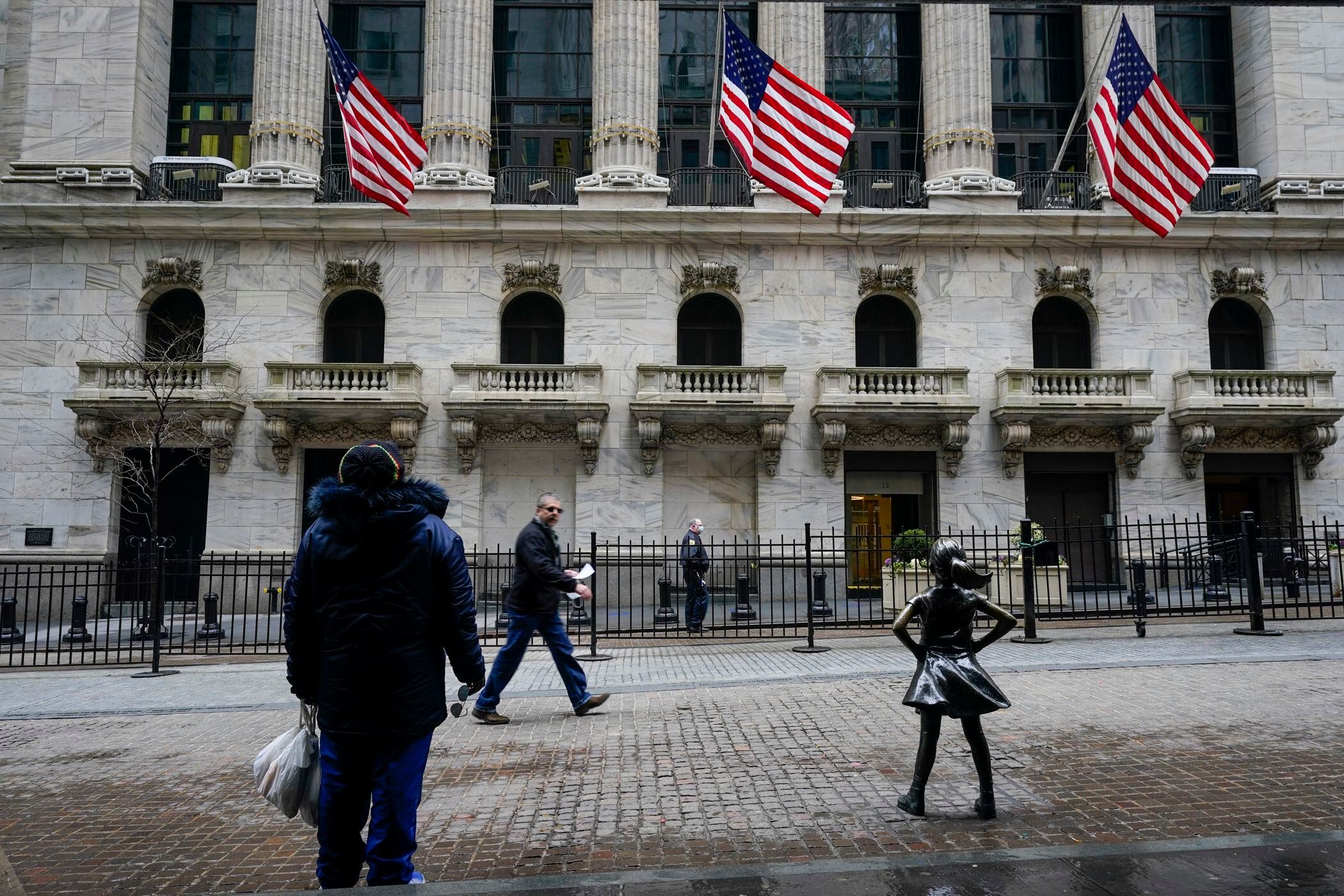
Stocks mostly pulled back from recent highs Wednesday, weighed down by a slide in technology companies.
The S&P 500 slipped less than 0.1% after giving up an early gain, while the tech-heavy Nasdaq composite gave back 0.6%. Small-company stocks also fell.
The Dow Jones Industrial Average inched higher, good enough for its second straight all-time high. The modest pickup was due in large large part to gains in Verizon Communications and Chevron, which climbed after Warren Buffett’s Berkshire Hathaway said it made major new investments in them in the second half of last year.
Treasury yields, which have been climbing recently on expectations of higher inflation, mostly fell. The yield on the 10-year Treasury note held near its highest level in a year.
Energy prices rose again, adding to a sharp increase the day before due to the frigid weather that’s impacted much of the U.S.
The S&P 500 dipped 1.26 points to 3,931.33. The benchmark index’s winners and losers were roughly evenly split. The Dow added 90.27 points, or 0.3%, to 31,613.02. The Nasdaq fell 82 points to 13,965.49. The Russell 2000 index of smaller companies lost 16.78 points, or 0.7%, to 2,256.11.
Optimism that Washington will come through on trillions of dollars of more aid for the economy and encouraging company earnings reports have helped stocks grind higher this month, along with hopes that the coronavirus vaccine rollout will set the stage for stronger economic growth in the second half of this year.
The Commerce Department said Wednesday that U.S. retail sales soared a seasonally adjusted 5.3% in January from the month before. It was the biggest increase since June and much larger than the 1% rise Wall Street analysts had expected. Meanwhile, the Labor Department said U.S. wholesale prices surged by a record 1.3% in January, led by big gains in health care and energy prices. The bigger-than-expected increase was the largest one-month gain on records that go back to 2009.
The data appeared to reinforce the perception that the economy is seeing more evidence of rising inflation even before the Biden administration has delivered on its proposed $1.9 trillion stimulus package and other spending aimed to get the economy back on solid footing.
The market's pullback may reflect concern among some on Wall Street that the infusion of more government aid and spending on infrastructure, for example, will “help underpin the economy, but it will also foster quicker growth and perhaps a quicker uptick in inflation,” said Quincy Krosby, chief market strategist at Prudential Financial.
That, she added, could eventually force the Federal Reserve to rethink its current policy of keeping interest rates at ultra-low levels.
The minutes from the Fed’s January policy meeting, released Wednesday afternoon, showed the central bank believed that the ongoing coronavirus pandemic is still posing considerable risks to the economy. The minutes also reflect Fed officials' widespread support for keeping interest rates low in order to boost the economy and help millions of Americans regain lost jobs.
Fed Chairman Jerome Powell has cautioned that inflation could accelerate for a time in coming months as the country opens up. But he and many private economists believe this will be only a temporary rise and not a sign that inflation is getting out of control.
The yield on the 10-year Treasury slipped to 1.28% from 1.29% late Tuesday, near its highest level in a year. The rise in bond yields has raised some concerns about the potential for higher inflation, but has also been a sign that the prospect for economic growth remains good.
“I don’t know when inflation is going to increase but the bond market is starting to tell you that the economy is accelerating,” said Andrew Slimmon, portfolio manager at Morgan Stanley Investment Management. “As we’re coming out of COVID-19, as people get vaccinated, consumer confidence is growing at a time when we have a tremendous amount of cash on the sidelines.”
Last month’s jump in retail sales was largely driven by the $600 stimulus checks that went out to most Americans in late December and early January. The data shows that recession-hit Americans are eager to spend cash on necessities, and aren’t saving the funds — which is the goal of stimulus checks.
It potentially means that additional stimulus, likely in the form of $1,400 checks in the $1.9 trillion stimulus plan, will likely provide a necessary boost to the economy.
“We’re keeping this economy humming despite the last several weeks, which have been really challenging,” said Katie Nixon of Northern Trust. “That’s notable, it’s a clue to what will happen if we get an additional stimulus package.”
___
AP Business Writer Ken Sweet contributed.
Updated on February 17, 2021, at 5:02 p.m. ET.