By Alex Veiga
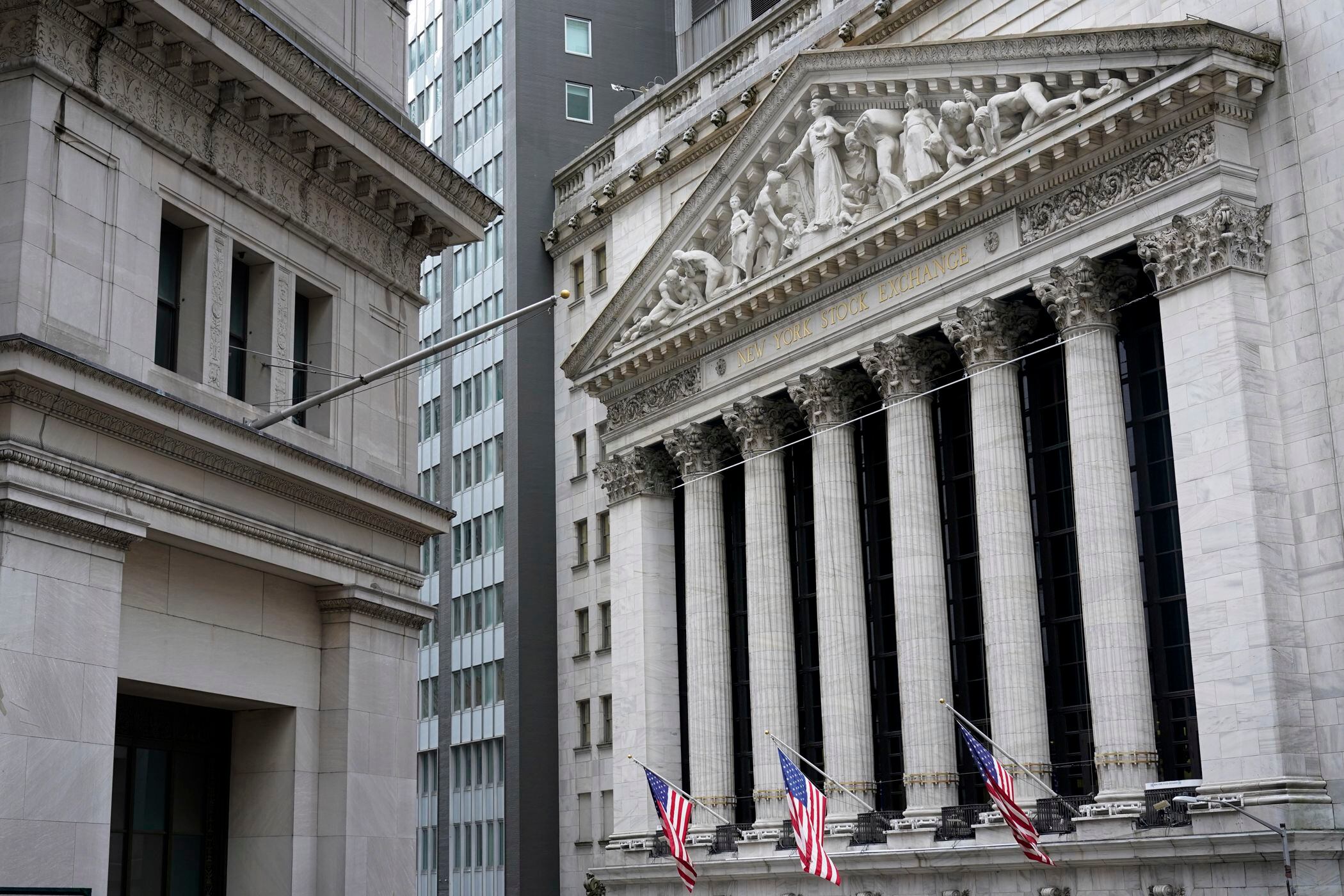
Stocks began the final week of 2020 with more gains Monday, nudging the major U.S. indexes to record highs.
The S&P 500 climbed 0.9%, powered by gains in technology, communication services and consumer discretionary stocks. Companies that were hit the hardest by the pandemic, including restaurants, airlines and cruise operators, were among the biggest gainers. Treasury yields were mixed.
The broad rally came as investors welcomed the decision by President Donald Trump to sign a $900 billion coronavirus economic aid package. The package also includes $1.4 trillion to fund government agencies, averting a federal government shutdown that otherwise would have started Tuesday.
The latest gains add to what has been a strong, record-shattering run for the stock market in recent weeks amid cautious optimism that coronavirus vaccinations will pave the way in coming months for the economy to escape from the grip of the pandemic.
“By and large, it’s a kind of broad-based optimism, so-far-so-good on the vaccine rollout, and the stimulus bill to bridge the gap,” said Ross Mayfield, investment strategist at Baird, “It’s really just a continuation of the broader strength that we’ve seen over the last couple of months.”
The S&P 500 index rose 32.30 points to 3,735.36. The Dow Jones Industrial Average gained 204.10 points, or 0.7%, to 30,403.97, a record high. The Nasdaq composite climbed 94.69 points, or 0.7%, to 12,899.42, also a record high. The Russell 2000 index of smaller companies fell 7.70 points, or 0.4%, to 1,996.25.
Wall Street had been hoping since last week that Trump would back down from his veto threat and clear the way for more financial support for hurting individuals and businesses. Trump signed the measure into law late Sunday despite expressing frustration that $600 in coronavirus relief payments to the public weren’t bigger. The president had asked for higher individual payments to Americans, something Democrats support but which is unlikely to get a vote in the Republican-held Senate.
The U.S. economy continues to deteriorate under widespread coronavirus outbreaks, infections and hospitalizations, so the promise of more relief for millions of Americans helps reduce uncertainty amid the re-imposition of travel and business curbs in response to a new coronavirus variant.
Stocks also got a seasonal boost, Mayfield said. The market tends to climb in the final five days of trading in December and the first two trading days in January, a phenomenon known as the “Santa Claus rally.” Since 1950, the S&P 500 index has risen an average of 1.3% during those seven days.
Companies that were hit the hardest by the pandemic were among the biggest gainers Monday. American Airlines rose 2.6%, Norwegian Cruise Lines gained 2.9% and Carnival added 4.2%.
Technology and communication services stocks accounted for a big slice of the broad market rally. Apple and Facebook climbed 3.6%.
Shares in Chinese e-commerce giant Alibaba Group rose 0.2%, recovering some of their losses after plunging last week when government regulators launched an anti-monopoly investigation and the stock market debut of Ant Group, an online finance platform in which Alibaba owns a 33% stake, was suspended.
Treasury yields were mixed. The 10-year Treasury yield, which can affect interest rates on mortgages and other consumer loans, was at 0.92%.
Trading is expected to be light this week, as most fund managers and investors have closed their books for the year. It will be another holiday-shortened week, with New Year's Day on Friday.
European indexes closed broadly higher, helped by more details about the European Union - United Kingdom trade deal as part of the U.K.'s exit from the trade bloc. Germany's DAX rose 1.5%, while the CAC-40 in France gained 1.2%.
In Asia, the Shanghai Composite Index rose less than 0.1% to 3,397.29 while the Nikkei 225 in Tokyo added 0.7% to 26,854.03.
The Hang Seng in Hong Kong declined 0.3% to 26,314.63 after e-commerce giant Alibaba Group announced it was expanding a share buyback from $6 billion to $10 billion.
Updated on December 28, 2020, at 4:56 p.m. ET.