Stocks Seesaw From Big Gains, to Losses, and Back Again
*By Carlo Versano*
What the market giveth, the market taketh away...or does it?
After coming out of the gate roaring Friday morning, the Dow Industrials gave back 400 points worth of gains and turned negative midday. But just a few minutes later, around 1:10 pm ET, the index was back up triple digits. The tech-heavy Nasdaq was up about 1.4 percent.
While stocks were well off their highs of the day, tech names, which saw some of the biggest losses over the previous two days, were largely higher Friday. Four of the so-called FAANG stocks ー Apple ($AAPL), Amazon ($AMZN), Netflix ($NFLX), and Google parent Alphabet ($GOOGL) ー added a combined $67 billion back to their collective market cap. The only one that was down was Facebook ($FB), which provided an update to the data breach announced last month, saying attackers stole data from 29 million users.
Trading was once again choppy amid a mounting heap of concerns over the global economy, trade tensions, interest rates, and a slowdown in tech.
The major indexes are on pace for their worst week since March.
Alan Becker, CEO and Investment Adviser Representative at Retirement Solutions Group and RSG Investments, shares his thoughts on the latest GDP data plus why he's not sold cryptocurrency as a long-term asset.
The Biden administration wants to ban another type of bank “junk fee," targeting fees that are typically charged by banks when a transaction is declined in real time.
Al Root, senior writer at Barron’s, breaks down everything expected from Tesla’s earnings report, from Elon Musk’s demands from the board to why the market has been looking for affordable EV options.
Online retailer eBay Inc. will cut about 1,000 jobs, or an estimated 9% of its full-time workforce. The announcement follows similar moves by other tech companies that ramped up hiring during the pandemic while people spent more time and money online.
Tony Drake, CFP at Drake and Associates, LLC shares thoughts on whether the record gains in technology will broaden to other sectors, the risks of the Fed keeping interest rates higher for too long, and the health of the U.S. consumer.
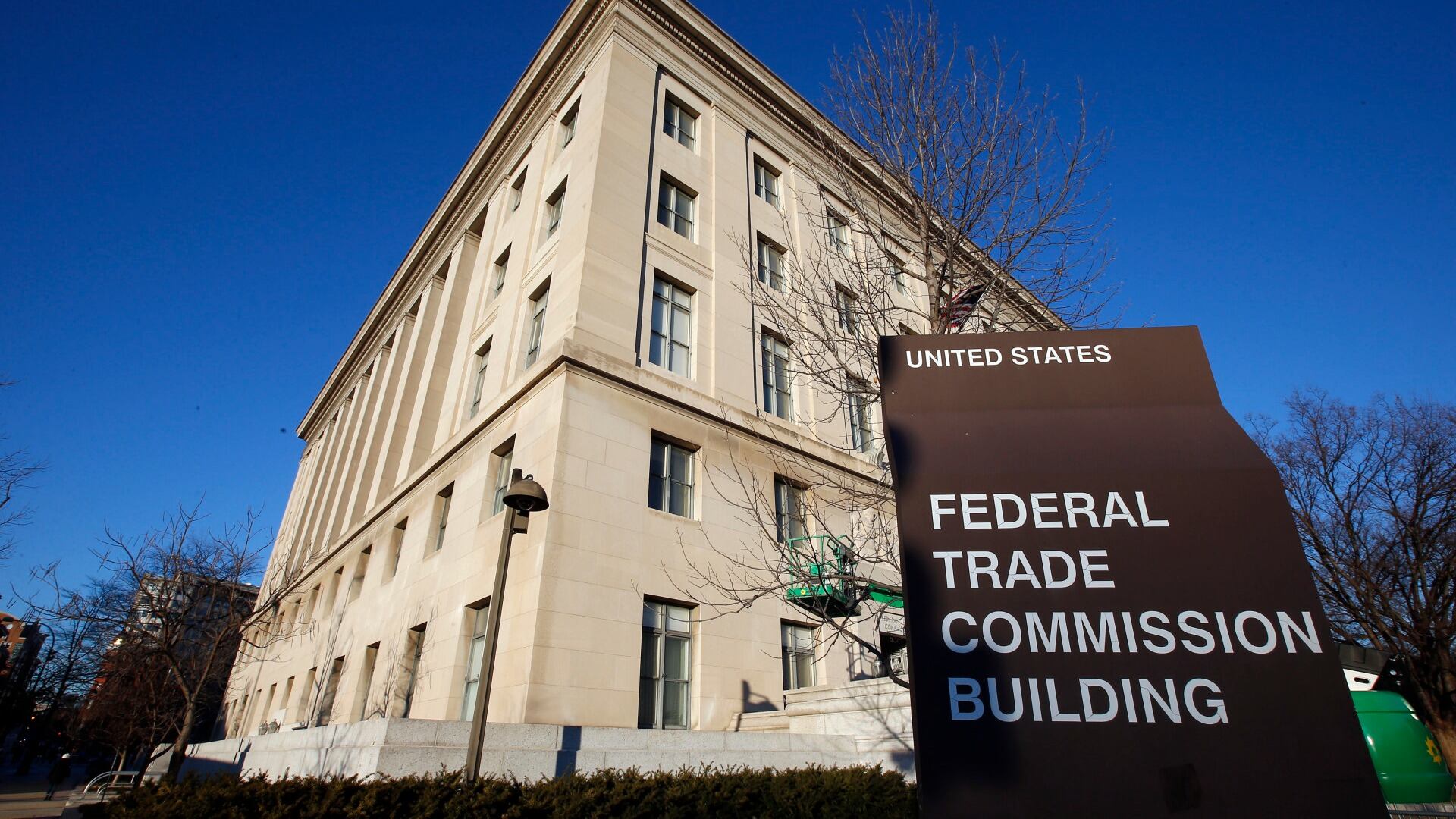
The Federal Trade Commission ruled that Intuit engaged in deceptive practices by running ads claiming consumers could file their taxes for free using TurboTax — when many taxpayers did not qualify for such free offerings.