Pedestrians pass the New York Stock Exchange, Friday, Oct. 2, 2020, in New York. Stocks are ticking higher on Wall Street Wednesday, Dec. 23, following a mixed set of reports on the economy. (AP Photo/John Minchillo)
Stocks closed slightly higher on Christmas Eve, as investors went into the holiday weekend not bothered by President Donald Trump’s threat not to sign a major economic stimulus package approved by Congress this week.
Trading was extremely light in the abbreviated session ahead of the Christmas holiday. Trading on the New York Stock Exchange and the Nasdaq ended at 1 p.m. ET instead of the usual 4 p.m. ET. Volume was a less than half of a typical trading day.
The S&P 500 index closed up 13.05 points, or 0.4%, to 3703.06. Despite the gains, the index ended the week down 0.2%. Relatively safe investments like utilities and real estate were among the biggest gainers, while energy stocks fell.
The Dow Jones Industrial Average rose 70.04 points, or 0.2%, to 30,199.87 and the Nasdaq composite rose 33.62 points, or 0.3%, to 12,804.73.
Investors remain focused on Washington, where Democrats in Congress are expected to try to make alterations to the $900 billion COVID stimulus bill that President Trump has threatened to veto. Trump has asked for higher individual payments to Americans, something Democrats support but which is unlikely to get a vote in the Republican-held Senate.
The hope has been that Trump will back away from his veto threat and the stimulus package might tide the economy over until widespread vaccinations can help the world begin to return to normal.
Meanwhile the U.S. economy continues to deteriorate under widespread coronavirus outbreaks, infections and hospitalizations. The Labor Department said fewer U.S. workers filed for unemployment benefits last week. The number is still incredibly high compared with before the pandemic, but it was better than economists were expecting.
Other reports were grimmer. Consumers pulled back on their spending by more last month than economists expected, mainly because of a drop in income.
“Despite the churning of the Washington D.C. pond by vetoes, new votes, and overrides, Wall Street clearly believes something positive will float to the top of the barrel when the churning stops," Jeffrey Halley of Oanda said in a commentary to investors.
___
AP Business Writers Stan Choe, Alex Veiga, and Joe McDonald contributed.
Stephen Kates, Financial Analyst at Bankrate, joins to discuss the Fed’s 25-basis-point rate cut, inflation risks, and what it all means for consumers and marke
Big tech earnings take center stage as investors digest results from Alphabet, Meta, Microsoft, Amazon, and Apple, with insights from Gil Luria of D.A. Davidson
Disney content has gone dark on YouTube TV, leaving subscribers of the Google-owned live streaming platform without access to major networks like ESPN and ABC. That’s because the companies have failed to reach a new licensing deal to keep Disney channels on YouTube TV. Depending on how long it lasts, the dispute could particularly impact coverage of U.S. college football matchups over the weekend — on top of other news and entertainment disruptions that have already arrived. In the meantime, YouTube TV subscribers who want to watch Disney channels could have little choice other than turning to the company’s own platforms, which come with their own price tags.
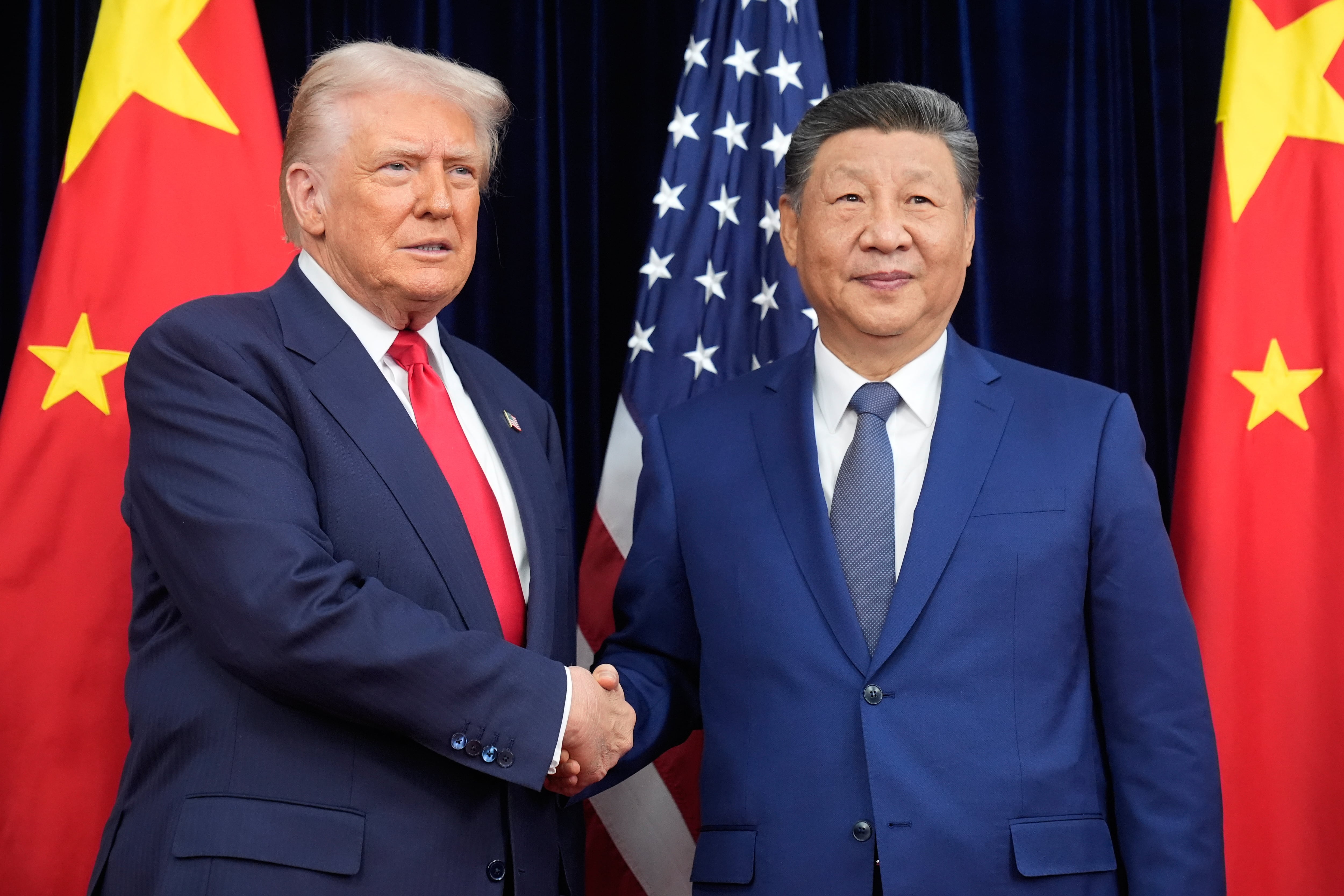
President Donald Trump said he has decided to lower his combined tariff rates on imports of Chinese goods to 47% after talks with Chinese leader Xi Jinping on curbing fentanyl trafficking.
Universal Music Group and AI platform Udio have settled a copyright lawsuit and will collaborate on a new music creation and streaming platform. The companies announced on Wednesday that they reached a compensatory legal settlement and new licensing agreements. These agreements aim to provide more revenue opportunities for Universal's artists and songwriters. The rise of AI song generation tools like Udio has disrupted the music streaming industry, leading to accusations from record labels. This deal marks the first since Universal and others sued Udio and Suno last year. Financial terms of the settlement weren't disclosed.