Stem Cells Reveal New Secrets About Mental Illness
Dina Fine Maron, health & science editor at Scientific American, discusses the breakthrough that could help doctors diagnose mental illnesses. Stem cells have enabled researchers to see how lithium affects the brain.
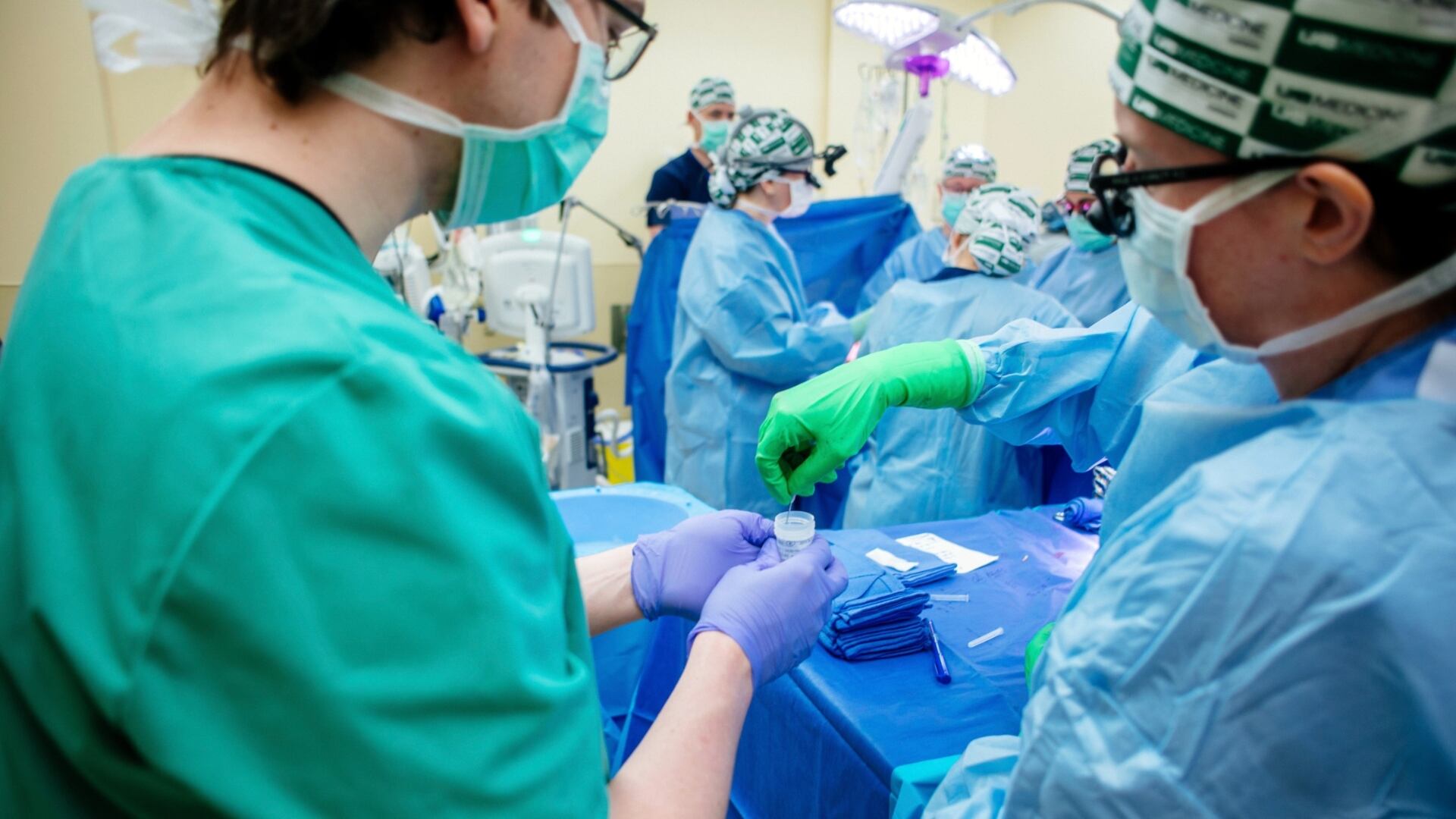
Researchers are converting patients skin cells into brain cells through genetic instruction. This allows them to look at the brain cells of a person with bipolar disorder and better understand how to treat it.
Maron explains this breakthrough will allow doctors to customize a patient's treatment plan, instead of giving them the same treatment given to everyone. Maron says the hope is one day researchers will be able to expose a patient's cells to a particular drug and see how they react before prescribing the drug to an actual patient.
Yelling that the future and their lives depend on ending fossil fuels, tens of thousands of protesters on Sunday kicked off a week where leaders will try once again to curb climate change primarily caused by coal, oil and natural gas.
Atlantic storm Lee — which made landfall at near-hurricane strength, bringing destructive winds and torrential rains to New England and Maritime Canada — kept weakening Sunday after officials withdrew warnings and predicted the storm would disappear early this week.
NASA said Thursday that the study of UFOs will require new scientific techniques, including advanced satellites as well as a shift in how unidentified flying objects are perceived.
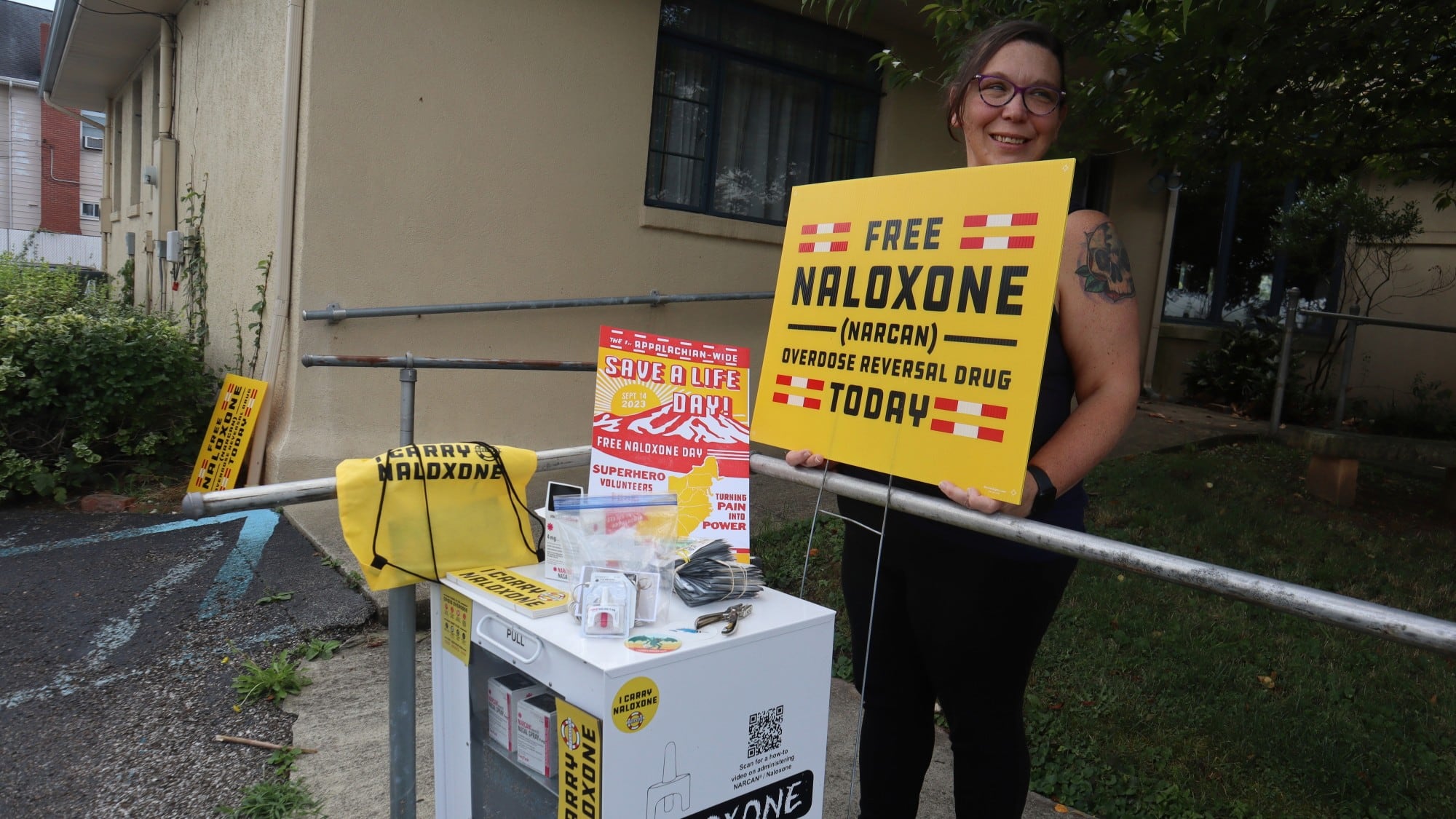
An effort to destigmatize the use of overdose reversal drugs that started as a pilot in two West Virginia counties has expanded to all thirteen states in Appalachia this year.
States and Native American tribes will have greater authority to block energy projects such as natural gas pipelines that could pollute rivers and streams under a final rule issued Thursday by the Biden administration.