Accusations are flying between U.S. and Chinese officials over how each country is handling the coronavirus pandemic.
U.S. Secretary of State Mike Pompeo told Fox News on Wednesday that the Chinese Communist Party has a "responsibility to tell the world how this pandemic got out of China and all across the world, causing such global economic devastation.”
The comments came after China Central Television's top evening news program questioned the accuracy of U.S. data tracking of COVID-19 infections, singling out Pompeo for “turning himself into the common enemy of mankind.”
Underlying the heated exchange is an effort by the U.S. State Department to better understand the origins of the outbreak in Wuhan.
"It's not even about the blame game," Morgan Ortagus, a spokesperson for the department, told Cheddar. "It's about us not being able to answer fundamental questions about this pandemic."
She said the agency is focused on "making sure the world has the data and the transparency that it needs, not only from the Chinese Communist Party but also from Iran, North Korea, other places."
Specifically, the department wants to confirm China's claim that the virus originated in a Wuhan wet market by sending in independent scientists to assess the data. Ortagus compared the process to the common practice of getting studies peer-reviewed by a credible source.
"It doesn't matter if it's Americans, by the way," Ortagus said. "We're happy if it's Germans, or French, or British scientists that want to go in, but no one is being allowed to go into Wuhan to investigate."
Other global leaders, including Australian Prime Minister Scott Morrison, have called on China to allow an international investigation into the source of coronavirus.
In addition, the State Department is doing a 60 to 90-day review of the World Health Organization to determine "what information they have and don't have," she said.
"Everything that we're doing right now boils down to this: how do we prevent a pandemic of this scale from ever happening again?" Ortagus said. "We know that we can't answer that question until we get the live virus samples, until we have independent, credible scientists and doctors who are able to go into the Wuhan, into the wet markets, into the laboratories, to understand what caused this pandemic."
U.S. intelligence agencies also revealed that they are following up on speculation amplified by the White House that the pandemic may have spread from a lab accident in Wuhan, while also acknowledging that the virus appeared "not manmade or genetically modified."
President Biden announced a ban on Russian oil and natural gas imports to the U.S. in response to its invasion of Ukraine, a move he warned could lead to an even greater surge in gas prices. The ban is prompting a conversation about the current oil production levels in the U.S. and whether or not the industry can ramp up production to soften the blow to American families at the gas pump. Clark Williams-Derry, Energy Finance Analyst with the Institute for Energy Economics and Financial Analysis, breaks down the state of the U.S. oil industry and how the ban might impact production levels here at home.
PepsiCo, Coca-Cola, McDonald’s, and Starbucks are the latest American food brands to have halted business operations in Russia after having faced scrutiny and criticism for originally failing to do so amid the country's invasion of Ukraine.
As Russia intensifies its war on Ukraine, President Biden announced a ban on oil imported from the aggressor nation. Critics of Russia have said this would be the best way to force Putin to pull back, but curbs on Russian oil exports are expected to send already skyrocketing oil and gas prices even higher, further impacting consumers, businesses, financial markets, and the global economy. Leslie Beyer, CEO of the Energy Workforce and Technology Council, joined Cheddar News' Closing Bell to discuss. "It's certainly going to increase pricing, but it is the right thing to do," she said. "The industry itself has already pulled out of the significant portion of its operations in Russia."
Sports Betting in the U.S. is booming. According to industry experts, we could see another boom this year as more states move towards statewide legalization of sports wagering. While this comes as huge news for fans, there are some very real concerns as to whether or not sports betting potentially poses a threat to public health. Senior Clinician at the Caron Treatment Centers, Eric Webber, joined Cheddar to discuss more.
The Biden administration has made gender policy a core part of how it governs. The president established the first Gender Policy Council. It's on the same level as the National Security Council, Domestic Policy Council and National Economic Council, putting the interests of women and other underserved groups at the table for the most important policy discussions.
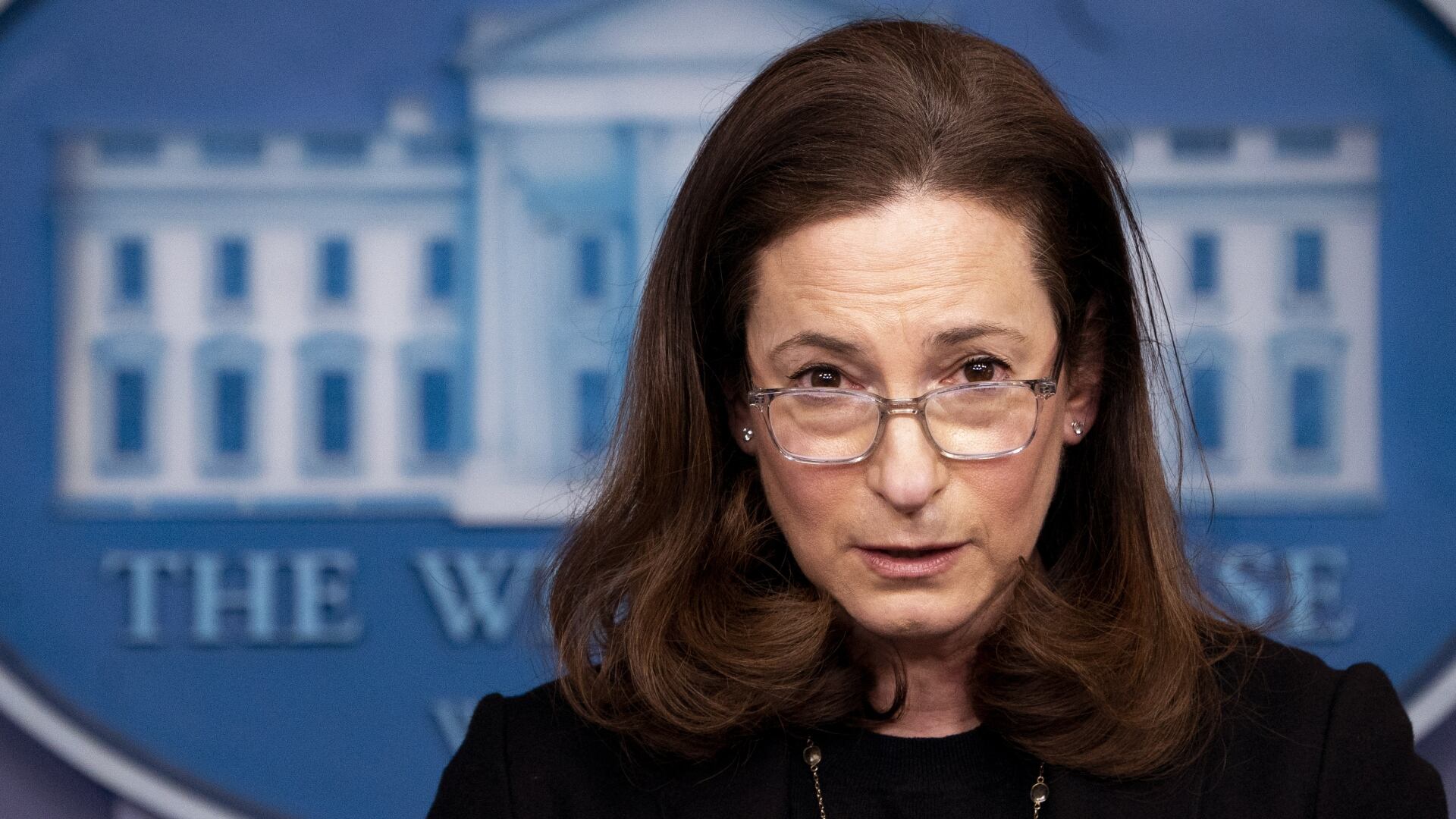
Cheddar News sat down with Jennifer Klein, executive director and co-chair of the White House Gender Policy Council, to discuss the council's work and its significance during Women's History Month.
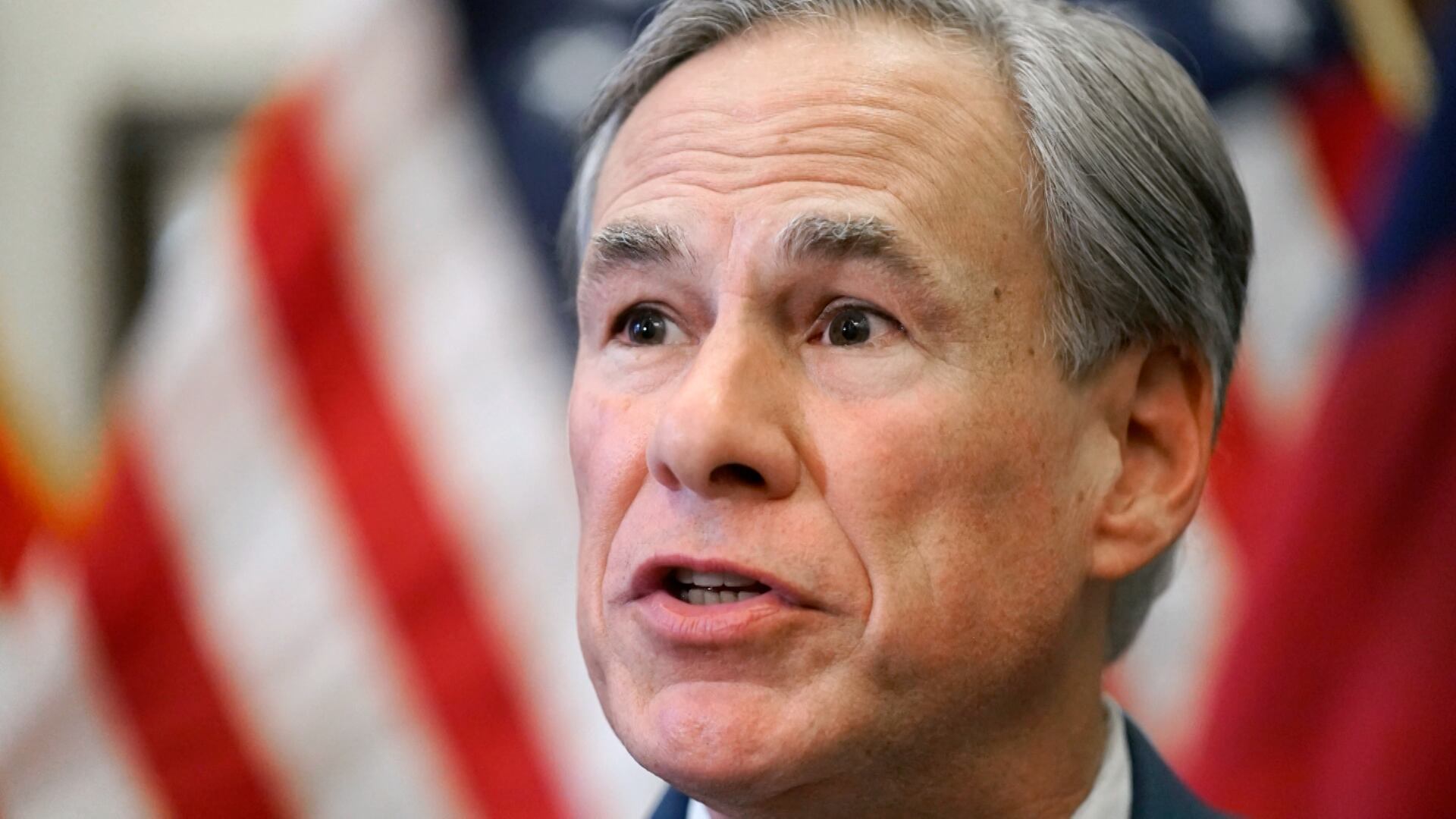
State Representative Jessica González, Vice Chair of the Texas House LGBTQ Caucus, joins Cheddar News to discuss the latest Texas anti-transgender directive.
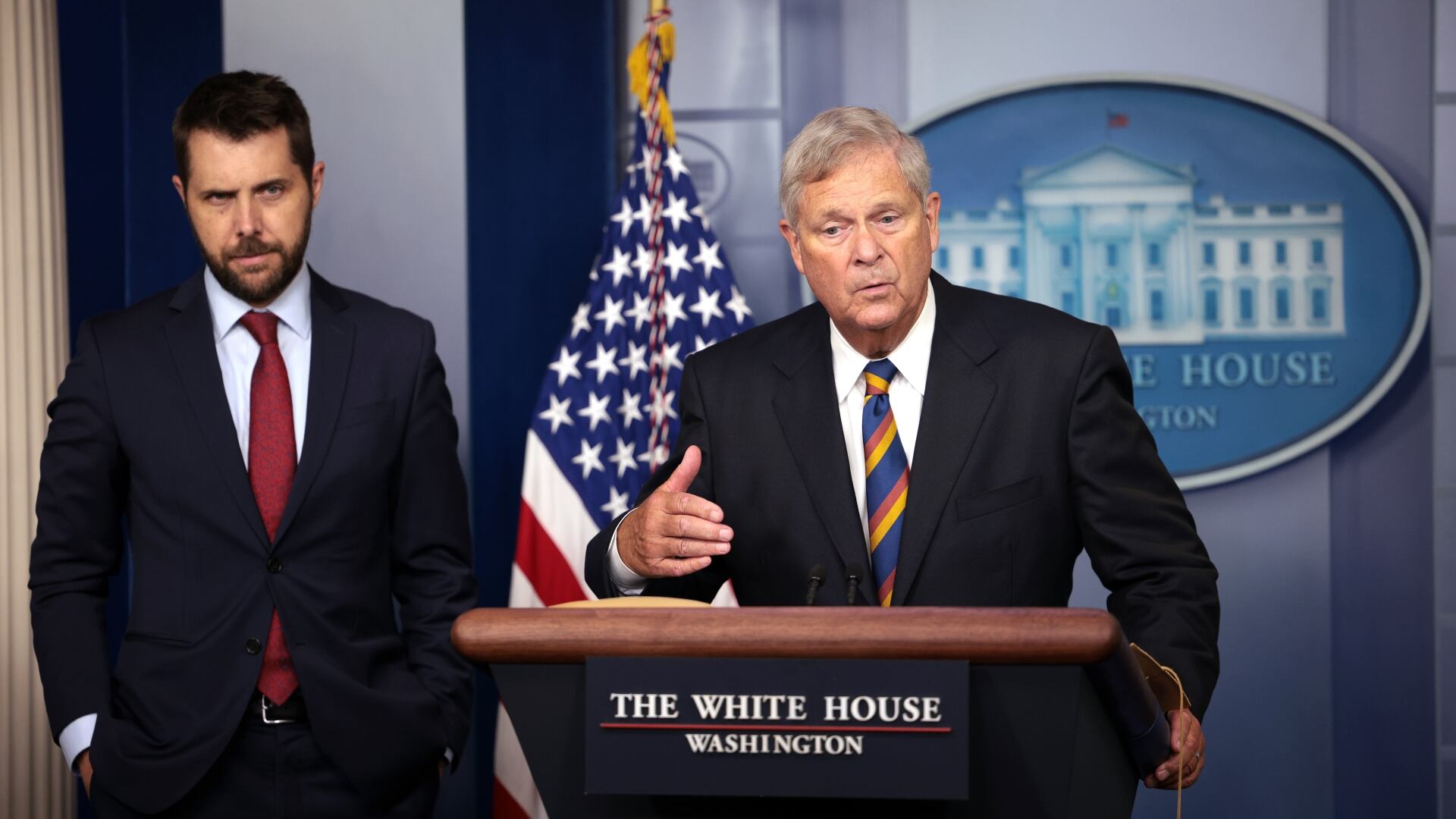
The United States Secretary of Agriculture, Tom Vilsack joins None of the Above to discuss the newly emerging conflict in Europe, what it means for agriculture in the states, dairy and meat consumption, and how the department is planning to promote climate-smart agriculture.
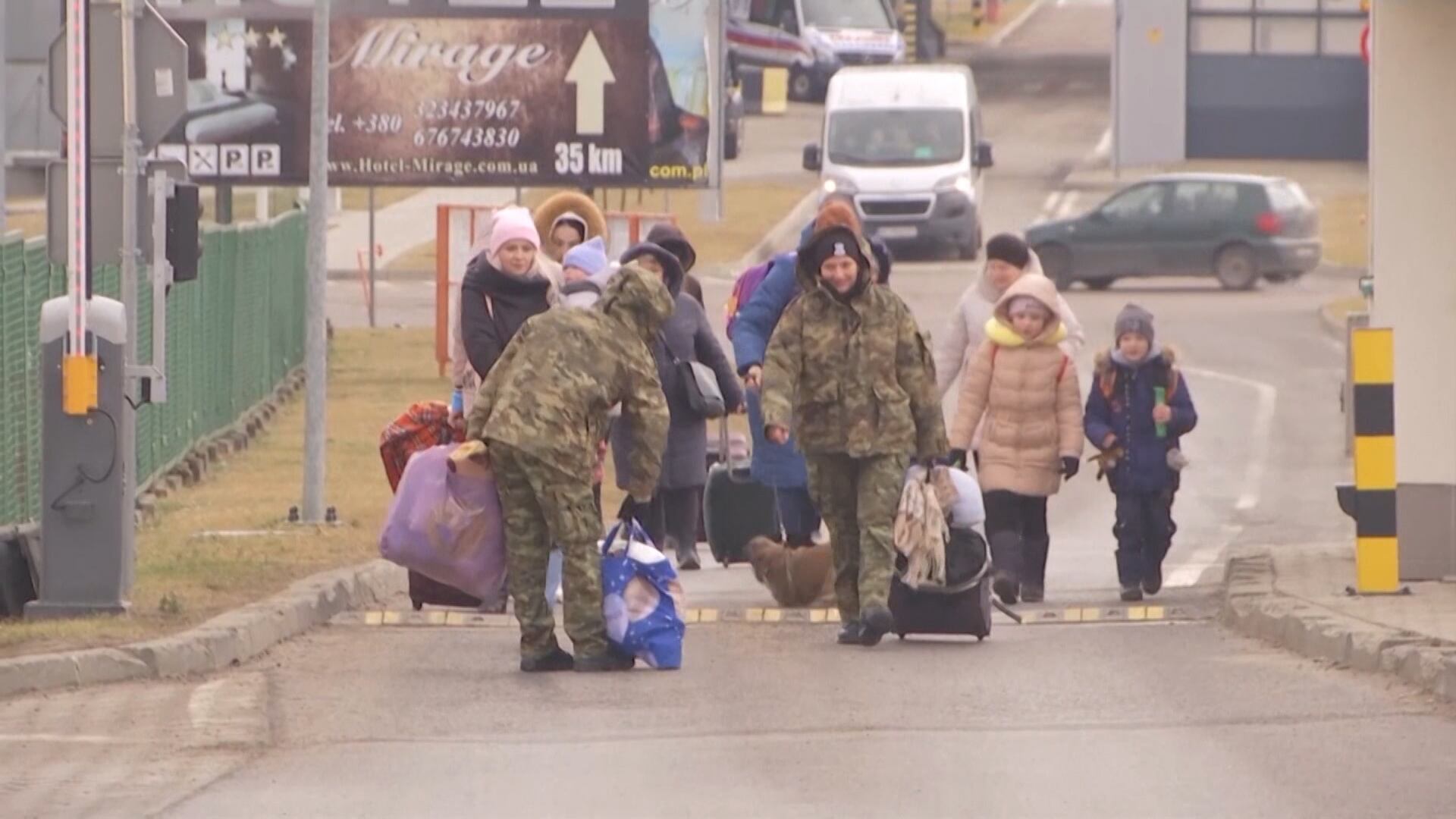
Tens of thousands of people have fled Ukraine in attempts to escape the Russian Invasion. According to the U.N. neighboring countries like Poland, Hungary, and even Romania have seen half a million refugees. While the hospitality is being welcomed by many, it also highlights the mistreatment of migrants and refugees from the Middle East and Africa. Professor of Philosophy and Director of Politics at Northeastern University Serena Parekh, joined Cheddar, to discuss more.
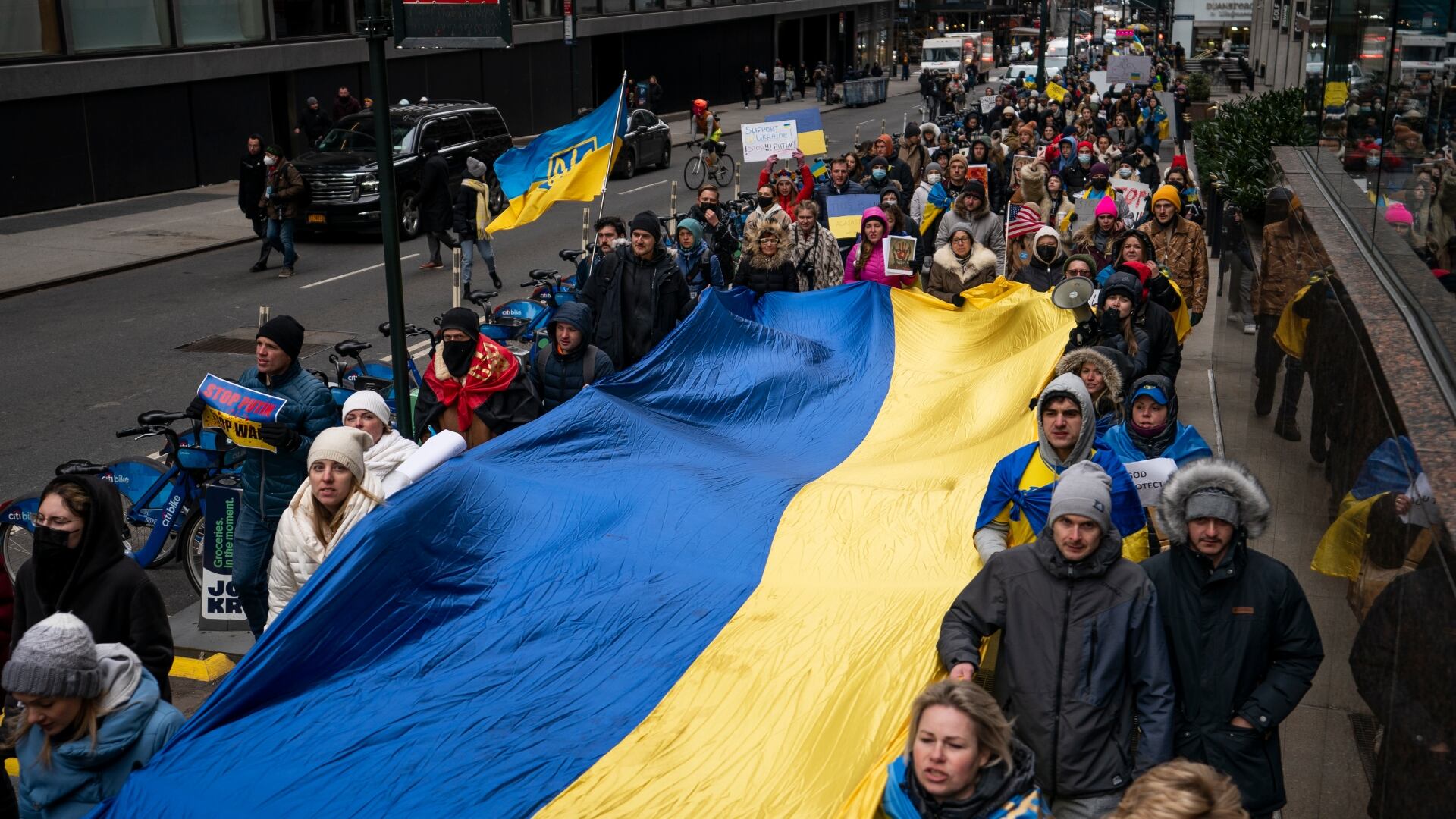
As Russia unleashed war in the country of Ukraine, global leaders have started inflicting punishment on Vladimir Putin's regime via commercial and financial penalties. According to President Joe Biden Putin's aggression is "a flagrant violation of international law and it demands a firm response from the international community".However, the main question is will these sanctions actually work. Partner at Jenner & Block LLP, Rachel Alpert, joined Cheddar to discuss more.