Starbucks Loses its Sizzle After a Weak Earnings Report
Shares of Starbucks took a dive after delivering weaker-than-expected sales results for the latest quarter. Jason Moser, Analyst at Motley Fool, joined us to break down the numbers.
Global same-store sales rose 2%, below estimates of 3%. Despite raking in over $6 billion in a quarter for the first time, investors were disappointed that the company fell short of the $6.18 billion projected. Moser thinks it is a bit of an overreaction for investors to believe the company is a business in decline. The analyst added that China will continue to be a major growth opportunity for Starbucks. Same-store sales in China grew 6%, while revenue in Q1 grew 30%.
Starbucks added 1.4 million rewards members in the quarter, bringing the total to 14.2 million. With 75 million unique visitors, Moser questions Starbucks' ability to capitalize on the program. He also noted that Kevin Johnson needs to step it up before Wall Street loses confidence in his ability to lead the company.
Alan Becker, CEO and Investment Adviser Representative at Retirement Solutions Group and RSG Investments, shares his thoughts on the latest GDP data plus why he's not sold cryptocurrency as a long-term asset.
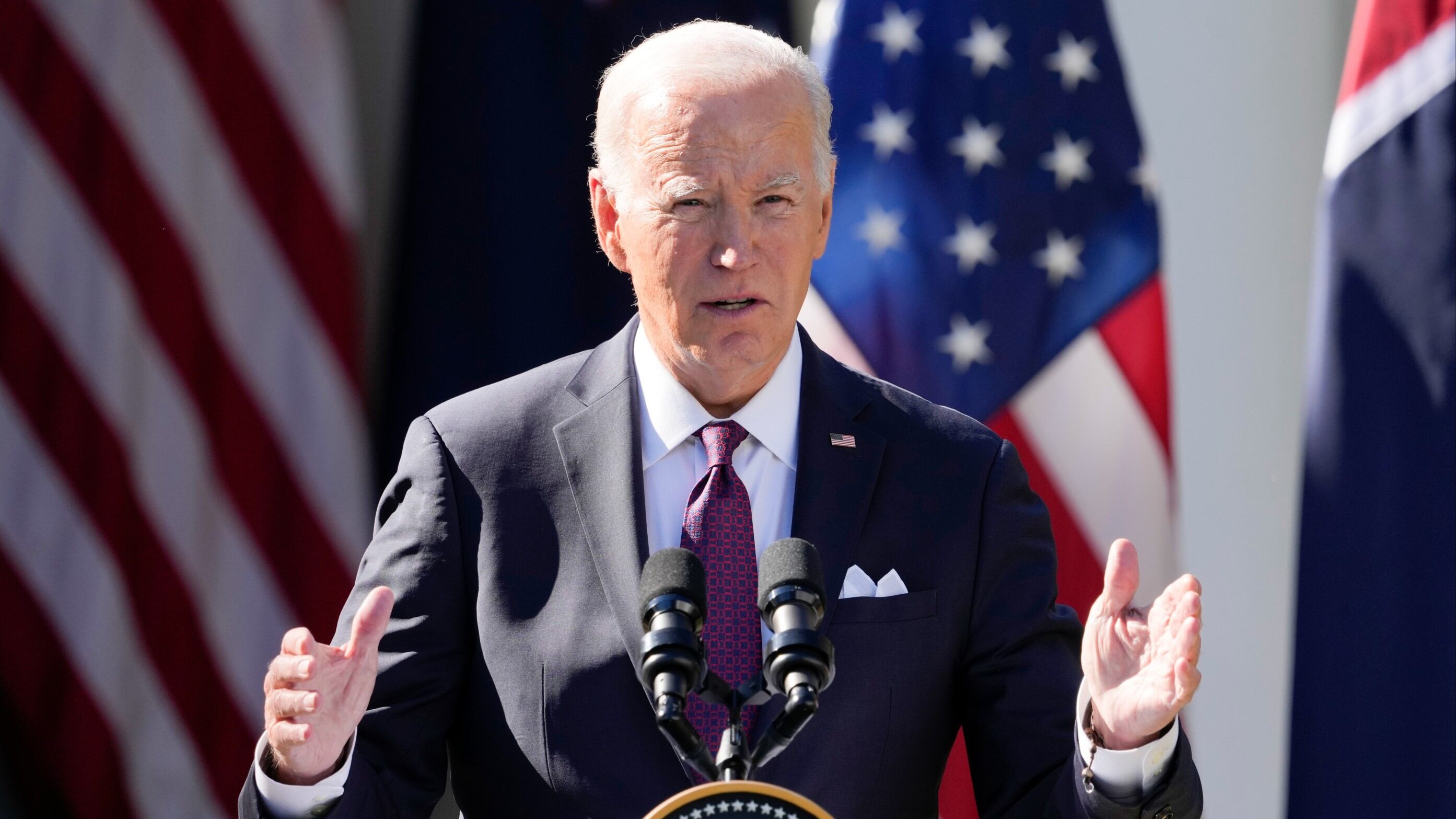
The Biden administration wants to ban another type of bank “junk fee," targeting fees that are typically charged by banks when a transaction is declined in real time.
Al Root, senior writer at Barron’s, breaks down everything expected from Tesla’s earnings report, from Elon Musk’s demands from the board to why the market has been looking for affordable EV options.
Online retailer eBay Inc. will cut about 1,000 jobs, or an estimated 9% of its full-time workforce. The announcement follows similar moves by other tech companies that ramped up hiring during the pandemic while people spent more time and money online.
Tony Drake, CFP at Drake and Associates, LLC shares thoughts on whether the record gains in technology will broaden to other sectors, the risks of the Fed keeping interest rates higher for too long, and the health of the U.S. consumer.
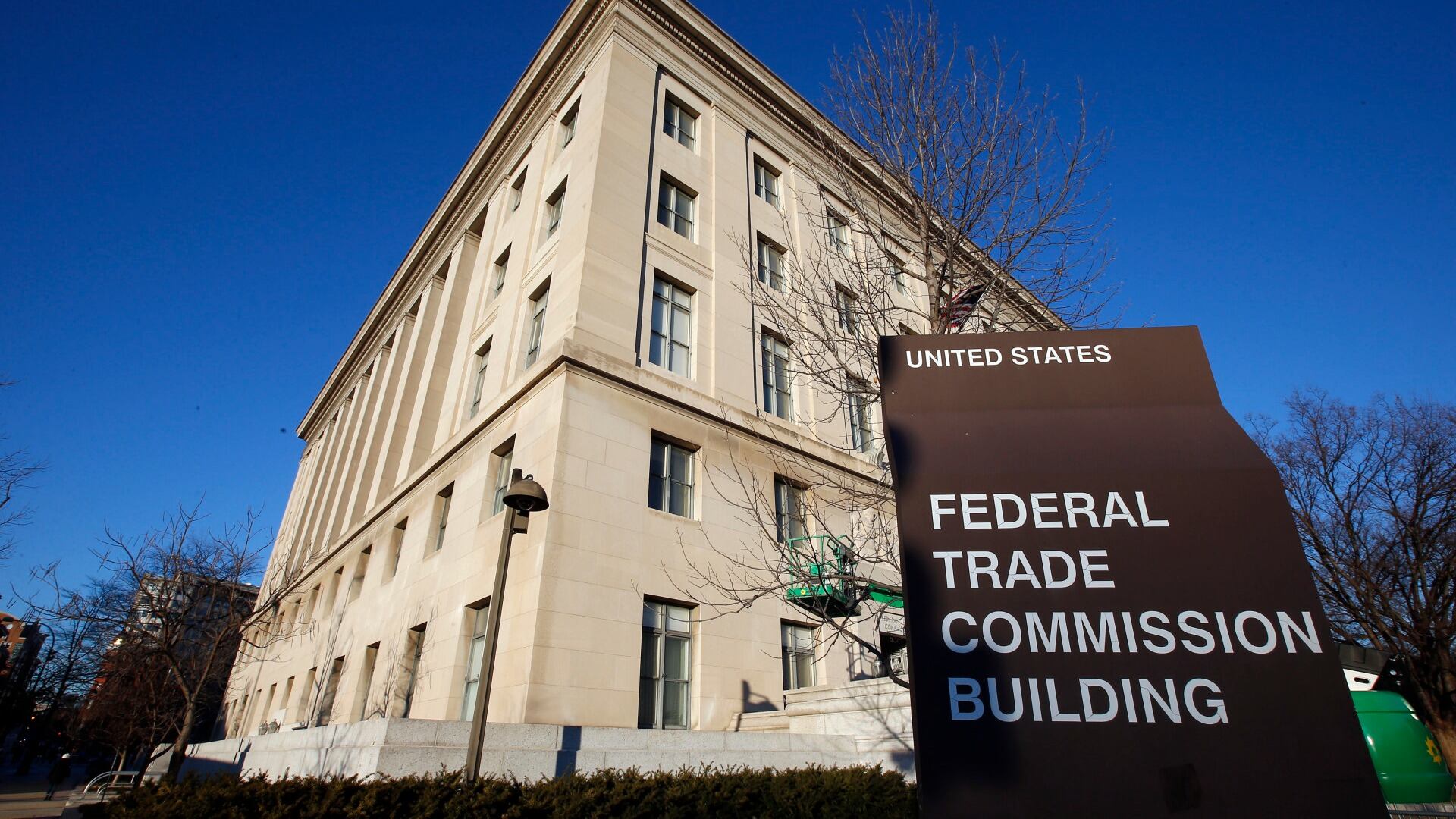
The Federal Trade Commission ruled that Intuit engaged in deceptive practices by running ads claiming consumers could file their taxes for free using TurboTax — when many taxpayers did not qualify for such free offerings.