In this image taken from NASA video, NASA astronauts Kate Rubins, top, and Victor Glover work outside the International Space Station Sunday, Feb. 28, 2021. Thespacewalking astronauts ventured out Sunday to install support frames for new, high-efficiency solar panels arriving at the International Space Station later this year. (NASA via AP)
By Marcia Dunn
Spacewalking astronauts ventured out Sunday to install support frames for new, high-efficiency solar panels arriving at the International Space Station later this year.
NASA's Kate Rubins and Victor Glover put the first set of mounting brackets and struts together, then bolted them into place next to the station's oldest and most degraded solar wings. But the work took longer than expected, and they barely got started on the second set before calling it quits.
Rubins will finish the job during a second spacewalk later this week.
The spacewalkers had to lug out the hundreds of pounds of mounting brackets and struts in 8-foot (2.5-meter) duffle-style bags. The equipment was so big and awkward that it had to be taken apart like furniture, just to get through the hatch.
Some of the attachment locations required extra turns of the power drill and still weren't snug enough, as indicated by black lines. The astronauts had to use a ratchet wrench to deal with the more stubborn bolts, which slowed them down. At one point, they were two hours behind.
“Whoever painted this black line painted outside the lines a little bit," Glover said at one particularly troublesome spot.
“We’ll work on our kindergarten skills over here,” Mission Control replied, urging him to move on.
With more people and experiments flying on the space station, more power will be needed to keep everything running, according to NASA. The six new solar panels — to be delivered in pairs by SpaceX over the coming year or so — should boost the station’s electrical capability by as much as 30%.
Rubins and Glover tackled the struts for the first two solar panels, due to launch in June. Their spacewalk ended up lasting seven hours, a bit longer than planned.
“Really appreciate your hard work. I know there were a lot of challenges,” Mission Control radioed.
The eight solar panels up there now are 12 to 20 years old — most of them past their design lifetime and deteriorating. Each panel is 112 feet (34 meters) long by 39 feet (12 meters) wide. Tip to tip counting the center framework, each pair stretches 240 feet (73 meters), longer than a Boeing 777′s wingspan.
Boeing is supplying the new roll-up panels, about half the size of the old ones but just as powerful thanks to the latest solar cell technology. They’ll be placed at an angle above the old ones, which will continue to operate.
A prototype was tested at the space station in 2017.
Rubins' helmet featured a new high-definition camera that provided stunning views, particularly those showing the vivid blue Earth 270 miles (435 kilometers) below. “Pretty fantastic," observed Mission Control.
Sunday’s spacewalk was the third for infectious disease specialist Rubins and Navy pilot Glover — both of whom could end up flying to the moon.
They’re among 18 astronauts newly assigned to NASA’s Artemis moon-landing program. The next moonwalkers will come from this group.
Last week, Vice President Kamala Harris put in a congratulatory call to Glover, the first African American astronaut to live full time at the space station. NASA released the video exchange Saturday.
“The history making that you are doing, we are so proud of you,” Harris said. Like other firsts, Glover replied, it won't be the last. “We want to make sure that we can continue to do new things,” he said.
Rubins will float back out Friday with Japanese astronaut Soichi Noguchi to wrap up the solar panel prep work, and to vent and relocate ammonia coolant hoses.
Glover and Noguchi were among four astronauts arriving via SpaceX in November. Rubins launched from Kazakhstan in October alongside two Russians. They’re all scheduled to return to Earth this spring.
___
The Associated Press Health and Science Department receives support from the Howard Hughes Medical Institute’s Department of Science Education. The AP is solely responsible for all content.
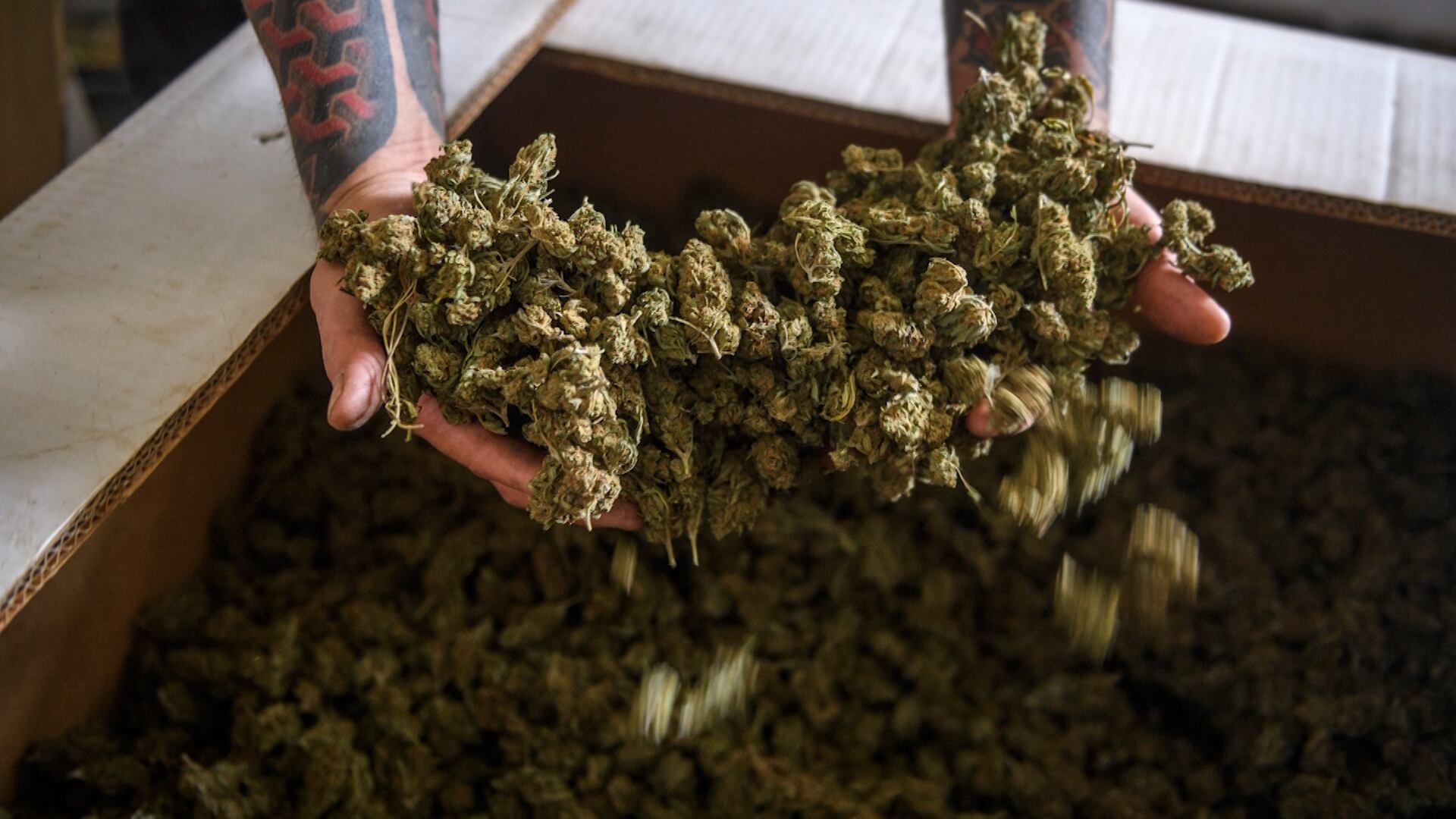
A new study has been causing a lot of buzz in the cannabis industry. Researchers from Oregon State University found that compounds in cannabis could prevent infection with COVID-19, but that doesn't mean smoking marijuana prevents people from getting infected. CV Sciences medical advisor Dr. Michael Lewis joined Cheddar News' Closing Bell to discuss.
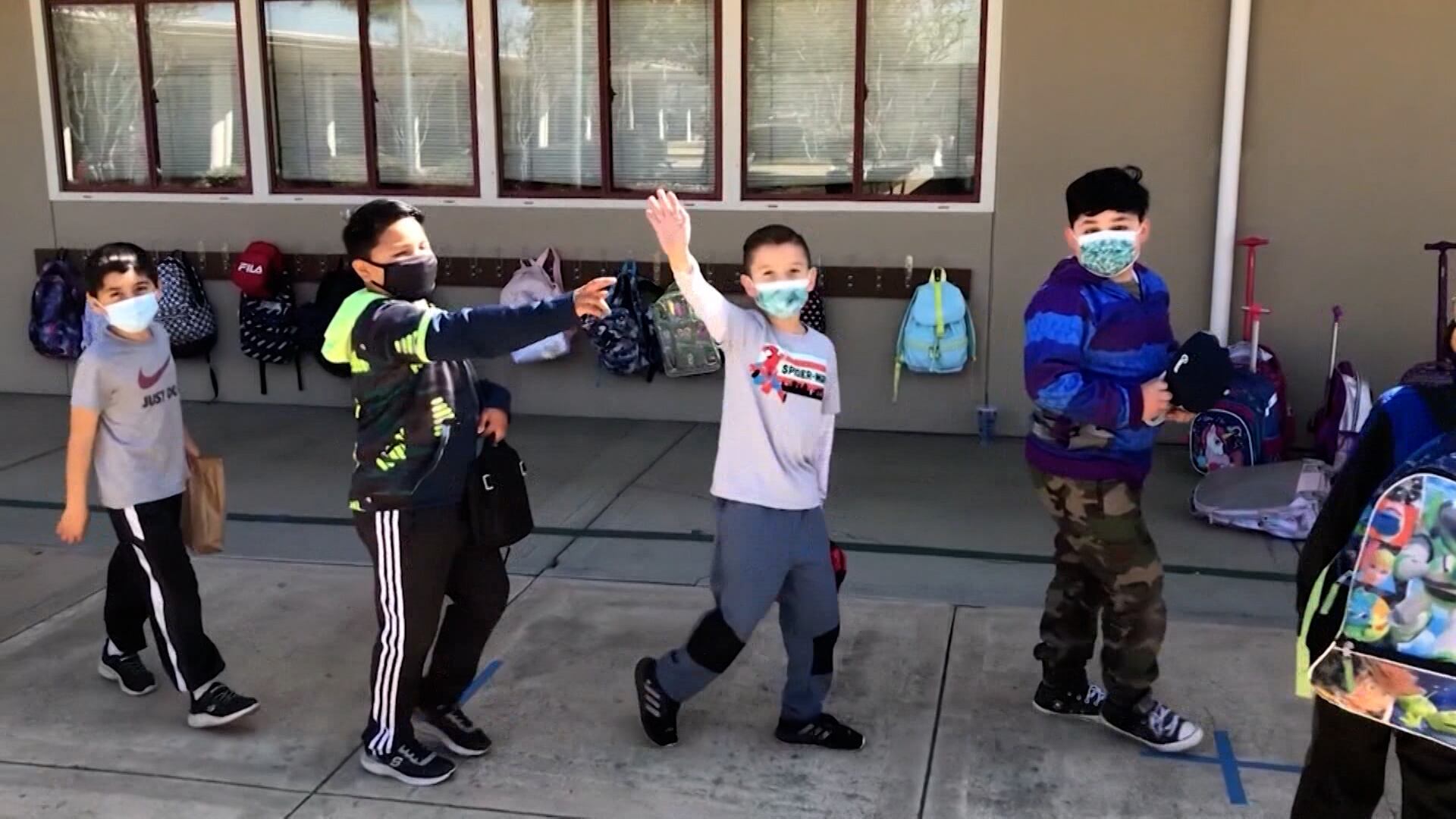
A new study published in "JAMA Pediatrics" looked at how staying home impacted the mental and physical health of students during the pandemic. The results from 11 different countries found across the board that children's mental health was affected, with increased depression and symptoms of anxiety. Cheddar News speaks with clinical psychologist Eileen Kennedy-Moore on how parents can best decide on whether to send their kids back to the classrooms during the surge of Covid-19 cases.
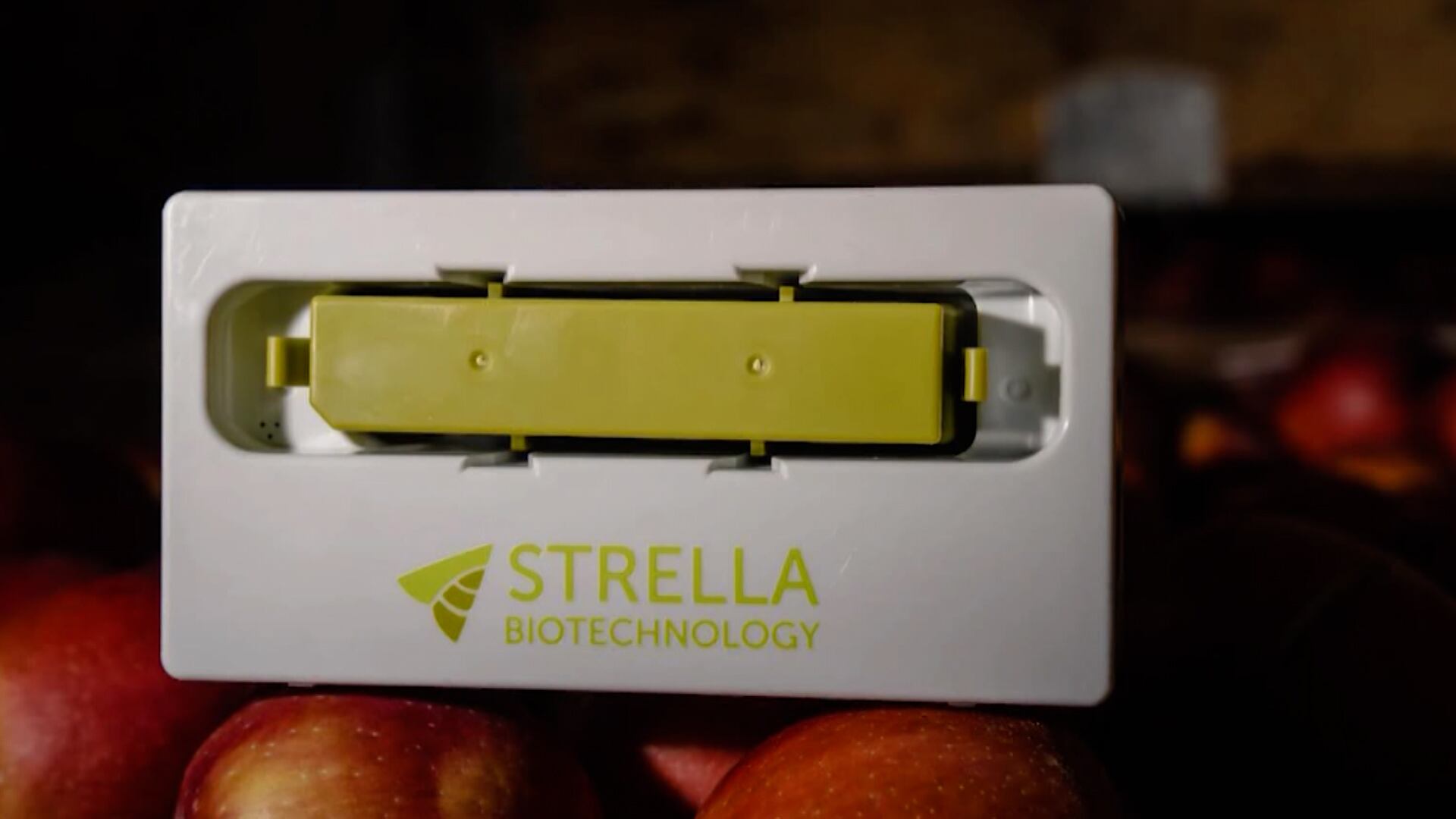
Food waste is a major contributor to greenhouse gas emissions in the United States. Strella Biotechnology is trying to solve the problem by introducing new technology to a business that's been around for generations -- farming. The 24-year-old CEO created hi-tech sensors that interpret the shelf life of produce and alert farmers when fruits and vegetables are ready to be sent to supermarkets. The company says the process can help farmers make money, reduce food waste and increase the quality of produce. Strella Biotechnology's co-founder and CEO Katherine Sizov and co-founder and COO Jay Jordan joined Cheddar Climate to discuss.
Adele Shraiman, Campaign Representative for the Sierra Club’s Fossil Free Finance Campaign, joins Cheddar Climate, where she explains how Wall Street and climate change are related. She also elaborates on how decisions made by financial institutions are actually hurting the ability to reduce carbon emissions.
Two reports from NASA and NOAA say that 2021 was the Earth's sixth-hottest year on record, part of a seven-year streak of the hottest years reported since the data has been recorded. Meanwhile, the U.S. experienced 20 separate billion-dollar climate-related disasters, including Hurricane Ida which cost $75 billion in its aftermath. These trends are moving upward at the same time. What could be in store for 2022? Chelsea Harvey, a reporter for E&E News, joins Cheddar Climate to discuss these federal reports, the monetary impact of climate disasters, and more.
Breakthrough Energy Catalyst, a private-public fund backed by Bill Gates, is planning to invest up to $15 billion in clean technology initiatives across the U.S., UK, and European Union. It will target four key areas and help fund large projects that otherwise would not be financially possible. Bobby Hollis, Director of Breakthrough Energy Catalyst, joins Cheddar News' Closing Bell to discuss.
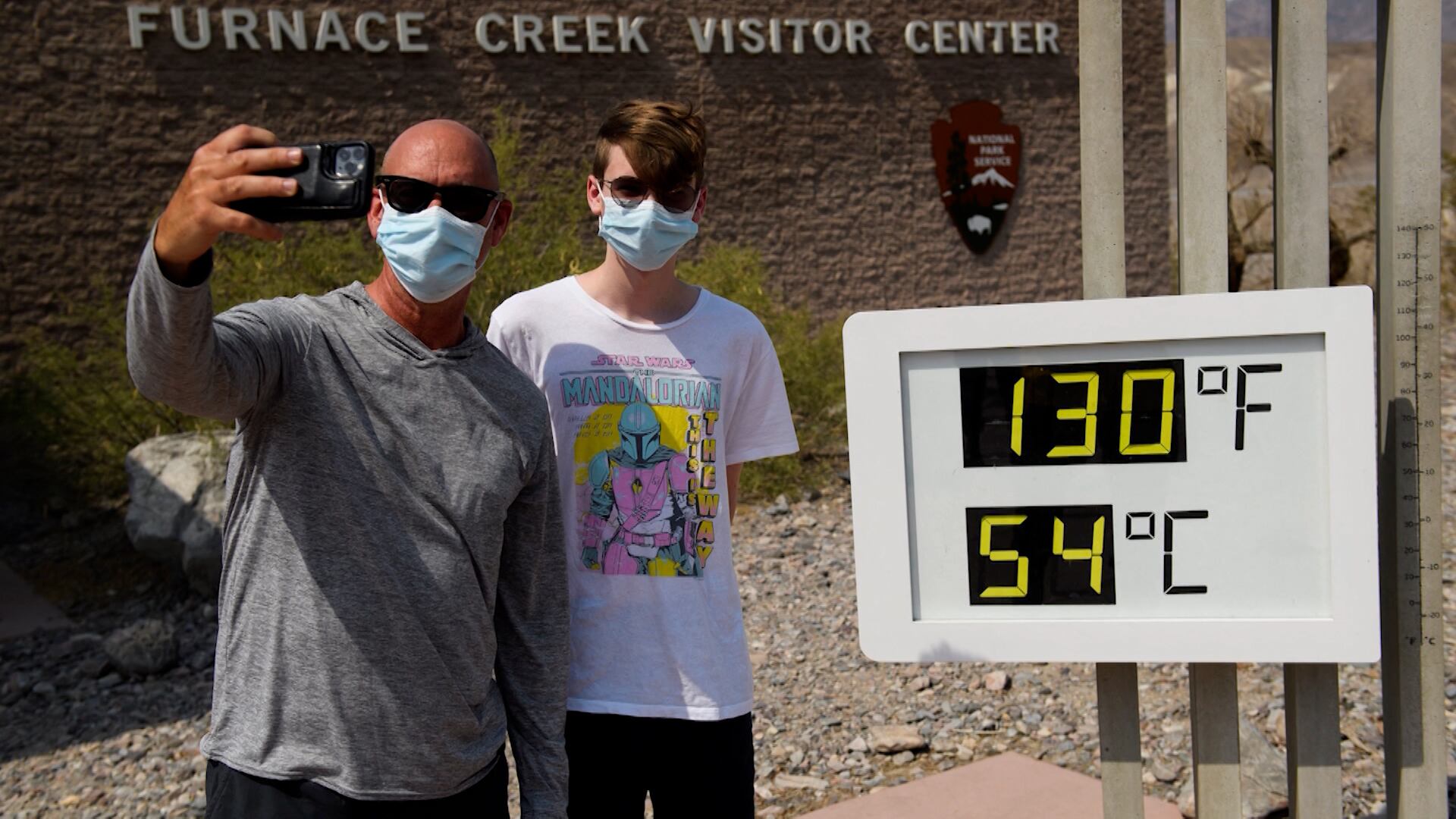
Washington Post Climate Reporter Sarah Kaplan joined Wake Up With Cheddar to discuss a stark climate report that definitively shows the earth is getting warmer.
Chicago schools opened their doors again following a dispute between the teachers union and the city over as the omicron variant continues to surge, but the safety issues they fought over weren't just limited to the Windy City. Dr. Bayo Curry-Winchell, family medicine and urgent care doctor, joined Cheddar in discussing concerns of parents, teachers, and students as schools try to operate amid COVID and noted what she's been observing as the number of infections among children rises. "I am seeing them contract the illness from so many different aspects," she said. "It could be from a fellow classmate. It could be from a parent. All of those things really play in the effect of transmission as well as contracting the illness."
One startup is working to reverse climate change one seed at a time. Terraformation is a global forest accelerator that provides tools, training, financing, and business support to help scale forest restoration projects worldwide. Forests naturally absorb carbon and Terraformation says that reforestation is a safe, low-cost, and scalable solution to the climate crisis. Yee Lee, VP of growth at Terraformation, joins Cheddar Climate to discuss.
Dave Epstein, meteorologist and contributor to The Boston Globe, joins Cheddar News to discuss the arctic blast hitting the Midwest and Northeastern area.