By Seth Borenstein and Mayuko Ono
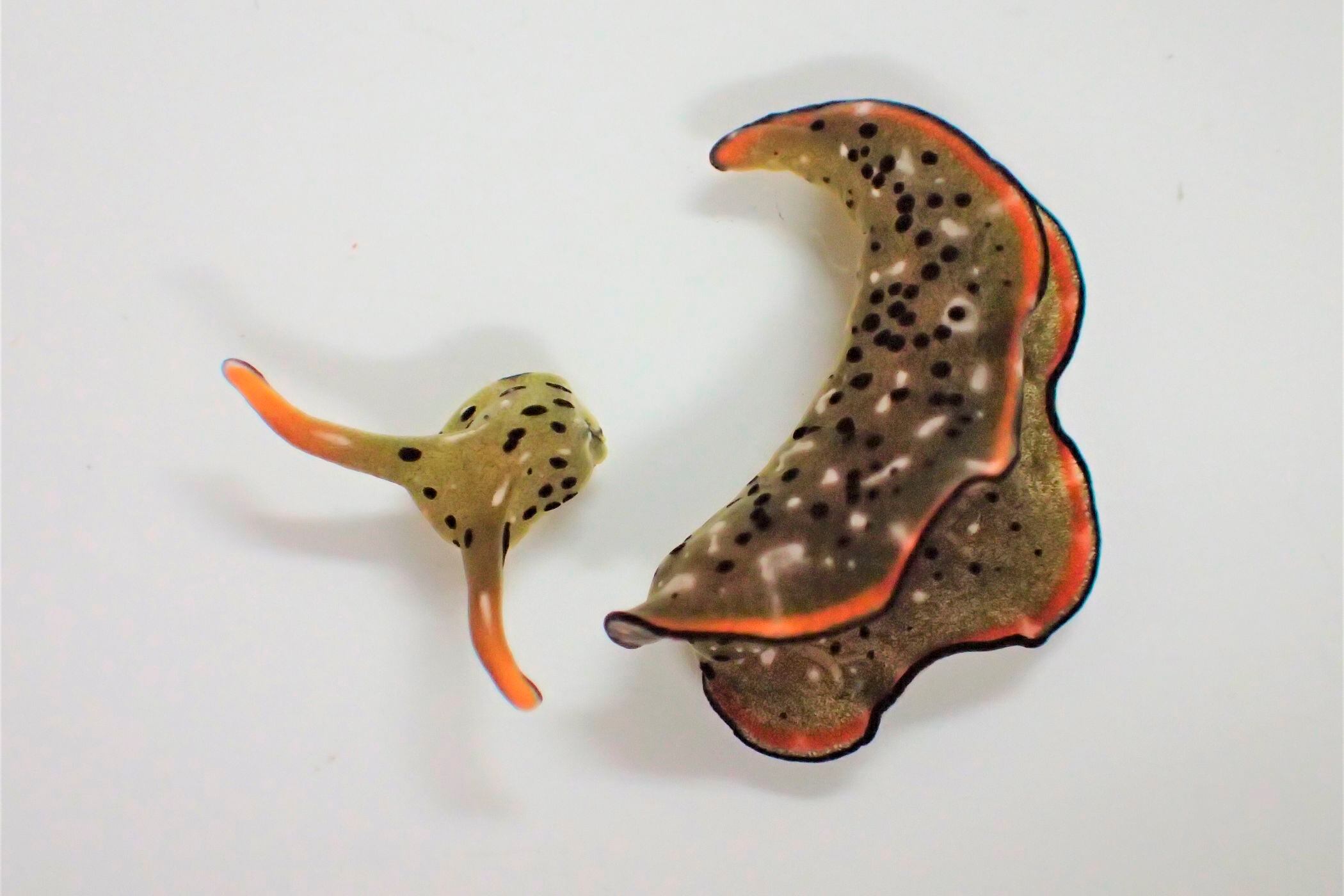
Scientists have discovered the ultimate case of regeneration: Some decapitated sea slugs can regrow hearts and whole new bodies.
This “wonder of nature,” reported in a biology journal on Monday, could eventually help scientists better understand and tackle regeneration of human tissue.
Biology researcher Sayaka Mitoh said she loves studying Japanese sea slugs because they are small, cute and weird. They can even briefly photosynthesize like a plant drawing food from the sun.
One day in the lab, she saw something bizarre: A sea slug had decapitated itself and the head kept on moving and living. Then a couple more did the same, according to a study in Current Biology.
So the doctoral student and Nara Women’s University aquatic ecology professor Yoichi Yusa tried it themselves, cutting the heads off 16 sea slugs. Six of the creatures started regeneration, with three succeeding and surviving. One of the three even lost and regrew its body twice. Two different species of Japanese sea slugs did this regeneration trick.
Other creatures can cast off body parts when needed, like when some lizards drop their tails to get away from a predator, in a biological phenomenon called autotomy.
“We think that this is the most extreme case of autotomy,’’ Yusa said. “Some animals can autotomize their legs or appendages or tails, but no other animal shed their whole body.”
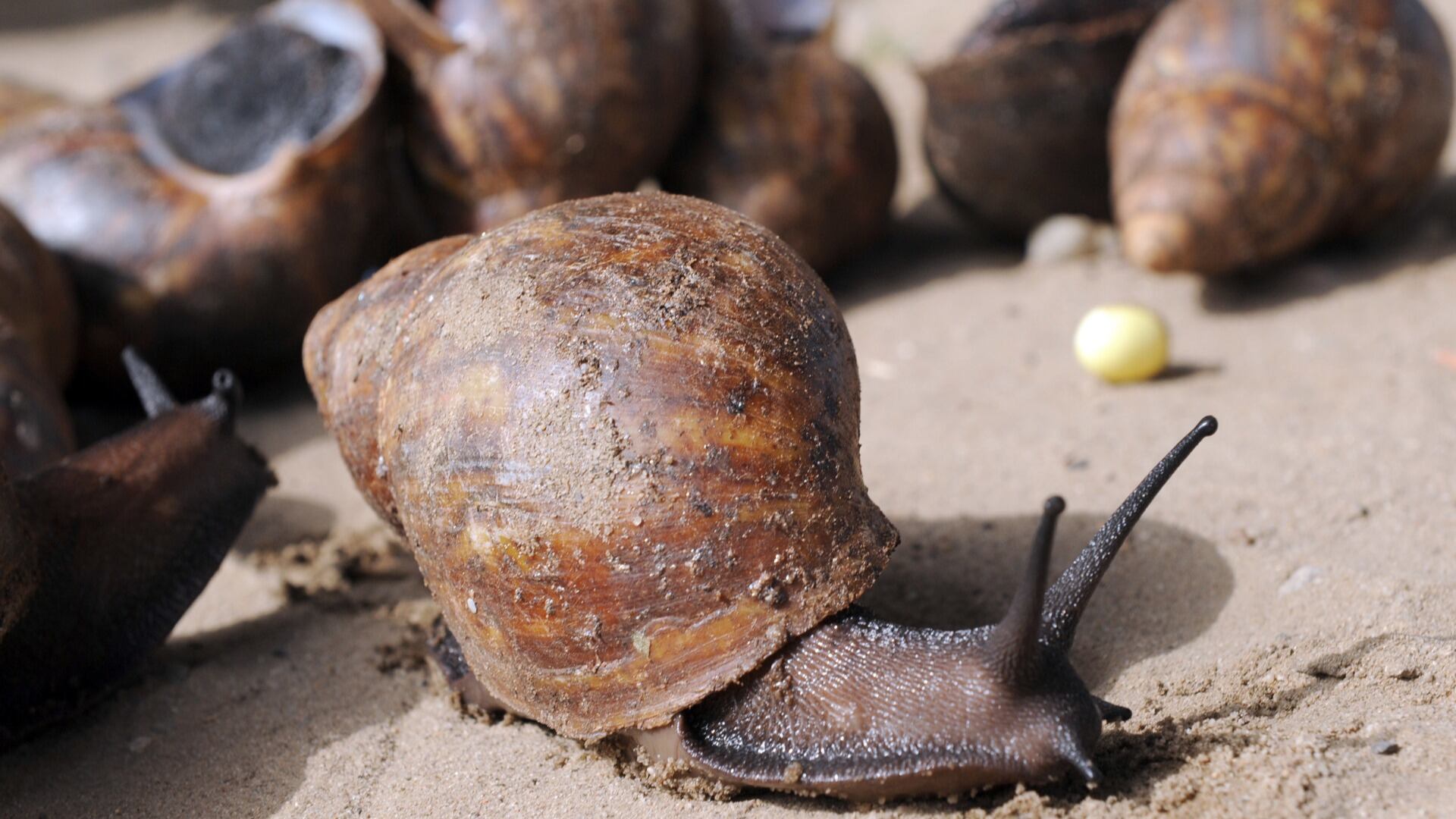
Scientists had thought that such a relatively large animal — one of the sea slug species can grow to 6 inches (15 centimeters) long — couldn't survive without a heart to pump blood and nutrients to the brain, said Canadian marine biologist Susan Anthony, who wasn’t part of the study.
But the same thing that makes this species spectacular is probably what helps it pull off the trick, said Anthony and Yusa.
When these sea slugs eat a certain type of algae they can photosynthesize their food from sunlight and oxygen, just like a plant, for about 10 days, Yusa said. What’s probably happening after decapitation is that the head sort of acts like a plant, he said. It turns a shade of green and gets its energy from oxygen and sunlight. The fact that it becomes tiny helps, he said.
These species probably developed the feat as a way of fighting off parasites, Mitoh and Yusa said.
Humans may be able to learn something useful from the sea creatures, several scientists said. What’s especially intriguing is that these sea slugs are more complex than flatworms or other species that are known to regenerate, said Nicholas Curtis, a biology professor at Ave Maria University who wasn’t part of the study.
“It is of course a wonder of nature, but understanding the underlying molecular mechanisms involved could help us to understand how our cells and tissues can be used to repair damage,” Curtis said in an email.
___
Borenstein reported from Kensington, Maryland.
___
The Associated Press Health and Science Department receives support from the Howard Hughes Medical Institute’s Department of Science Education. The AP is solely responsible for all content.