Short-Seller Andrew Left: Twitter's Jack Dorsey Hitting His Stride
*By Carlo Versano*
Twitter has never been more relevant in the national conversation and, despite an uproar over misuse of its platform, it remains the social network to beat in terms of influence, said Citron Research's executive editor Andrew Left.
"Dollars will follow relevancy," the short-seller said Thursday in an interview on Cheddar. "\[CEO Jack Dorsey\] has made it clear what kind of platform he wants."
Even as Dorsey shoulders criticism for his refusal to ban the conspiracy theorist Alex Jones, Twitter's continued global presence in the media landscape will be what ultimately pushes the stock up, Left said.
Left also said he's major fan of Twitter's video product, which the company has used to make streaming partnership deals for [high school football] (https://www.ubergizmo.com/2018/08/adidas-to-live-stream-high-school-football-games-on-twitter/), [live concerts] (https://techcrunch.com/2017/05/01/twitter-stream-concerts/), and [Cheddar's own network](https://www.pscp.tv/cheddar/1DXxyYyAolLxM).
In an [analyst note](https://citronresearch.com/wp-content/uploads/2018/08/TWTR-Just-Made-the-Turn-and-Is-Hitting-Stride.pdf) earlier this week, Citron cited Elon Musk's use of the platform to report Tesla news and raised Twitter's price target to $52. It's the preferred form of communication for President Trump, the note said, and a place for elementary school teachers to communicate with parents. Twitter "has become such a part of the fabric of global communication with limited competition" that it's able to weather storms like the current one with Jones, Left's note read.
Twitter, Left said, isn't the worst privacy offender. "Facebook is the most egregious," he said.
Left said it's only a matter of time before a tech giant ー his money's on Microsoft, Google, or Apple ー makes a move.
"Twitter has nothing but market share to gain from its competitors," he said. "Dorsey's my horsey."
For more on this story, [click here](https://cheddar.com/videos/citron-researchs-andrew-left-on-why-raised-twitter-target).
While the U.S. may slowly be on the path to lowering inflation (and therefore interest rates), Europe has thoroughly trounced America, putting it on the path to lower rates by this summer.
April's release of the monthly Housing Starts and Building Permits reports by the Census Bureau provides crucial insights into the construction activity in the housing market. These reports are an economic indicator, shedding light on the current state of the housing market and its broader economic impact.
Caitlin Clark is heading to the Indiana Fever, the number one draft pick and the highest-scoring college basketball player of all time. And while she may not be getting millions from the WNBA, there's a few ways she'll net compensation for her generational talents.
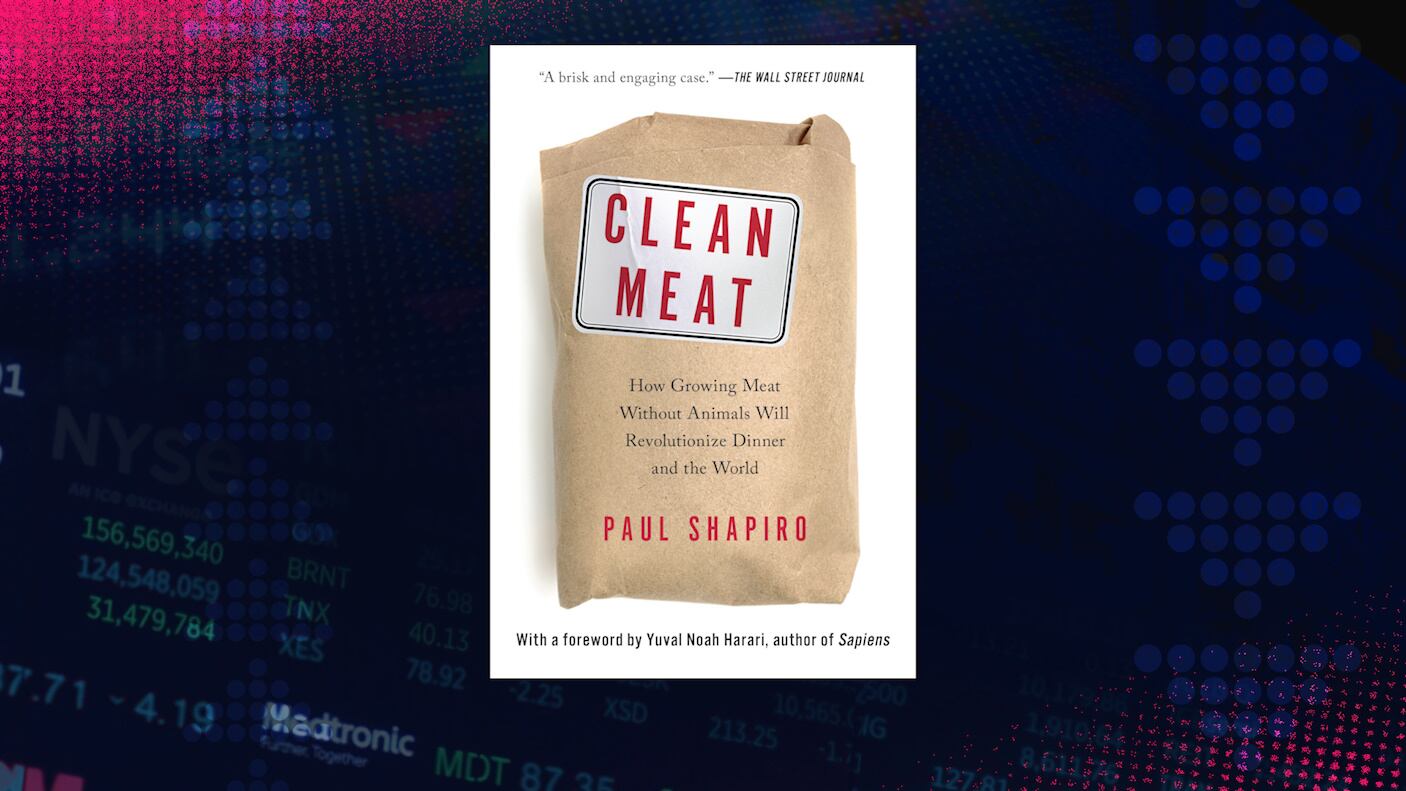
Author of 'Clean Meat,' Paul Shapiro joins Cheddar to discuss how the cellular agricultural revolution helps lower rates of foodborne illness and greatly improves environmental sustainability. Plus, how his company The Better Meat Co. is bringing healthier food options to the table.
Recent headlines might make it sound like World War III is imminent, but when it comes to your finances, it's not the time to panic. The market is coming off its longest winning streak since 2011.
You may have noticed fewer new venture capital-backed startups (like Airbnb or Uber) lately. The market slowed to a crawl after 2021, but things are expected to take off again in 2025.
Corporate earnings season is underway, that time when companies share their billions in sales or double-digit profits. But the data shows even companies are struggling with high inflation and interest rates.
Boeing continues their terrifying trend of having their planes fall apart mid-flight, inflation — checks notes — is still up and the future of AI looks terrifying. Cheery!
Food waste – uneaten scraps or leftovers sent to landfills – is responsible for 10% of global emissions. Mill, a new product from the co-founder of Nest, thinks technology can play a role in eliminating it.
By the time the 2024 election is over, be prepared to see some form of a recession – but this shouldn’t be as bad as what we experienced in 2020 or 2008.