Though former Minneapolis officer Derek Chauvin was convicted of murdering George Floyd nearly a year ago, Senator Tina Smith (D-Minn.) said there is much more work to be done to increase police accountability.
Smith, whose hometown is Minneapolis, told Cheddar that people have to continue organizing and bringing grassroots movements to the forefront so this isolated and rare conviction of a police officer can become a more commonplace reality.
“I think a lot of people in Minnesota and probably around the country were feeling a sense of great relief, that in this most egregious murder that we all saw play out on our video screens, that there was accountability," she said. "But we know that the work ahead to really address these challenges and to fight to make sure that there is true equal justice in this country is a long road ahead of us, and we’ve got to get on it.”
Smith is encouraging her Senate colleagues to support the George Floyd Justice in Policing Act, which the House passed in March, though it is expected to hit a few roadblocks, particularly when it comes to altering qualified immunity for police officers. Such a change would make it easier for citizens to bring civil lawsuits against officers for police misconduct.
The bill would also eliminate several problematic policing tactics used by various departments nationwide, including no-knock warrants, like the one obtained by police in the lead-up to the killing of Breonna Taylor, and chokeholds, a restraint technique already banned by the NYPD before it was used on Eric Garner. It would also provide an easier path for the Justice Department to investigate patterns of misconduct.
“I believe that addressing qualified immunity is what it’s going to take to change the culture in police departments and to change the ways in which we then hold police departments and law enforcement accountable for excessive use of force,” Smith noted.
“I’m not naive. This is going to be difficult to get support for, but you can see some little inklings among some of my Republican colleagues who are willing to take a look at this," she said. "I want to thank and commend Senator Tim Scott who has shown a real interest in trying to address this because he himself as United States Senator and a Black man has experienced this kind of disproportionate effect of law enforcement on him personally.”
Drastically different from the Democrats’ reform bill, Scott (R-S.C.) introduced his own police reform bill, which includes incentives for cities to end the use of chokeholds but stops short of completely banning them. Smith said she is willing to negotiate and believes some bipartisan progress can be made since more GOP members may be recognizing that changes in American policing are necessary.
“The thing we cannot do is to take steps that are not that meaningful, that aren’t going to result in real change, declare victory, and then reduce the pressure to really change these systems that result in such disproportionate impact on Black and Brown people and all people of color,” she added.
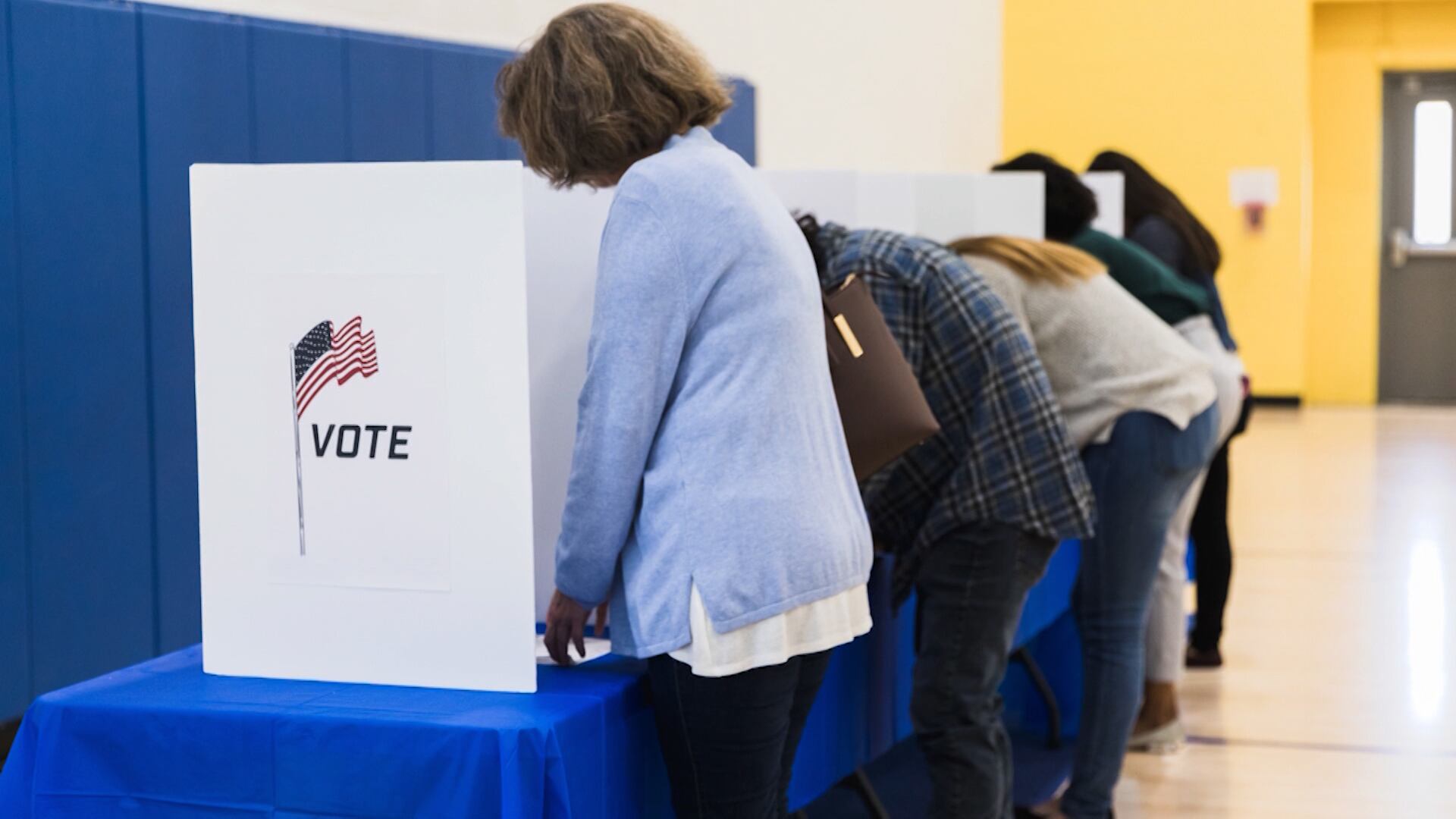
Joe Kennedy III, a former congressman and co-founder of Give Us the Ballot, joined Cheddar News to discuss voting protections in the United States and how his campaign is aiming to fix the issue of voter suppression. "Yes, redistricting is critical — Give Us the Ballot though recognizes it's 'redistricting, and —', because voting rights has an implication for every single election at every single level: school board, mayor, city council, House of Representatives, Senate, president," he said. Kennedy also gave his thoughts about the retirement of Justice Stephen Breyer.
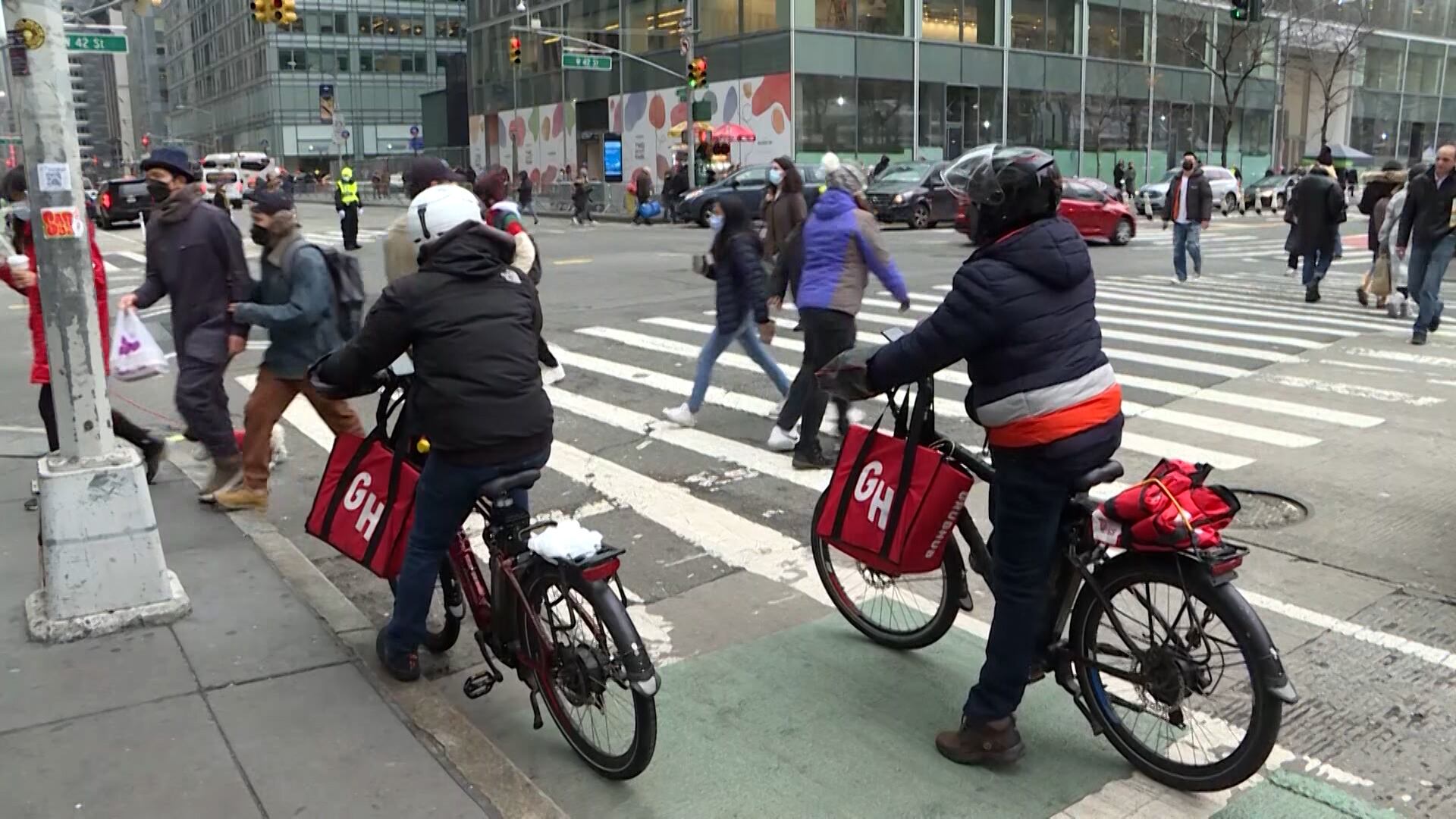
Big Apple workers who deliver for food apps like Doordash and Grubhub will now receive a number of legal protections provided through a package of new regulations that have started going into effect. These updated rules include more control over their deliveries, pay and tip transparency, a higher minimum pay rate, and access to restaurant bathrooms during the workday. New York City Comptroller Brad Lander joined Cheddar to elaborate on the regulations and how the platform holders reacted. "I have to say it's a mixed bag," he said. "Grubhub actually welcomed the legislation and said they recognize they need to do better by their deliveristas, but DoorDash, unfortunately, has actually been pushing back against the legislation."
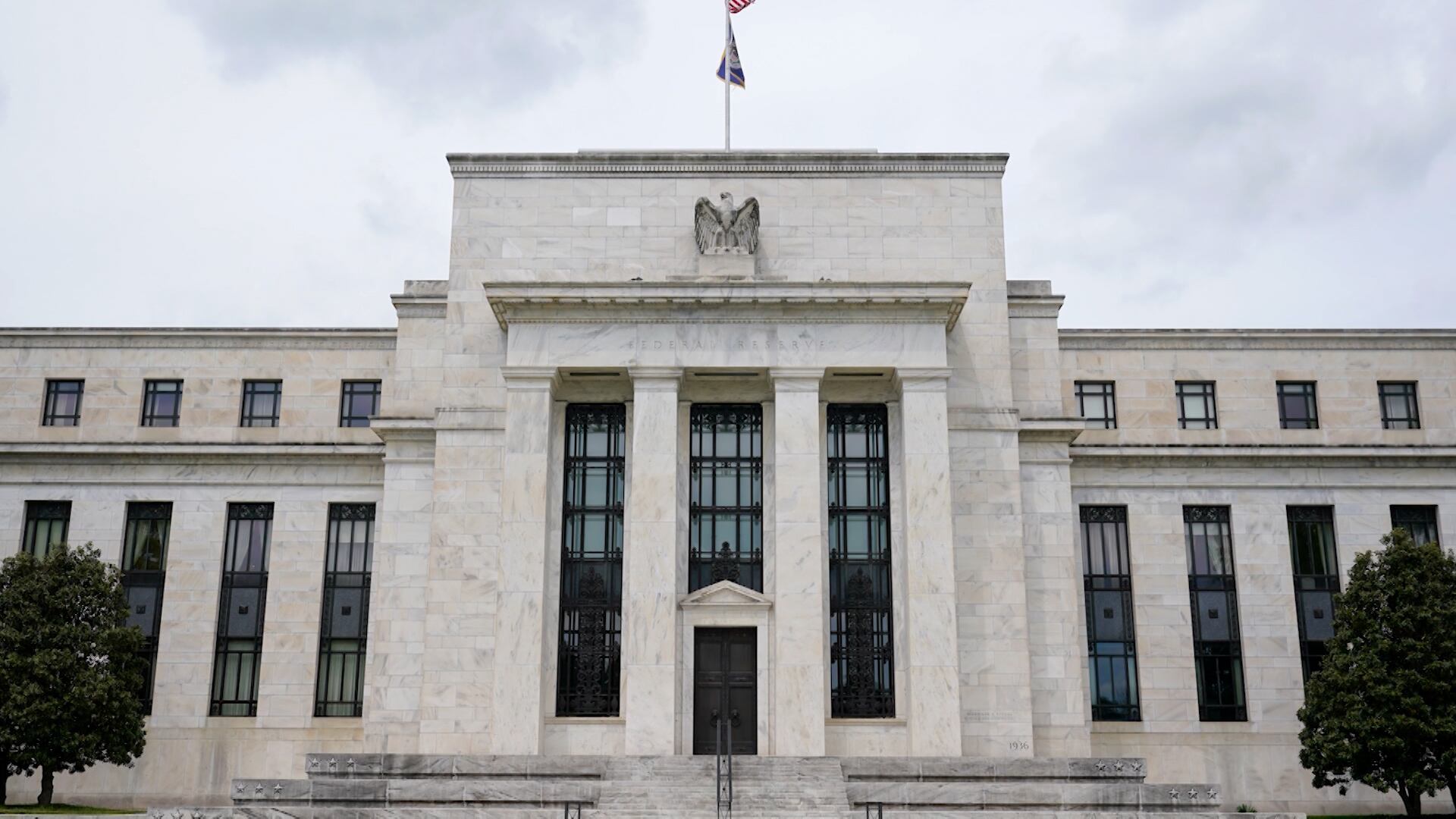
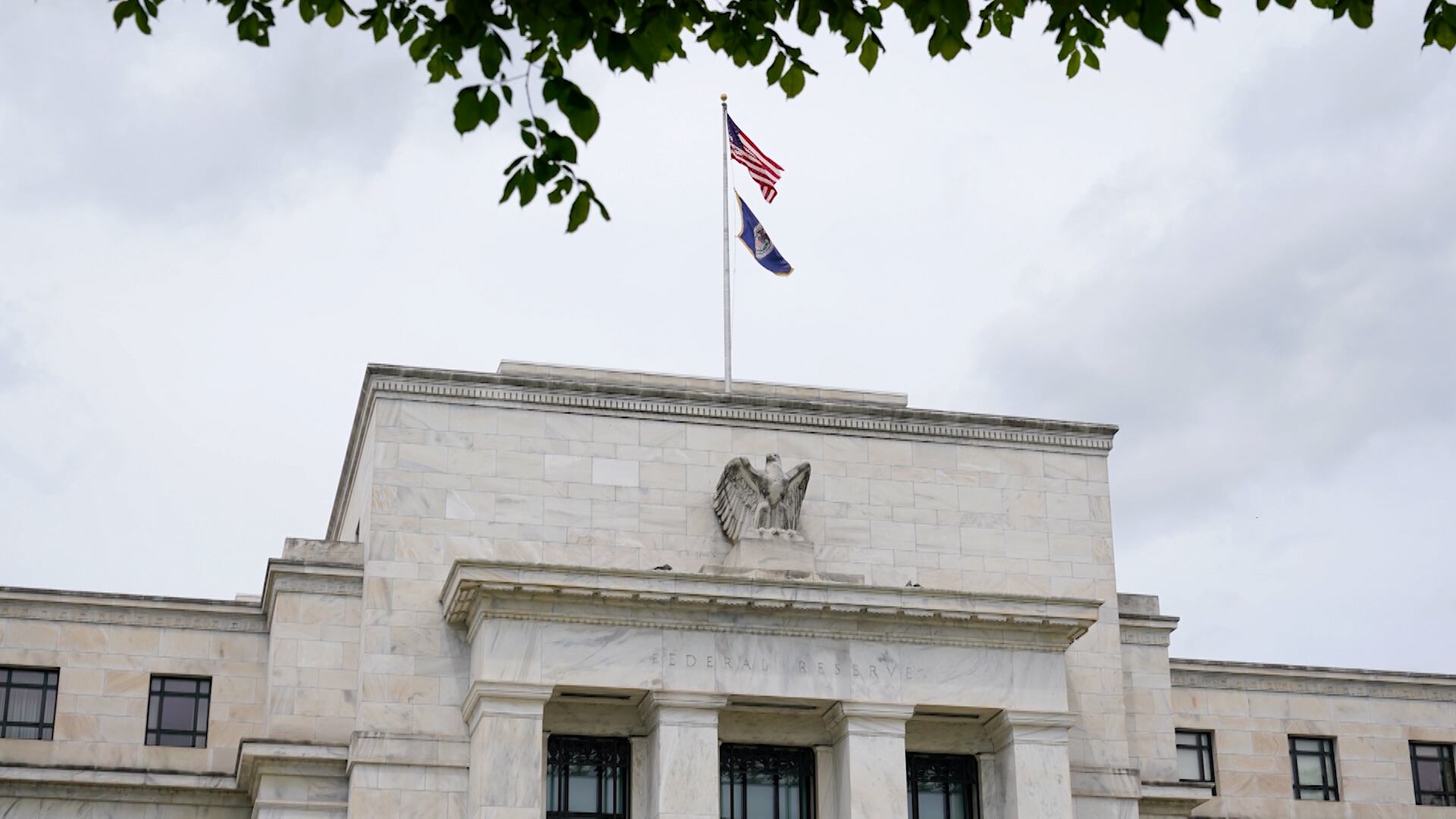
Thomas Hoenig, Former CEO of Federal Reserve Bank of Kansas City and currently Distinguished Senior Fellow with the Mercatus Center, joined Cheddar News' Closing Bell, where he says the Fed's decision was no surprise, but believes the Fed is behind the curve on raising rates.
Legal cannabis businesses are having a hard time surviving in California with the high cost of doing business and a still-thriving illicit market. In response, nonprofit Supernova Women, founded by women of color, is advocating on behalf of Black and brown shareholders in the cannabis industry. Amber Senter, co-founder, executive director, and chairman of the organization, spoke with Cheddar News about calling for changes in the Golden State's taxation system for legal marijuana. "We're really leaning on the legislators now to support the industry and make sure that this industry, in particular craft cannabis, can survive," said Senter.
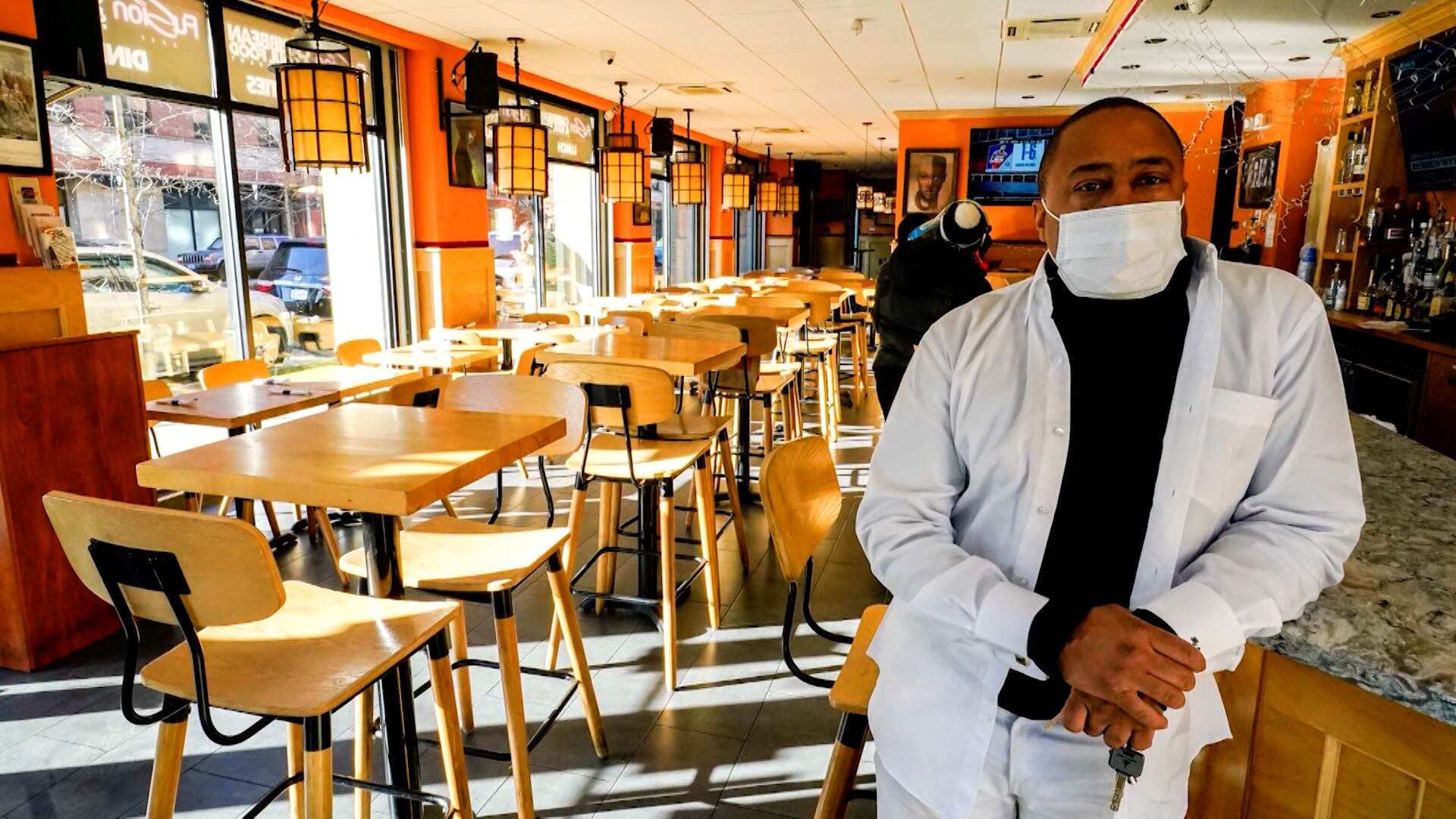
After being among the hardest-hit industries by the pandemic, restaurants are still having a hard time staying afloat, with owners claiming that business is worse now due to closures from staff shortages and customer decline than it was three months ago. Mike Whatley, vice president of state affairs and grassroots advocacy for the National Restaurant Association, spoke to Cheddar News about how the sector is reaching out to lawmakers for help. "Working with Senators Wicker, Sinema, and a whole host of bipartisan leaders, we're trying to get the Restaurant Revitalization Fund replenished," Whatley said.
Communities of color are disproportionately affected by climate change and continuously feel the impacts. Mark Magaña, founding president and CEO of Green Latinos joined All Hands to discuss.
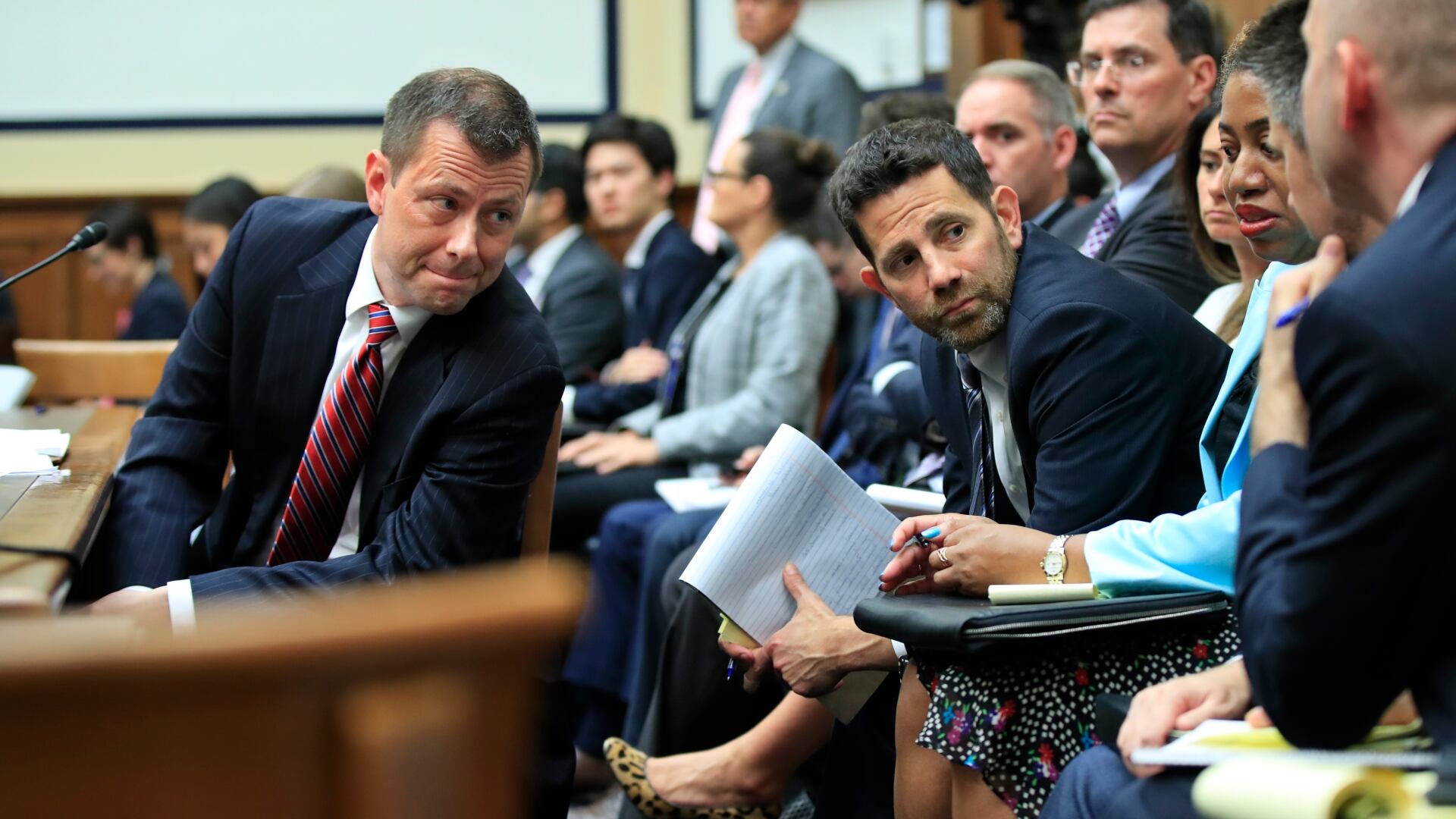
The memoir, "COMPROMISED: Counterintelligence and the Threat of Donald J. Trump", tells a familiar story from a bit of a different source: Peter Strzok himself, former FBI Counterintelligence Agents and Agency Veteran who spent most of his very long career investigating some of the most controversial inquiries, most notably in recent American history. Those inquiries were Hillary Clinton's email to even Trump Russia investigations. Former FBI Agent and Author of "Compromised" Peter Strzok, joined Cheddar to discuss more.