Autonomous truck-maker Plus.ai recently closed a new deal with the Transportation Research Center to conduct unprecedented testing of its vehicles' on-road safety.
"This is the first independent testing and validation program for a self-driving truck that has been publicly announced," Shawn Kerrigan, co-founder of Plus.ai, told Cheddar.
The company commissioned TRC to develop the testing which will be conducted on the Center's seven-and-half-mile, four-lane closed course. Kerrigan says this will allow the company to conduct tests, like multi-vehicle tests, that would be unsafe to carry out on public roads.
Kerrigan's hope is that the extra battery of testing will "prove out the overall safety and reliability of the system as well as instill greater public confidence in terms of the safety of these types of technologies."
"Just as a real driver needs to go through a testing certification to be able to drive a Class 8 truck, we think similar-type testing is going to be important for autonomous vehicles," he said.
While his team believes self-driving trucks can be the answer to many problems in shipping and safety on the road, they face concerns that autonomous vehicles could put human drivers out of work. But, Kerrigan says the industry's immediate focus should be hiring drivers. He cites the current driver shortage and says Plus.ai trucks will help address that problem.
"We think that the rollout of these technologies will be gradual," he explained. "We see this as a long-term story around addressing the driver shortage, improving overall safety, and bringing economic impact on a positive side."
"What we're finding is there's tremendous interest in this space right now because, if anything, this recent coronavirus crisis has shown the importance of trucking," he told Cheddar.
When it comes to funding for Plus.ai, Kerrigan noted the importance of talking to investors as the industry grows in popularity.
"Trucking is the first place that autonomous technology will be commercialized because of the safety case, the clear business case, and the technology fit," he said.
Stephen Kates, Financial Analyst at Bankrate, joins to discuss the Fed’s 25-basis-point rate cut, inflation risks, and what it all means for consumers and marke
Big tech earnings take center stage as investors digest results from Alphabet, Meta, Microsoft, Amazon, and Apple, with insights from Gil Luria of D.A. Davidson
Disney content has gone dark on YouTube TV, leaving subscribers of the Google-owned live streaming platform without access to major networks like ESPN and ABC. That’s because the companies have failed to reach a new licensing deal to keep Disney channels on YouTube TV. Depending on how long it lasts, the dispute could particularly impact coverage of U.S. college football matchups over the weekend — on top of other news and entertainment disruptions that have already arrived. In the meantime, YouTube TV subscribers who want to watch Disney channels could have little choice other than turning to the company’s own platforms, which come with their own price tags.
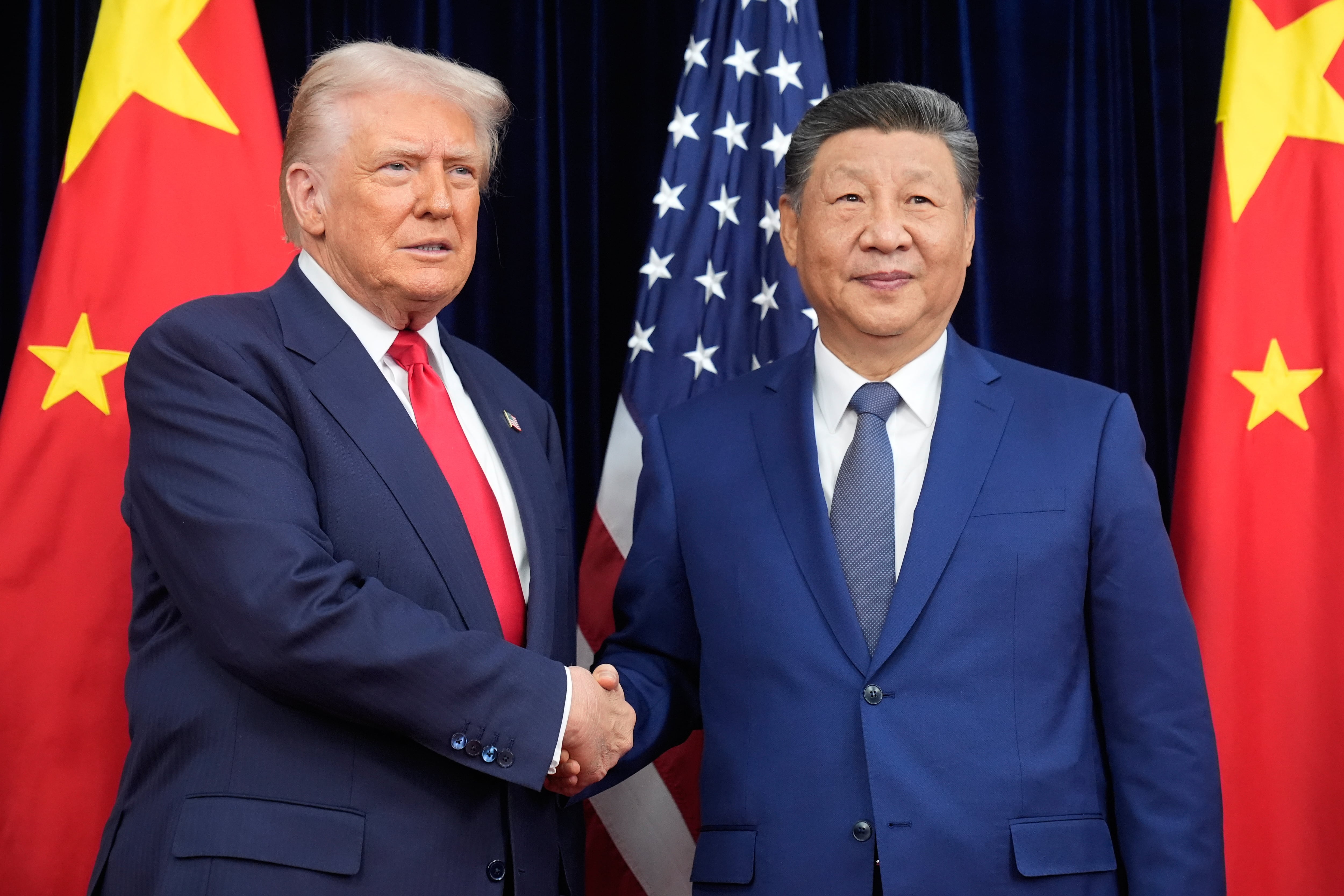
President Donald Trump said he has decided to lower his combined tariff rates on imports of Chinese goods to 47% after talks with Chinese leader Xi Jinping on curbing fentanyl trafficking.
Universal Music Group and AI platform Udio have settled a copyright lawsuit and will collaborate on a new music creation and streaming platform. The companies announced on Wednesday that they reached a compensatory legal settlement and new licensing agreements. These agreements aim to provide more revenue opportunities for Universal's artists and songwriters. The rise of AI song generation tools like Udio has disrupted the music streaming industry, leading to accusations from record labels. This deal marks the first since Universal and others sued Udio and Suno last year. Financial terms of the settlement weren't disclosed.