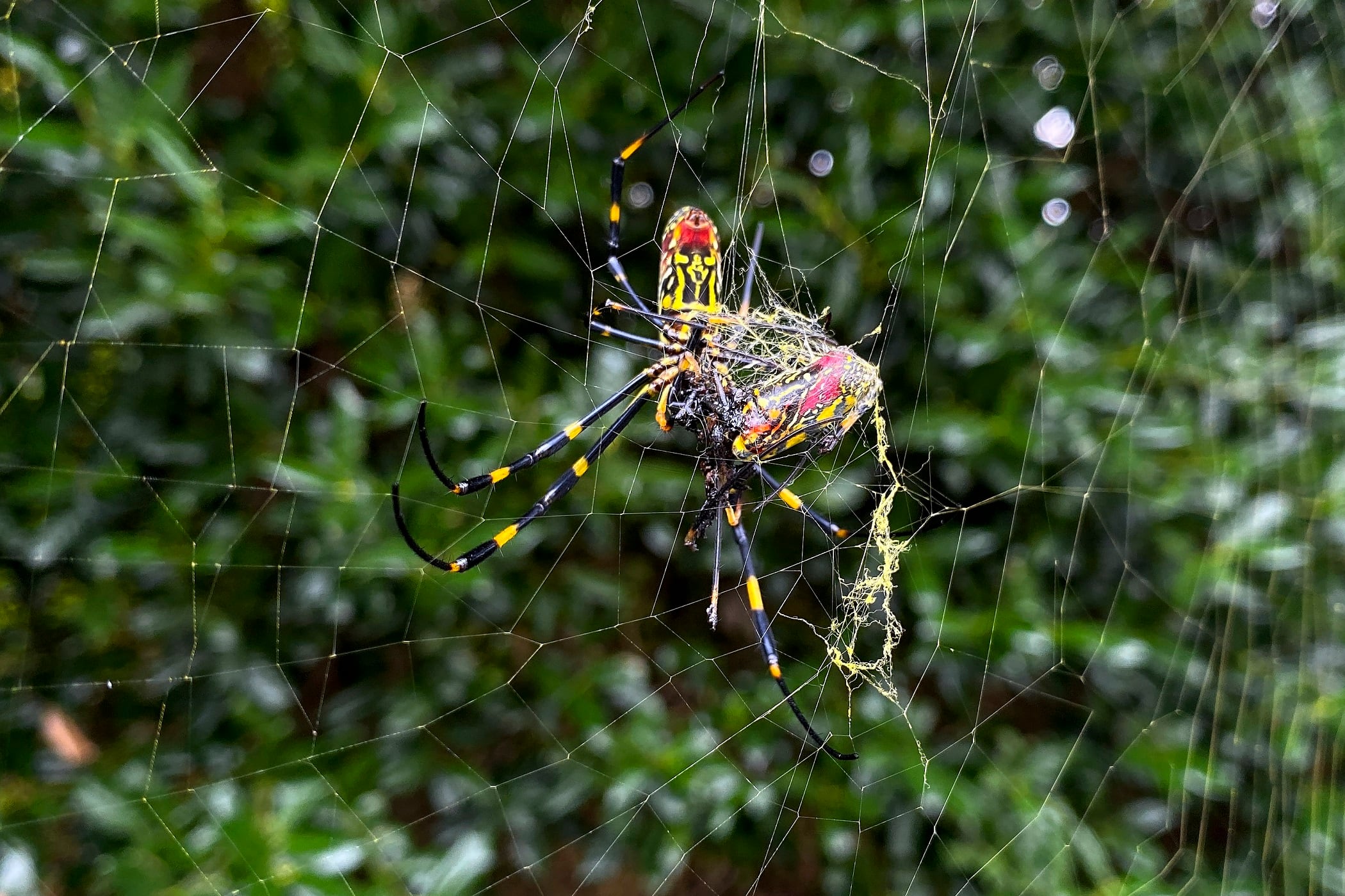
The Joro spider, a large spider native to East Asia, is seen in Johns Creek, Ga., on Sunday, Oct. 24, 2021. Researchers say the large spider that proliferated in Georgia in 2021 could spread to much of the East Coast. (AP Photo/Alex Sanz, File)
Researchers say a large spider native to East Asia that proliferated in Georgia last year could spread to much of the East Coast.
The Joro spider's golden web took over yards all over north Georgia in 2021, unnerving some residents. The spider was also spotted in South Carolina, and entomologists expected it to spread throughout the Southeast.
A new study suggests it could spread even farther than that. The Joro appears better suited to colder temperatures than a related species, researchers at the University of Georgia said in a paper published last month.
It has about double the metabolism, a 77% higher heart rate and can survive a brief freeze that kills off its relatives, the study found.
The researchers also noted that Joros are found in much of Japan, which has a similar climate to the U.S.
“Just by looking at that, it looks like the Joros could probably survive throughout most of the Eastern seaboard here, which is pretty sobering,” study co-author Andy Davis said in a statement.
The Joro — Trichonephila clavata — is part of a group of spiders known as orb weavers for their highly organized, wheel-shaped webs. Joro females have colorful yellow, blue and red markings on their bodies and can measure three inches (8 cm) across when their legs are fully extended.
It’s not clear exactly how and when the first Joro spider arrived in the U.S. or why they were so abundant in Georgia last year.
Their impact on native species and the environment is also not clear, though some researchers believe they are benign.
Heavy rainfall flooded parts of Massachusetts and Rhode Island, with two communities declaring a state of emergency as water poured into homes, creating moats around their foundations and leading to boat rescues of residents. Concern about a dam listed in poor condition led to more evacuations.
The leading decongestant used by millions of Americans looking for relief from a stuffy nose is no better than a dummy pill, according to government experts who reviewed the latest research on the long-questioned drug ingredient.
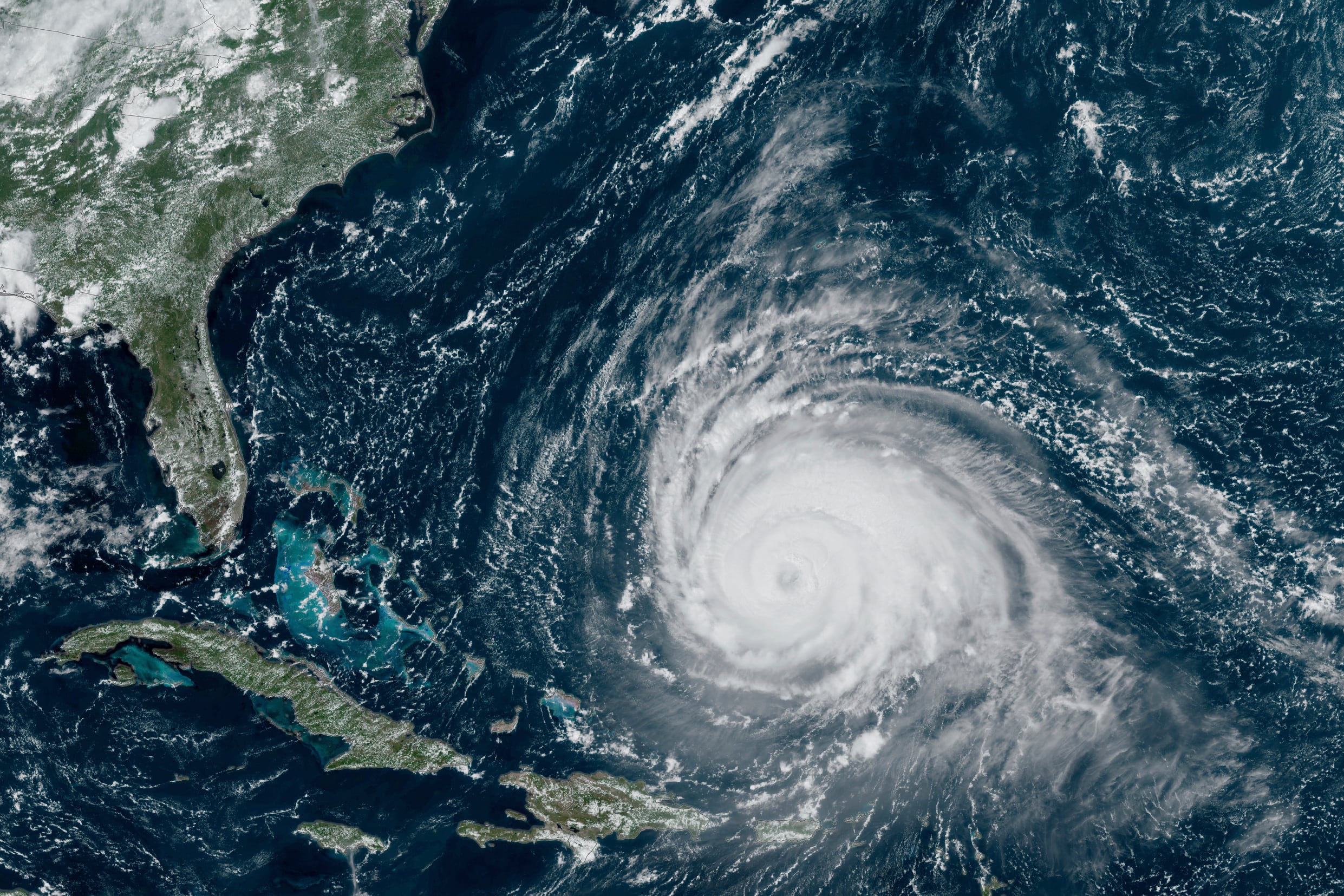
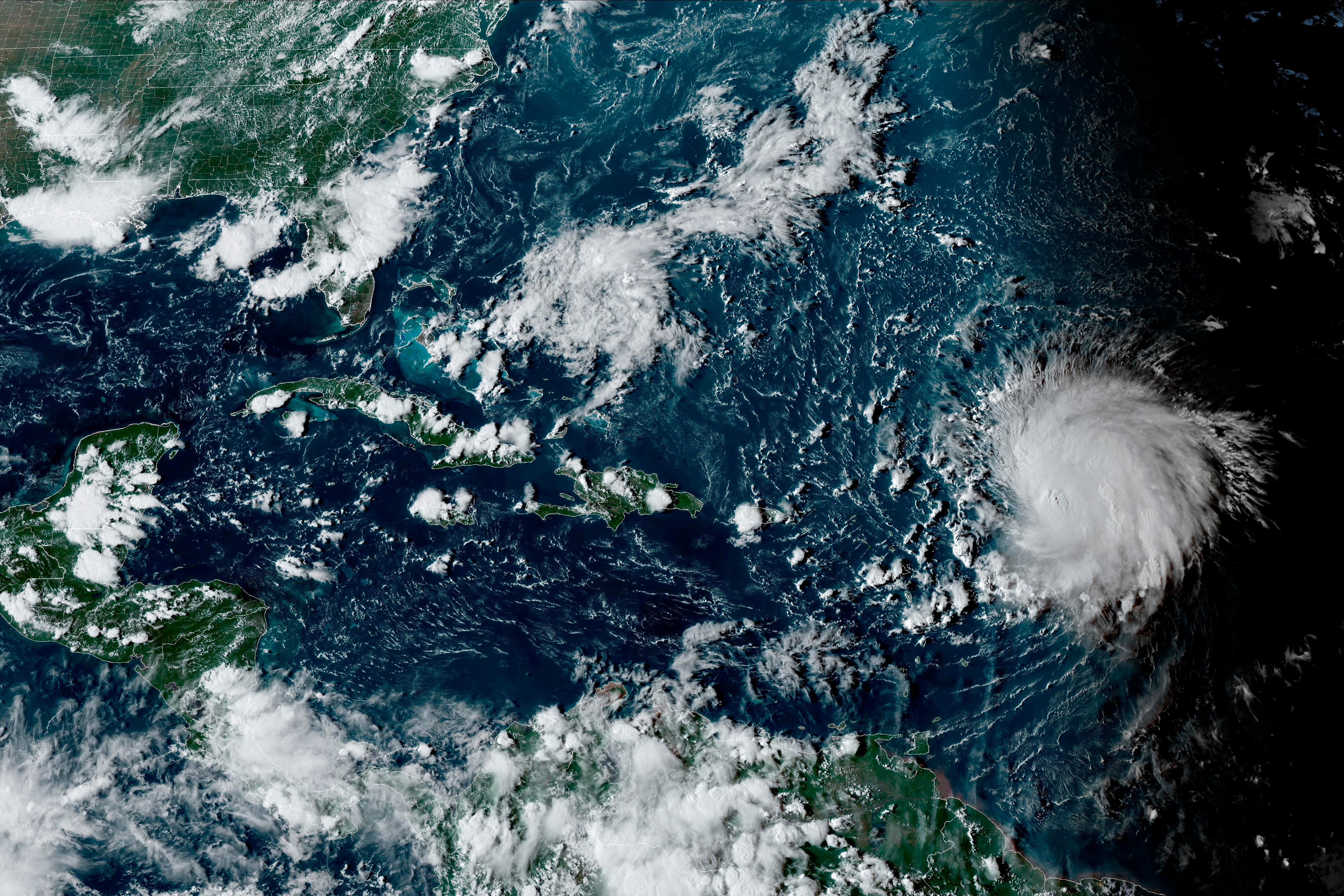
Hurricane Lee, still a Category 3 storm with winds of 115 mph, is expected to increase in size but be significantly weaker in the coming days, as it turns north to reach the U.S. East Coast, according to the National Hurricane Center.
The U.S. approved updated COVID-19 vaccines Monday, hoping to rev up protection against the latest coronavirus strains and blunt any surge this fall and winter.