Scientific American Talks The Rise of Cryptocurrency
Jen Schwartz, senior editor and blockchain expert at Scientific American, talks the magazine's latest articles on the rise of Bitcoin and what impact cryptocurrencies may have on our future.
Schwartz digs into how what people currently love about cryptocurrency could be seen as a threat in the future. One of the positives of cryptocurrency is its lack of centralization and regulation. But if entire countries begin to use it as their national currency, everything citizens purchase will be seen by the government.
Schwartz digs into some of the biggest questions around the rise of Bitcoin today - how will it benefit everyday people in the long-term? What happens if the bubble bursts, and what will that do for investor trust in cryptocurrency?
Schwartz gives her advice for people looking to possibly invest in Bitcoin, adding that if you are not concerned with losing money and you're looking to experiment, make the investment. If risk is a big concern for you, investing in crypto right now may not be the right move.
The U.S. economy is being held up in part by the AI boom, but that boom could still lead to broader prosperity or inequality, says a Nobel Prize winner.
Foundation Robotics co-founder Michael LeBlanc explains how humanoid robots are moving from the lab to military and industrial missions and what comes next.
Jeff Burnstein, President of the Association for Advancing Automation (A3), discusses humanoid robots, AI, smart manufacturing, and the future of U.S. industry.
Should kids be banned from social media? Nick Lichtenberg of Fortune breaks down the global push to restrict under-16 users and what it means for Big Tech.
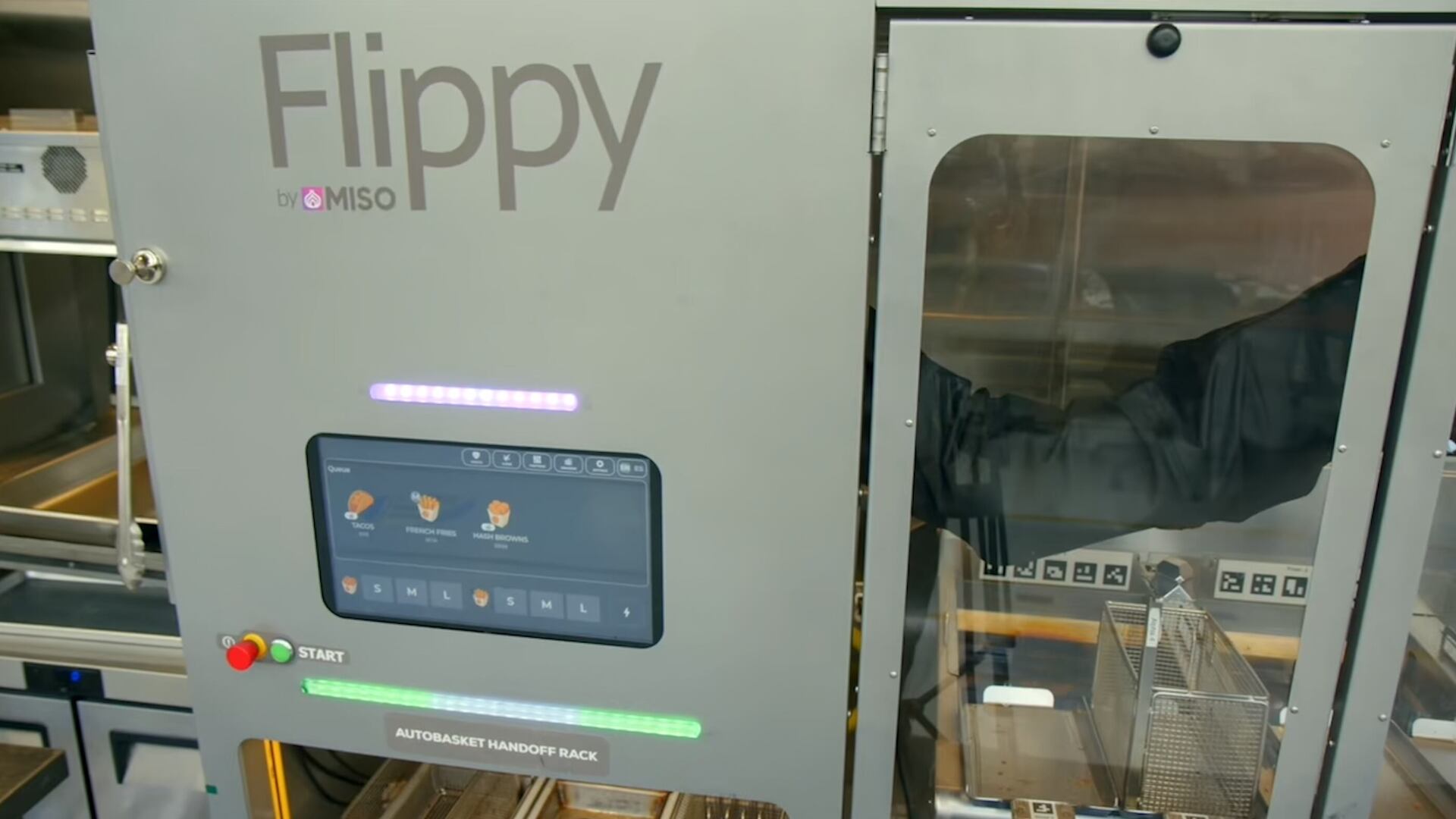
Miso Robotics CEO Rich Hull discusses Flippy Fry Station, the future of AI-powered restaurant automation and how acquiring Zume's IP could reshape food robotics
After two years of AI-fueled spending, Wall Street is asking what's next. Gil Luria breaks down monetization, valuations, winners, losers, and AI's future.