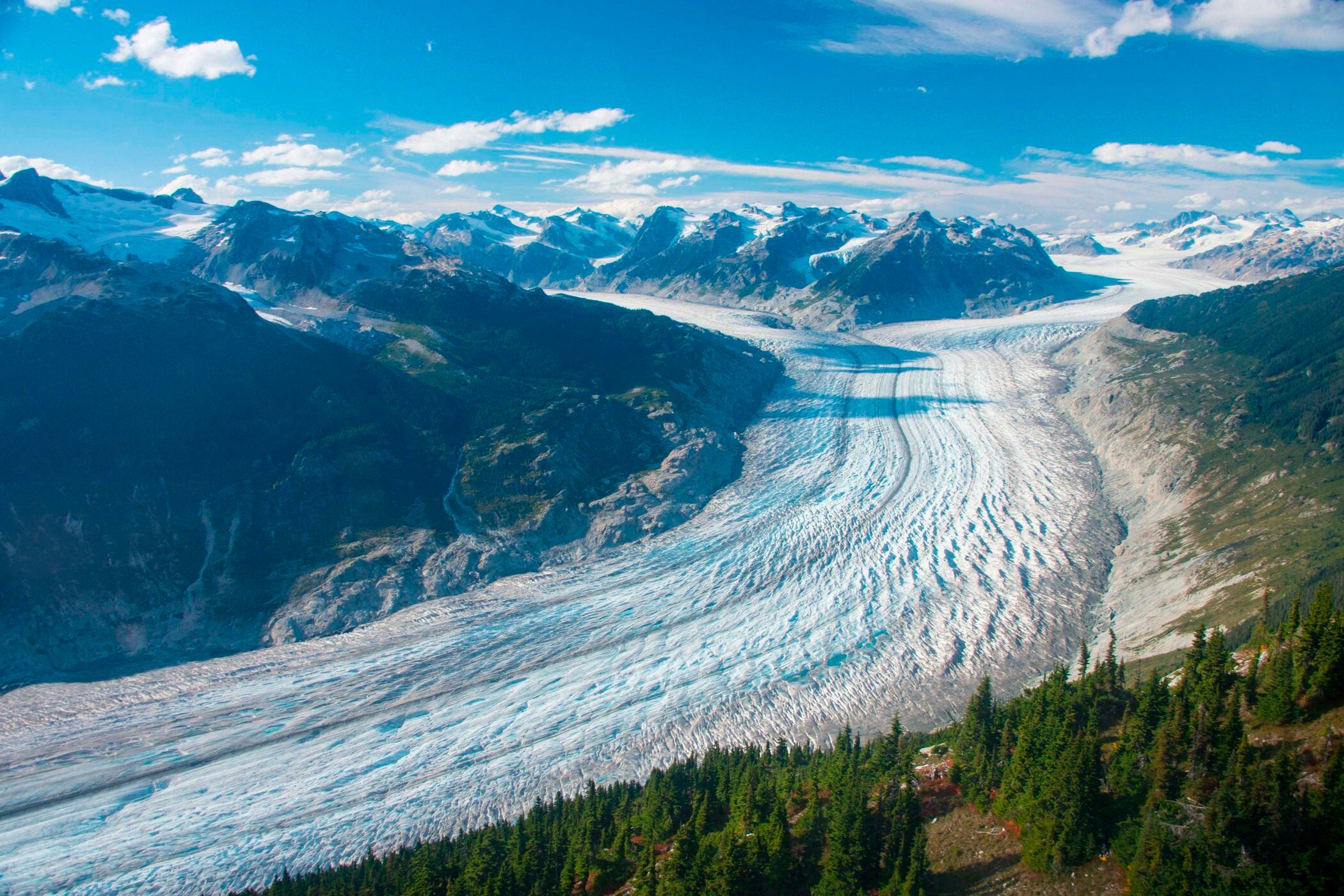
This September 2017 photo provided by researcher Brian Menounos shows the Klinaklini glacier in British Columbia, Canada. The glacier and the adjacent icefield has lost nearly 16 billion tons (14.5 billion metric tons) of snow and ice since 2000, with 10.7 billion tons of that (9.8 billion metric tons) of that since 2010, Menounos says. And the rate of loss accelerated over the last five years of the study. (Brian Menounos via AP)
By Seth Borenstein
Glaciers are melting faster, losing 31% more snow and ice per year than they did 15 years earlier, according to three-dimensional satellite measurements of all the world’s mountain glaciers.
Scientists blame human-caused climate change.
Using 20 years of recently declassified satellite data, scientists calculated that the world’s 220,000 mountain glaciers are losing more than 328 billion tons (298 billion metric tons) of ice and snow per year since 2015, according to a study in Wednesday’s journal Nature. That’s enough melt flowing into the world’s rising oceans to put Switzerland under almost 24 feet (7.2 meters) of water each year.
The annual melt rate from 2015 to 2019 is 78 billion more tons (71 billion metric tons) a year than it was from 2000 to 2004. Global thinning rates, different than volume of water lost, doubled in the last 20 years and “that’s enormous,” said Romain Hugonnet, a glaciologist at ETH Zurich and the University of Toulouse in France who led the study.
Half the world’s glacial loss is coming from the United States and Canada.
Alaska’s melt rates are “among the highest on the planet," with the Columbia glacier retreating about 115 feet (35 meters) a year, Hugonnet said.
Almost all the world’s glaciers are melting, even ones in Tibet that used to be stable, the study found. Except for a few in Iceland and Scandinavia that are fed by increased precipitation, the melt rates are accelerating around the world.
The near-uniform melting “mirrors the global increase in temperature” and is from the burning of coal, oil and gas, Hugonnet said. Some smaller glaciers are disappearing entirely. Two years ago, scientists, activists and government officials in Iceland held a funeral for a small glacier.
“Ten years ago, we were saying that the glaciers are the indicator of climate change, but now actually they’ve become a memorial of the climate crisis,” said World Glacier Monitoring Service Director Michael Zemp, who wasn’t part of the study.
The study is the first to use this 3D satellite imagery to examine all of Earth’s glaciers not connected to ice sheets in Greenland and Antarctic. Past studies either only used a fraction of the glaciers or estimated the loss of Earth’s glaciers using gravity measurements from orbit. Those gravity readings have large margins of error and aren't as useful, Zemp said.
Ohio State University’s Lonnie Thompson said the new study painted an “alarming picture."
Shrinking glaciers are a problem for millions of people who rely on seasonal glacial melt for daily water and rapid melting can cause deadly outbursts from glacial lakes in places like India, Hugonnet said.
But the largest threat is sea level rise. The world’s oceans are already rising because warm water expands and because of melting ice sheets in Greenland and Antarctica, but glaciers are responsible for 21% of sea level rise, more than the ice sheets, the study said. The ice sheets are larger longer term threats for sea level rise.
“It’s becoming increasingly clear that sea level rise is going to be a bigger and bigger problem as we move through the 21st century,” said National Snow and Ice Data Center Director Mark Serreze.
The Associated Press Health and Science Department receives support from the Howard Hughes Medical Institute’s Department of Science Education. The AP is solely responsible for all content.
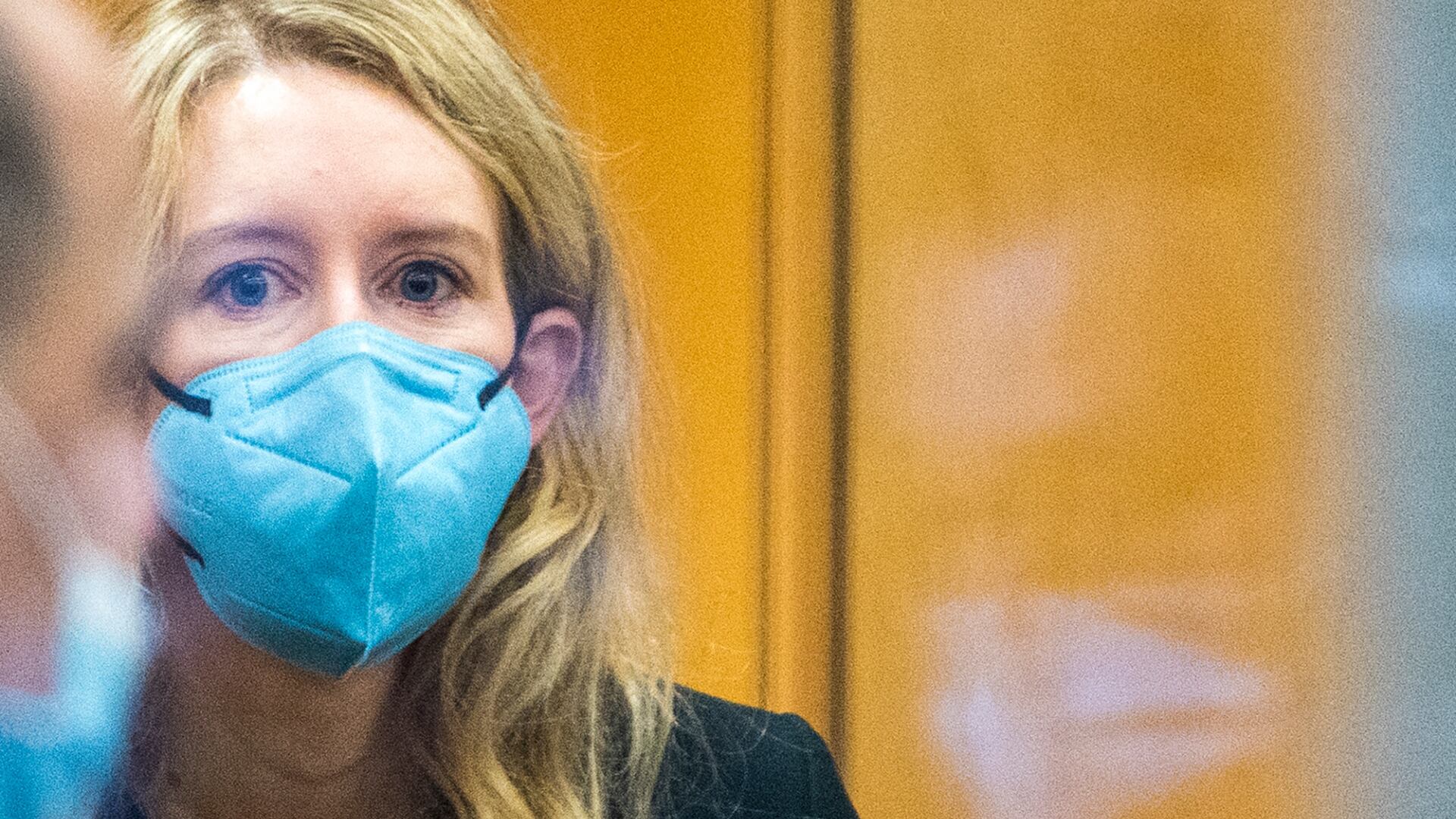
Jurors in the trial against Theranos CEO Elizabeth Holmes have entered day six of deliberations. Holmes is accused of lying to investors about the functionality of a newly developed blood-testing technology. Andrew George, partner at Baker Botts, joined Cheddar to break down key points in the case and what the jury might be considering during their deliberations. He also noted that the rest of Silicon Valley, including Holmes' business partner, Ramesh "Sunny" Balwani, who is facing identical charges, is closely watching the outcome of deliberations — as it could set the tone for future regulations and Balwani's own trial.
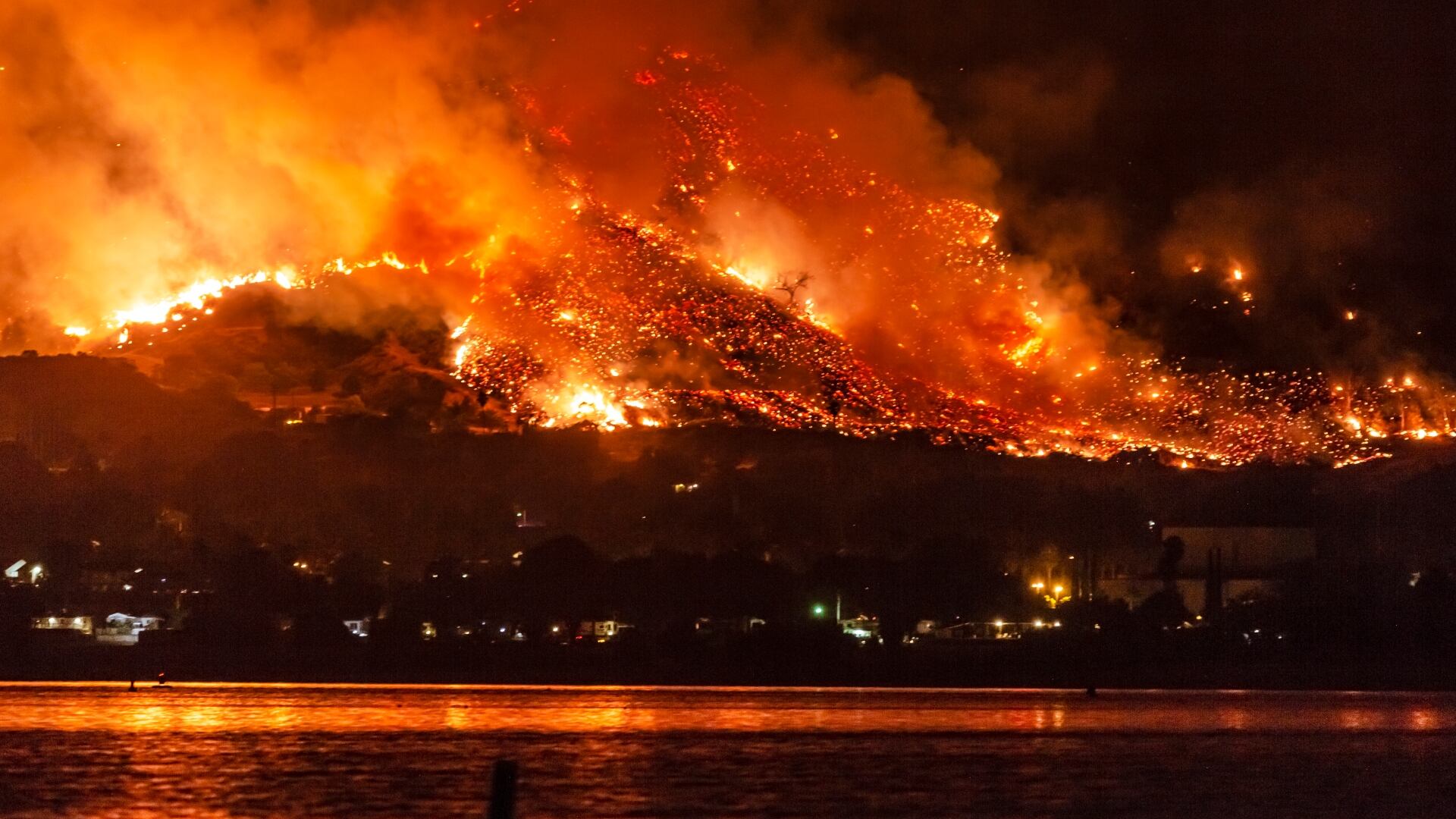
According to researchers, the state of California's cap-and-trade program is currently being undermined by forest fires caused primarily by climate change. Over the past few years, trees that were set aside for the program have been releasing carbon as they continue to burn in fires. Climate Researcher and Policy Director at CarbonPlan Danny Cullenward, joined Cheddar to discuss more.
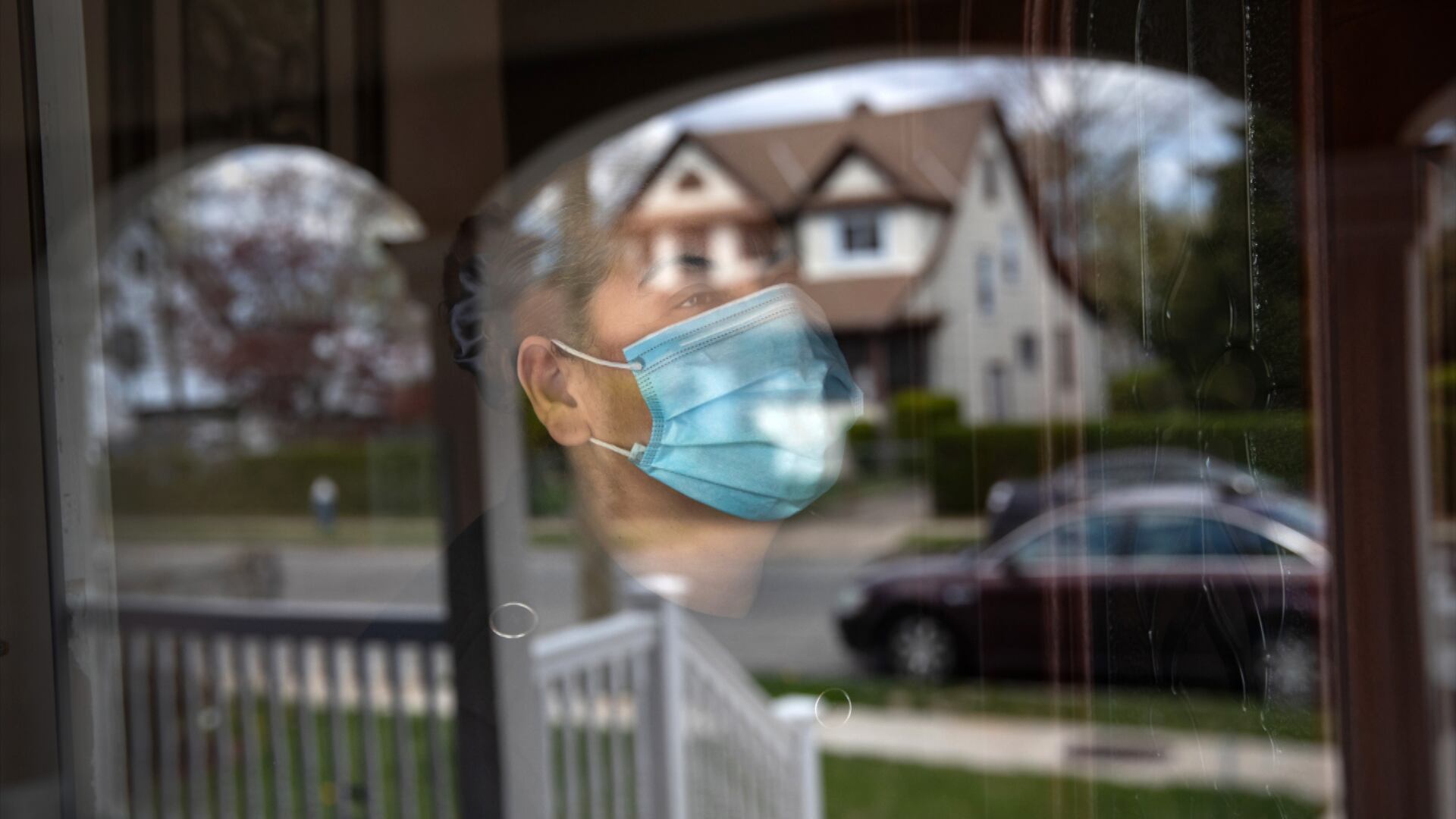
The CDC's latest update to its COVID-19 quarantine guidelines reduces the isolation period from ten days to just five for people who test positive but are asymptomatic. Dr. Bayo Curry-Winchell, regional clinical director at Carbon Health, spoke to Cheddar's Baker Machado about the new guidance. She noted that while the reduced quarantine time "makes sense," the CDC should also require that a person test negative after their quarantine and before interacting with the public. "There is science behind it. We know that the majority of illness happens, or transmission, one to two days before the onset of symptoms and then two to three days as you have symptoms. So there is science behind the reducement of the actual five days," she said.
Prices at the pump this year reached a seven-year high, and a new forecast from GasBuddy shared with CNN predicts that gas prices will only continue to rise in 2022 and that the national average could even reach $4.00 a gallon; however, analysts at GasBuddy say anything could happen when it comes to gas prices in the future, as the pandemic has made it difficult to make any predictions about the economy. Consumer Energy Alliance federal policy advisor Michael Zehr joins Cheddar News' Closing Bell to discuss.
As the Omicron variant is fueling a surge in COVID-19 cases, parents and schools are faced with tough choices between absences and outbreaks. Matt Barnum, a national reporter at Chalkbeat, joins Cheddar News to discuss.
Ron Gutman, Co-CEO of Intrivo, joins Cheddar News to discuss how the company is creating a test and tech solution for Covid testing called 2Gather, and how it's using data-driven digital diagnostics to make these tests widely available and affordable.
As 2021 winds down, the number of positive COVID-19 cases has surged dramatically with numbers not seen since the heights of the pandemic. Dr. Laolu Fayanju, the regional medical director at primary care provider Oak Street Health, joined Cheddar to discuss the numbers, how the healthcare system is handling the surge this time around, and what it means that the CDC just cut the quarantine time guideline in half for those who are infected. "These are incredibly high numbers because they reflect the transmissibility of the omicron variant," Fayanju said.