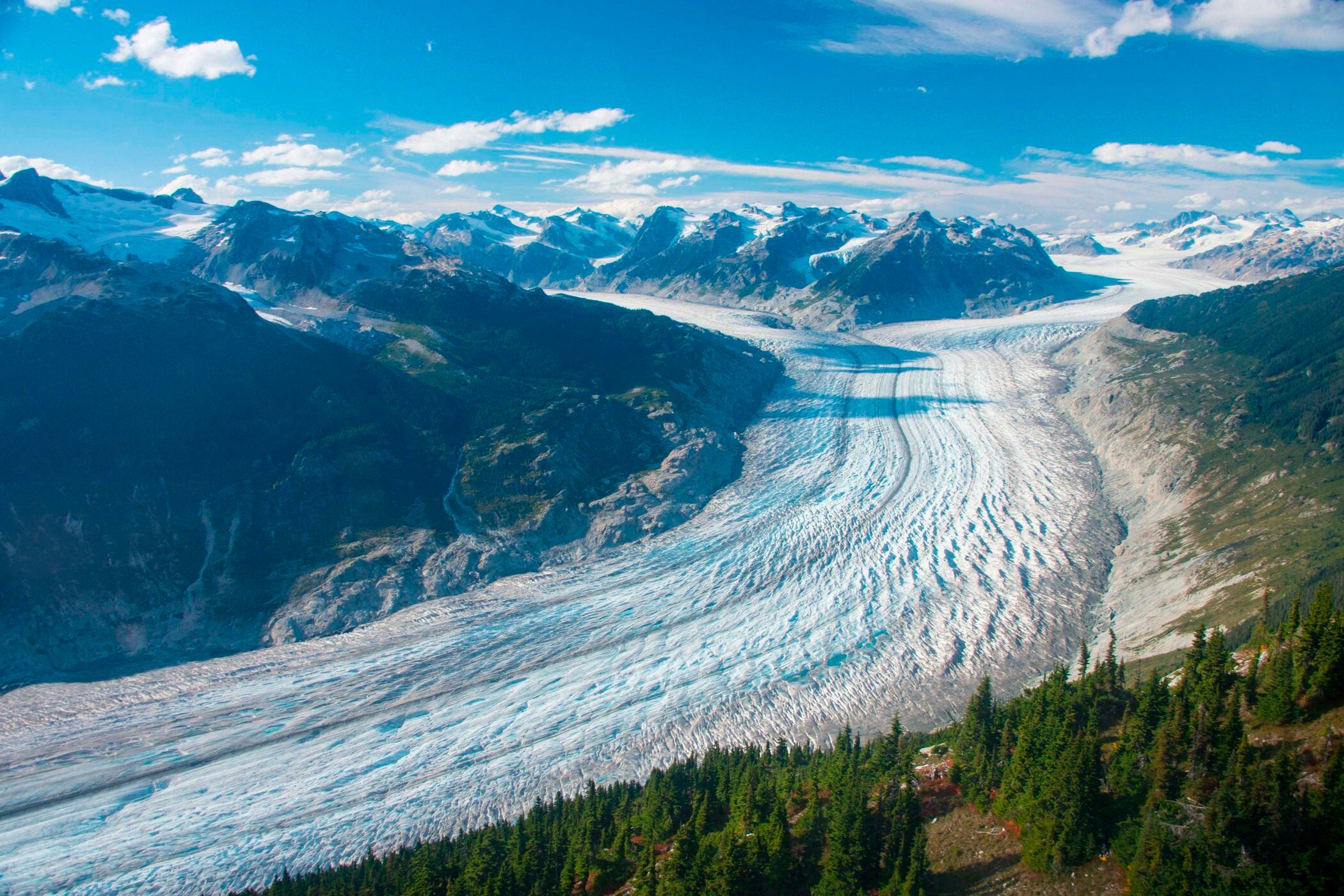
This September 2017 photo provided by researcher Brian Menounos shows the Klinaklini glacier in British Columbia, Canada. The glacier and the adjacent icefield has lost nearly 16 billion tons (14.5 billion metric tons) of snow and ice since 2000, with 10.7 billion tons of that (9.8 billion metric tons) of that since 2010, Menounos says. And the rate of loss accelerated over the last five years of the study. (Brian Menounos via AP)
By Seth Borenstein
Glaciers are melting faster, losing 31% more snow and ice per year than they did 15 years earlier, according to three-dimensional satellite measurements of all the world’s mountain glaciers.
Scientists blame human-caused climate change.
Using 20 years of recently declassified satellite data, scientists calculated that the world’s 220,000 mountain glaciers are losing more than 328 billion tons (298 billion metric tons) of ice and snow per year since 2015, according to a study in Wednesday’s journal Nature. That’s enough melt flowing into the world’s rising oceans to put Switzerland under almost 24 feet (7.2 meters) of water each year.
The annual melt rate from 2015 to 2019 is 78 billion more tons (71 billion metric tons) a year than it was from 2000 to 2004. Global thinning rates, different than volume of water lost, doubled in the last 20 years and “that’s enormous,” said Romain Hugonnet, a glaciologist at ETH Zurich and the University of Toulouse in France who led the study.
Half the world’s glacial loss is coming from the United States and Canada.
Alaska’s melt rates are “among the highest on the planet," with the Columbia glacier retreating about 115 feet (35 meters) a year, Hugonnet said.
Almost all the world’s glaciers are melting, even ones in Tibet that used to be stable, the study found. Except for a few in Iceland and Scandinavia that are fed by increased precipitation, the melt rates are accelerating around the world.
The near-uniform melting “mirrors the global increase in temperature” and is from the burning of coal, oil and gas, Hugonnet said. Some smaller glaciers are disappearing entirely. Two years ago, scientists, activists and government officials in Iceland held a funeral for a small glacier.
“Ten years ago, we were saying that the glaciers are the indicator of climate change, but now actually they’ve become a memorial of the climate crisis,” said World Glacier Monitoring Service Director Michael Zemp, who wasn’t part of the study.
The study is the first to use this 3D satellite imagery to examine all of Earth’s glaciers not connected to ice sheets in Greenland and Antarctic. Past studies either only used a fraction of the glaciers or estimated the loss of Earth’s glaciers using gravity measurements from orbit. Those gravity readings have large margins of error and aren't as useful, Zemp said.
Ohio State University’s Lonnie Thompson said the new study painted an “alarming picture."
Shrinking glaciers are a problem for millions of people who rely on seasonal glacial melt for daily water and rapid melting can cause deadly outbursts from glacial lakes in places like India, Hugonnet said.
But the largest threat is sea level rise. The world’s oceans are already rising because warm water expands and because of melting ice sheets in Greenland and Antarctica, but glaciers are responsible for 21% of sea level rise, more than the ice sheets, the study said. The ice sheets are larger longer term threats for sea level rise.
“It’s becoming increasingly clear that sea level rise is going to be a bigger and bigger problem as we move through the 21st century,” said National Snow and Ice Data Center Director Mark Serreze.
The Associated Press Health and Science Department receives support from the Howard Hughes Medical Institute’s Department of Science Education. The AP is solely responsible for all content.
Catching you up on the stories you need to know this morning, mass shooting victims testify on Capitol Hill, the White House outlines its plan to vaccinate kids younger than five years old, and we break down how to protect yourself from monkeypox.
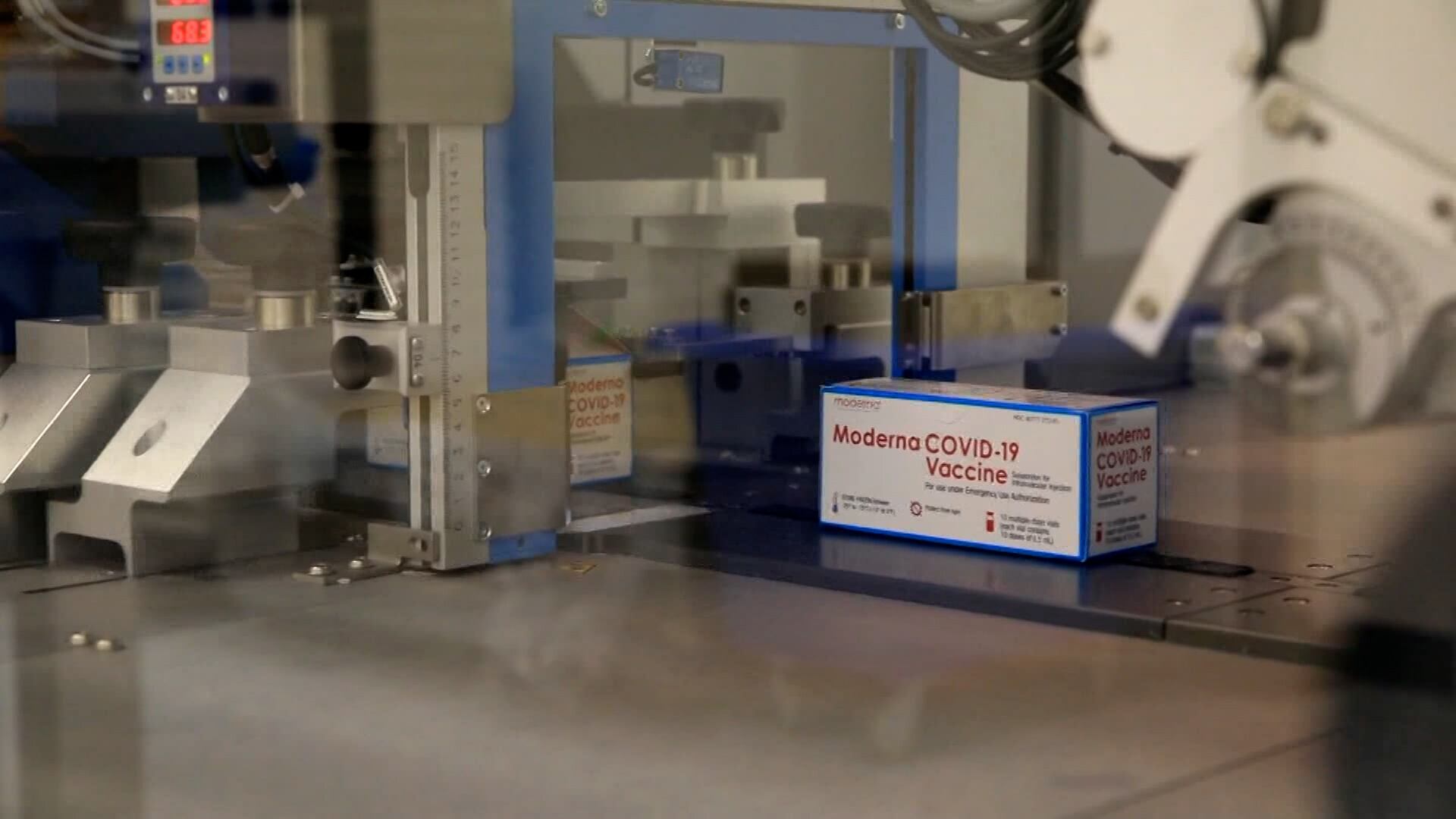
The pharmaceutical giant Moderna says its updated 'bivalent' booster shot provides a stronger immune response against the Omicron variant of COVID-19 specifically. This week, Moderna plans to submit preliminary data to U.S. health officials in the hopes that its new booster will be available later this summer. Dr. Sampson Davis, emergency medicine physician, joins Cheddar News to discuss.
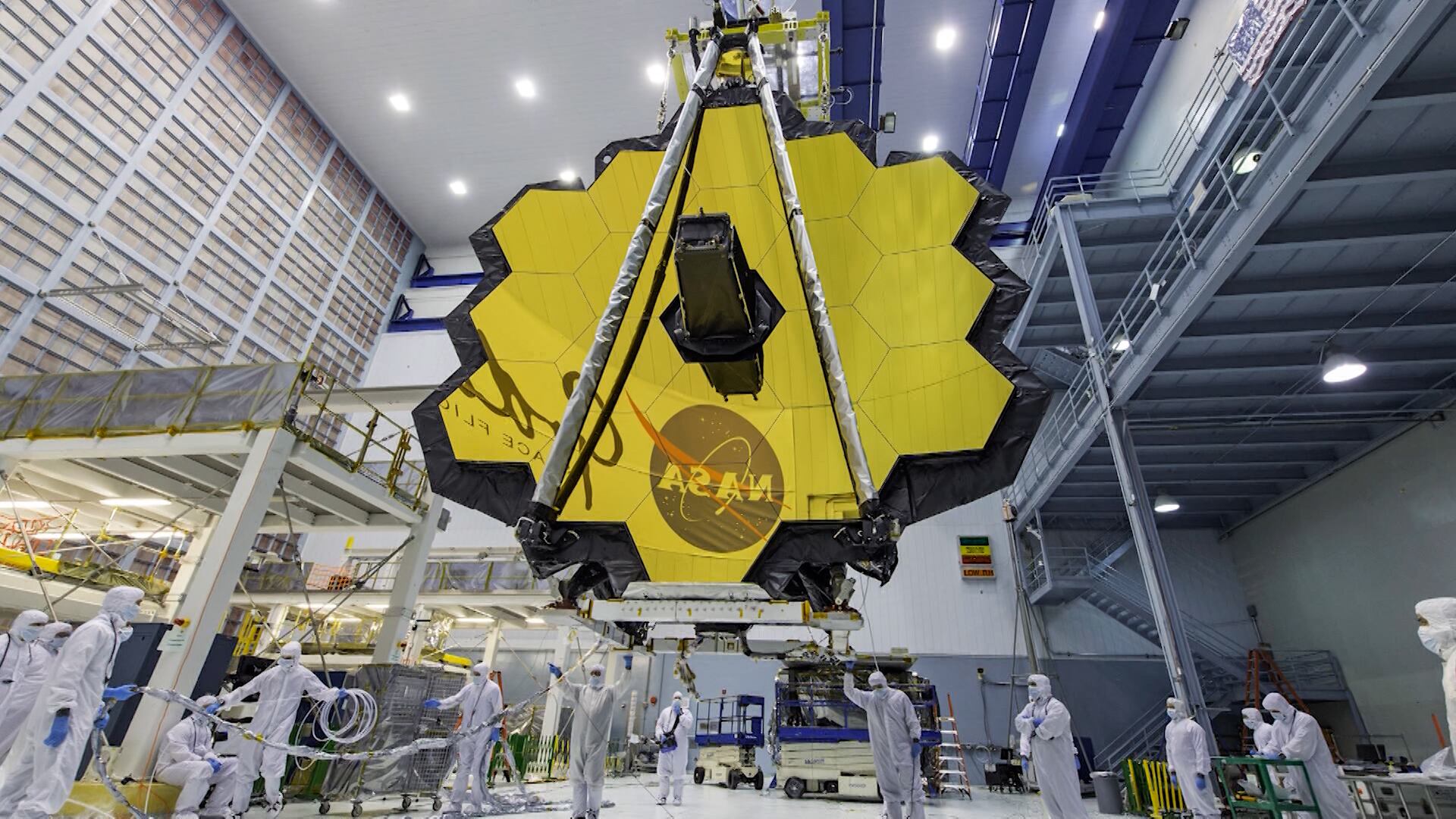
NASA has announced that the first official full-color images will be beamed back to Earth from the James Webb Telescope on July 12. Gregory L. Robinson, the director of the James Webb Space Telescope Program in the NASA Science Mission Directorate, joined Cheddar News to discuss the anticipated image drop. “We expect to see the universe different," he said. "Webb will allow us to see much, much clearer and deeper into the universe."
On this episode of Cheddar Reveals, Professor Laurence Hurst, Director of The Milner Centre for Evolution, discusses the mystery of human evolution that's still baffling scientists: why are humans still evolving, and why has the process sped up? Neville Sanjana, faculty member at NY Genome and New York University, breaks down the latest innovations in CRISPR genetic engineering and its applications from 'designer babies' to curing genetic conditions and diseases; Cheddar gets a look at Curiosity Stream's 'The Butterfly Effect.'
Neville Sanjana, faculty member at NY Genome and New York University, joins Cheddar Reveals to break down the latest innovations in CRISPR genetic engineering and its applications from 'designer babies' to curing genetic conditions and diseases.
Professor Laurence Hurst, Director of The Milner Centre for Evolution, joins Cheddar Reveals to discuss the mystery of human evolution that's still baffling scientists: why are humans still evolving, and why has the process sped up?
It can be tough to make sustainable choices, and even harder when sustainable materials don't hold up. Loliware has a solution to the plastic straw problem: its seaweed-based straws are stronger than paper alternatives and once used, can be composted and return to the earth or sea without causing harm. Sea Briganti, CEO of Loliware, joins Closing Bell to discuss the tech behind the straws, new product launches, and more.
Umbilical cord blood banking platform Anja Health raised $4.5 million dollars in a seed round led by Seven Seven Six, a venture capital firm founded by Reddit co-founder Alexis Ohanian. Anja Health offers a personalized, doctor-backed cord blood bank, which lets new parents freeze stem cells from their child's umbilical cord so they can be used to treat diseases in the future. It's a process Anja has called 'Hollywood's best-kept secret,' as celebrities like Kylie Jenner, Serena Williams, and more have all banked their umbilical cord blood. Kathryn Cross, the founder of Anja Health, joins Cheddar News' Closing Bell to discuss.
After learning that the suspect in the Uvalde school shooting posted about his intentions on Facebook, activists are urging social networks to make changes. Lena Derhally, a licensed psychotherapist and author of "The Facebook Narcissist," joined Cheddar News to discuss the role social media plays in school shootings. "They're not really invested in taking down hateful content," she said about social platforms."In regards to the shooting, it was 15 minutes before that actual threat. It would be pretty hard for a social media company to trace that threat that quickly. But what they can do better is take down threats and hateful content much faster and more than they're doing now."
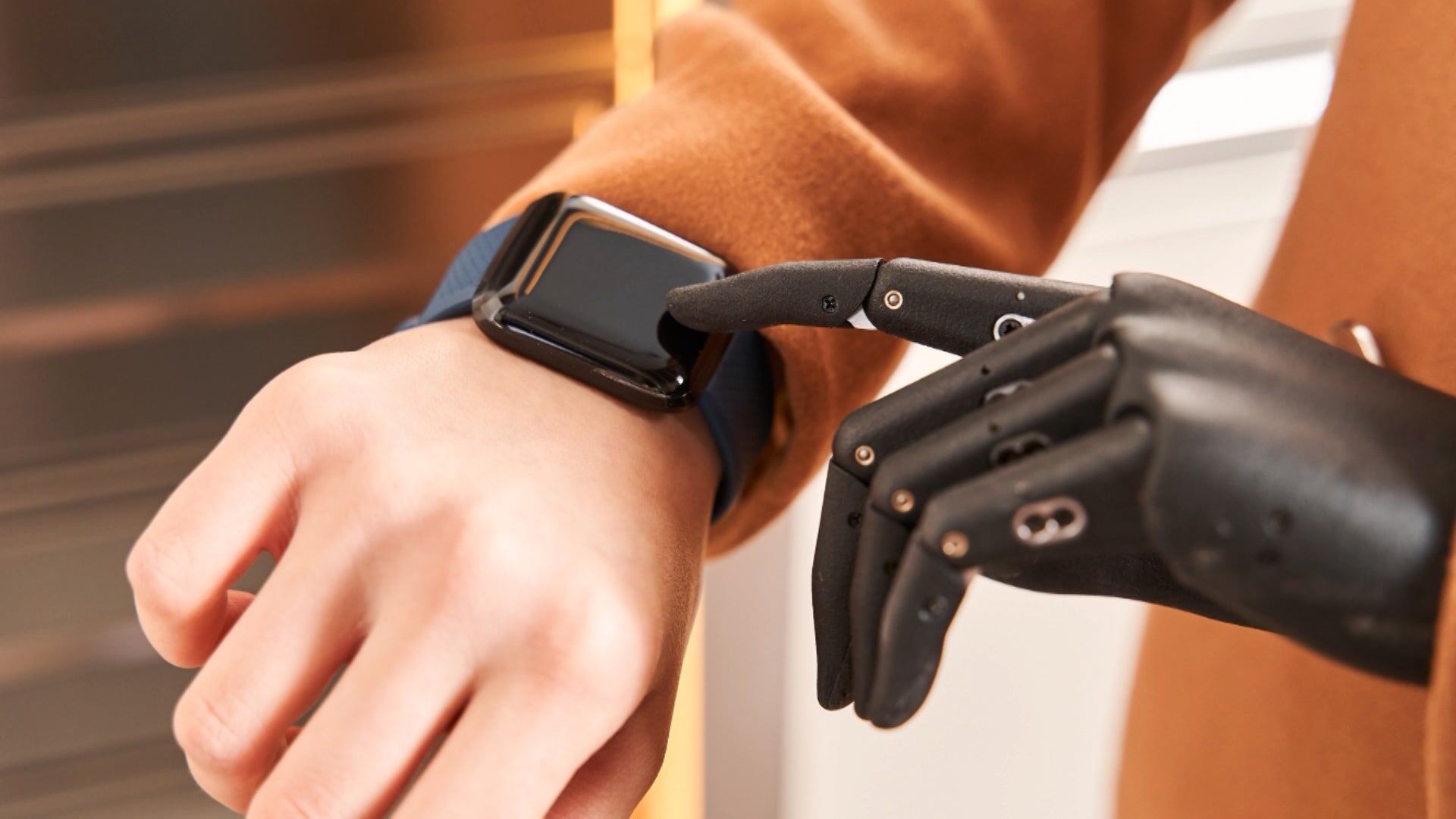
Esper Bionics CEO Dima Gazda breaks down how they're creating a mind-controlled bionic hand that guest smarter the more you use it, and what this innovation means for the future of the prosthetics industry.