Disney’s attempts to launch its own streaming service may be “doomed to failure.”
That’s according to BTIG analyst Rich Greenfield, who says the media giant can’t compete with the likes of Netflix, because it refuses to go “all-in” on streaming.
“They’re trying to do this balancing act where they continue to profit from the legacy business model with ESPN and then try to create a streaming service as an incremental add-on,” he told Cheddar in an interview Wednesday after the company reported earnings. “They’re not putting the entire company into one full effort to make streaming successful. They’re trying to balance multiple profit centers as well as trying to start a new business.”
Disney reported earnings after the bell Tuesday, revealing some details about the streaming services it announced last year. A new series of “Star Wars” films will be released exclusively on its entertainment-focused product, which will launch next year. And ESPN Plus will debut this spring at a cost of $4.99 a month.
And while the company hopes this service will help revive its struggling sports business, Greenfield says ESPN Plus only serves a niche market.
“This is going to be for a superfan who wants an extra college football game or some extra NHL games...extra tertiary content that wasn’t good enough to air on TV,” he said. “This is not taking ESPN and putting it over the top, which is obviously what sports fans want. What consumers are begging for is to not take the big bundle.”
For full interview, [click here](https://cheddar.com/videos/disney-spreads-streaming-magic).
Joe Cecela, Dream Exchange CEO, explains how they are aiming to form the first minority-controlled company to operate an exchange in U.S. history. Watch!
A Michigan judge is putting sponges in the hands of shoplifters and ordering them to wash cars in a Walmart parking lot when spring weather arrives. Genesee County Judge Jeffrey Clothier hopes the unusual form of community service discourages people from stealing from Walmart. The judge also wants to reward shoppers with free car washes. Clothier says he began ordering “Walmart wash” sentences this week for shoplifting at the store in Grand Blanc Township. He believes 75 to 100 people eventually will be ordered to wash cars this spring. Clothier says he will be washing cars alongside them when the time comes.
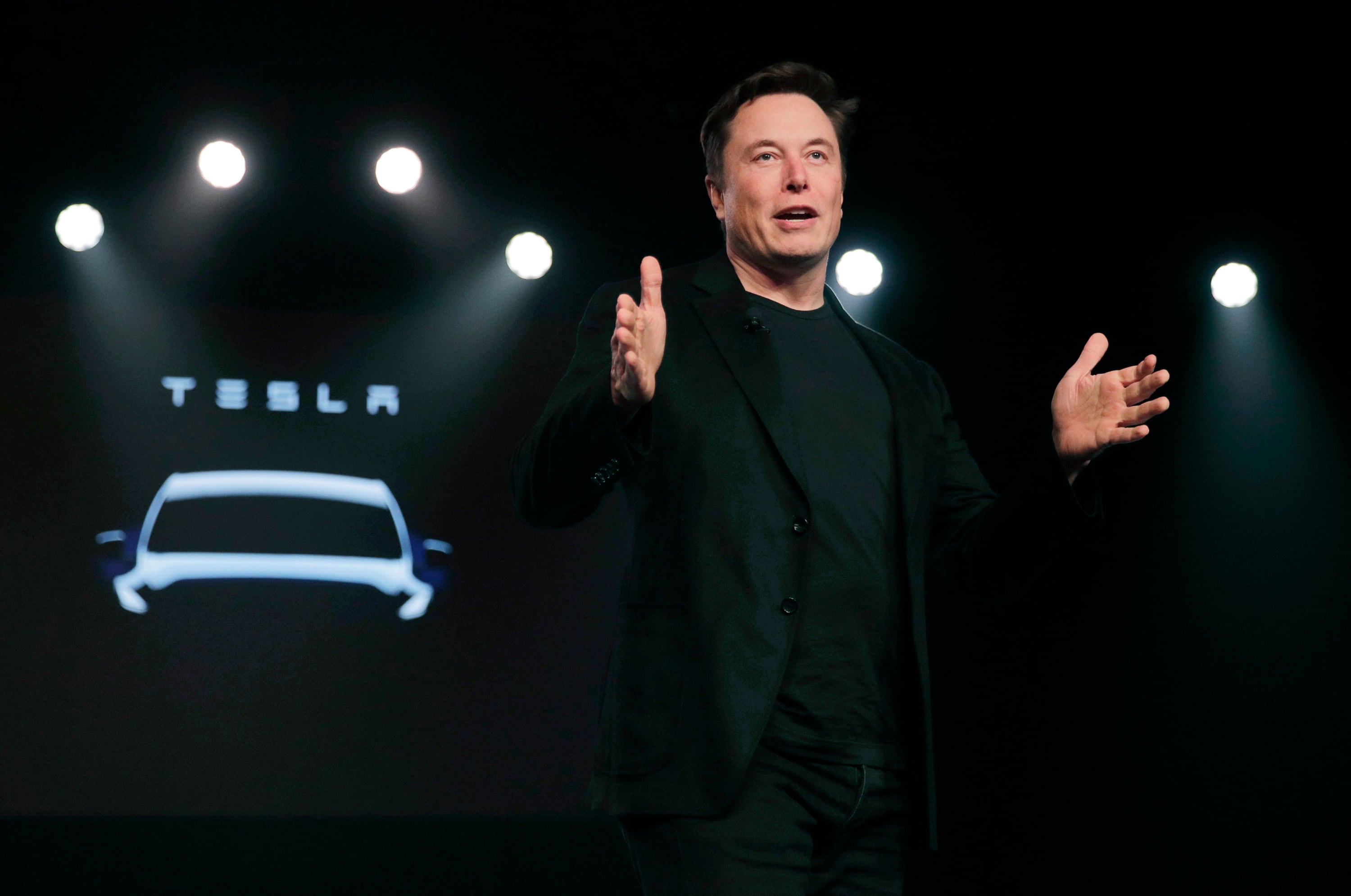
The State Department had been in talks with Elon Musk’s Tesla company to buy armored electric vehicles, but the plans have been put on hold by the Trump administration after reports emerged about a potential $400 million purchase. A State Department spokesperson said the electric car company owned by Musk was the only one that expressed interest back in May 2024. The deal with Tesla was only in its planning phases but it was forecast to be the largest contract of the year. It shows how some of his wealth has come and was still expected to come from taxpayers.
At 100 years old, the Goodyear Blimp is an ageless star in the sky. The 246-foot-long airship will be in the background of the Daytona 500 — flying roughly 1,500 feet above Daytona International Speedway, actually — to celebrate its greatest anniversary tour. Even though remote camera technologies are improving regularly and changing the landscape of aerial footage, the blimp continues to carve out a niche. At Daytona, with the usual 40-car field racing around a 2½-mile superspeedway, views from the blimp aptly provide the scope of the event.
You'll just have to wait for interest rates (and prices) to go down. Plus, this deal's a steel, the big carmaker wedding is off, and bribery is back, baby!
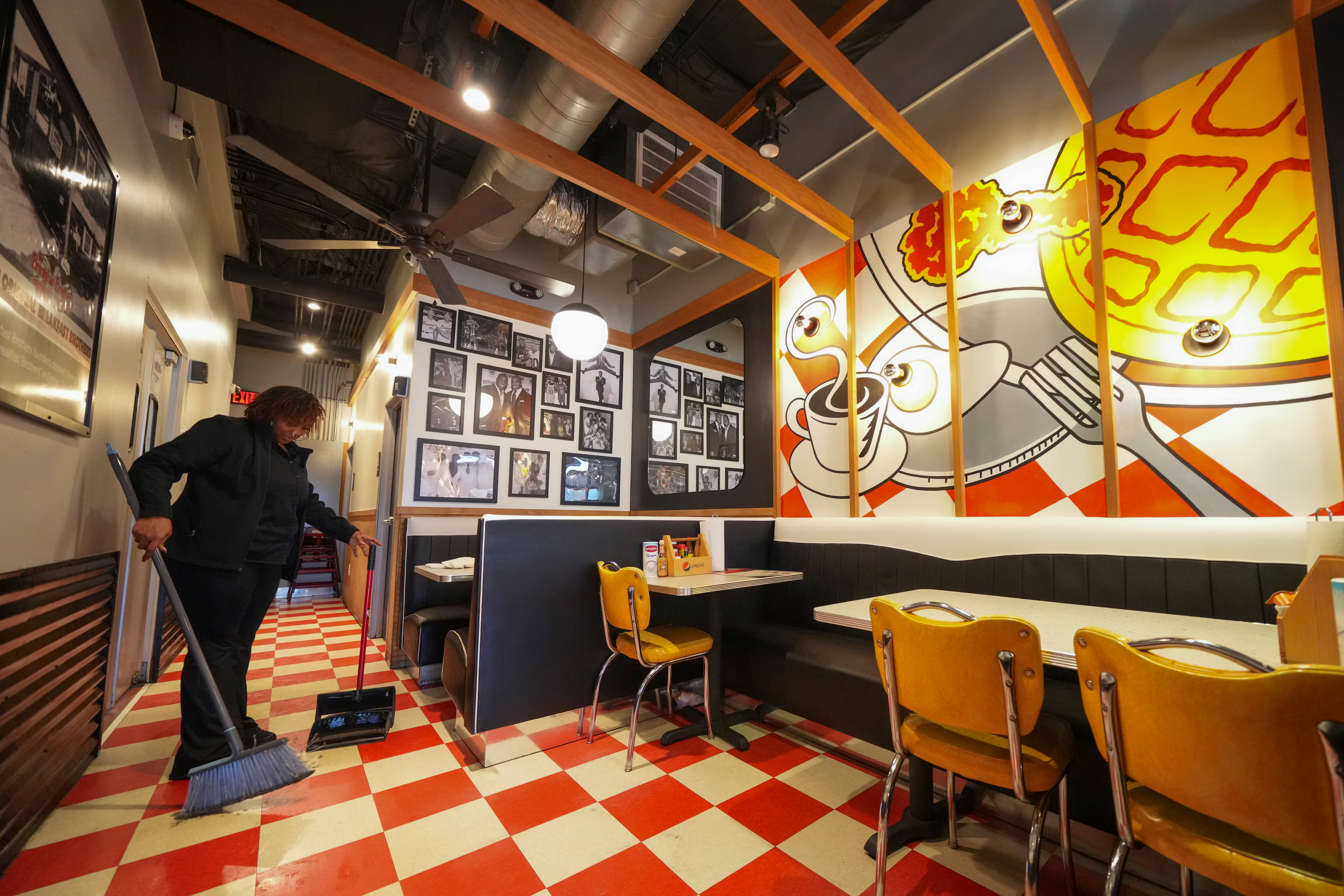
It’s a chicken-and-egg problem: Restaurants are struggling with record-high U.S. egg prices, but their omelets, scrambles and huevos rancheros may be part of the problem. Breakfast is booming at U.S. eateries. First Watch, a restaurant chain that serves breakfast, brunch and lunch, nearly quadrupled its locations over the past decade to 570. Fast-food chains like Starbucks and Wendy's added more egg-filled breakfast items. In normal times, egg producers could meet the demand. But a bird flu outbreak that has forced them to slaughter their flocks is making supplies scarcer and pushing up prices. Some restaurants like Waffle House have added a surcharge to offset their costs.