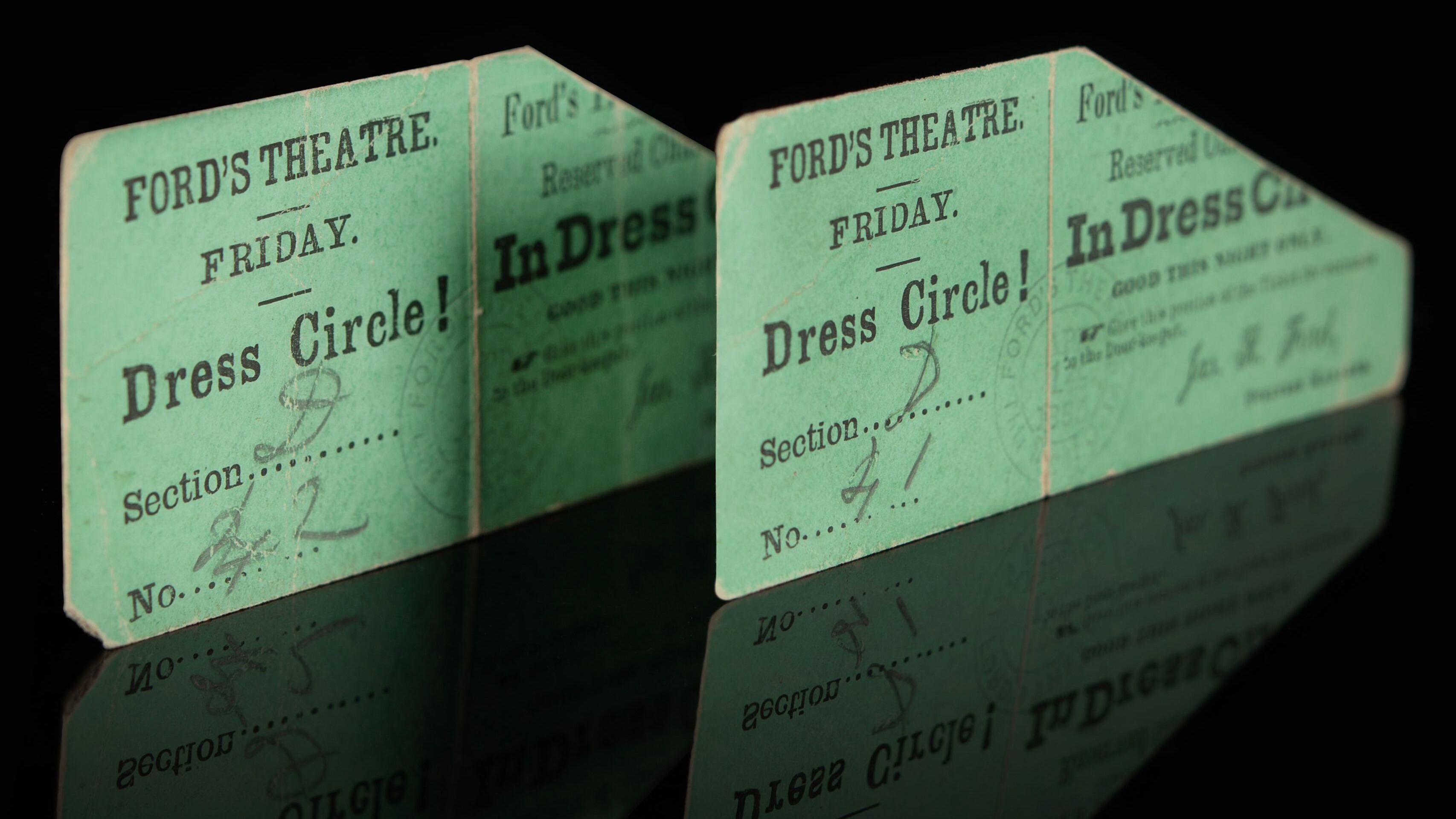
In this photo provided by Boston-based RR Auction house, rare front-row balcony tickets to Ford's Theatre on April 14, 1865 rest on a reflective surface. The tickets, dated when President Abraham Lincoln was assassinated by John Wilkes Booth, were sold at auction for $262,500, Saturday, Sept. 23, 2023, according to RR Auction. (Nikki Brickett/RR Auction via AP)
A pair of front-row balcony tickets to Ford’s Theatre on April 14, 1865 — the night President Abraham Lincoln was assassinated by John Wilkes Booth — sold at auction for $262,500, according to a Boston-based auction house.
The tickets are stamped with the date, “Ford’s Theatre, APR 14, 1865, This Night Only.” They bear the left-side imprint “Ford’s Theatre, Friday, Dress Circle!” and are filled out in pencil with section (“D”) and seat numbers “41″ and “42”, according to RR Auction.
The handwritten seating assignments and the circular April 14th-dated stamp match those found on other known authentic tickets, including a used ticket stub in the collection of Harvard University’s Houghton Library, auction officials said.
The Harvard stub, which consists of just the left half of the ticket, is the only other used April 14th Ford’s Theatre ticket known to still exist, with similar seat assignments filled out in pencil and a stamp placed identically to the ones on the tickets auctioned off Saturday.
Just after 10:00 p.m., during the third act of the play “Our American Cousin,” Booth entered the presidential box at the theater in Washington, D.C., and fatally shot Lincoln.
As Lincoln slumped forward in his seat, Booth jumped onto the stage and fled out a back door. The stricken president was examined by a doctor in the audience and carried across the street to the Petersen House, where he died early the next morning. Booth evaded capture for 12 days but was eventually tracked down at a Virginia farm and shot.
Also sold at Saturday's auction was a Lincoln-signed first edition of the Lincoln-Douglas debates, which fetched nearly $594,000.
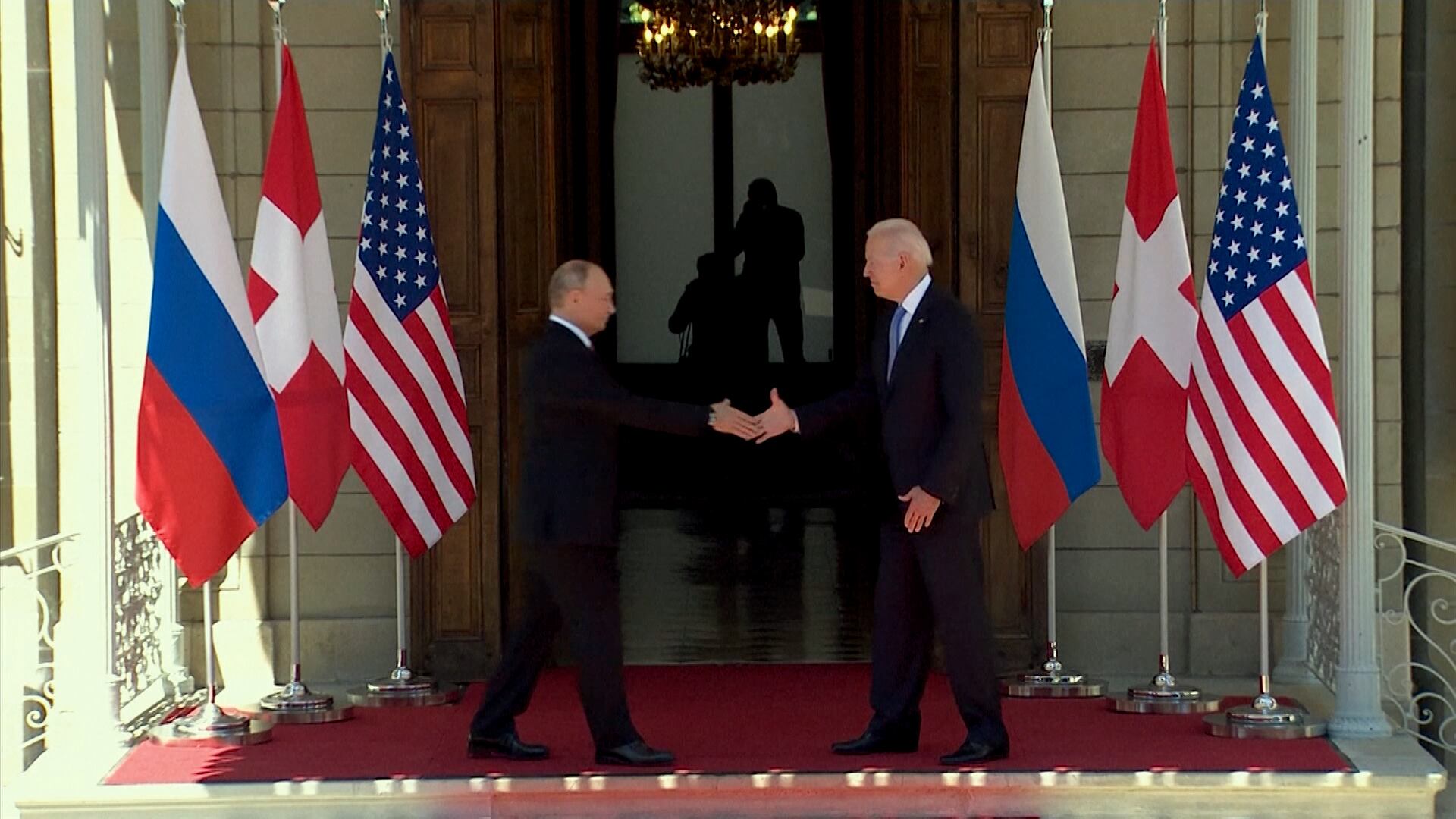
Matt Hayden, vice president of govtech solutions at Exiger and a former assistant secretary of cyber at Department of Homeland Security, joined Cheddar to discuss the surprise phone call initiated by Russian President Vladimir Putin to President Joe Biden, ahead of January security talks about the rising tensions over Ukraine. "We're hoping to hear that we're able to talk about the aggression and the leadup of the Ukrainian militarization," Hayden said. "But we're also looking to hear is how the Kremlin leveraged their talking points to try to test their negotiation stance with the United States leading into this January 10th meeting."
The No Surprises Act begins implementation on January 1, 2022. The legislation is meant to curb the practice of unexpected billing for care from providers the patient was unaware were out-of-network from their insurance. Patricia Kelmar, director of health care campaigns for U.S. PIRG joined Cheddar to describe the hundreds, sometimes thousands, of dollars charged to unsuspecting patients and how things will change under the new law. "If we are picking an in-network doctor and an in-network hospital, we should not see those added costs from anesthesiologists, radiologists, scrub-in surgeons," she said. "The other area it protects you is in air ambulances — not ground ambulances, unfortunately — but the helicopters or the airplanes you might need to transport you in an emergency situation."
President Joe Biden and Russian President Vladmir Putin are expected to have another conversation surrounding escalating tensions between Russia and Ukraine. Ariel Cohen, senior fellow at the Atlantic Council, joined Cheddar's Ken Buffa to discuss the ongoing tensions and why Putin's request for a conversation with Biden comes now. "This is very serious. This is the worst security crisis we had since the collapse of the Soviet Union," Cohen told Cheddar.
Stocks closed mixed on Wednesday, but two indexes - the Dow and the S&P 500 - ended the session with a new record. Akshata Bailkeri, Equity Analyst at Bruderman Asset Management, joins Cheddar News' Closing Bell, where she says there is a consensus for robust consumer spreading in 2022, especially as the Omicron variant is proving to be milder than other COVID-19 strains.
John Quelch, Dean of Miami Herbert Business School, joins Cheddar News' Closing Bell, where he says the retail giant is acting in accordance to President Biden's new law banning goods from China's Xinjiang region. Quelch also elaborates on the importance of China in Walmart's overall strategy.