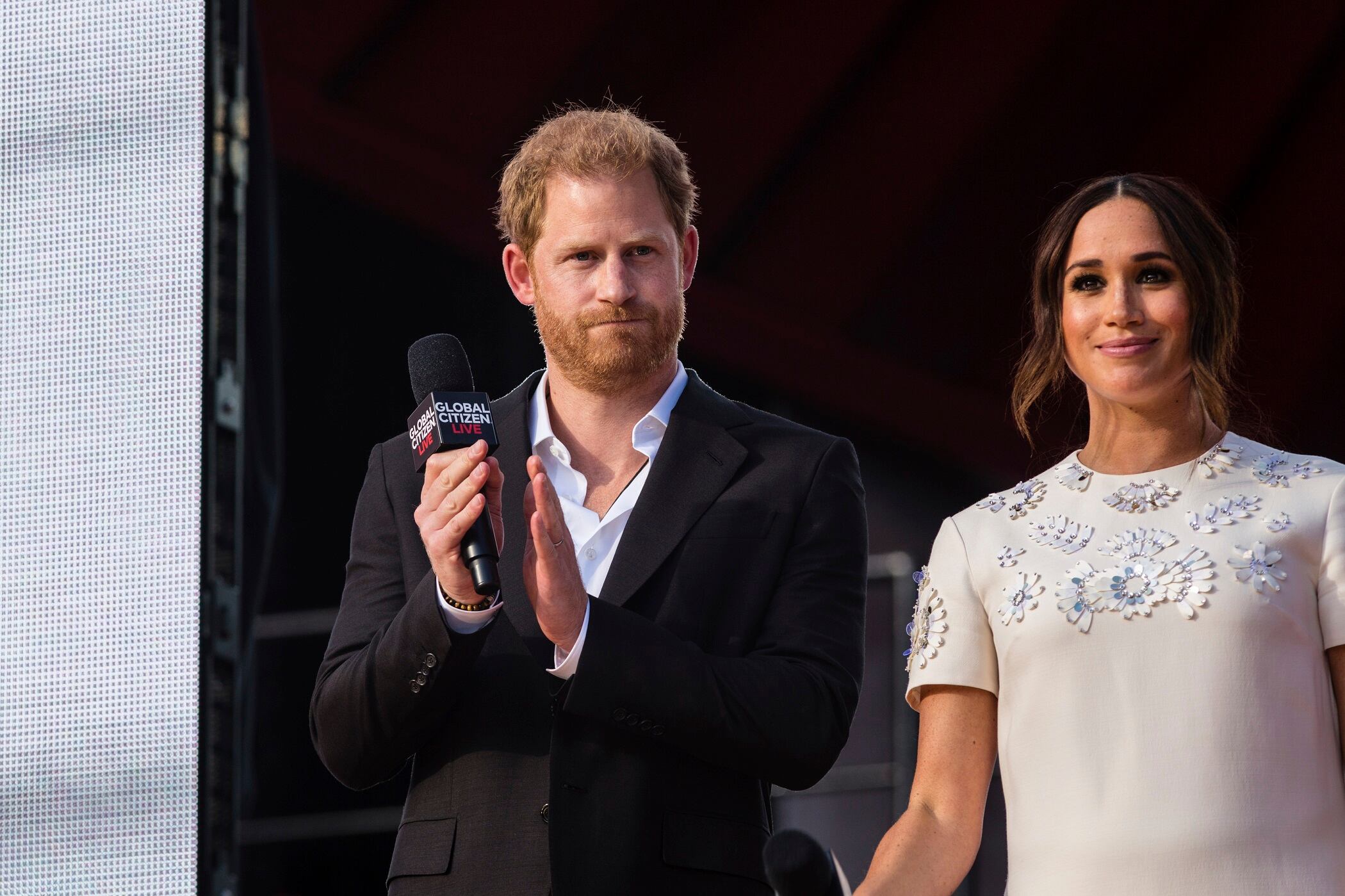
Prince Harry and Meghan Markle speak during the Global Citizen festival, Sept. 25, 2021 in New York. Britain’s Prince Harry says he warned the chief executive of Twitter ahead of the Jan. 6 Capitol riots that the social media site was being used to stage political unrest in the U.S. capital. Harry made the comments Tuesday, Nov. 9 during a panel on misinformation in California. (AP Photo/Stefan Jeremiah, file)
By Danica Kirka
Britain's Prince Harry has sharply attacked the failure of social media companies to challenge hate online, revealing that he warned the chief executive of Twitter ahead of the Jan. 6 Capitol riots that the site was being used to stage political unrest.
Harry made the comments Tuesday in an online panel on misinformation in California. He said he made his concerns known via email to Twitter CEO Jack Dorsey the day before the riot in Washington.
“Jack and I were emailing each other prior to January 6 where I warned him that his platform was allowing a coup to be staged,” Harry said at the RE:WIRED tech forum. “That email was sent the day before and then it happened and I haven’t heard from him since.”
Twitter declined to comment on Harry's remarks.
Social media has come under fire for not doing enough to halt the spread of misinformation and content inciting political violence. The storming of the U.S. Capitol by supporters of Donald Trump is often cited as an example of the consequences of allowing online hate to fester.
The role of social media platforms in amplifying extremist views has come into sharp focus after revelations by Facebook whistleblower Frances Haugen, who has told lawmakers in the U.S. and Europe that the company’s algorithmic systems spread online hate and that it has no incentive to change behavior because it puts profits over safety.
Harry also targeted YouTube, saying many videos spreading COVID-19 misinformation were left up despite violating the site’s own policies.
“And worse, they came to the users via the recommendation tool within YouTube’s own algorithm versus anything that the user was actually searching for,'' he said. “It shows really that it can be stopped but also they didn’t want to stop it because it affects their bottom line."
Harry has become something of a champion against the onslaught of false information online. Earlier this year he joined the U.S. think tank the Aspen Institute as a commissioner looking into misinformation and disinformation in the media.
The royal and his wife, the Duchess of Sussex, have also spoken out frequently about the media intrusion and racist attitudes that they say forced them to quit royal duties in 2020 and move to North America.
“Misinformation is a global humanitarian crisis,” Harry said. “I felt it personally over the years and I am now watching it happen globally.''
In his remarks on Tuesday, Harry cited a report which concluded that more than 70% of the hate speech directed at his wife, Meghan, could be traced to fewer than 50 accounts. He said misinformation is causing lives to be ruined.
“A small group of accounts are allowed to create a huge amount of chaos online, and destruction,'' he said. “And without any consequence whatsoever.''
Anu Gaggar, global investment strategist for Commonwealth Financial Network, joined Cheddar News to discuss how global supply chains could be disrupted even further by an armed conflict in Ukraine.
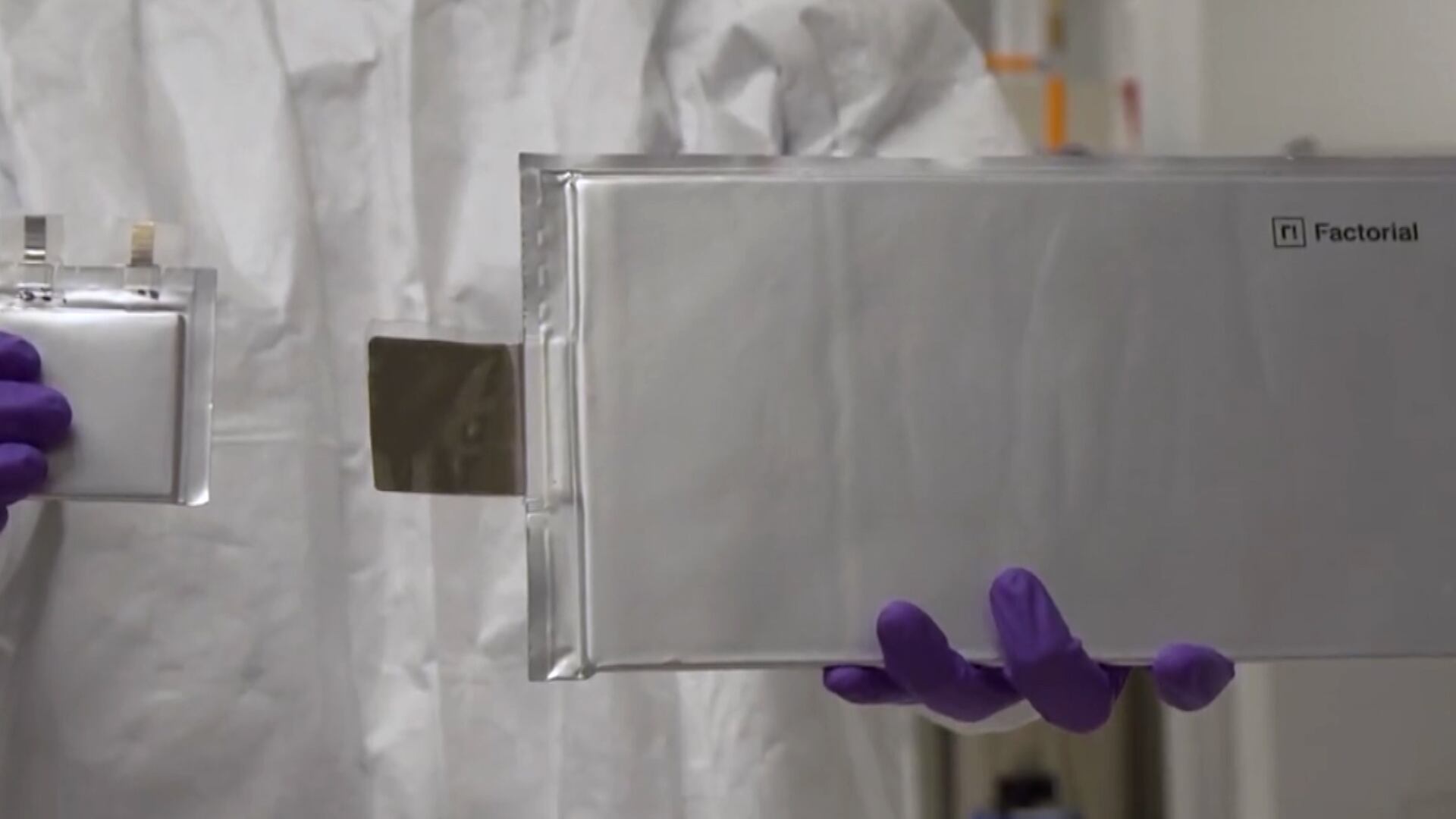
Solid-state battery maker Factorial Energy recently raised $200 million in a Series D round led by Mercedes-Benz and Stellantis. Factorial says the funding will be used to accelerate commercial production and deployment of its solid-state battery technology, which the company says is safer, and offers up to 50% more driving range than current lithium-ion technology. Factorial also has joint development agreements (announced in late 2021) with Mercedes-Benz, Stellantis, and Hyundai, three of the top 10 global automotive manufacturers, to commercialize its batteries. Factorial CEO Siyu Huang joined Cheddar News' Closing Bell to discuss.
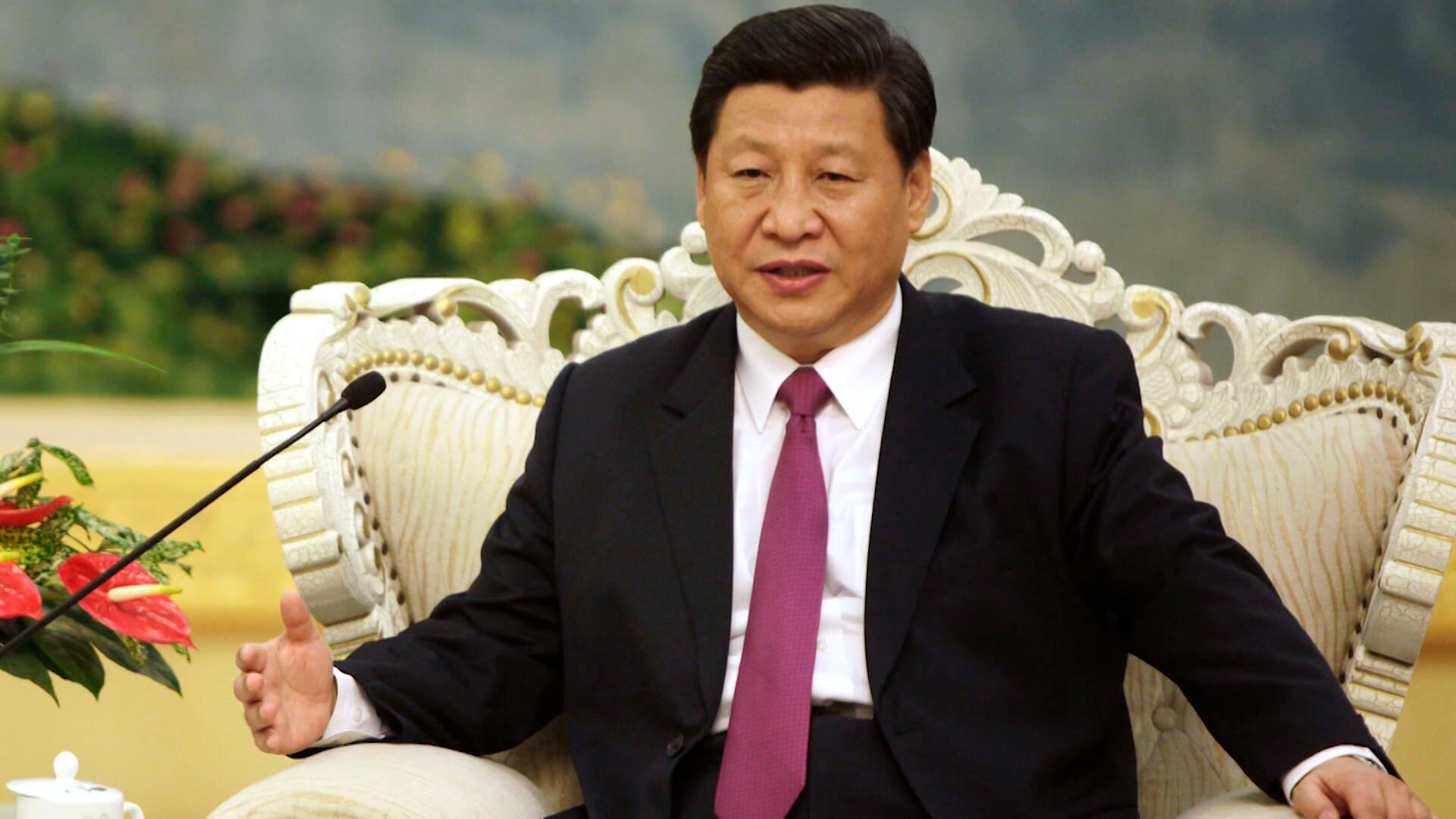
A new report by the Foreign Correspondents Club of China warns that press freedom in the most populous country in the world is declining at an alarming speed. Cheddar News speaks with Steven Butler, Asia Program Coordinator at the Committee to Protect Journalists, about the hardships journalists face in China.
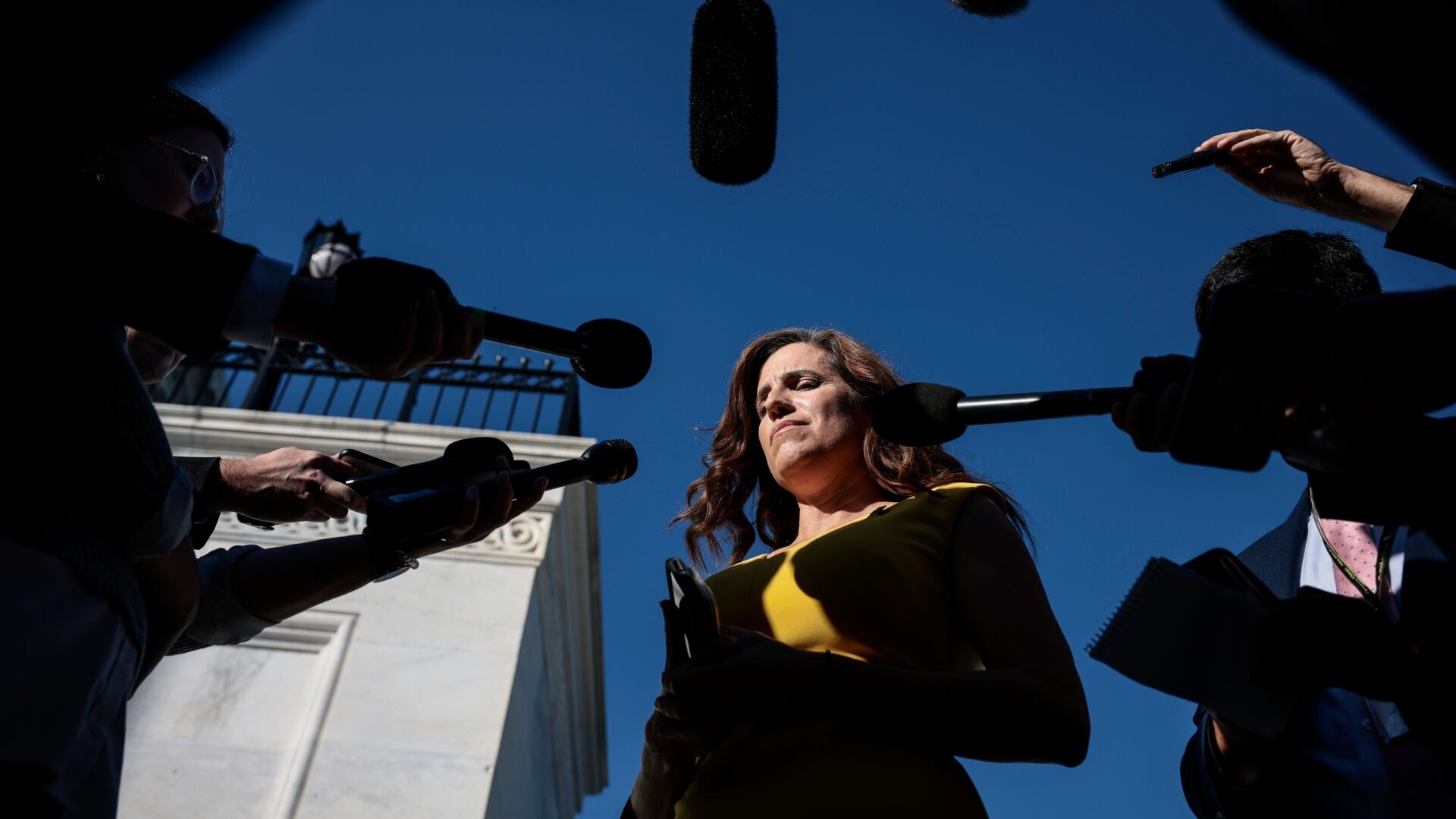
Rep. Nancy Mace (R-S.C. 1st District) joined Cheddar to discuss her cannabis legalization bill, the States Reform Act, and the prospects for gaining bipartisan support for a bill that has garnered the endorsement of e-commerce giant Amazon. This legislation is supported by businesses large and small, Amazon obviously being the most recent and largest business to support it," Mace said. "They don't want to sell pot. But what it does do is it affects their working employment pool." She stated that 10 percent of eligible new hires for Amazon are affected by restrictive marijuana laws. The representative also explained that the bill leaves equity provisions up to the states rather than mandating them on a federal level.
After a number of tragic subway incidents, the MTA is facing increased pressure to install subway platform screens to help prevent injury or death. However, according to an earlier report from the MTA, installing these prevented measures isn't feasible. New York City Council Member Keith Powers, joined Cheddar to discuss more.
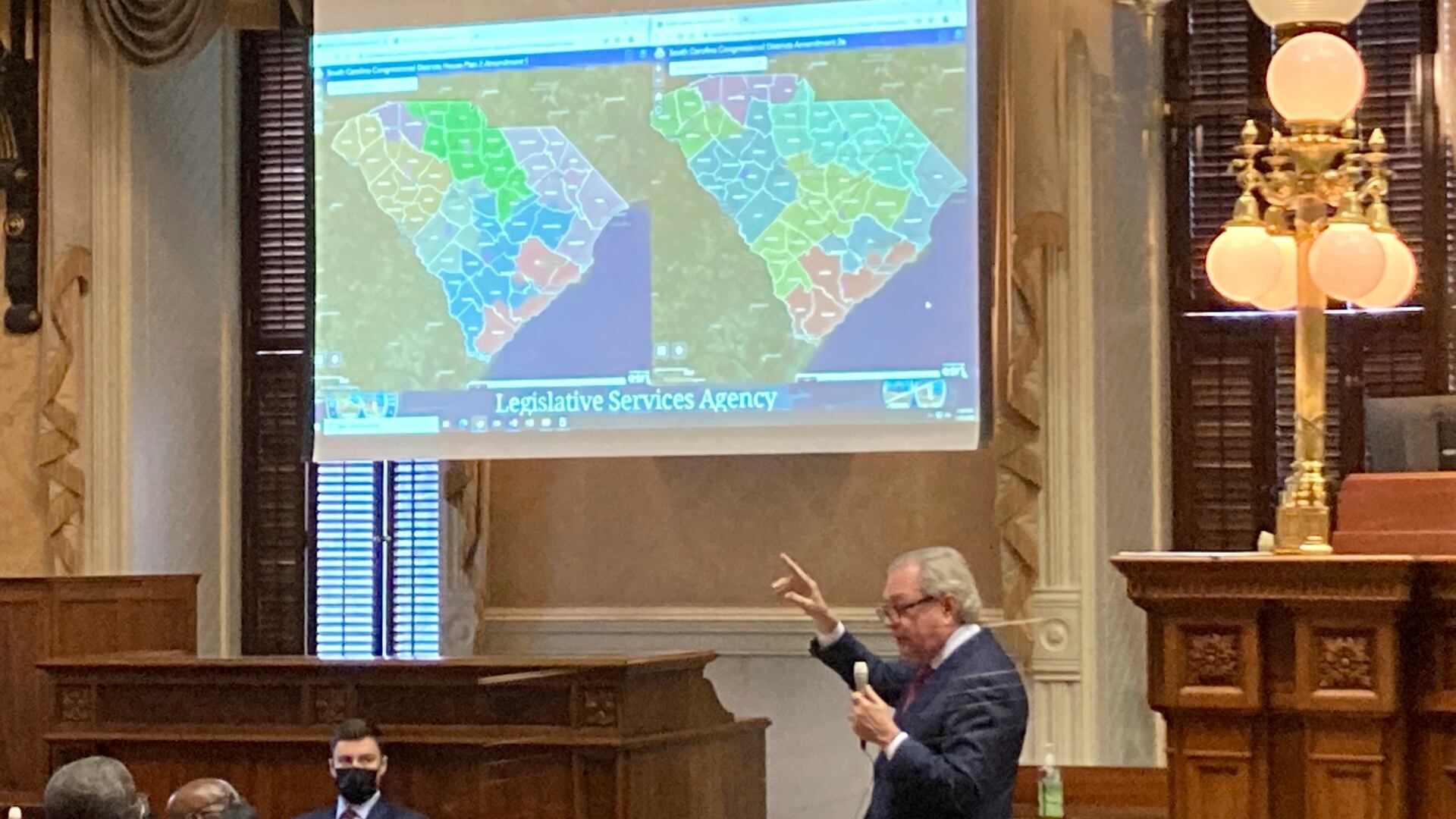
Across the country, states are working to redraw their congressional lines in what is often known as gerrymandering. These news lines are expected to determine the balance of power between Democrats and Republicans within the next decade. Senior Counsel for the Brennan Center's Democracy Program, Michael Li, joined Cheddar to discuss more.
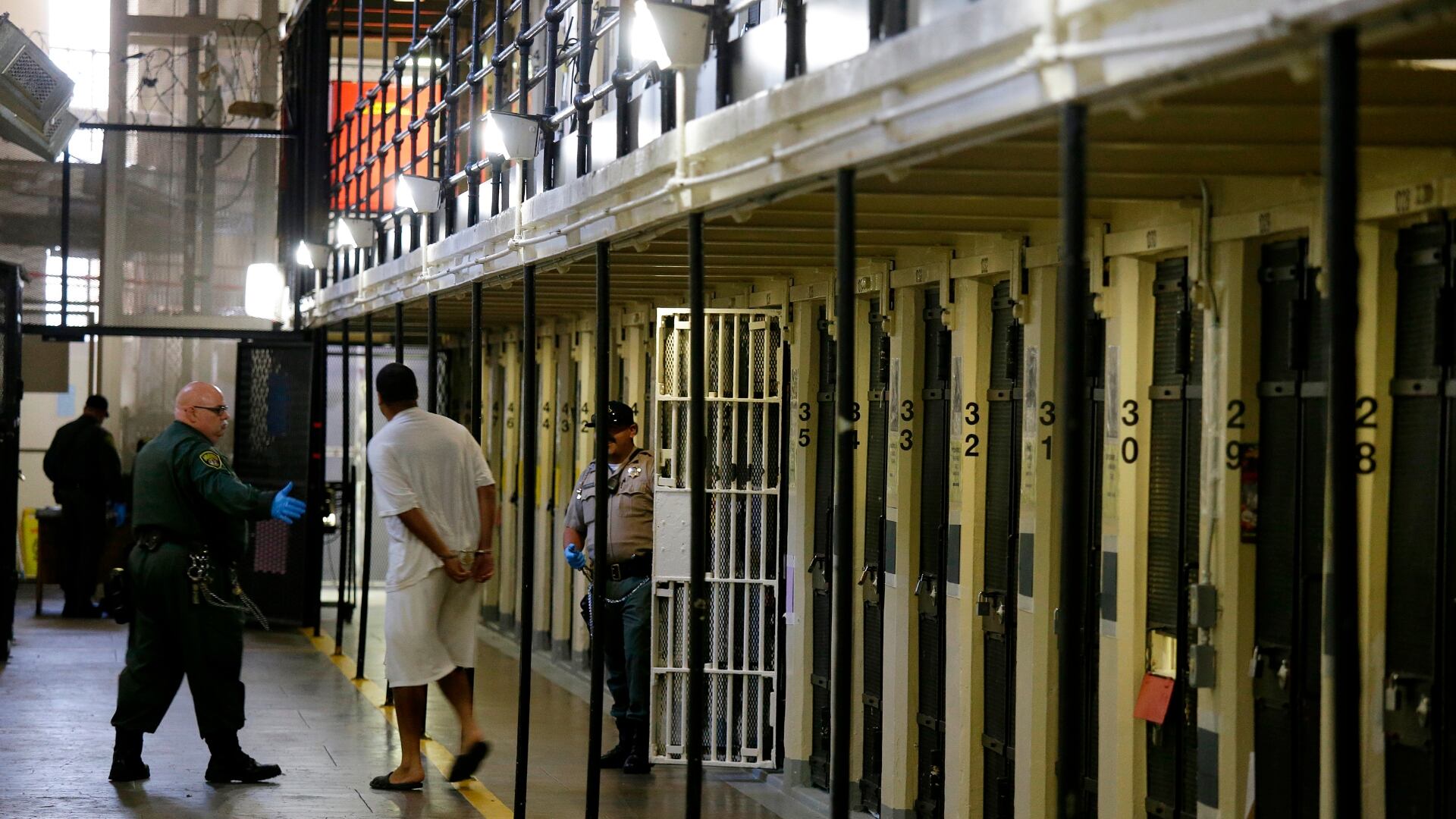
The state of California is officially planning to close its death row in the next two years. That state's governor Democrat Gavin Newsom says the plan is now to move all condemned inmates to other prisons and turn it into, as he calls it, a positive healing environment. Former U. S. Assistant Attorney and Legal Analyst, David Katz, joined Cheddar to discuss more.
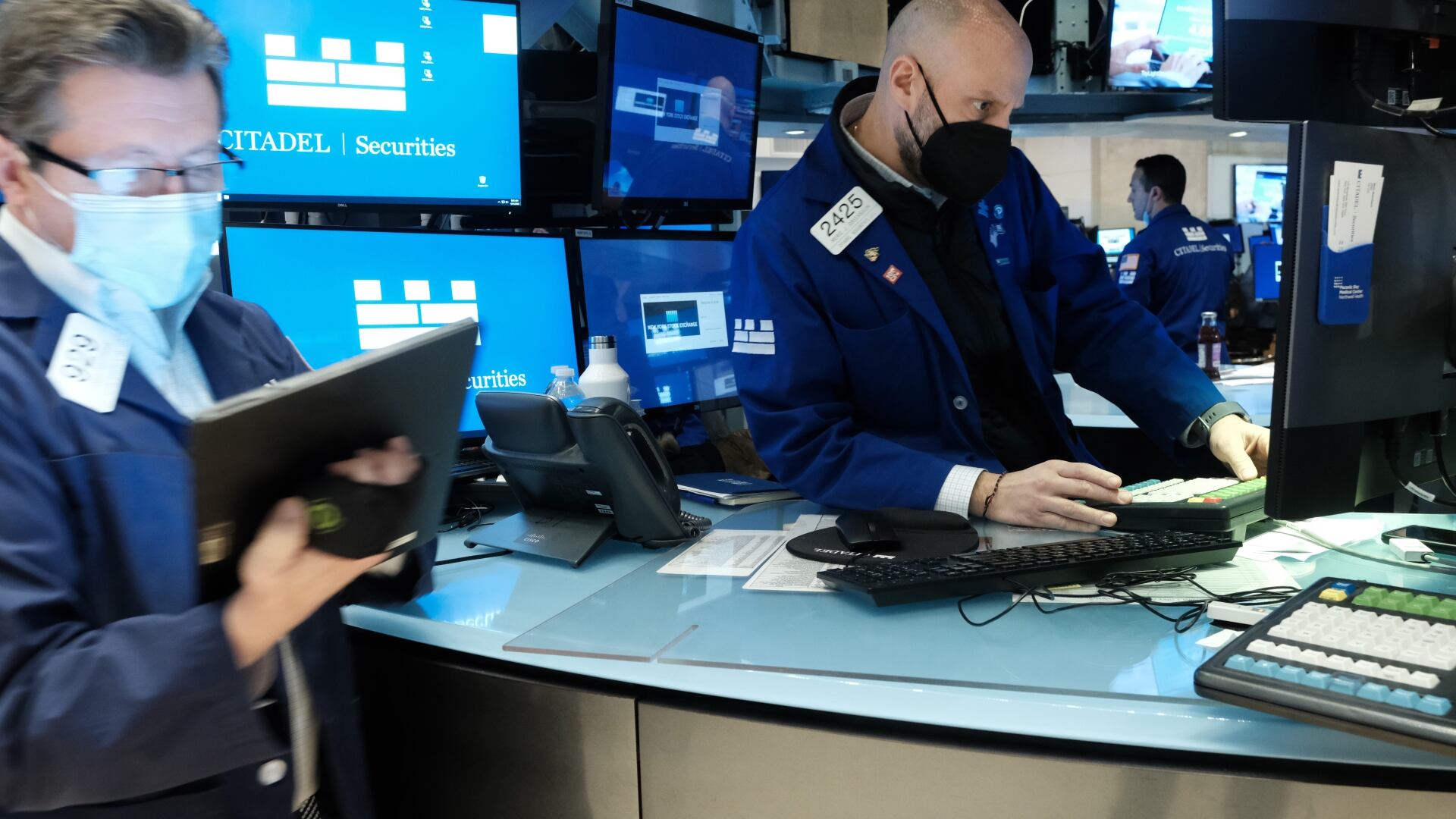
Anthony Saccaro, Founder and President of Providence Financial, joins Cheddar News' Closing Bell, where he elaborates on why he is excited that the market is beginning to rebound and believes February has the potential to be a good month after a turbulent January.
Cryptocurrency is expected to become a part of our daily lives — but what sort of environmental impact does it have? As the U.S. becomes the crypto mining capital of the world, climate advocates are worried about mining companies reopening old coal plants, using massive amounts of energy, wasteful hardware, and more. Congressional Democrats led by Senator Elizabeth Warren are demanding answers from mining firms about their electricity use and waste levels. John Belizaire, CEO of Soluna Computing, joins Cheddar Climate to discuss the congressional letters, how crypto mining can become a green industry, and more.