Though 2019 was a down year for merger and acquisition activity, there were still some notable deals that had broader repercussions for their respective industries.
According to the Boston Consulting Group, there were 15,400 deals through the first half of 2019 — about 3,000 fewer than the first half of 2018. Deal value declined double-digits in Europe and Asia, though North America deal values were up 16 percent.
Here are some of the most notable deals of 2019, and the effect that they could still have going forward:
United Technologies + Raytheon
The all-stock deal between the two firms created a juggernaut defense and aerospace force worth $121 billion. Together, the united companies will become the second-largest in their field in terms of annual revenue at $74 billion, following only Boeing. It will also earn approximately $41 billion in military sales, more than half of its total revenue.
United Technologies Chairman and CEO Greg Hayes will take the reins of the newly formed company, with the deal expected to close in the first half of 2020. United Technologies shareholders own 57 percent of the company, while Raytheon will own about 43 percent.
Bristol-Myers Squibb + Celgene
Bristol-Myers Squibb's cash-and-stock acquisition of Celgene helps further cement itself as a leader in the biopharmaceutical space. Including debt, this was the largest health-care deal on record according to Refinitiv.
Celgene helped augment Bristol's cancer drug portfolio and also gave the new parent company the scale to compete for at least the near-term future. The two companies together have nine products and report more than $1 billion in annual sales.
Saudi Aramco + Saudi Basic Industries Corporation
Saudi Aramco purchased a 70 percent stake in Saudi Basic Industries Corporation, a chemical and metals manufacturing company and the largest public company in the Middle East. The world's largest oil producer purchased the shares from Saudi Arabia's wealth fund, which could help boost the country's economy and expand its businesses past oil. The deal also gives Aramco the ability to grow its refining and petrochemical sectors.
CBS and Viacom
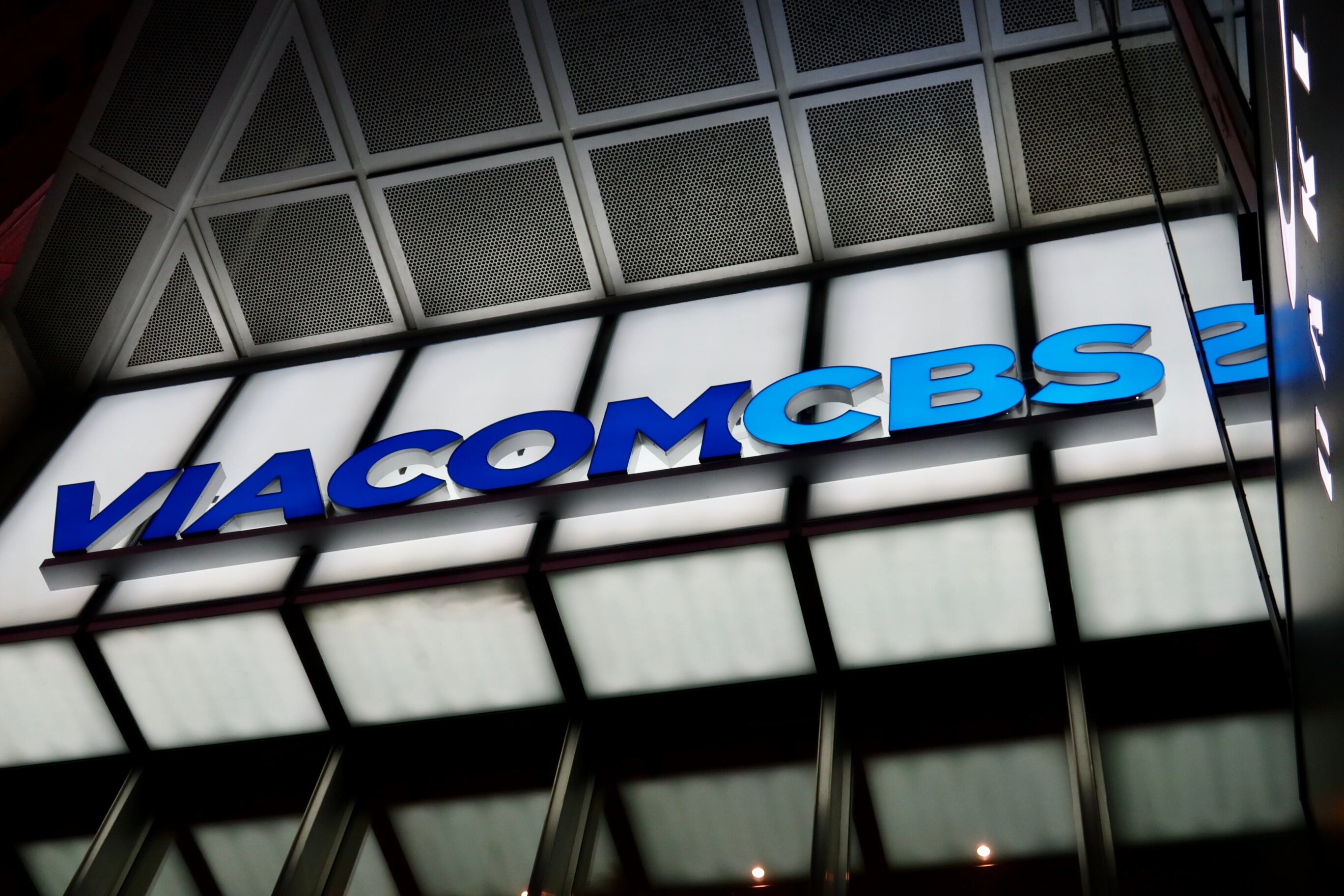
The on-again-off-again couple of the bunch decided to give it another go. Existing CBS shareholders own 61 percent of ViacomCBS, while Viacom shareholders own 39 percent. However, it is Viacom CEO Bob Bakish who runs the combined company, while acting CBS CEO Joe Ianniello will become chairman of CBS and run the media division.
ViacomCBS, now worth about $30 billion, will become a larger entity more equipped to compete against giants like Disney-Fox and streaming newcomers like Netflix. It is the parent company to cable channels like MTV, Nickelodeon, and Comedy Central, as well as the CBS broadcast network and Showtime. It will also have 140,000 episodes of TV, more than 3,600 movies, and is expected to bring in more than $23 billion in revenue.
Canopy + Acreage
Canada's leading marijuana producer Canopy is set to acquire American cannabis company Acreage in a deal worth $3.4 billion. It could create the world's largest cannabis company, contingent on a gigantic "if." The transaction will only go through when the U.S. legalizes marijuana, so it could be years — if ever — before this comes to fruition.