The wildfire that swept across Maui a week ago turned one of the nation’s most celebrated island vistas into an ashen moonscape and killed at least 99 people, a number that officials warn could rise by scores as the search continues.
The deadliest wildfire in the U.S. in more than a century devoured homes and businesses, blackened cars and left only ruins where thriving neighborhoods once stood. In some places, the flames advanced as fast as a car at highway speed — a mile a minute.
The most serious blaze swept into Lahaina on Aug. 8 and destroyed nearly every building in the town of 13,000. When the flames were out and the smoke cleared, all that remained was a grid of gray rubble wedged between the blue ocean and lush green slopes.
Now begins a long recovery as survivors mourn the dead, search teams look for more victims in the charred debris and families try to begin anew.
The cause of the wildfire is under investigation. Fueled by a dry summer and strong winds from a passing hurricane, the flames raced through parched brush covering the island.
The fire was Hawaii’s deadliest natural disaster in decades, surpassing a 1960 tsunami that killed 61 people. A tsunami in 1946 killed more than 150 on the Big Island.
The World Health Organization's cancer agency has deemed the sweetener aspartame — found in diet soda and countless other foods — as a “possible” cause of cancer, while a separate expert group looking at the same evidence said it still considers the sugar substitute safe in limited quantities.
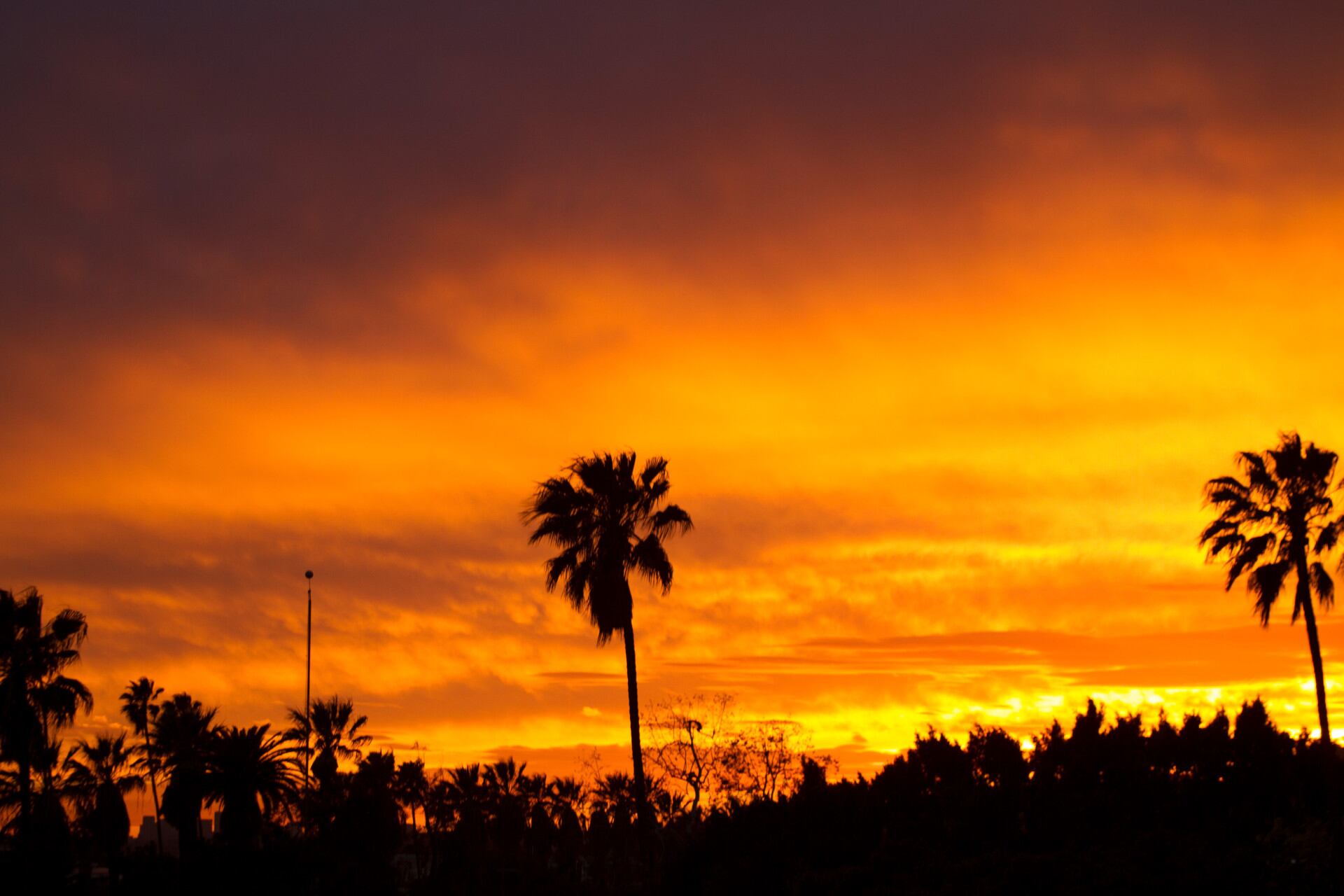
More than a third of Americans were under extreme heat advisories, watches and warnings Thursday as a blistering heat wave that's been baking the nation spread further into California, forcing residents to seek out air conditioning or find other ways to stay cool in triple-digit temperatures.
Tourists in central Athens huddled under mist machines, and zoo animals in Madrid were fed fruit popsicles and chunks of frozen food, as southern Europeans braced for a heat wave Thursday, with a warning of severe conditions coming from the European Union’s space agency.
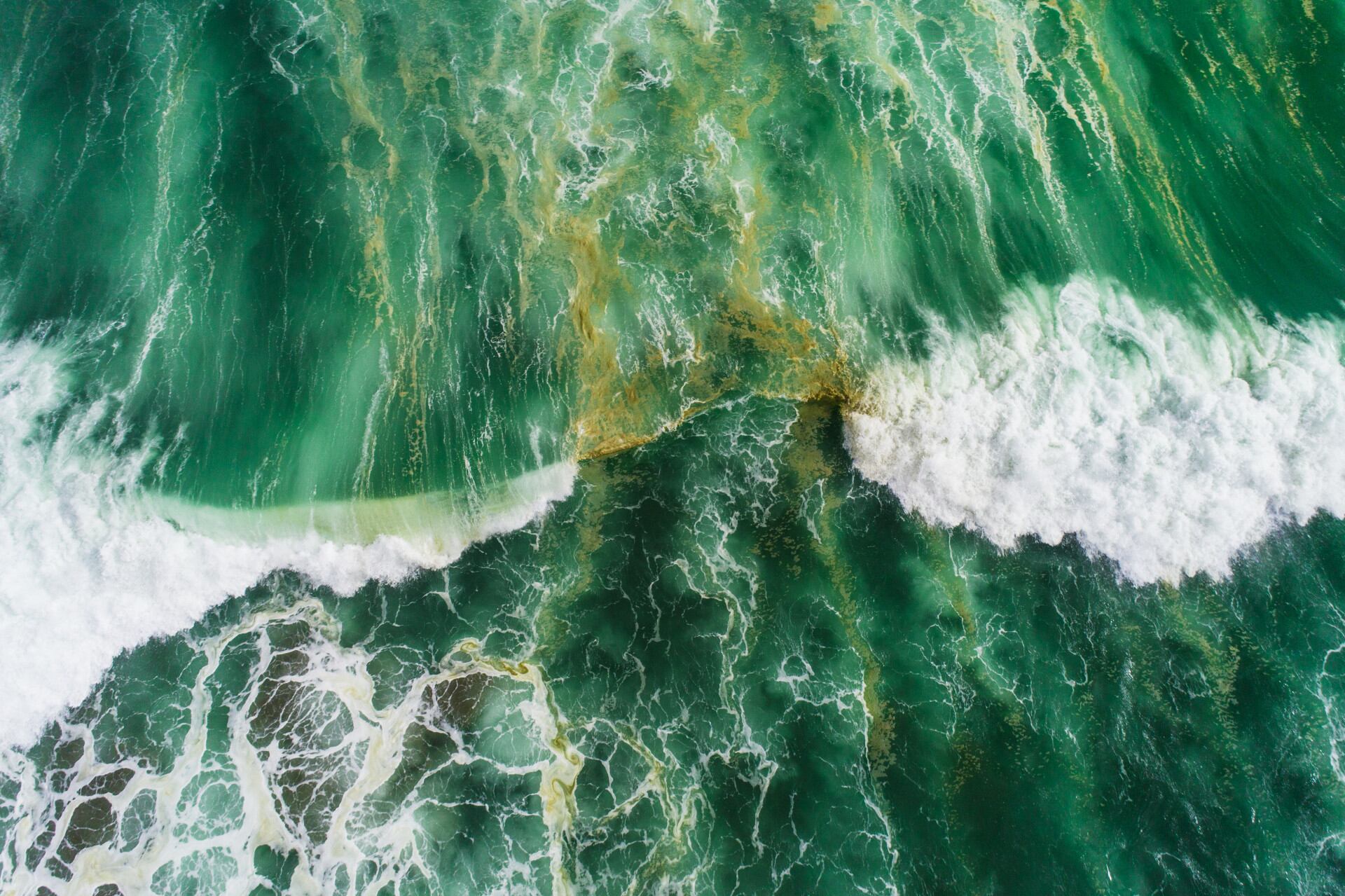
A new study published in Nature has found that more than 56 percent of the world's oceans have changed color in the past 20 years, and climate change is to blame.
Recently discovered teeth of a two-million-year-old human relative in Africa could give researchers new insight into genetics.
U.S. officials have approved the first over-the-counter birth control pill, which will let American women and girls buy contraceptive medication from the same aisle as aspirin and eyedrops.
The Webb Space Telescope is marking one year of cosmic photographs with one of its best yet: the dramatic close-up of dozens of stars at the moment of birth.