The wildfire that swept across Maui a week ago turned one of the nation’s most celebrated island vistas into an ashen moonscape and killed at least 99 people, a number that officials warn could rise by scores as the search continues.
The deadliest wildfire in the U.S. in more than a century devoured homes and businesses, blackened cars and left only ruins where thriving neighborhoods once stood. In some places, the flames advanced as fast as a car at highway speed — a mile a minute.
The most serious blaze swept into Lahaina on Aug. 8 and destroyed nearly every building in the town of 13,000. When the flames were out and the smoke cleared, all that remained was a grid of gray rubble wedged between the blue ocean and lush green slopes.
Now begins a long recovery as survivors mourn the dead, search teams look for more victims in the charred debris and families try to begin anew.
The cause of the wildfire is under investigation. Fueled by a dry summer and strong winds from a passing hurricane, the flames raced through parched brush covering the island.
The fire was Hawaii’s deadliest natural disaster in decades, surpassing a 1960 tsunami that killed 61 people. A tsunami in 1946 killed more than 150 on the Big Island.
Data shows that 20% to 80% of women will develop fibroids by age 50. Cheddar News explains as Fibroid Awareness month allows people a chance to learn about the painful condition.
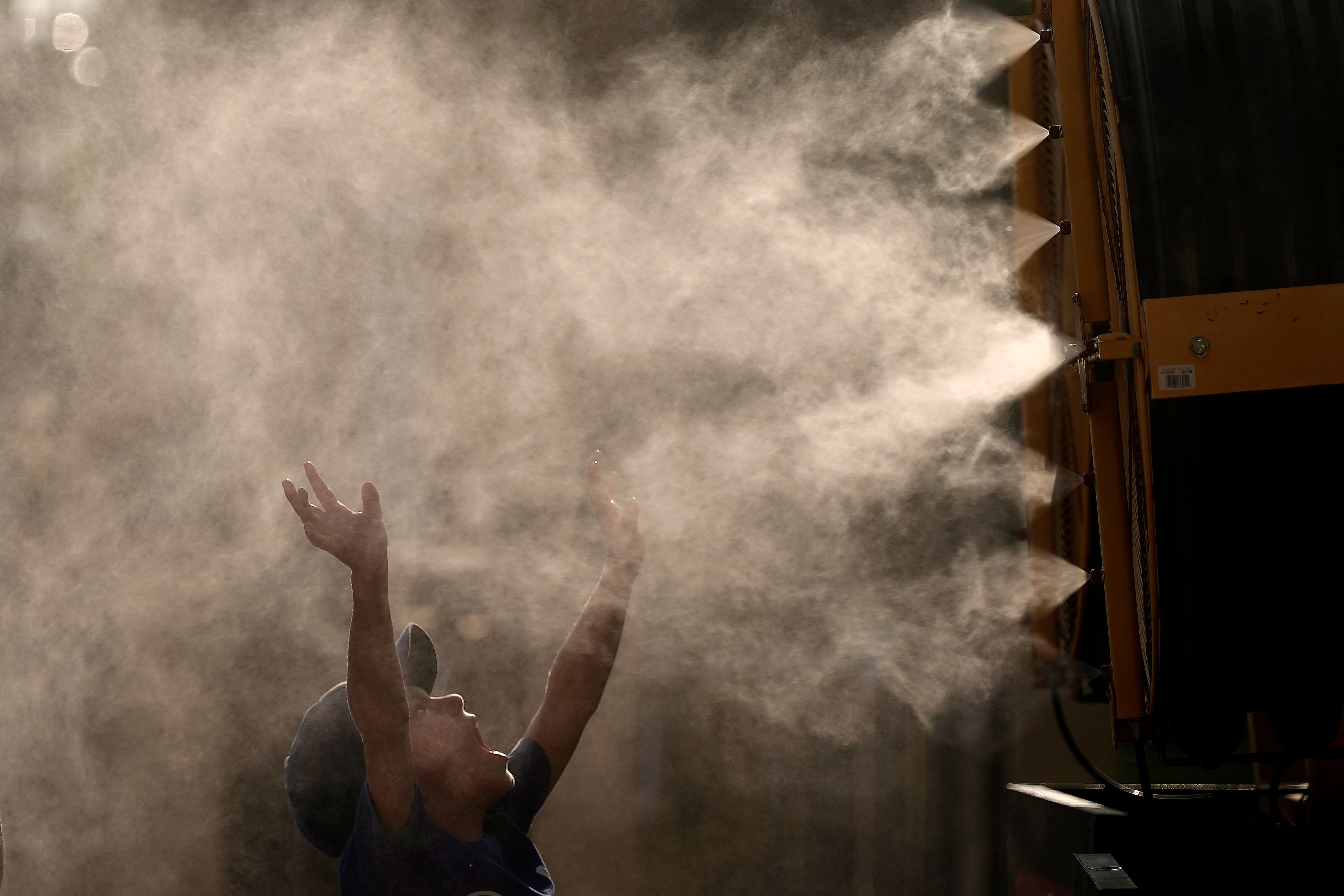
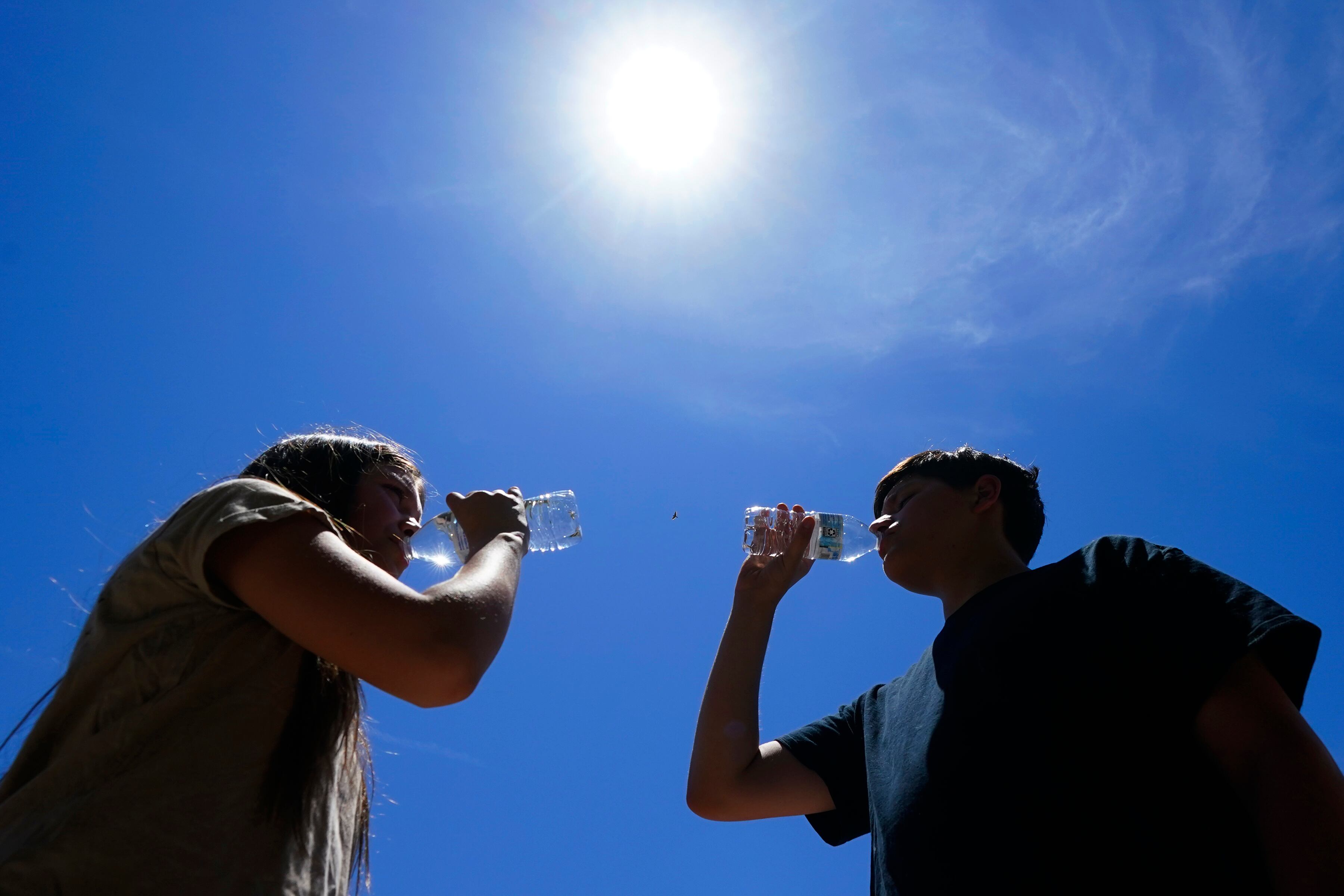
The heat wave continues to break records across the country with Phoenix recording 19 straight days of over 110 degrees as the southwestern cities are also coming close to records as well. Iran recorded a heat index of 152 degrees on Sunday with high temperatures affecting a big portion of the planet.
July is Fibroid Awareness Month, and it's an opportunity to raise awareness for uterine fibroids, a painful condition estimated to impact a staggering 26 million women nationwide. Cheddar's own Ashley Mastronardi spoke to one woman who shares her life-changing experience with fibroids.
High-water rescue crews pulled people from flooded homes and vehicles Wednesday in Kentucky, where waves of thunderstorms prompted flash flood warnings and watches. A search continued for two children swept away after torrential rains in the northeastern United States.