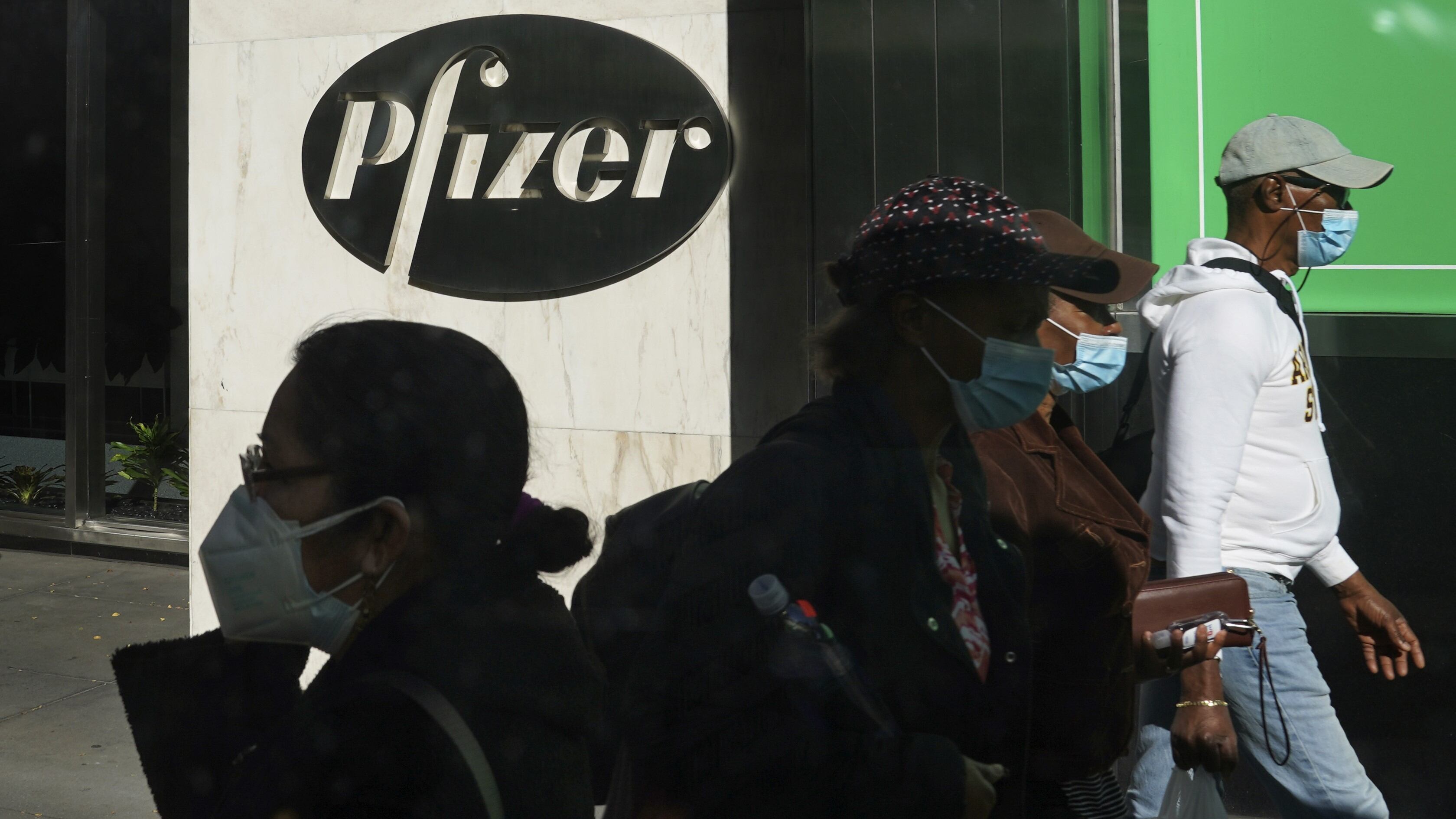
In this Nov. 9, 2020, file photo, pedestrians walk past Pfizer world headquarters in New York. Pfizer announced Wednesday, Nov. 18, 2020, more results in its ongoing coronavirus vaccine study that suggest the shots are 95% effective a month after the first dose. (AP Photo/Bebeto Matthews, File)
By Linda A. Johnson and Frank Jordans
Pfizer said Wednesday that new test results show its coronavirus vaccine is 95% effective, is safe and also protects older people most at risk of dying — last data needed to seek emergency use of limited shot supplies even as the catastrophic outbreak worsens across the globe.
The announcement from Pfizer and its German partner BioNTech, just a week after they revealed the first promising preliminary results, comes as the team is preparing within days to formally ask U.S. regulators to allow emergency use of the vaccine.
They also have begun “rolling submissions” for the vaccine with regulators in Europe, the U.K. and Canada and soon will add this new data.
Pfizer and BioNTech had initially estimated the vaccine was more than 90% effective after 94 infections had been counted in a study that included 44,000 people. With the new announcement, the company now has accumulated 170 infections in the study -- and said only eight of them occurred in volunteers who got the actual vaccine rather than a dummy shot. One of those eight developed severe disease, the company said.
“This is an extraordinarily strong protection,” Dr. Ugur Sahin, BioNTech's CEO and co-founder, told The Associated Press.
The companies have not yet released detailed data on its study, and results have not been analyzed by independent experts. Also still to be determined are important questions such as how long protection lasts and whether people might need boosters.
But all eyes are on the progress of potential vaccines as the grim infection rate jumps in the U.S. and abroad as winter weather forces people indoors, in the close quarters that fuels viral spread.
Pfizer and BioNTech said the vaccine was more than 94% effective in adults over age 65, though it is not clear exactly how that was determined with only eight infections in the vaccinated group to analyze and no breakdown provided of those people’s ages.
Sahin said there were enough older adults enrolled in the study and among the placebo recipients who became infected that he is confident “this vaccine appears to work in the higher-risk population.”
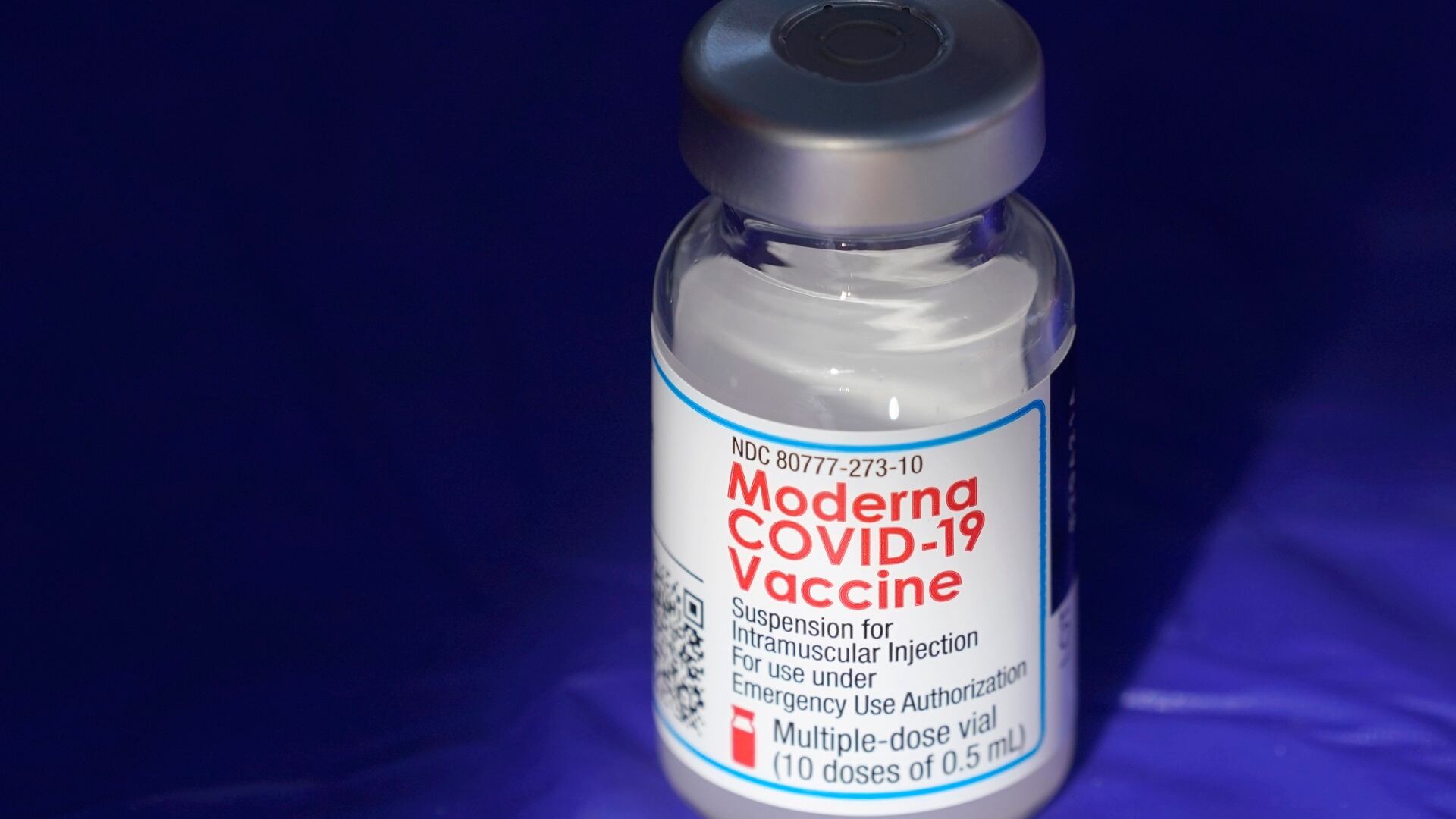
Earlier this week Moderna, Inc. announced that its experimental vaccine appears to be 94.5% effective after an interim analysis of its late-stage study.
Similar results from two vaccines both made with a brand-new technology — using a snippet of the genetic code of the coronavirus to train the body to recognize if the real virus comes along — likely will add to experts' reassurance about the novel approach.
While initial supplies will be scarce and rationed, as the supply grows Sahin said the companies have a responsibility to help ensure access for lower-income countries as well.
Pfizer and BioNTech also say now have the required data on the vaccine’s safety needed to seek emergency authorization from the Food and Drug Administration.
The companies didn’t disclose safety details but said no serious vaccine side effects have been reported, with the most common problem being fatigue after the second vaccine dose, affecting about 4% of participants.
The study has enrolled nearly 44,000 people in the U.S. and five other countries. The trial will continue to collect safety and effectiveness data on volunteers for two more years.
Pfizer and BioNTech said they expect to produce up to 50 million vaccine doses globally in 2020 and up to 1.3 billion doses in 2021.
U.S. officials have said they hope to have about 20 million vaccine doses each from Moderna and Pfizer available for distribution in late December. The first shots are expected to be offered to vulnerable groups like medical and nursing home workers, and people with serious health conditions.
AP medical writer Lauran Neergaard contributed to this report.
The Associated Press Health and Science Department receives support from the Howard Hughes Medical Institute’s Department of Science Education. The AP is solely responsible for all content.
Alysa McCall, director of conservation outreach and staff scientist at Polar Bears International, joined Cheddar to discuss the ongoing fight to protect polar bears from extinction while world leaders gathered to discuss the climate crisis. McCall explained her organization's mission "to ensure the long term survival of polar bears by helping ensure their arctic sea ice habitat remains intact." McCall said she hopes actionable steps are taken after the UN climate summit to mitigate the crisis and not just more promises.
Moderna reported a massive miss on revenue in its Q3 earnings, taking in $5 billion versus the expected $6.21 billion despite sales of the COVID-19 vaccine. The pharmaceutical giant's stock dropped sharply on the news.
Carlo and Baker discuss the fallout from Tuesday's election and the flashing warning sign for Dems ahead of the midterms. Also, a big 2A case at the Supreme Court, Aaron Rodgers has Covid and is in big trouble, and a first for the MCU.
Carlo and Baker discuss the election results across the country, including a Republican comeback in Virginia -- and possibly NJ -- plus the CDC gives the go-ahead for child vaccinations, Atlanta wins the World Series and more.
Dr. Julie Morita, executive vice president of Robert Wood Johnson Foundation, joined Cheddar to discuss the CDC advisory panel recommending the Pfizer vaccine for children ages 5-11. "We've seen many millions of children getting sick, many hospitalized, many dying because of COVID," Morita said. "And so now we have a new tool that we can use to keep our children safe." She also noted that hesitancy among parents about vaccinating their children will likely fade in time as the childhood vaccine program gets underway.
Matthew Oxenford, Analyst at the Economist Intelligence Unit, joins a special edition of Cheddar Climate, where he discusses the responsibilities big businesses across multiple sectors have when it comes to combating the effects of climate change around the world.
President Joe Biden introduced the Global Methane Pledge on the second day of the United Nations climate summit. The U.S. and the European Union will lead the way when it comes to methane emissions reductions, and close to 100 nations have also signed on. It's seen as the fastest way to slow down global warming and keep nations on track toward meeting the goal of keeping warming just 1.5 degrees Celsius above late 1800s atmospheric levels. Dr. Sweta Chakraborty, U.S. President of climate-focused startup 'We Don't Have Time' joins Cheddar Climate to discuss the importance of the Biden administration's methane regulations -- and the importance of U.S. leadership when it comes to climate issues.
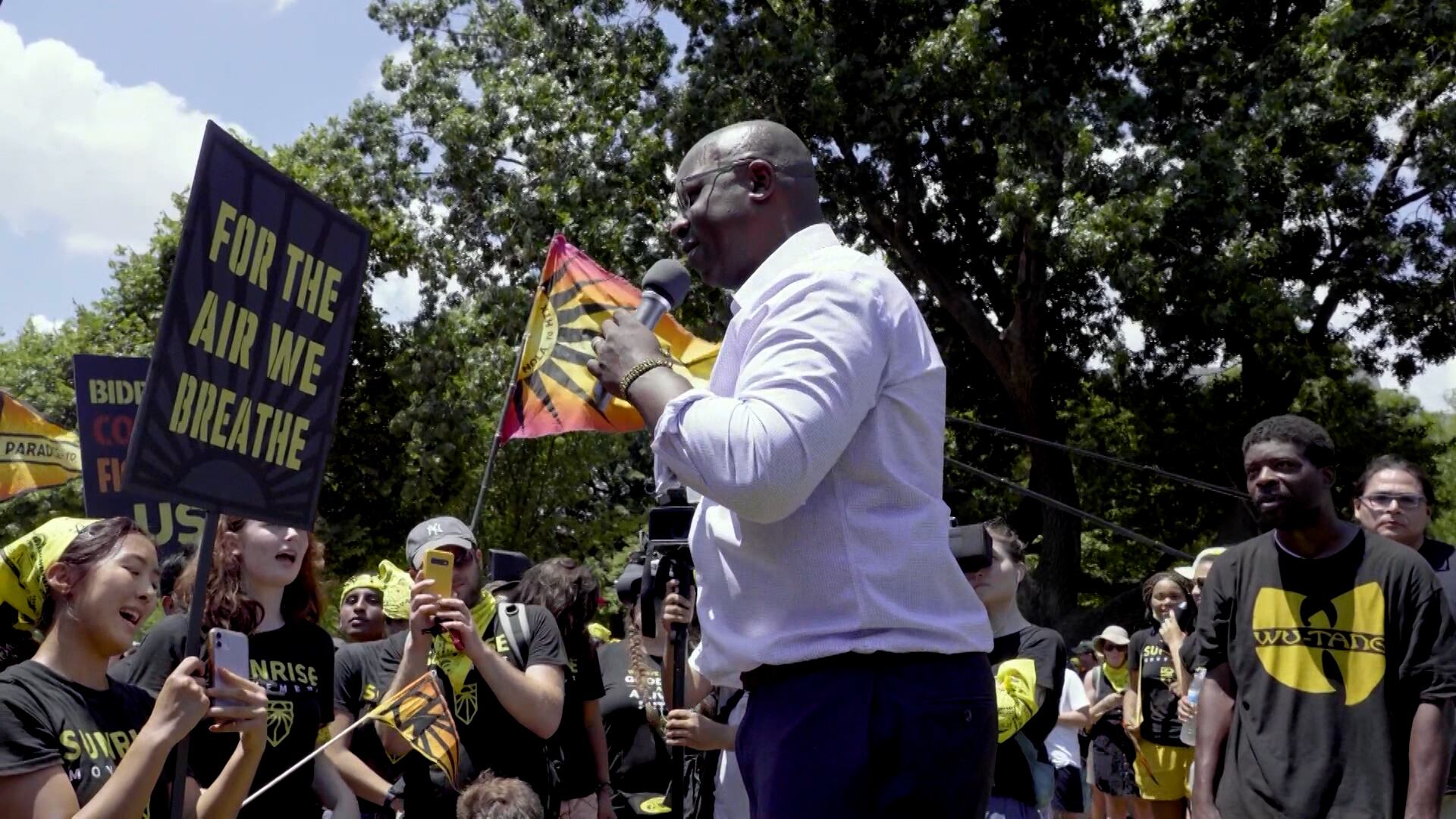
John Paul Mejia, the national spokesperson for the Sunrise Movement, joined Cheddar to talk about what the youth activist group wants to see from President Joe Biden as he attends the COP26 climate summit. Mejia admonished the president for having little to deliver on his own climate agenda domestically while at the conference. "We need the president to follow through with his promises because, frankly, it's a matter of life or death not only for communities here in the United States but also those looking to us around the world," he said.
With COP26 kicking off, roughly 120 world leaders and delegates are in Glasgow, Scotland to hold climate talks this week. As experts continue to warn about the dangers of climate change, ESG investing is more important than ever.
Georges Archibald, Head of Apex Americas at Apex Group joined Cheddar's Opening Bell to discuss.
Roughly 20,000 heads of state, diplomats, and activists will gather in person starting Oct. 31 to address the threat of climate change. The summit, known as COP26, is seen as a crucial step in getting the crisis under control as scientists warn global warming is only getting worse. Carroll Muffett, President and CEO of the Center for International Environmental Law, joined Cheddar to explain the goals of COP26 and why it's so crucial for the world leaders to step up and make new, aggressive climate commitments.