The leading AI chatbot just came out with a new version, and the technology space is buzzing about the possibilities.
OpenAI has released a fourth version of ChatGPT, called GPT-4, that understands images. This means it can look at a photo and provide general information about what's in it and answer questions based on its properties.
The new version also has a larger database, allowing it to provide more accurate information and write code in all major programming languages.
OpenAI touted the chatbot's ability to communicate in other highly technical formats.
"GPT-4 is more creative and collaborative than ever before," the company wrote on its website. "It can generate, edit, and iterate with users on creative and technical writing tasks, such as composing songs, writing screenplays, or learning a user’s writing style."
The company also said the version is capable of "advanced reasoning capabilities" and provided examples of it solving complicated logical puzzles.
The first version of the chatbot was released just a few months ago and is already considered the fastest-growing consumer application in history.
Alex Valaitis, who writes a newsletter about AI, tweeted that the ChatGPT update was "biggest release since the iPhone."
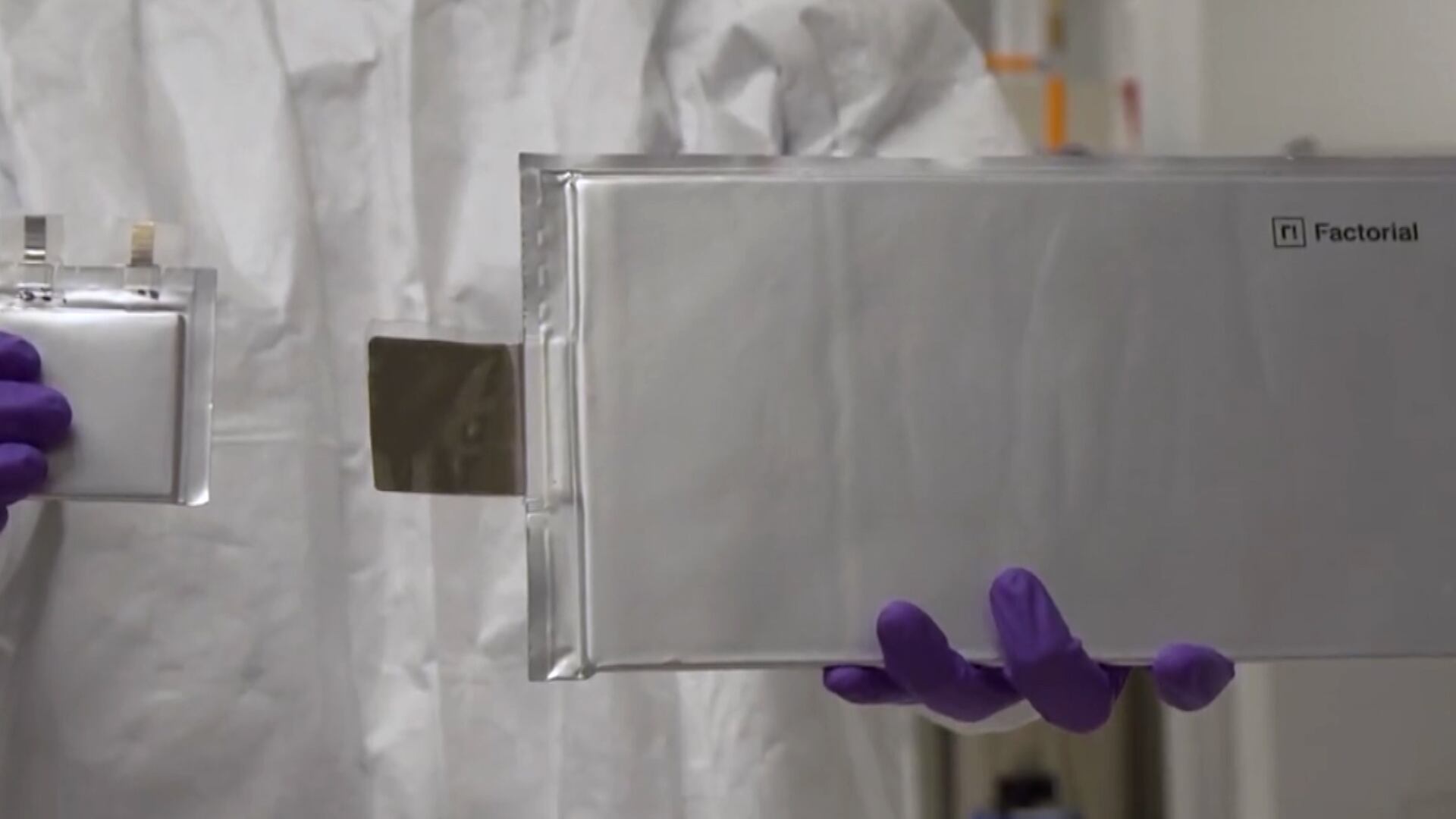
Solid-state battery maker Factorial Energy recently raised $200 million in a Series D round led by Mercedes-Benz and Stellantis. Factorial says the funding will be used to accelerate commercial production and deployment of its solid-state battery technology, which the company says is safer, and offers up to 50% more driving range than current lithium-ion technology. Factorial also has joint development agreements (announced in late 2021) with Mercedes-Benz, Stellantis, and Hyundai, three of the top 10 global automotive manufacturers, to commercialize its batteries. Factorial CEO Siyu Huang joined Cheddar News' Closing Bell to discuss.
Google's parent company Alphabet reported blockbuster fourth quarter earnings, boosted by better-than-expected Google ad revenue and Google Cloud revenue. The results sent Alphabet's stock soaring, and the company could come close to hitting a $2 trillion market valuation similar to other tech giants Apple and Microsoft. The company also announced a 20-for-1 stock split, which would make shares more accessible to would-be investors. Mark Lehmann, CEO at JMP Securities, a Citizens Company, joins Closing Bell to discuss Alphabet's earnings report, whether the company will reach a $2 trillion market cap, its stock split, and more.
David Malott, founder and chief architect at AI PlanetWorks joins Cheddar News to discuss the release of its augmented reality NFTs for the metaverse called 'TERA.'
Jess Hunichen and Emily Ward, co-founder of Shine Talent Group join Cheddar News to talk about The BodCon conference and how it empowers men and women to feel confident.
FIT:MATCH is looking to change the game when it comes to the way retailers size clothes. The company's augmented reality technology takes a look at body shape data rather than generalized, traditional sizing parameters to determine how a piece of apparel will fit wearers. Haniff Brown, CEO and founder, joined Cheddar to discuss the patented ar-powered apparel technology and partnering with pop superstar Rihanna’s Savage X Fenty lingerie line. "We launched in Vegas with Savage on January 22 and we've been having goosebumps at some of the testimonials, where customers are saying this is such an easier process versus going into a fitting room and having an associate have to touch and get handsy with a cold tape measure," Brown said.
TerraZero's chief experience officer Brandon Johnson and chief metaverse officer Ryan Kieffer joined Cheddar News to discuss the technology company making the first-ever Metaverse mortgage.