By Julie Carr Smyth and Samantha Hendrickson
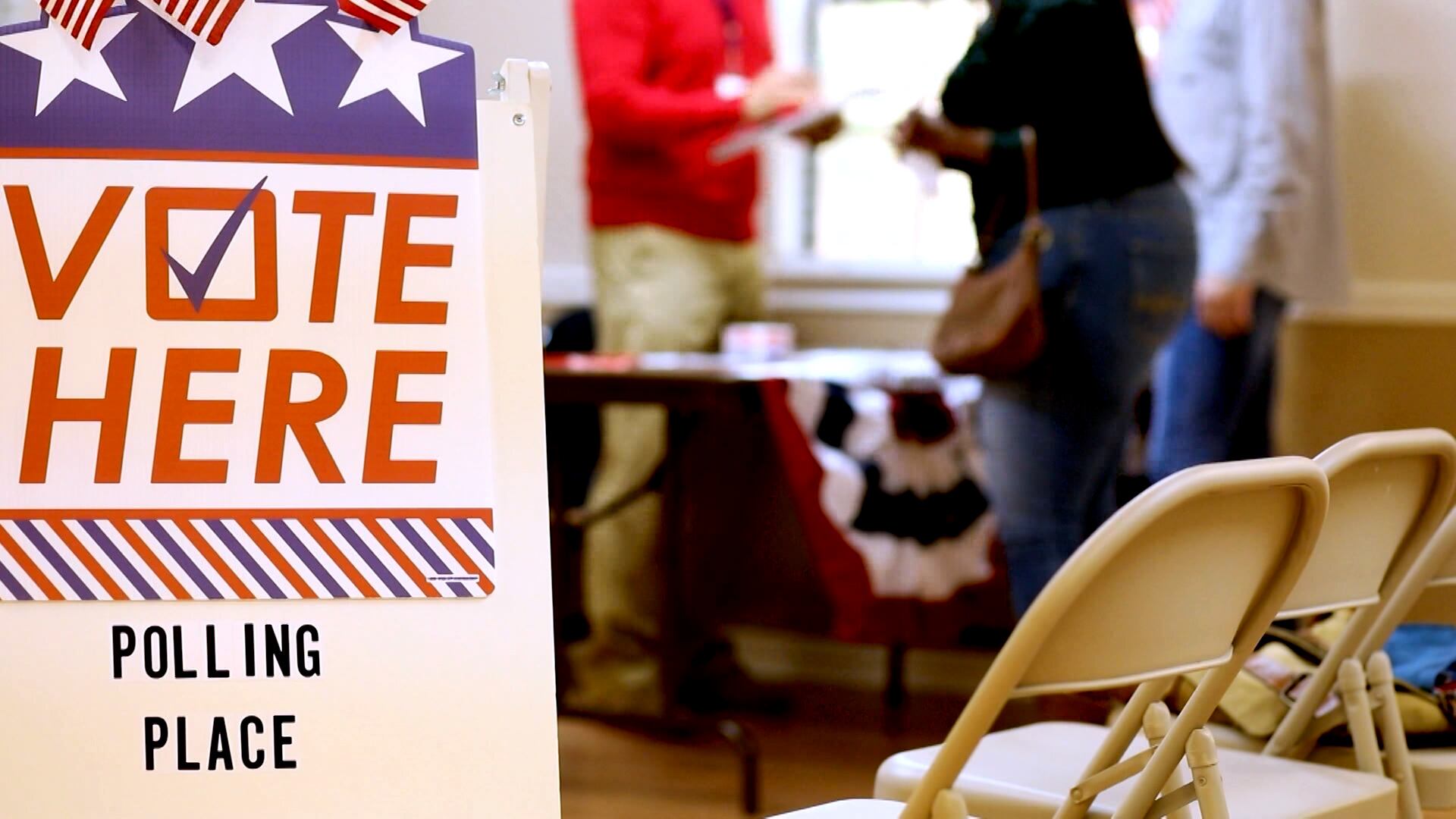
Ohio voters on Tuesday resoundingly rejected a Republican-backed measure that would have made it more difficult to change the state’s constitution, setting up a fall campaign that will become the nation’s latest referendum on abortion rights since the U.S. Supreme Court overturned nationwide protections last year.
The defeat of Issue 1 keeps in place a simple majority threshold for passing future constitutional amendments, rather than the 60% supermajority that was proposed. Its supporters said the higher bar would protect the state’s foundational document from outside interest groups.
Voter opposition to the proposal was widespread, even spreading into traditionally Republican territory. In fact, in early returns, support for the measure fell far short of former President Donald Trump’s performance during the 2020 election in nearly every county.
Dennis Willard, a spokesperson for the opposition campaign One Person One Vote, called Issue 1 a “deceptive power grab” that was intended to diminish the influence of the state’s voters.
“Tonight is a major victory for democracy in Ohio,” Willard told a jubilant crowd at the opposition campaign’s watch party. “The majority still rules in Ohio.”
President Joe Biden hailed Tuesday's result, releasing a statement saying: “This measure was a blatant attempt to weaken voters’ voices and further erode the freedom of women to make their own health care decisions. Ohioans spoke loud and clear, and tonight democracy won.”
A major national group that opposes abortion rights, Susan B. Anthony Pro-Life America, called the result “a sad day for Ohio" while criticizing the outside money that helped the opposition — even though both sides relied on national groups and individuals in their campaigns.
Republican lawmakers who had pushed the measure — and put it before voters during the height of summer vacation season — explained away the defeat as a result of too little time to adequately explain its virtues to voters. A main backer, Republican Senate President Matt Huffman, predicted lawmakers would try again, though probably not as soon as next year.
“Obviously, there are a lot of folks that did not want this to happen — not just because of the November issues, but for all of the other ones that are coming,” he said, expressing disappointment that Republicans didn't stick together. In a statement, Republican House Speaker Jason Stephens advised supporters to move past Tuesday's results to focus on trying to defeat the abortion rights measure: “The people of Ohio have spoken."
While abortion was not directly on the special election ballot, the result marks the latest setback for Republicans in a conservative-leaning state who favor imposing tough restrictions on the procedure. Ohio Republicans placed the question on the summer ballot in hopes of undercutting the citizen initiative that voters will decide in November that seeks to enshrine abortion rights in the state.
Other states where voters have considered abortion rights since last year’s Supreme Court ruling have protected them, including in red states such as Kansasand Kentucky.
Dr. Marcela Azevedo, one of the leaders of a coalition advancing the fall abortion question, said Tuesday that Issue 1’s defeat should allow the measure to pass in November.
Interest in Tuesday's special election was intense, even after Republicans ignored their own law that took effect earlier this year to place the question before voters in August. Voters cast nearly 700,000 early in-person and mail ballots ahead of Tuesday’s final day of voting, more than double the number of advance votes in a typical primary election. Early turnout was especially heavy in the Democratic-leaning counties surrounding Cleveland, Columbus and Cincinnati.
One Person One Vote represented a broad, bipartisan coalition of voting rights, labor, faith and community groups. The group also had as allies four living ex-governors of the state and five former state attorneys general of both parties, who called the proposed change bad public policy.
In place since 1912, the simple majority standard is a much more surmountable hurdle for Ohioans for Reproductive Rights, the group advancing November’s abortion rights amendment. It would establish “a fundamental right to reproductive freedom” with “reasonable limits.”
Voters in several states have approved ballot questions protecting access to abortion since the Supreme Court overturned Roe v. Wade, but typically have done so with less than 60% of the vote. AP VoteCast polling last year found that 59% of Ohio voters say abortion should generally be legal.
Eric Chon, a Columbus resident who voted against the measure, said there was a clear anti-abortion agenda to the election. Noting that the GOP voted just last year to get rid of August elections entirely due to low turnout for hyperlocal issues, Chon said, “Every time something doesn’t go their way, they change the rules.”
The election result came in the very type of August special election that Republican Secretary of State Frank LaRose, a candidate for U.S. Senate, had previously testified against as undemocratic because of historically low turnout. Republican lawmakers just last year had voted to mostly eliminate such elections, a law they ignored for this year’s election.
Al Daum, of Hilliard, just west of Columbus, said he didn’t feel the rules were being changed to undermine the power of his vote and said he was in favor of the special election measure. Along with increasing the threshold to 60%, it would mandate that any signatures for a constitutional amendment be gathered from all of Ohio’s 88 counties, not just 44.
It’s a change that Daum said would give more Ohio residents a chance to make their voices heard.
Voters’ rejection of the proposal marked a rare rebuke for Ohio Republicans, who have held power across every branch of state government for 12 years. GOP lawmakers had cited possible future amendments related to gun control, minimum wage increases and more as reasons a higher threshold should be required.
Protect Ohio Women, the campaign working to defeat the fall abortion rights amendment, vowed to continue fighting into the fall.
“Our pro-life, pro-parent coalition is more motivated than ever,” the group said in a statement.
___
The Associated Press receives support from several private foundations to enhance its explanatory coverage of elections and democracy. See more about AP’s democracy initiative here. The AP is solely responsible for all content.
Samantha Hendrickson is a corps member for the Associated Press/Report for America Statehouse News Initiative. Report for America is a nonprofit national service program that places journalists in local newsrooms to report on undercovered issues.
This article has been updated.