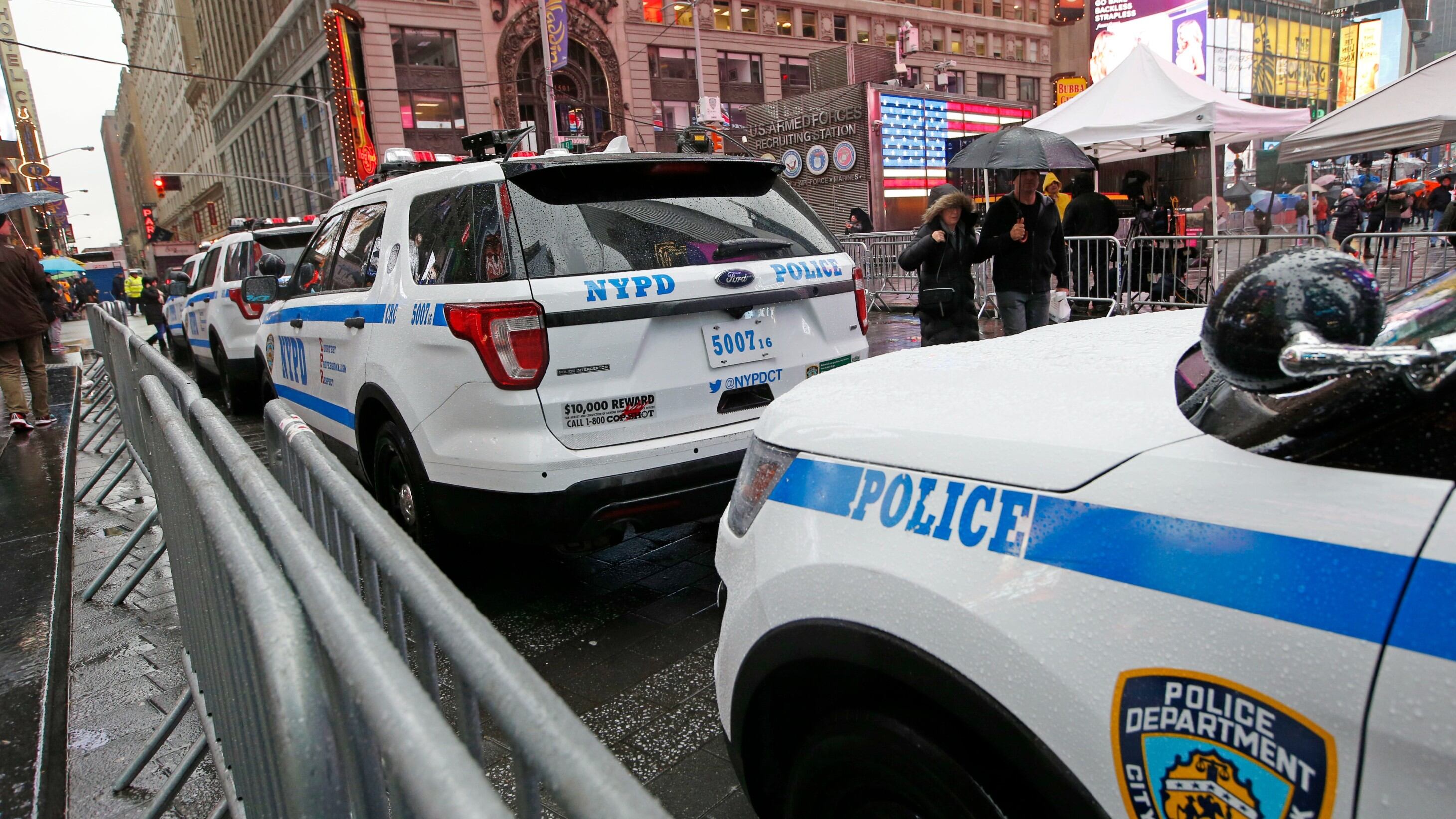
A line of police cars are parked along a street in Times Square, Thursday, Dec. 29, 2016, in New York. (AP Photo/Kathy Willens, File)
By Jake Offenhartz
A New York City police officer is speaking out against the use of “courtesy cards” by friends and relatives of his colleagues on the force, accusing department leaders of maintaining a sprawling system of impunity that lets people with a connection to law enforcement avoid traffic tickets.
Though not officially recognized by the NYPD, the laminated cards have long been treated as a perk of the job. The city’s police unions issue them to members, who circulate them among those who want to signal their NYPD connections — often to get out of minor infraction like speeding or failing to wear a seat belt.
In a federal lawsuit filed in Manhattan this week, Officer Mathew Bianchi described a practice of selective enforcement with consequences for officers who don’t follow the unwritten policy. Current and retired officers now have access to hundreds of cards, giving them away in exchange for a discount on a meal or a home improvement job, he said.
In the Staten Island precinct where he works, a predominantly white area with a high percentage of cops and other city workers, Bianchi said multitudes of people he pulled over for traffic infractions flashed him one of the cards.
“I see card after card. You’re not allowed to write any of them (up),” he told The Associated Press. “We’re not supposed to be showing favoritism when we do car stops, and we shouldn’t be giving them out because the guy mows my lawn.”
Bianchi said he was reprimanded on numerous occasions for writing a ticket to a relative or parent of an officer. In some cases, his commanding officer would personally review body camera footage to see if he was giving those with cards a “hard time,” the lawsuit states.
The final straw came last summer, when Bianchi wrote a ticket to a friend of the NYPD’s highest-ranking uniformed officer, Chief Jeffrey Maddrey, according to the lawsuit. Three days later, Bianchi said he was ousted from his job in the traffic unit and moved to a night patrol shift.
The top chief, a long-time ally of New York City Mayor Eric Adams, is currently facing a department trial over allegations that he improperly voided the arrest of a former officer accused of menacing children with a gun.
A spokesperson for the NYPD said the department would review the lawsuit. Inquiries to Maddrey were not returned.
John Nuthall, a spokesperson for the Police Benevolent Association, the NYPD’s largest union, didn’t deny the existence of courtesy cards but said it was up to management to decide department policy.
“The law and NYPD policies afford police officers discretion in taking enforcement action,” Nuthall said. “Each police officer determines how to exercise that discretion based on the specifics of each case.”
The city’s police unions have long faced media scrutiny over the cards, both over the appearance of corruption and over their appearance for sale on eBay.
Bianchi said it was common for officers to receive stacks of cards from different union delegates. Dozens of courtesy cards are currently listed for sale online.
The ubiquity of the cards means that those without connections to law enforcement are less likely to get off with a warning, since officers are expected to write a certain amount of tickets, Bianchi said. In his experience, he said minority motorists were less likely to have access to the cards.
Mayor Ras Baraka of Newark, NJ and Ayana Morris, co-director of the documentary 'Why Is We Americans?,' join Cheddar News to discuss the new documentary highlighting the impact of the Baraka family.
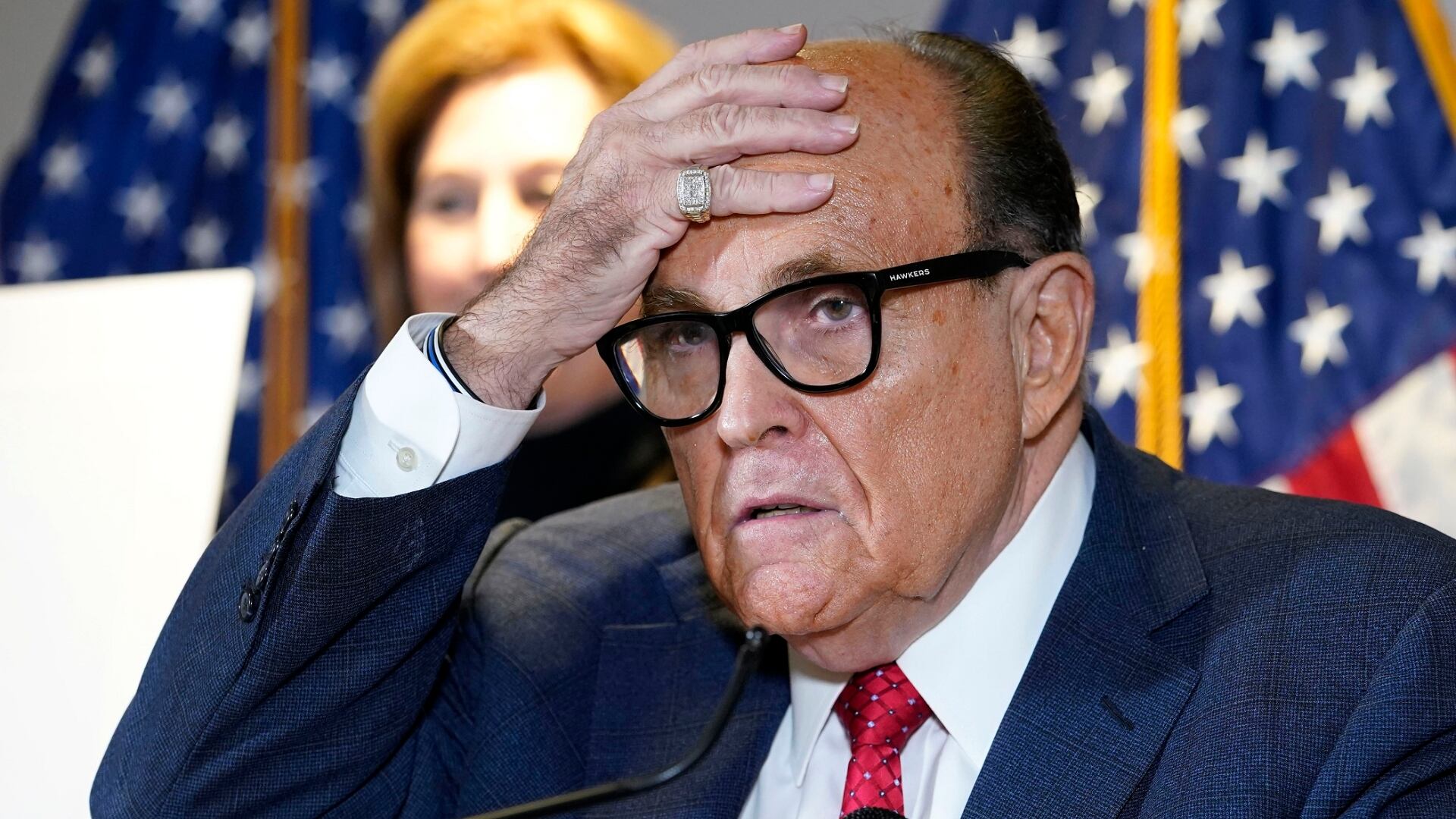
Former New York City mayor and lawyer to Donald Trump Rudy Giuliani made his singing debut on a taping of Fox’s The Masked Singer. However, Ken Jeong and Robin Thicke, two judges on the competition show, reportedly left in protest when Giuliani was unmasked upon being eliminated.
All Hands celebrates Black History Month by highlighting achievements in inclusivity and paying homage to those who have fought for equal rights. Rep. Maxine Waters (D-CA) joins Cheddar News to discuss voter suppression; Damali Peterman, CEO of Breakthrough ADR, elaborates on the biggest barriers for Black professionals; Andre Perry, senior fellow of Brookings Institution, dives into student loans and the racial wealth divide; and lastly, BET CEO Scott Mills discusses the company's initiatives for 2022.
All month long Cheddar News is celebrating Black History Month.
In our nation’s capital, Black history is being made right now.
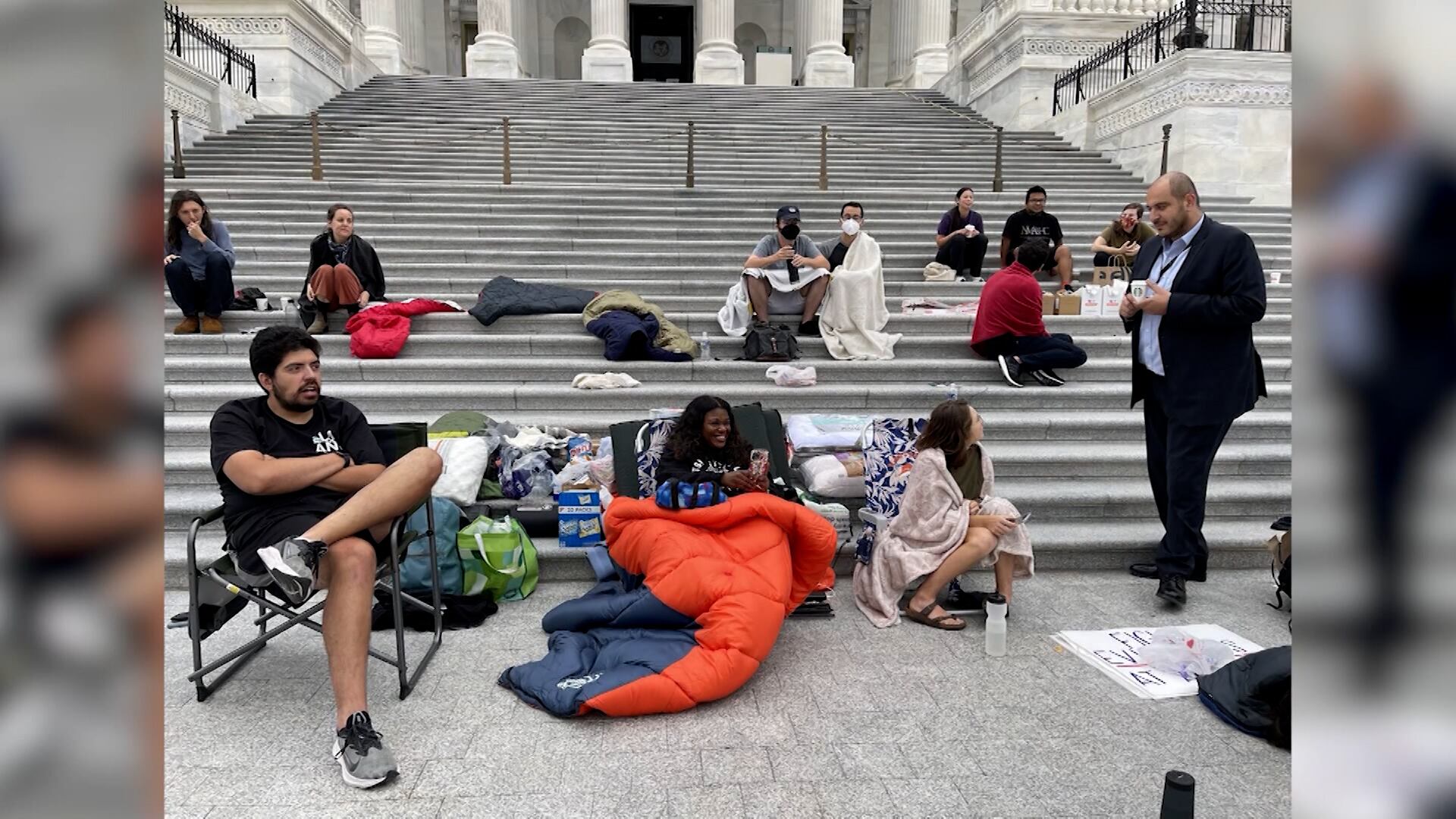
cheddar's own Arielle Hixon puts the spotlight on three lawmakers making that happen, Rep. Lauren Underwood (D-IL), Rep. Cori Bush (D-MO), and Sen. Tim Scott (R-SC).
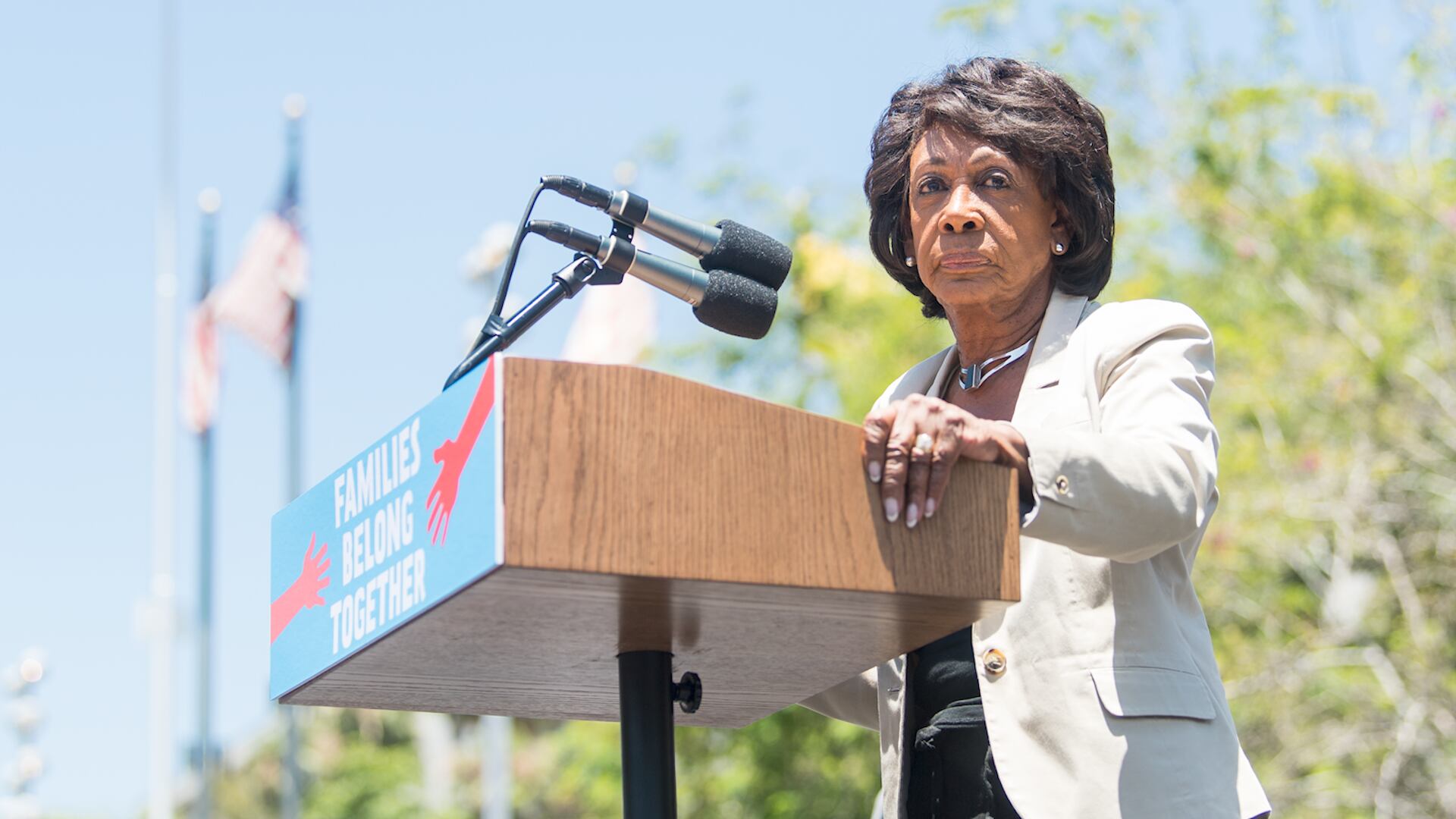
Representative Maxine Waters (D-Calif. 43rd District) joined Cheddar News to talk about the current political climate in America, including efforts to roll back voting rights in multiple states in light of Black History Month. "Why do we have to deal with those who still believe that somehow this country only belongs to the whites of the country and that somehow they have to do everything that they can to undermine our voting and do voters suppression to keep us from being influential and at the table by which to solve problems?" she asked. Waters chided "two Democrats" who she said were stymying attempts to rectify the issue and also spoke on President Biden’s promise to nominate a Black woman to the Supreme Court.
Wall Street saw another volatile day after the Federal Reserve left rates unchanged for now, with plans to raise rates in March at its next meeting in order to ease inflation. Fed Chair Jerome Powell said the Fed has not made decisions on the size of rate increases, adding that the Fed is not trying to get inflation below two-percent. Ken Johnson, CFA and Investment Strategy Analyst explains why Powell thinks that high inflation is a significant threat to the labor market.
Anu Gaggar, global investment strategist for Commonwealth Financial Network, joined Cheddar News to discuss how global supply chains could be disrupted even further by an armed conflict in Ukraine.
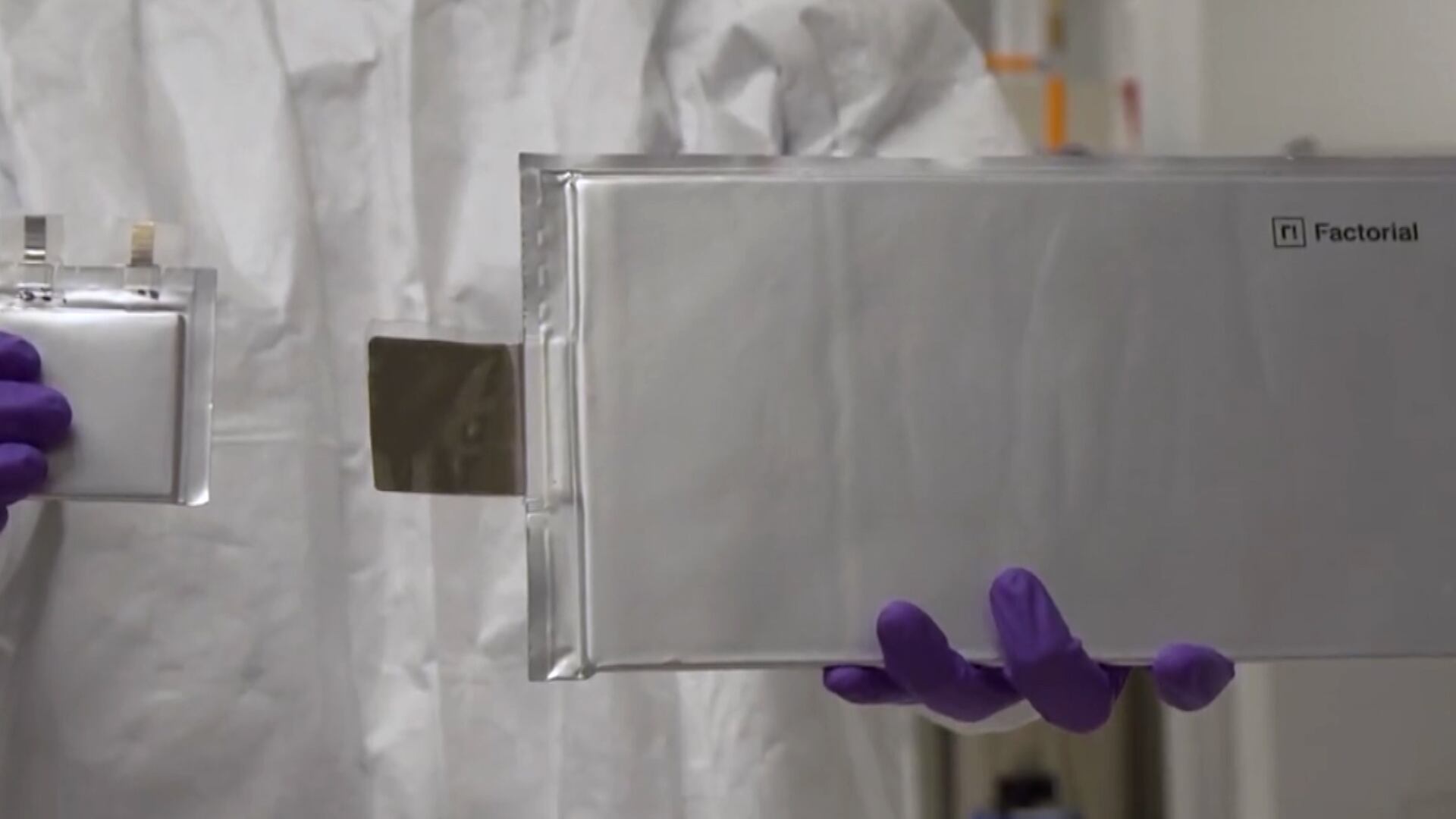
Solid-state battery maker Factorial Energy recently raised $200 million in a Series D round led by Mercedes-Benz and Stellantis. Factorial says the funding will be used to accelerate commercial production and deployment of its solid-state battery technology, which the company says is safer, and offers up to 50% more driving range than current lithium-ion technology. Factorial also has joint development agreements (announced in late 2021) with Mercedes-Benz, Stellantis, and Hyundai, three of the top 10 global automotive manufacturers, to commercialize its batteries. Factorial CEO Siyu Huang joined Cheddar News' Closing Bell to discuss.