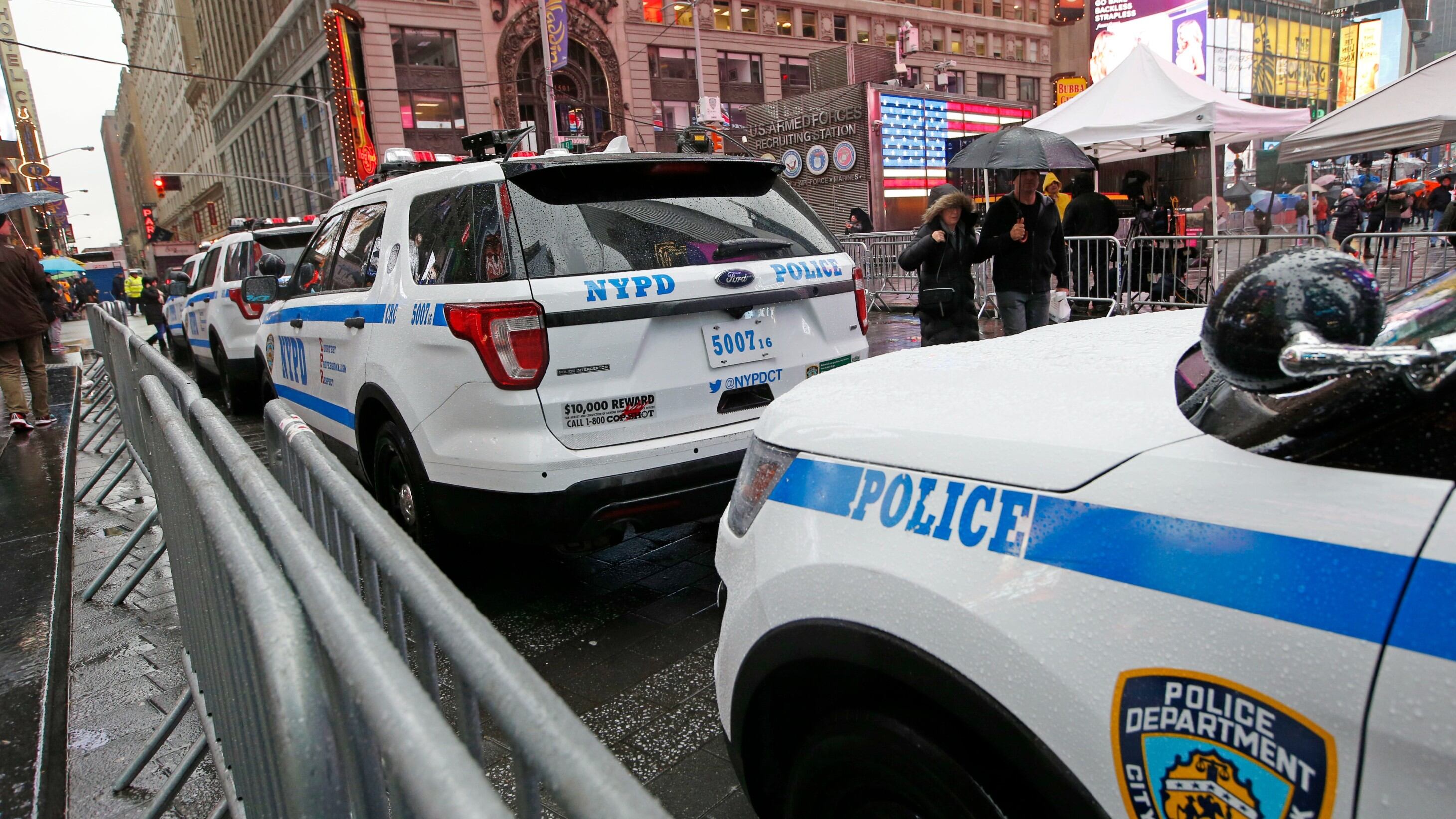
A line of police cars are parked along a street in Times Square, Thursday, Dec. 29, 2016, in New York. (AP Photo/Kathy Willens, File)
By Jake Offenhartz
A New York City police officer is speaking out against the use of “courtesy cards” by friends and relatives of his colleagues on the force, accusing department leaders of maintaining a sprawling system of impunity that lets people with a connection to law enforcement avoid traffic tickets.
Though not officially recognized by the NYPD, the laminated cards have long been treated as a perk of the job. The city’s police unions issue them to members, who circulate them among those who want to signal their NYPD connections — often to get out of minor infraction like speeding or failing to wear a seat belt.
In a federal lawsuit filed in Manhattan this week, Officer Mathew Bianchi described a practice of selective enforcement with consequences for officers who don’t follow the unwritten policy. Current and retired officers now have access to hundreds of cards, giving them away in exchange for a discount on a meal or a home improvement job, he said.
In the Staten Island precinct where he works, a predominantly white area with a high percentage of cops and other city workers, Bianchi said multitudes of people he pulled over for traffic infractions flashed him one of the cards.
“I see card after card. You’re not allowed to write any of them (up),” he told The Associated Press. “We’re not supposed to be showing favoritism when we do car stops, and we shouldn’t be giving them out because the guy mows my lawn.”
Bianchi said he was reprimanded on numerous occasions for writing a ticket to a relative or parent of an officer. In some cases, his commanding officer would personally review body camera footage to see if he was giving those with cards a “hard time,” the lawsuit states.
The final straw came last summer, when Bianchi wrote a ticket to a friend of the NYPD’s highest-ranking uniformed officer, Chief Jeffrey Maddrey, according to the lawsuit. Three days later, Bianchi said he was ousted from his job in the traffic unit and moved to a night patrol shift.
The top chief, a long-time ally of New York City Mayor Eric Adams, is currently facing a department trial over allegations that he improperly voided the arrest of a former officer accused of menacing children with a gun.
A spokesperson for the NYPD said the department would review the lawsuit. Inquiries to Maddrey were not returned.
John Nuthall, a spokesperson for the Police Benevolent Association, the NYPD’s largest union, didn’t deny the existence of courtesy cards but said it was up to management to decide department policy.
“The law and NYPD policies afford police officers discretion in taking enforcement action,” Nuthall said. “Each police officer determines how to exercise that discretion based on the specifics of each case.”
The city’s police unions have long faced media scrutiny over the cards, both over the appearance of corruption and over their appearance for sale on eBay.
Bianchi said it was common for officers to receive stacks of cards from different union delegates. Dozens of courtesy cards are currently listed for sale online.
The ubiquity of the cards means that those without connections to law enforcement are less likely to get off with a warning, since officers are expected to write a certain amount of tickets, Bianchi said. In his experience, he said minority motorists were less likely to have access to the cards.
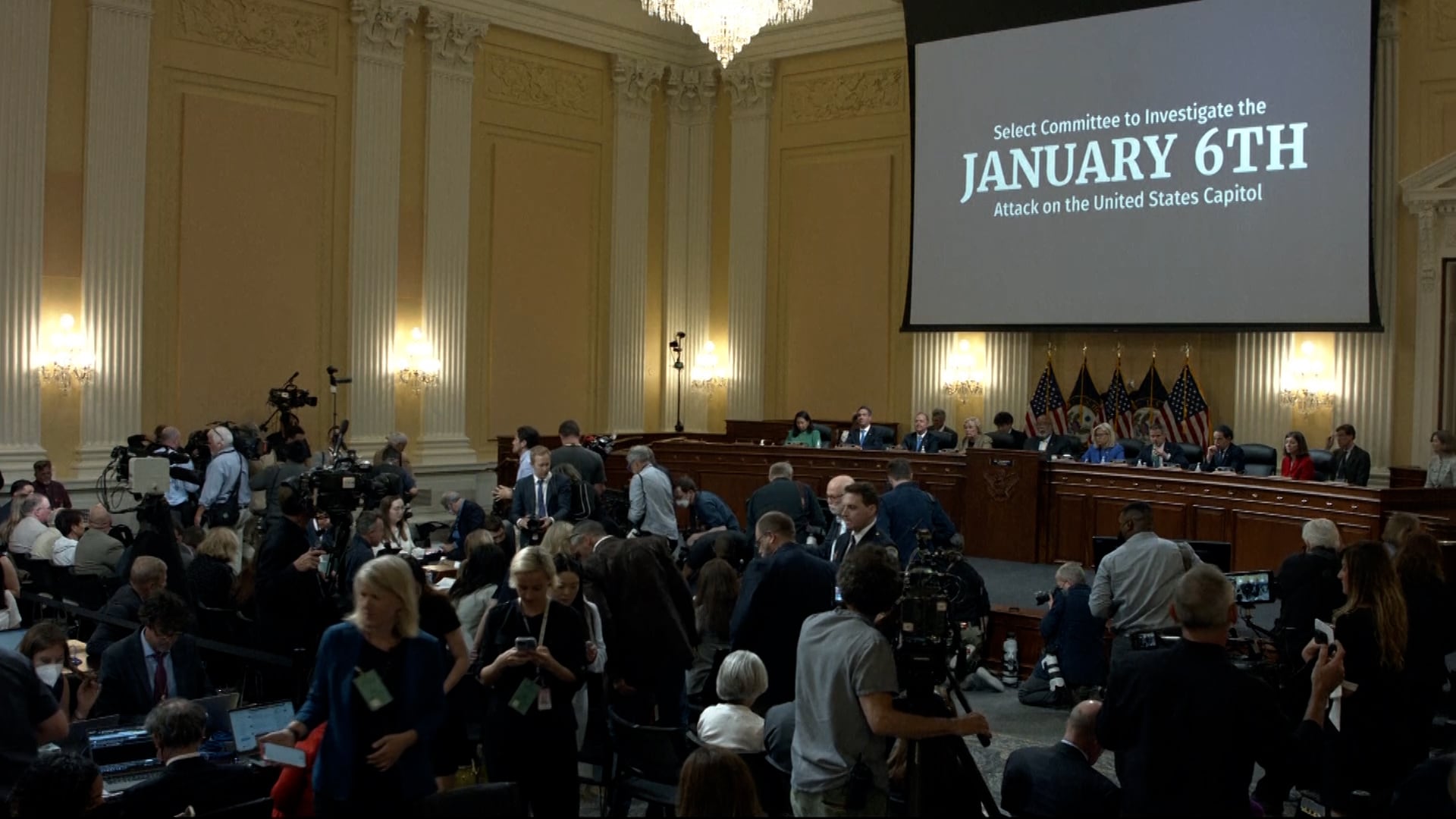
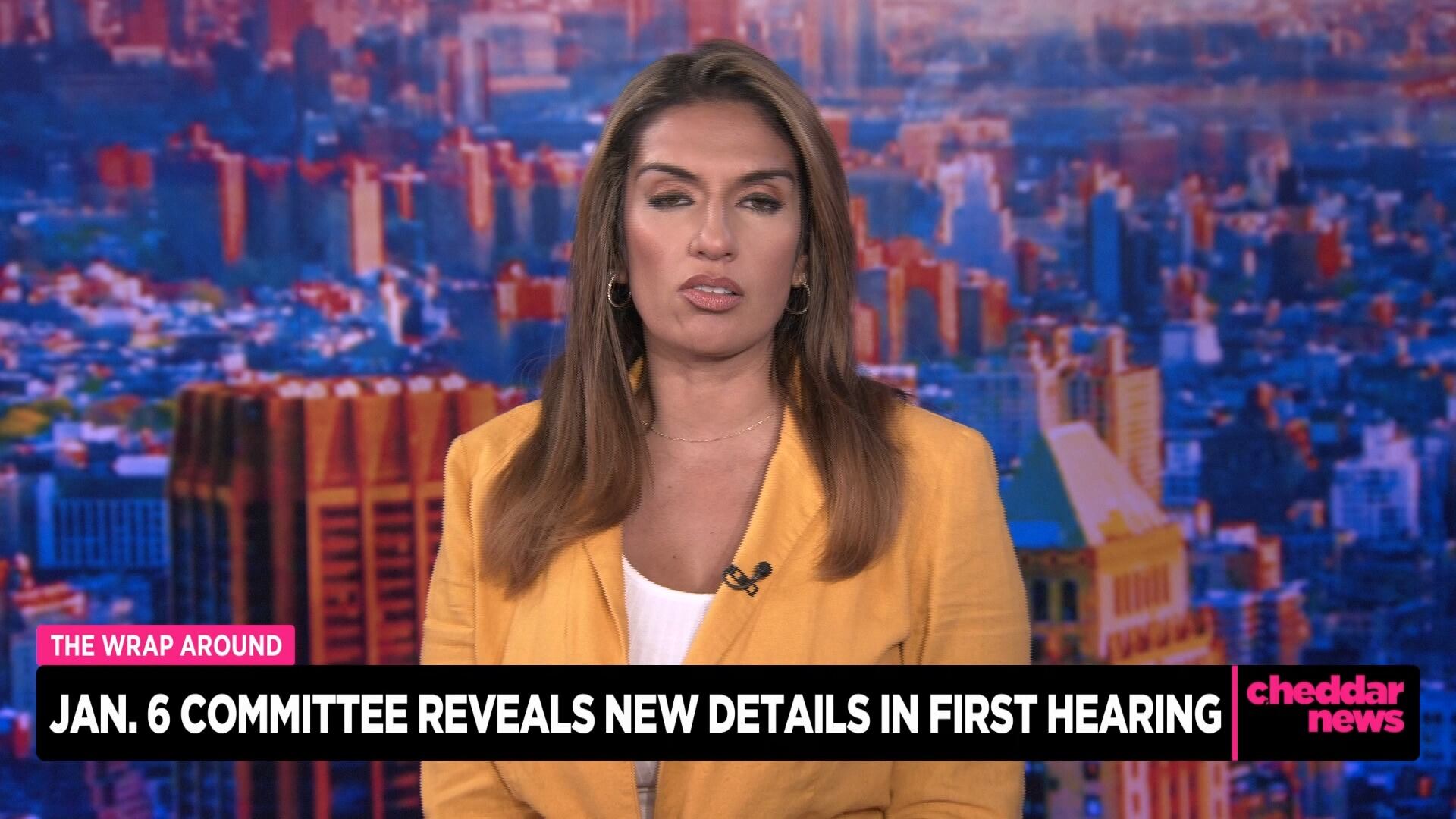
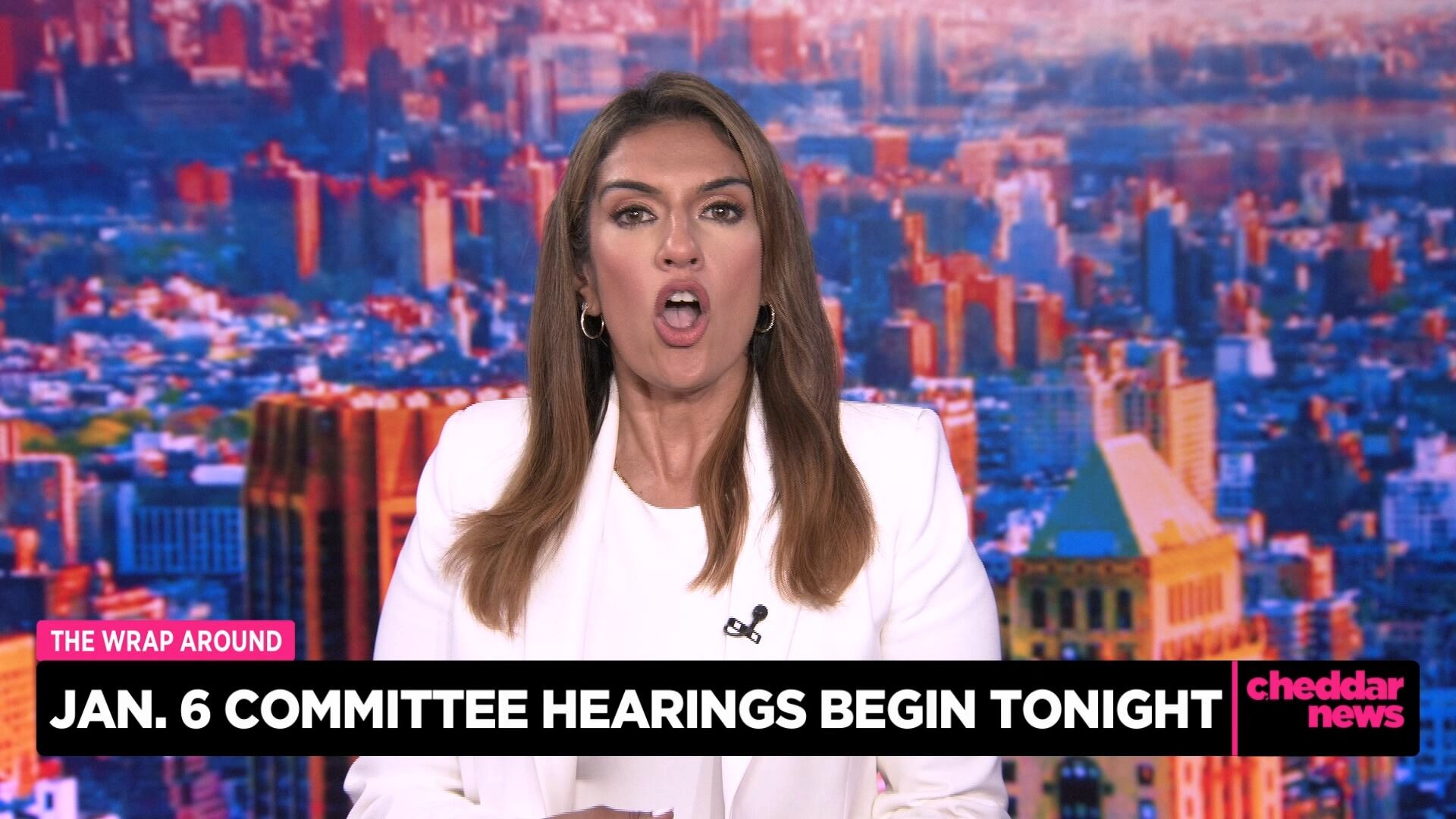
The House Select Committee investigating the Jan. 6 riots on Capitol Hill held its first primetime hearing on Thursday. Cheddar News speaks with legal analyst Tracy Pearson, who breaks down the biggest takeaways.
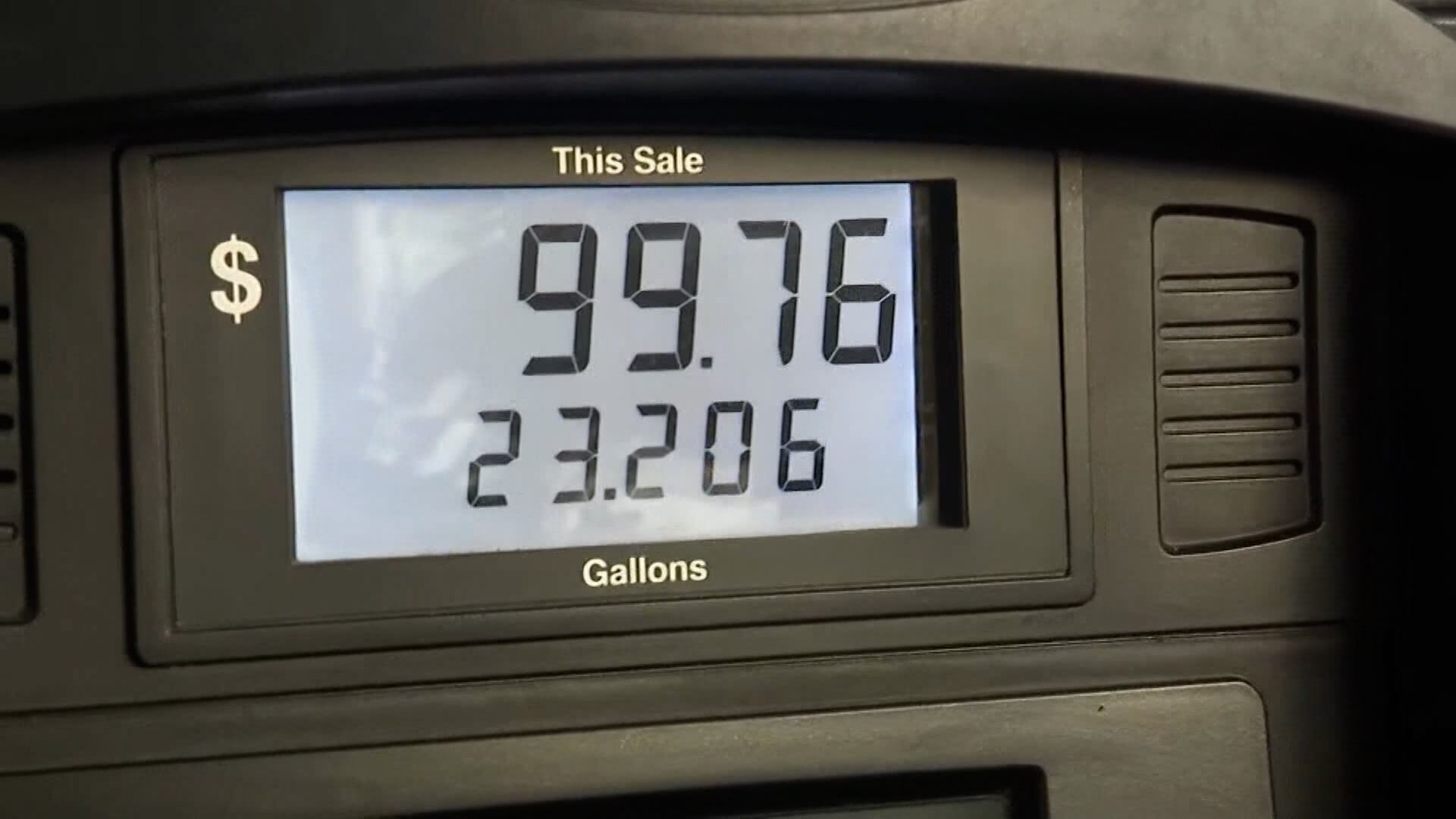
Fuel and oil prices have risen almost 17 percent since May, making the national gas prices reach nearly $5 a gallon. Andrew Lipow from consulting firm Lipow Oil Associates joined Cheddar News to discuss the future of gas prices. "The biggest issue on the oil market is really events that are beyond our control, which is what is happening over in Europe," he said, regarding the ongoing Russia Ukraine war. Lipow also said he predicted gas prices to hit $5.05 and that he's focused on the Biden administration's overtures in repairing a relationship with Saudi Arabia.
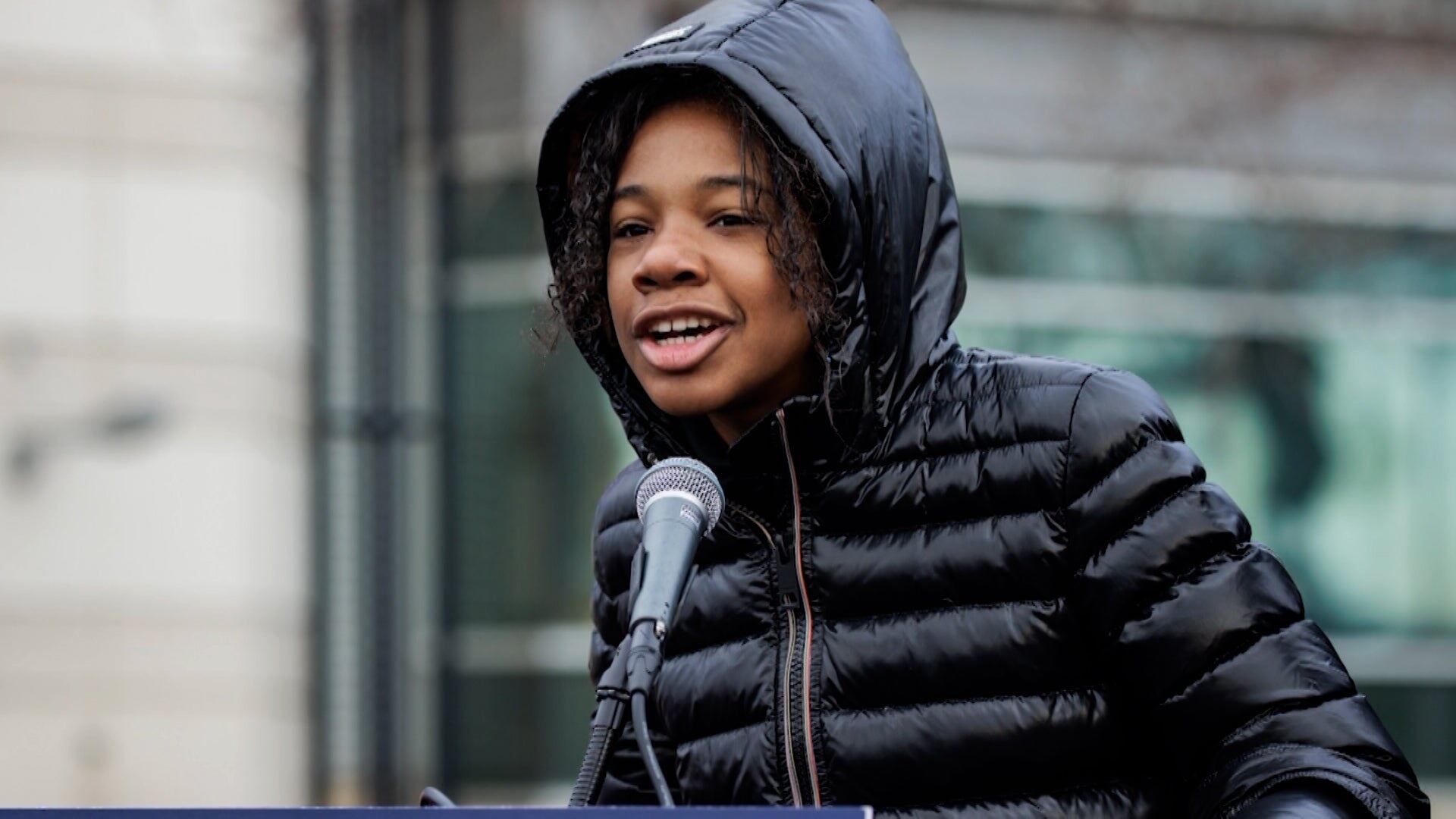
March For Our Lives will be returning this weekend to Washington, DC, in the wake of the recent mass shooting seen throughout the country. Marchers include Yolanda Renee King, the only granddaughter of Martin Luther King Jr. She joined Cheddar News to discuss the importance of the march and activism in general. "I just think that it's so important to have these rallies because we need to demand to our leaders and politicians that they pass legislation and that and we actually need to see action," she said.
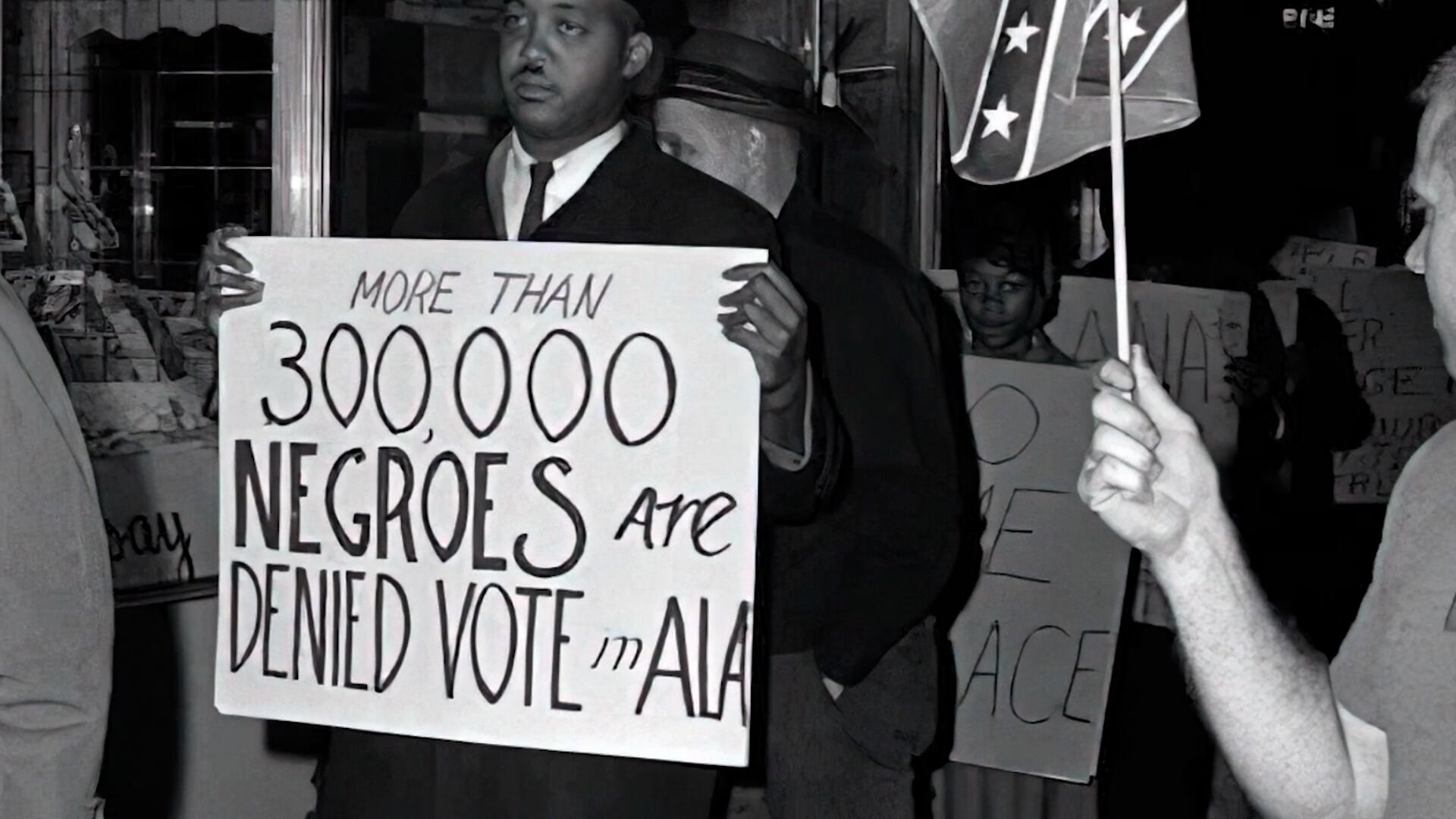
Erika Alexander and Whitney Dow, directors of 'The Big Payback,' join Cheddar News to discuss their new film, 'The Big Payback.' It premieres Saturday, June 11 at the Tribeca Festival.
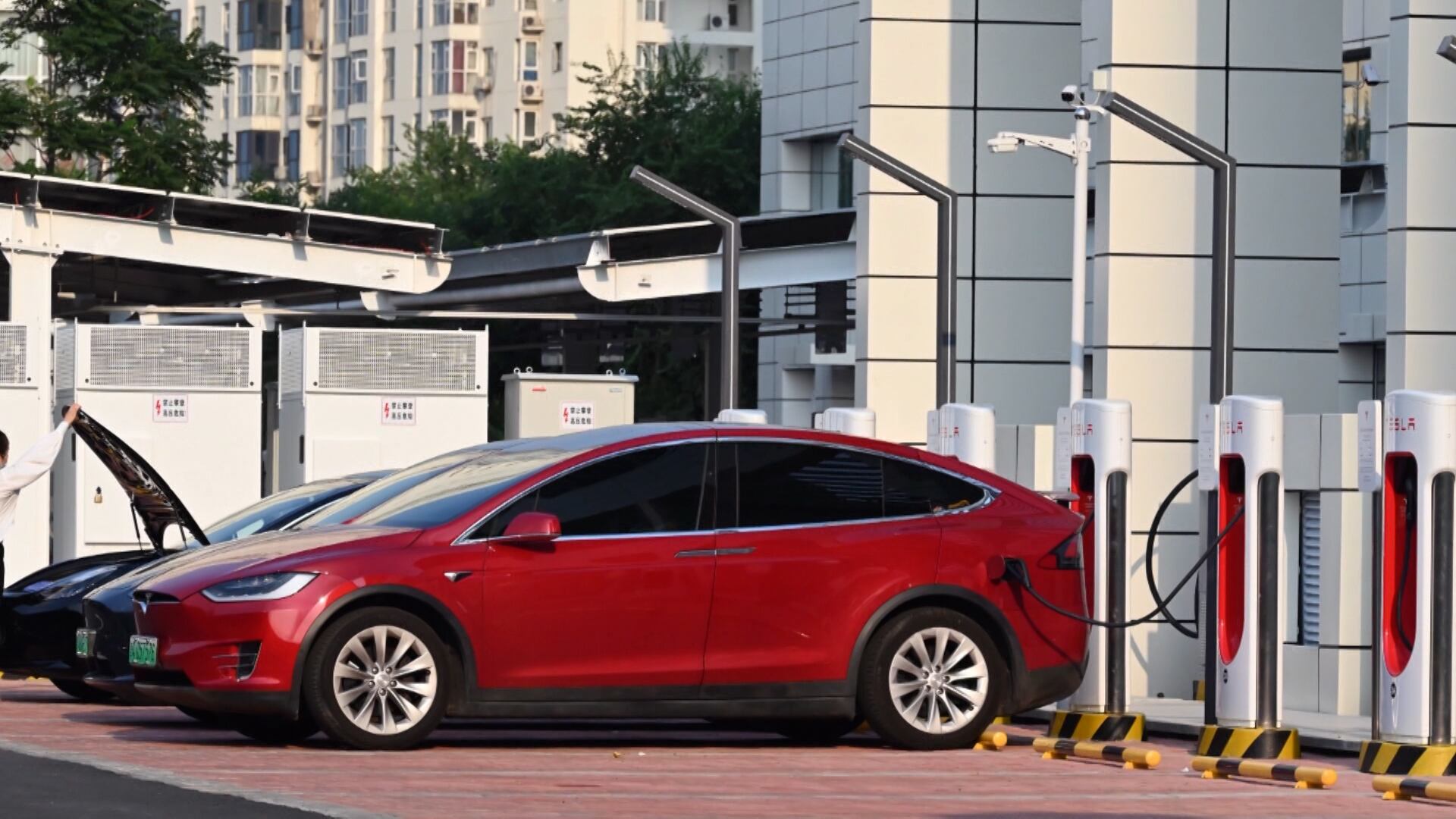
President Biden proposed a new rule that would add 500,000 chargers for electric vehicles nationwide. The proposal comes amid the rapid shift to EVs with dozens of automakers announcing plans for all-electric fleets within the next decade. But with the new surge will the U.S. have the proper infrastructure to keep up? Scott Painter, founder and CEO of Autonomy.com joined Cheddar's Opening Bell to discuss. "I really think the idea of standardization is a big deal. Standardization certainly makes it much better for everybody to be able to get a charge when they need one," he said.
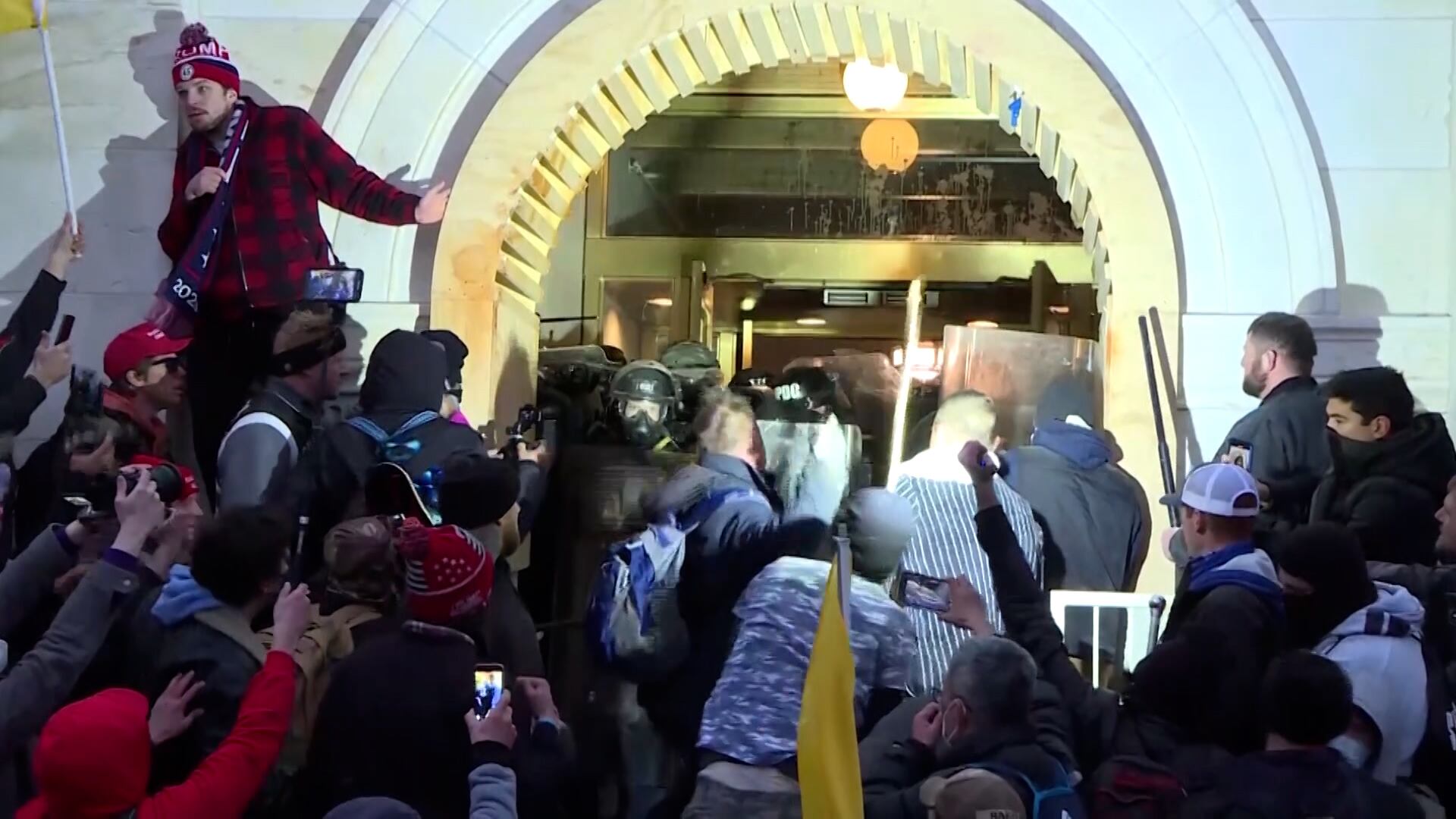
The House select committee investigating the January 6th riots on Capitol Hill is opening its landmark series of public hearings. Cheddar News speaks with Mike Sozan, senior fellow at the Center for American Progress who explains how to follow the hearings and what to expect.
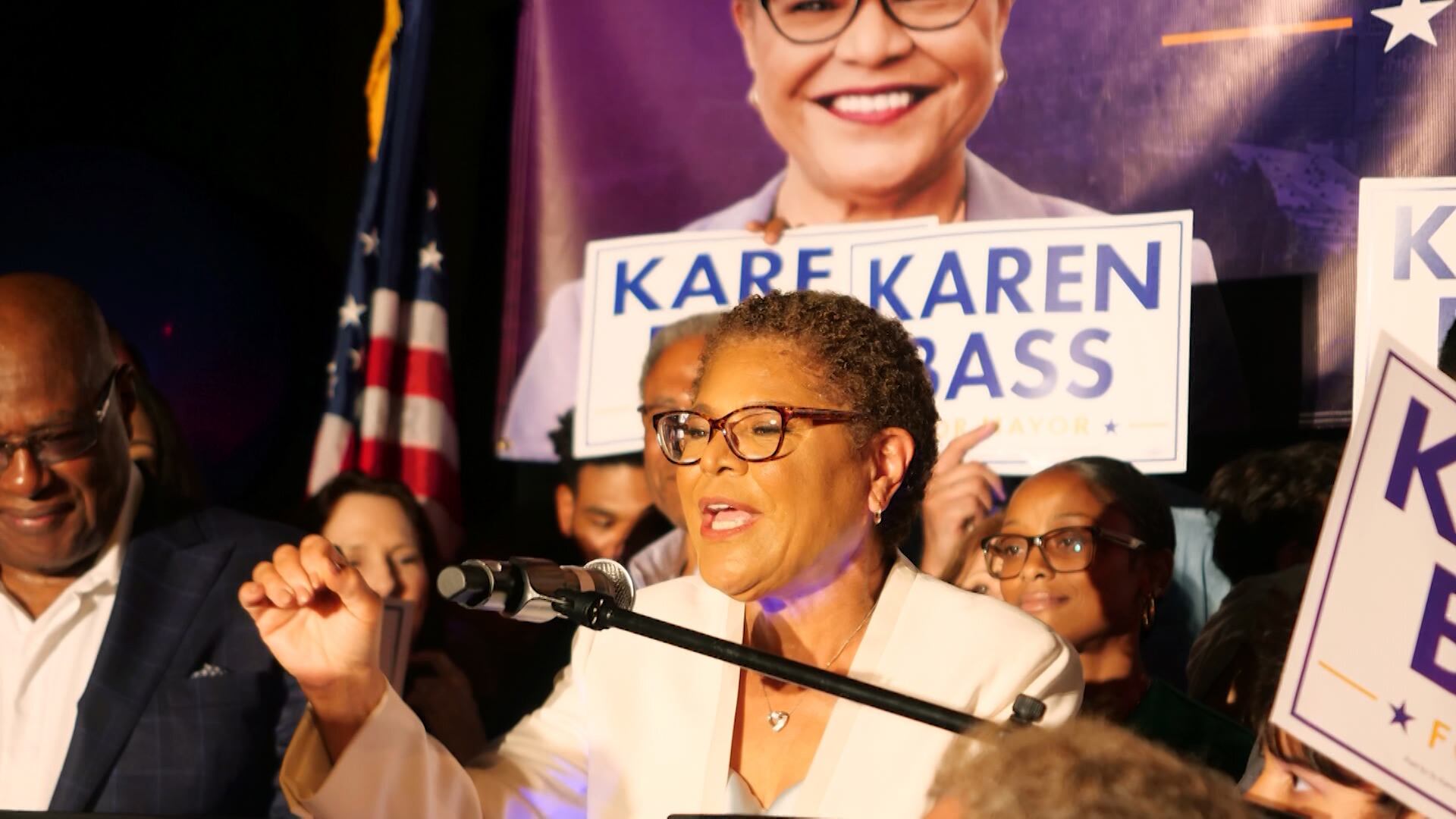
Claudia Rosenbaum, freelance reporter for Vanity Fair, joins Cheddar Politics to discuss the race for Los Angeles mayor.
Rick Caruso, a billionaire real estate developer, forced a runoff with the longtime Democratic Rep. Karen Bass, who had been the favorite in the race until an ad blitz from Caruso leaning on the city's issues with crime and homelessness.
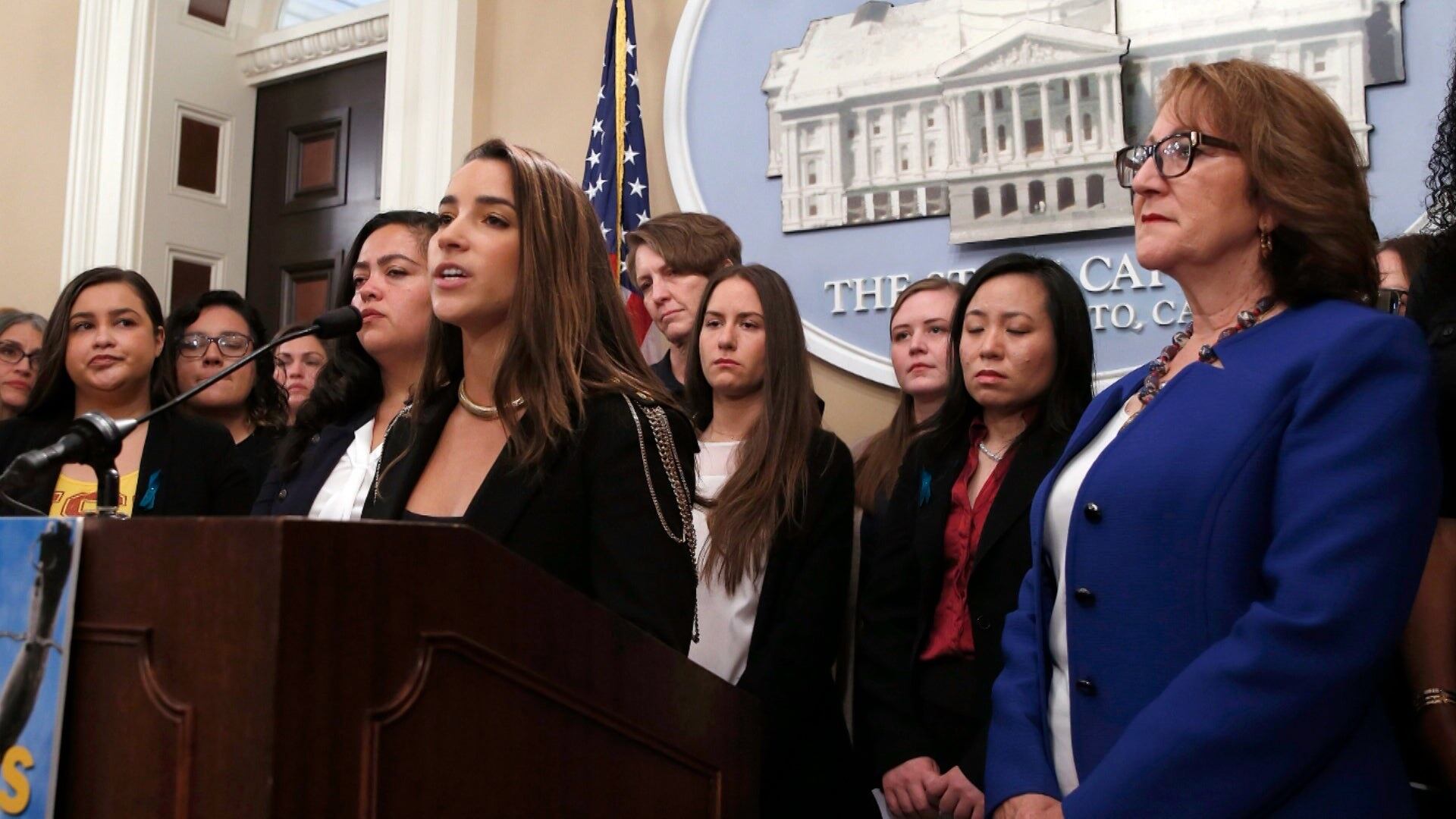
Survivors of Larry Nassar, including Olympian Simone Biles, are seeking $1 billion in damages from the FBI due to its failure to investigate the former gymnastics team doctor convicted of committing years of serial sexual abuse of minors. Jack Queen, a senior reporter at Law360, joined Cheddar News to break down the legal grounds of this case. "This is one of the biggest black eyes that the Bureau has faced in generations, quite frankly, and the FBI has taken full responsibility and admitted that it completely botched this investigation," he said. "So, there's a lot of pressure to settle."