Nvidia to invest $100 billion in OpenAI to help expand the ChatGPT maker’s computing power
By The Associated Press
FILE - A sign for a Nvidia building is shown in Santa Clara, Calif., May 31, 2023. (AP Photo/Jeff Chiu, File)
Chipmaker Nvidia will invest $100 billion in OpenAI as part of a partnership announced Monday that will add at least 10 gigawatts of Nvidia AI data centers to ramp up the computing power for the owner of the artificial intelligence chatbot ChatGPT.
Per the letter of intent signed by the companies, the first gigawatt of Nvidia systems will be deployed in the second half of 2026. Nvidia and OpenAI said they would be finalizing the details of the arrangement in the coming weeks.
“This partnership complements the deep work OpenAI and Nvidia are already doing with a broad network of collaborators, including Microsoft, Oracle, SoftBank and Stargate partners, focused on building the world’s most advanced AI infrastructure,” the companies said in a release. Those companies pledged to invest at least $100 billion in building data centers for OpenAI in January.
Speaking on CNBC, OpenAI CEO Sam Altman said the new data centers that Nvidia will build are in addition to the previously announced projects.
“Building this infrastructure is critical to everything we want to do,” Altman said. “Without doing this, we cannot deliver the services people want. We can’t keep making better models.”
He said both Nvidia and Microsoft are “passive investors,” and OpenAI’s nonprofit and board controls the company.
OpenAI’s corporate structure and nonprofit mission are the subject of a lawsuit brought by Elon Musk, who helped found the nonprofit research lab and provided initial funding. Musk’s suit seeks to stop OpenAI from taking control of the company away from its nonprofit and alleges it has betrayed its promise to develop AI for the benefit of humanity.
Earlier this month, the attorneys general of California and Delaware warned OpenAI that they have “serious concerns” about the safety of ChatGPT, especially for children and teens.
The two state officials, who have unique powers to regulate nonprofits such as OpenAI, noted “deeply troubling reports of dangerous interactions between” chatbots and their users, including the suicide of one young Californian after he had prolonged interactions with an OpenAI chatbot. The parents of the 16-year-old California boy, who died in April, sued OpenAI and its CEO, Sam Altman, last month.
OpenAI says it has 700 million weekly active users.
Also, just last week Nvidia announced that it was investing $5 billion in fellow chipmaker Intel, which has struggled to keep up with the frenzied demand for artificial intelligence.
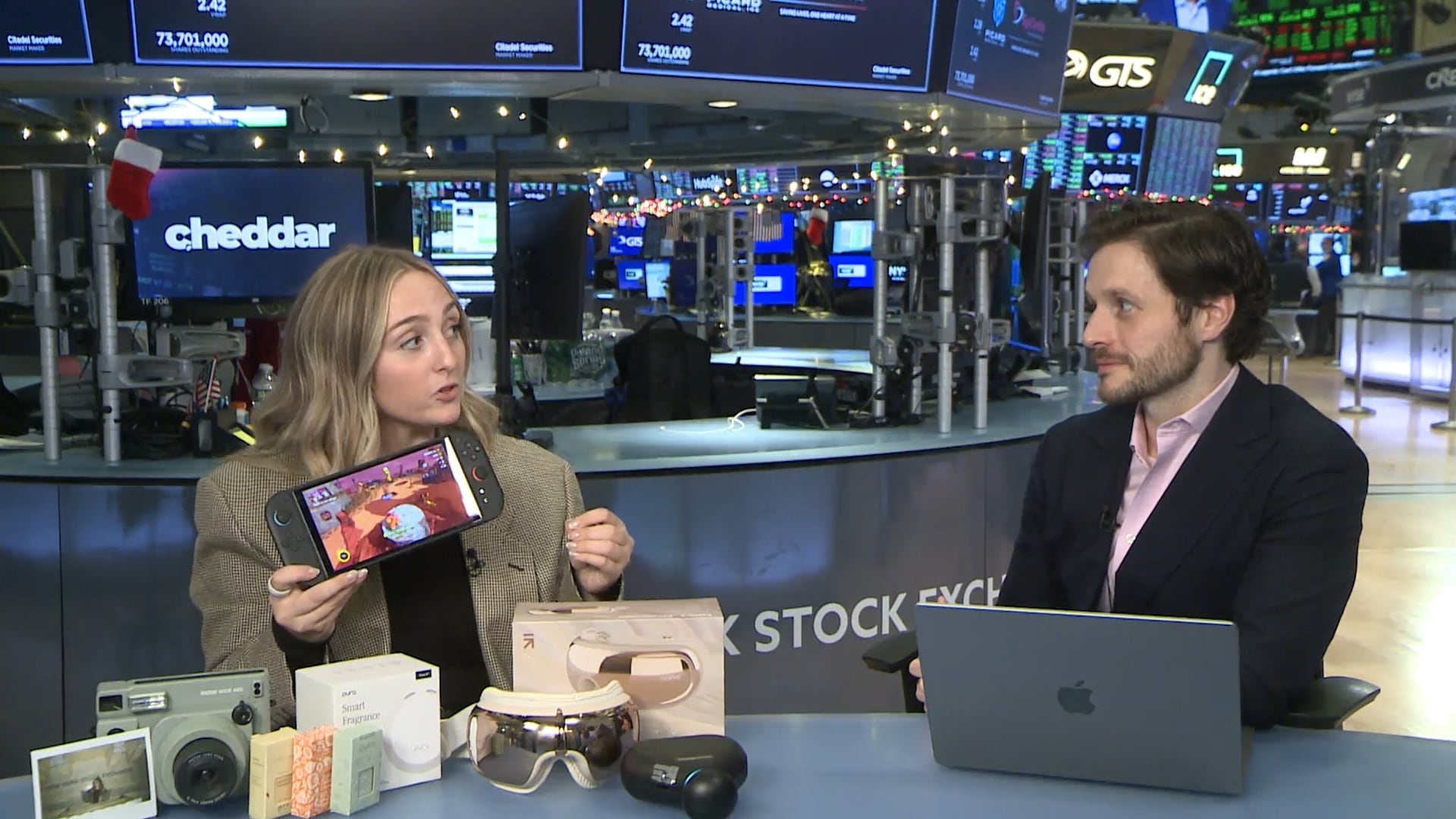
Holiday shopping heats up as Tom’s Guide editor Kate Kozuch reveals the tech gifts everyone wants, from wellness gadgets to gaming buzz—and how to score deals!
Spain's government has fined Airbnb 64 million euros or $75 million for advertising unlicensed tourist rentals. The consumer rights ministry announced the fine on Monday. The ministry stated that many listings lacked proper license numbers or included incorrect information. The move is part of Spain's ongoing efforts to regulate short-term rental companies amid a housing affordability crisis especially in popular urban areas. The ministry ordered Airbnb in May to remove around 65,000 listings for similar violations. The government's consumer rights minister emphasized the impact on families struggling with housing. Airbnb said it plans to challenge the fine in court.
The Islamic State group and other militant organizations are experimenting with artificial intelligence as a tool to boost recruitment and refine their operations. National security experts say that just as businesses, governments and individuals have embraced AI, extremist groups also will look to harness the power of AI. That means aiming to improve their cyberattacks, breaking into sensitive networks and creating deepfakes that spread confusion and fear. Leaders in Washington have responded with calls to investigate how militant groups are using AI and seek ways to encourage tech companies to share more about how their products are being potentially misused.
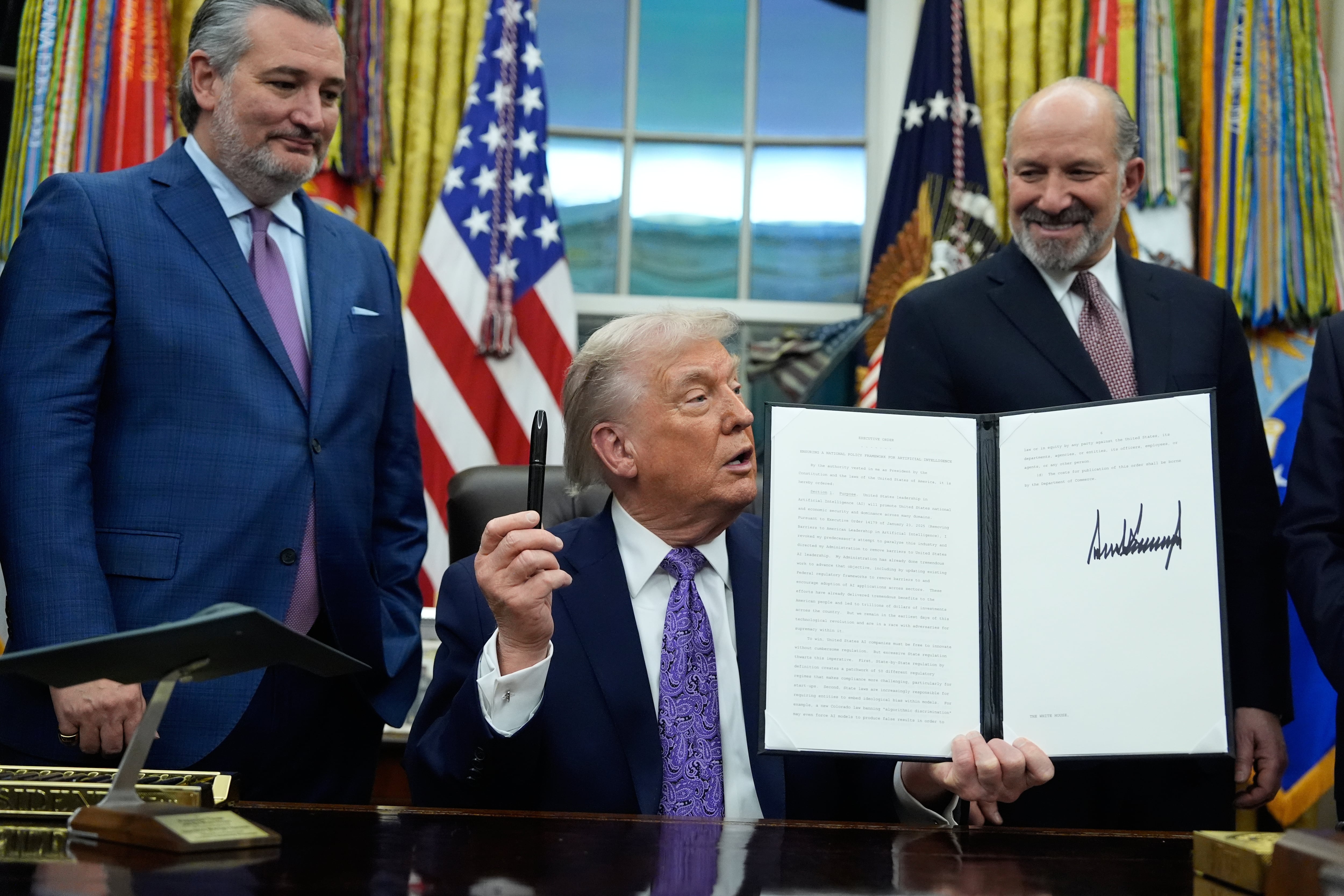
President Donald Trump has signed an executive order to block states from regulating artificial intelligence. He argues that heavy regulations could stifle the industry, especially given competition from China. Trump says the U.S. needs a unified approach to AI regulation to avoid complications from state-by-state rules. The order directs the administration to draw up a list of problematic regulations for the Attorney General to challenge. States with laws could lose access to broadband funding, according to the text of the order. Some states have already passed AI laws focusing on transparency and limiting data collection.
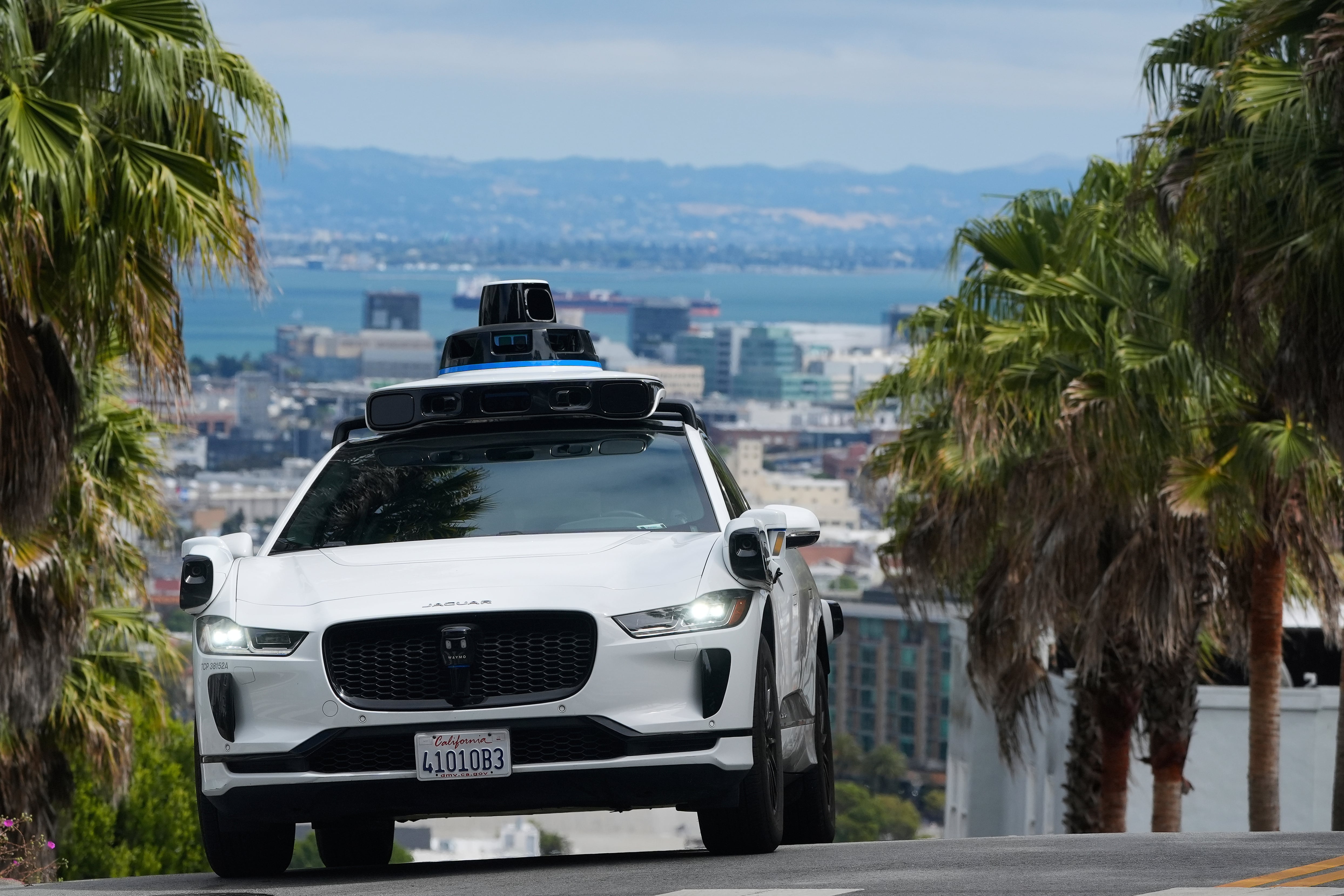
Waymo's self-driving taxis have been in the spotlight for both negative and positive reasons. This week, the automated ride-hailing taxis went viral after a San Francisco woman gave birth inside a Waymo taxi while on her way to the hospital. A Waymo spokesperson on Wednesday confirmed the unusual delivery. It said the company's rider support team detected unusual activity inside the vehicle and alerted 911. The taxi arrived safely at the hospital before emergency services. Waymo's popularity is growing despite heightened scrutiny following an illegal U-turn and the death of a San Francisco cat. The company, owned by Alphabet, says it is proud to serve riders of all ages.
OpenAI has appointed Slack CEO Denise Dresser as its first chief of revenue. Dresser will oversee global revenue strategy and help businesses integrate AI into daily operations. OpenAI CEO Sam Altman recently emphasized improving ChatGPT, which now has over 800 million weekly users. Despite its success, OpenAI faces competition from companies like Google and concerns about profitability. The company earns money from premium ChatGPT subscriptions but hasn't ventured into advertising. Altman had recently announced delays in developing new products like AI agents and a personal assistant.