Nvidia earnings will shed a light on whether Big Tech is fueling an AI boom or bubble
By Michael Liedtke
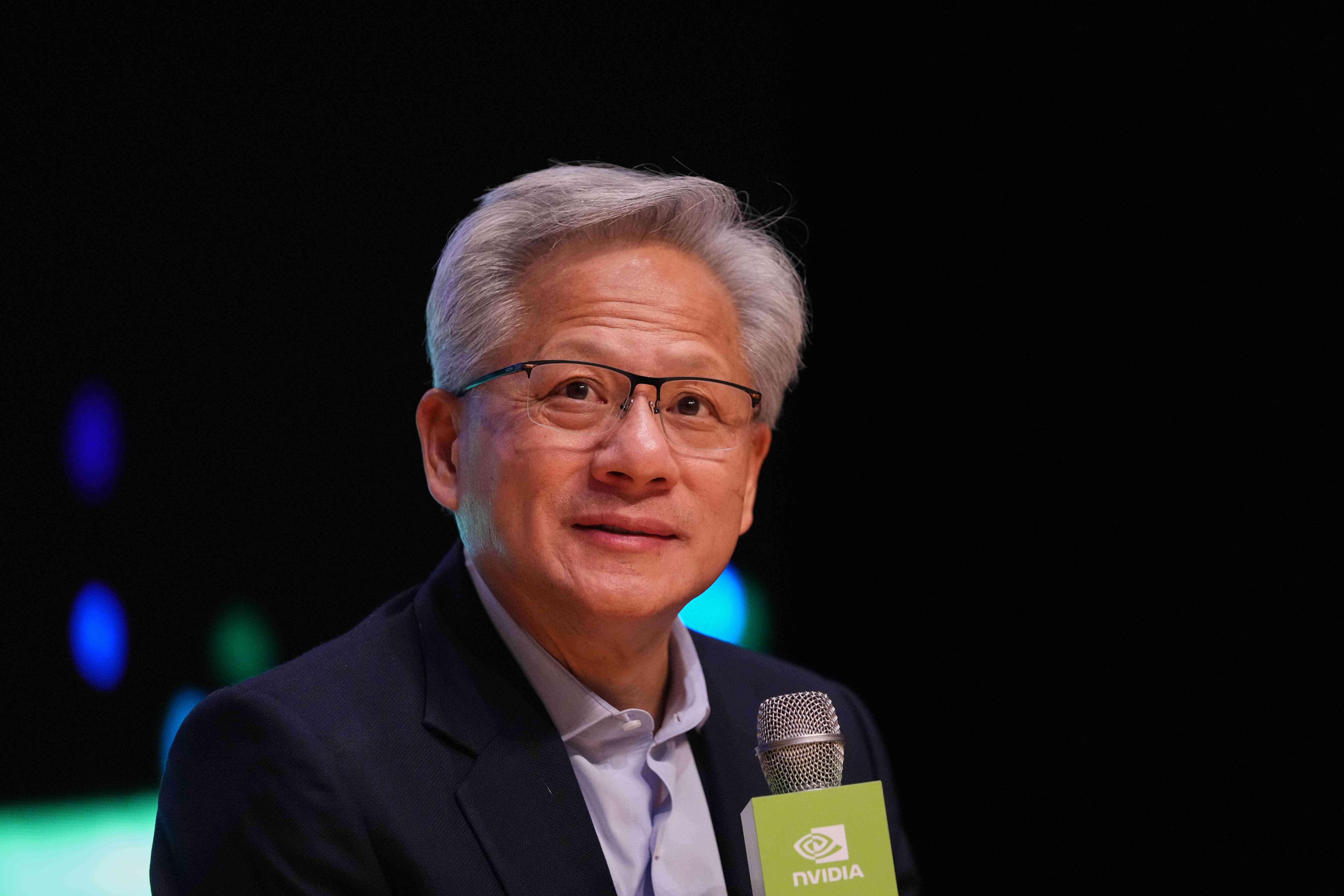
Nvidia CEO Jensen Huang speaks during a press conference at the Asia-Pacific Economic Cooperation (APEC) CEO summit in Gyeongju, South Korea, Friday, Oct.31, 2025 (AP Photo/Lee Jin-man)
SAN FRANCISCO (AP) — Computer chipmaker Nvidia is poised to release a quarterly earnings report Wednesday that is expected to either deepen a recent downturn in the stock market or prompt an sigh of relief among investors increasingly worried that the world’s most valuable company is perched atop an artificial intelligence bubble that’s about to burst.
Nvidia’s report, due after the market closes, has turned into a pulse check on an AI boom that began three years ago when OpenAI released ChatGPT. That breakthrough transformed Nvidia from a mostly under-the-radar chipmaker — best known for making graphics chips for video games — into an AI bellwether because its unique chipsets have become indispensable for powering the technology underlying the craze.
As OpenAI and longtime Big Tech powerhouses — such as Microsoft, Google, Amazon and Facebook parent Meta Platforms — buy more and more of Nvidia’s chips, its annual revenue has soared from $27 billion in 2022 to a projected $208 billion this year. That rapid run-up has fueled a 10-fold increase in Nvidia’s market value, which now stands at $4.5 trillion, surpassing Apple, Microsoft and Google parent Alphabet, currently valued in the $3 trillion to $4 trillion range.
“Saying this is the most important stock in the world is an understatement,” Jay Woods, chief market strategist of investment bank Freedom Capital Markets.
As the meteoric rise in its market value suggests, Nvidia has made a habit of reassuring investors with quarterly reports peppered with numbers surpassing analyst projections and salted with bullish comments from CEO Jensen Huang indicating the company remains in the early stages of a growth trajectory likely to last another decade despite challenges such as President Donald Trump’s trade war.
But in the past few weeks, more investors are starting to wonder if the AI craze has been overblown, even as Big Tech companies like Alphabet increase their budgets for building more AI factories. That’s why Nvidia’s market value has fallen by more than 10% — a reversal known as a correction in investors’ parlance — just three weeks after it became the first company to be valued at $5 trillion.
“Skepticism is the highest now than anytime over the last few years,” said Nancy Tengler, CEO of money management Laffer Tengler Investments.
Despite the recent worries, it’s widely assumed that Nvidia’s quarterly numbers will at least mirror the analyst forecasts that steer investor reactions. The Santa Clara, California, company is expected to earn $1.26 per share on revenue of $54.9 billion, which would be a 59% increase from the same time last year.
But the bar has been raised so high for Nvidia and AI that the company will likely have to deliver even more robust growth to ease the bubble worries. Investors also are likely to be parsing Huang’s remarks about the past quarter and the current market conditions — an assessment that has become akin to the State of the Union for the AI boom.
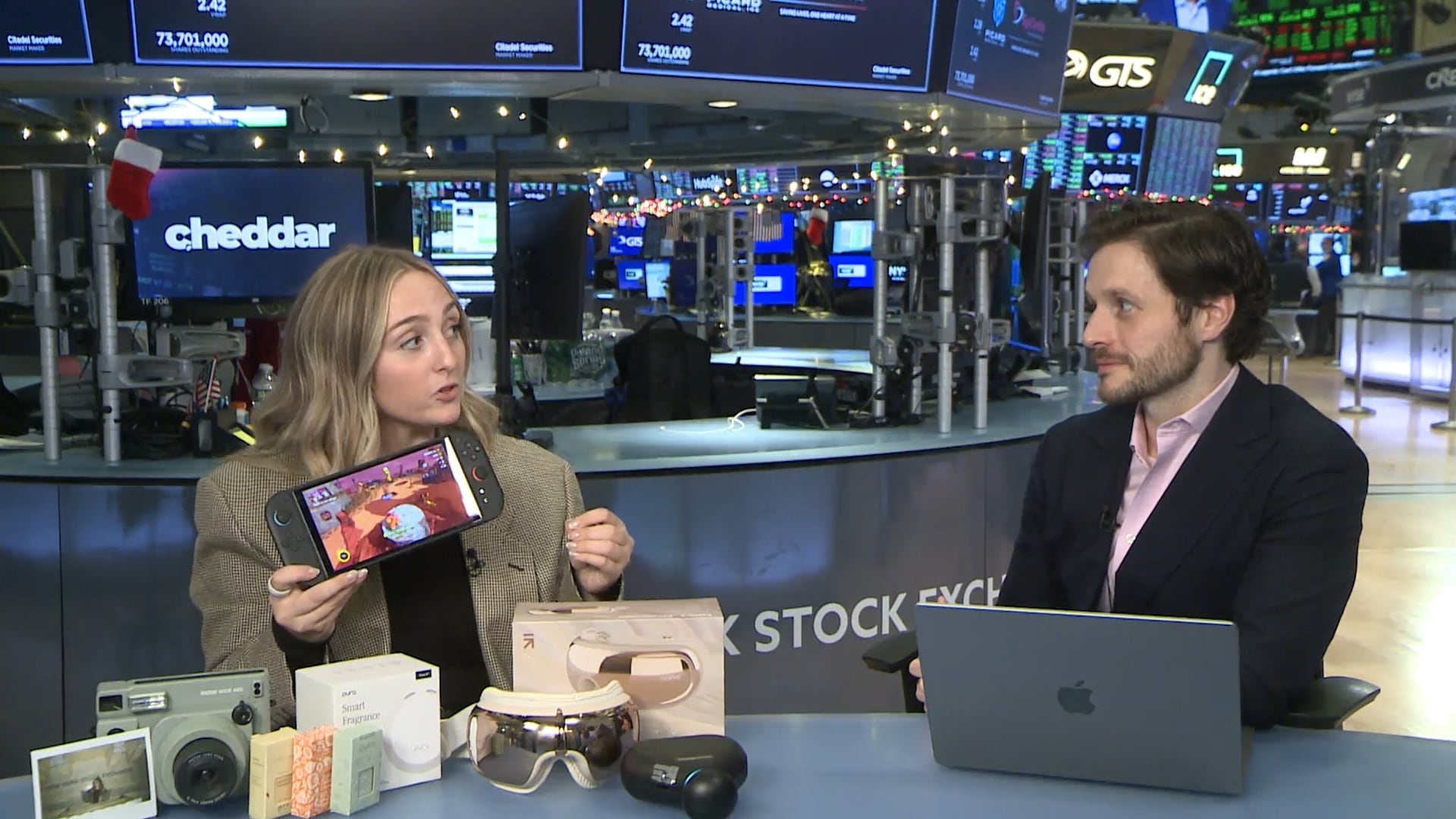
Holiday shopping heats up as Tom’s Guide editor Kate Kozuch reveals the tech gifts everyone wants, from wellness gadgets to gaming buzz—and how to score deals!
Spain's government has fined Airbnb 64 million euros or $75 million for advertising unlicensed tourist rentals. The consumer rights ministry announced the fine on Monday. The ministry stated that many listings lacked proper license numbers or included incorrect information. The move is part of Spain's ongoing efforts to regulate short-term rental companies amid a housing affordability crisis especially in popular urban areas. The ministry ordered Airbnb in May to remove around 65,000 listings for similar violations. The government's consumer rights minister emphasized the impact on families struggling with housing. Airbnb said it plans to challenge the fine in court.
The Islamic State group and other militant organizations are experimenting with artificial intelligence as a tool to boost recruitment and refine their operations. National security experts say that just as businesses, governments and individuals have embraced AI, extremist groups also will look to harness the power of AI. That means aiming to improve their cyberattacks, breaking into sensitive networks and creating deepfakes that spread confusion and fear. Leaders in Washington have responded with calls to investigate how militant groups are using AI and seek ways to encourage tech companies to share more about how their products are being potentially misused.
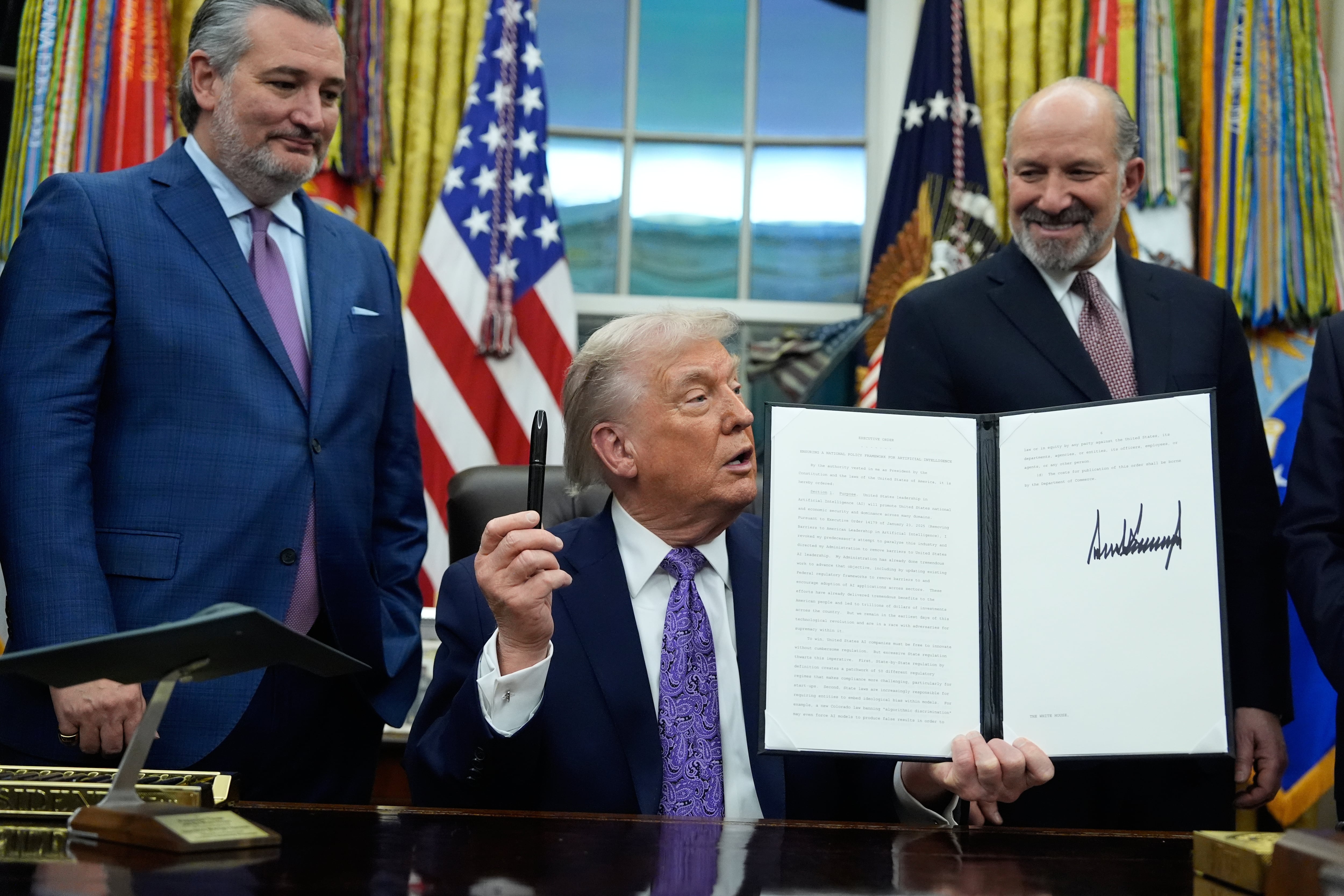
President Donald Trump has signed an executive order to block states from regulating artificial intelligence. He argues that heavy regulations could stifle the industry, especially given competition from China. Trump says the U.S. needs a unified approach to AI regulation to avoid complications from state-by-state rules. The order directs the administration to draw up a list of problematic regulations for the Attorney General to challenge. States with laws could lose access to broadband funding, according to the text of the order. Some states have already passed AI laws focusing on transparency and limiting data collection.
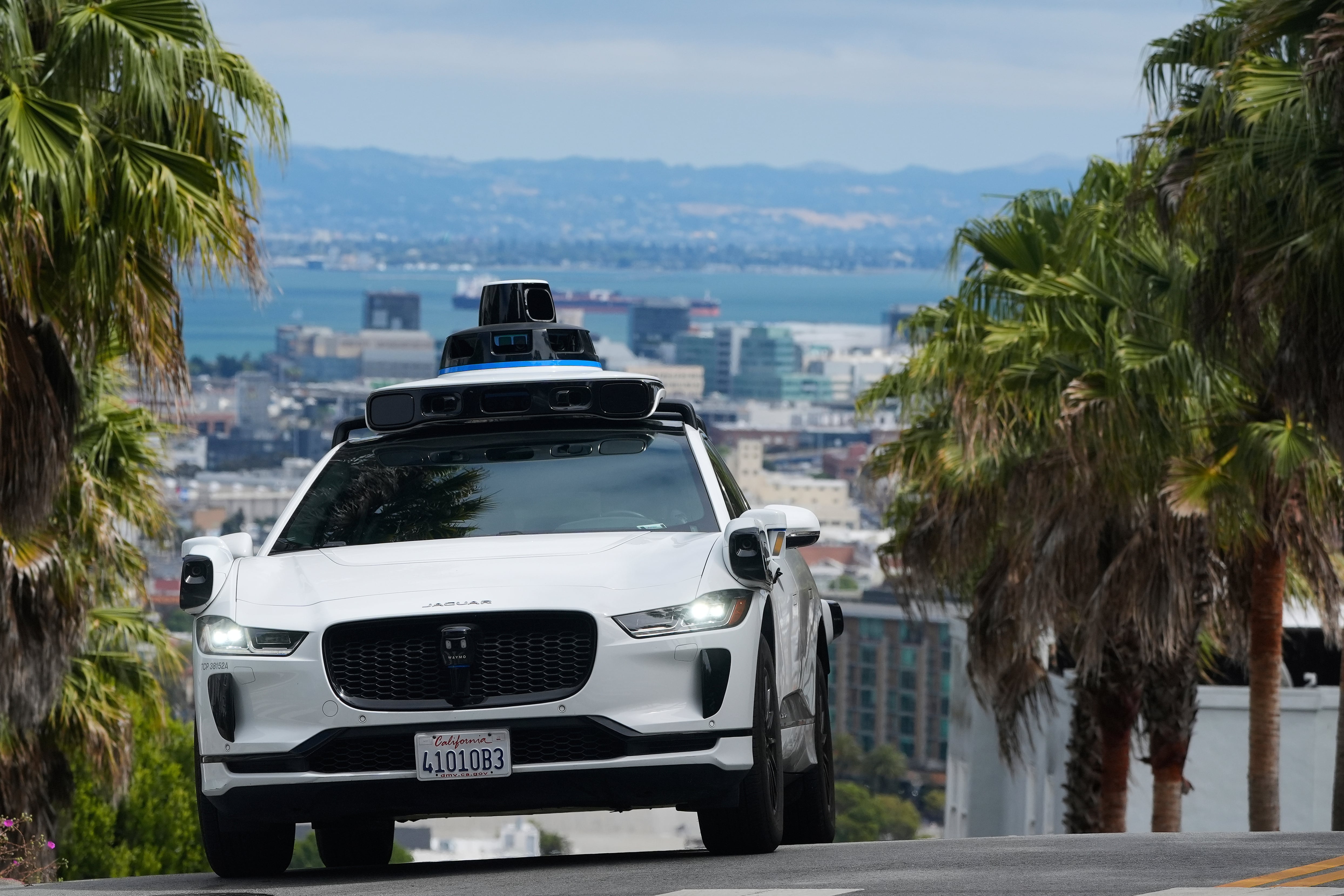
Waymo's self-driving taxis have been in the spotlight for both negative and positive reasons. This week, the automated ride-hailing taxis went viral after a San Francisco woman gave birth inside a Waymo taxi while on her way to the hospital. A Waymo spokesperson on Wednesday confirmed the unusual delivery. It said the company's rider support team detected unusual activity inside the vehicle and alerted 911. The taxi arrived safely at the hospital before emergency services. Waymo's popularity is growing despite heightened scrutiny following an illegal U-turn and the death of a San Francisco cat. The company, owned by Alphabet, says it is proud to serve riders of all ages.
OpenAI has appointed Slack CEO Denise Dresser as its first chief of revenue. Dresser will oversee global revenue strategy and help businesses integrate AI into daily operations. OpenAI CEO Sam Altman recently emphasized improving ChatGPT, which now has over 800 million weekly users. Despite its success, OpenAI faces competition from companies like Google and concerns about profitability. The company earns money from premium ChatGPT subscriptions but hasn't ventured into advertising. Altman had recently announced delays in developing new products like AI agents and a personal assistant.